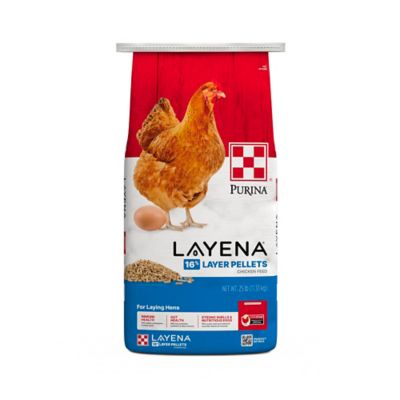
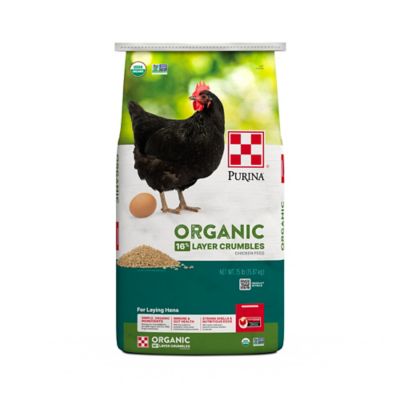
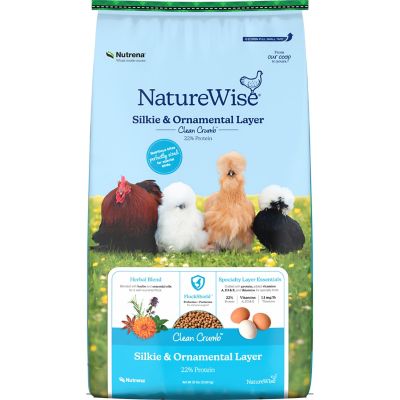
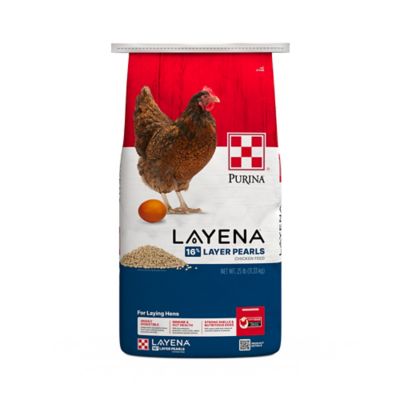
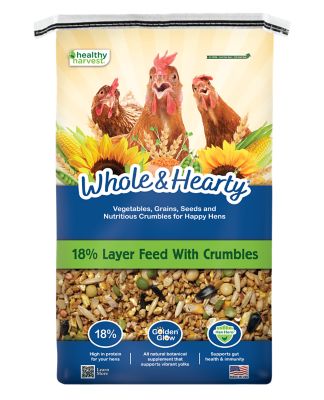
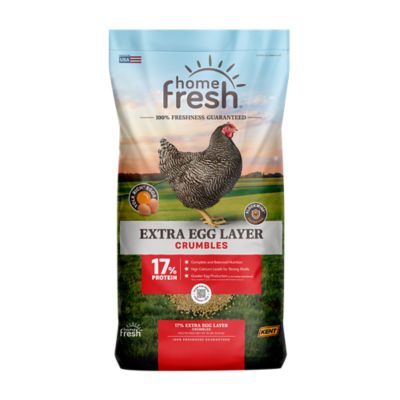
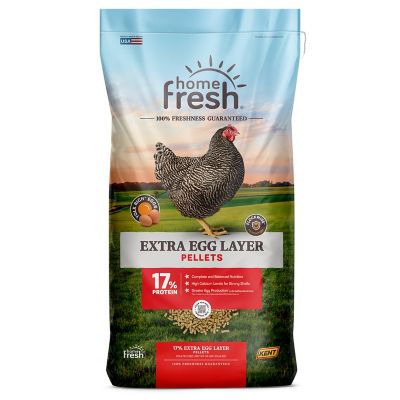
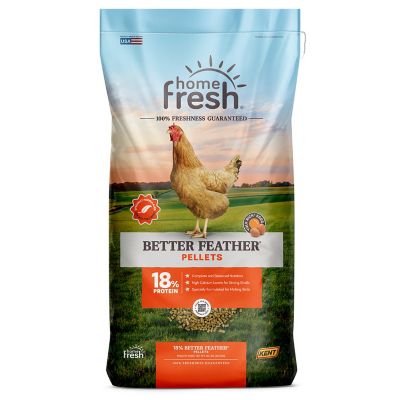
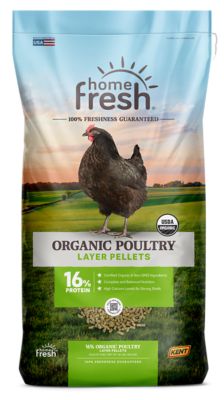
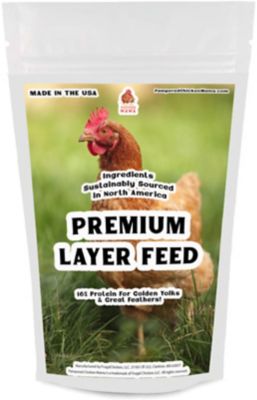
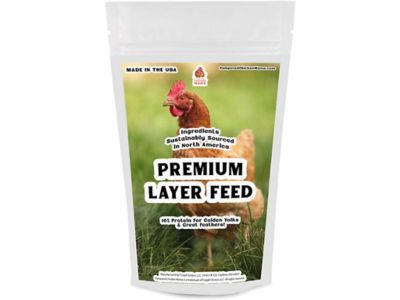
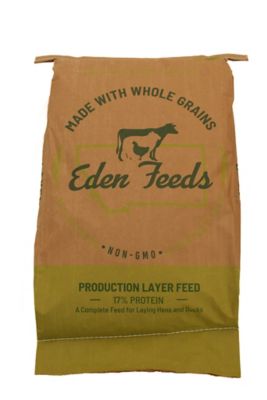
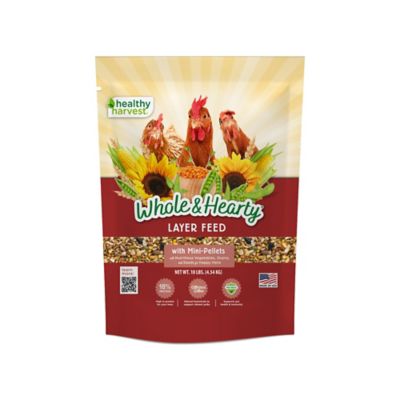
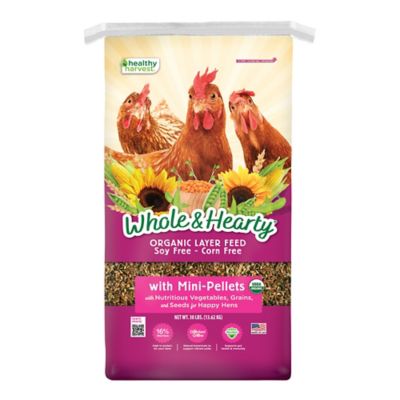
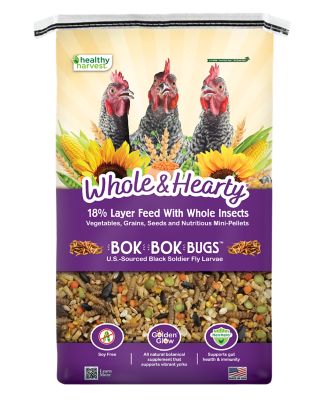
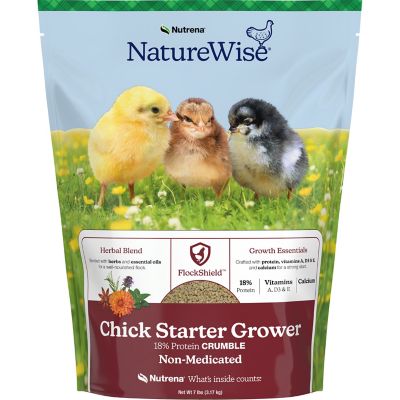
Layer chicken feed is a calcium-fortified ration formulated for laying hens to support egg production, strong eggshells, and everyday body maintenance. Many complete layer feeds contain about 16 to 18 percent crude protein, along with added calcium, phosphorus, vitamins, and trace minerals, though the guaranteed analysis on the bag gives the details for each formula. The main distinction between layer feed and chick starter or grower feed is its higher calcium content, which helps replace the calcium a hen puts into her eggshells. Layer feed belongs in the ration when pullets reach laying maturity, following the feed label’s directions. That often falls around 18 to 20 weeks of age, but breed and individual development can put the first egg earlier or later. A calendar alone does not tell the whole story; a flock of slower-maturing pullets may not be ready at the same age as another flock down the road. Growing chicks should not eat layer feed because its calcium level can harm developing birds. A pen that includes chicks, roosters, and laying hens may call for an age-appropriate all-flock ration, with a separate calcium source for the hens that need it. For a flock made up of laying hens, a complete layer ration keeps the daily feeding routine straightforward. Grain ingredients supply energy, protein sources contribute amino acids, and the mineral and vitamin package supports the bird as well as the egg. Calcium gets plenty of attention, but it works alongside phosphorus and vitamin D rather than doing the job alone. The right feed supports normal laying potential; it does not guarantee an egg from every hen every day. Breed, age, health, and the hen’s natural laying cycle still matter. Whether the coop holds a few backyard hens or a larger flock behind the barn, choosing a ration for the birds’ actual life stage matters more than choosing by bag appearance or a single nutrient number.
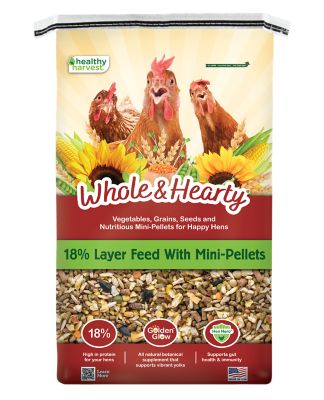
Layer chicken feeds commonly come as pellets, crumbles, or mash, and the form affects how feed moves through the feeder and how readily the flock eats it. Pellets are compact pieces that can be easier to keep contained when hens tend to rake feed onto the coop floor. Crumbles break that ration into smaller pieces, which some hens accept more readily, especially when they have been eating a similar texture. Mash has a finer, ground texture and can work well in a feeder that limits scattering. The best fit depends on the flock’s feeding habits and the feeder’s openings, not simply the size of the bird. A narrow opening that bridges over with pellets or a feeder that spills fine mash can turn a sound ration into a daily cleanup chore. Texture also matters when changing feeds: a gradual transition, following label directions, helps birds adjust without an abrupt change in their usual meal. Ingredient lists may include corn, wheat, soybean meal, other grain or protein sources, and added minerals and vitamins. Comparing the guaranteed analysis alongside those ingredients gives a clearer picture than judging feed by its color or how much visible grain it contains. Crude protein is one useful measure, but amino acid balance, calcium, and the feed’s intended purpose deserve attention, too. For birds whose feeding needs call for a different protein level,
High Protein Chicken Feed provides another category to compare while checking calcium levels and life-stage directions. More protein alone does not make a ration suitable for every flock. Organic certification and non-GMO claims describe different attributes, so neither should be treated as a substitute for reading the nutritional information. A complete layer feed is meant to supply the main ration; scratch grains, seed blends, and kitchen treats do not offer the same nutritional balance.
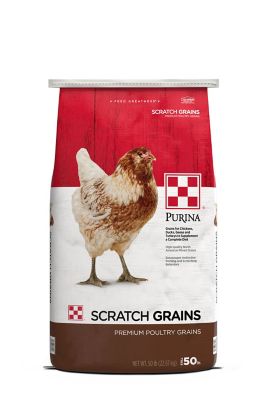
Daily feeding habits help a layer ration do its job. Many standard-size laying hens eat roughly a quarter pound of complete feed per bird per day, although breed, body size, production, and access to other food can change that amount. The feeding directions provide a starting point, while the amount left in the feeder and the hens’ body condition help show how the routine is working. A feeder with enough room for the flock can keep timid hens from getting pushed away by bossier birds. Clean drinking water is just as important: hens need steady access to water to eat normally and produce eggs. For hens that forage, complete layer feed still supplies a dependable nutritional foundation, since bugs and plants vary and do not provide a measured ration. Treats and scratch grains are generally best kept to no more than about 10 percent of daily intake so they do not crowd out balanced feed. Supplemental oyster shell can give laying hens access to extra calcium when appropriate, but it is not the same as insoluble poultry grit. Grit helps grind food in the gizzard, particularly whole grains and fibrous forage; oyster shell supplies calcium. Bag size and storage space also deserve a look before choosing feed. A small backyard flock may take much longer to finish a bag than a busy laying pen, so the amount purchased should match how quickly the birds can eat it while it stays fresh. A clean, dry, rodent-resistant container with a snug lid helps protect feed from moisture and pests. Keeping the original label and lot information makes it easier to check feeding directions or trace a concern. Feed with mold, an off smell, or signs of contamination does not belong in the feeder. Good nutrition supports the flock, but persistent thin shells, weight loss, or a sudden drop in laying can point to something beyond the ration. A poultry veterinarian can help sort out those concerns rather than leaving feed changes to guesswork.