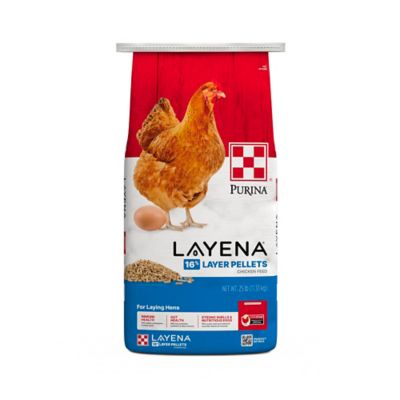
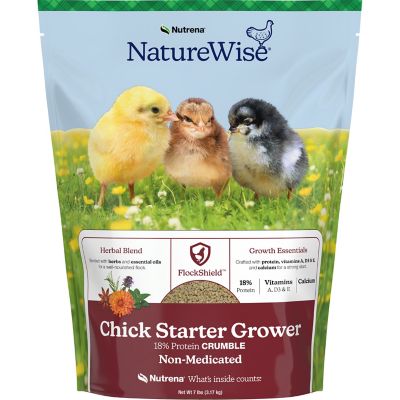
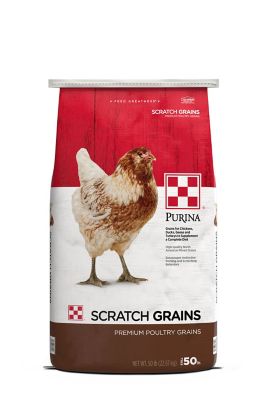
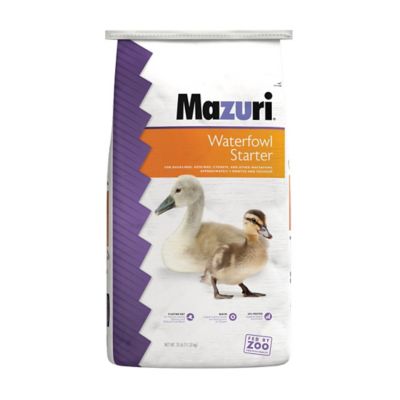
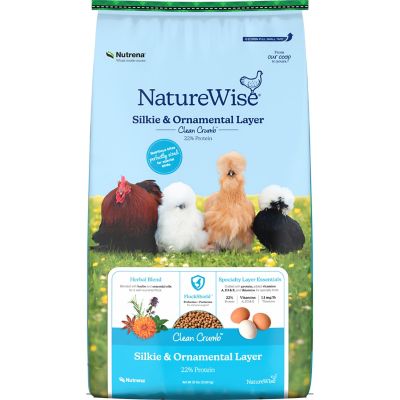
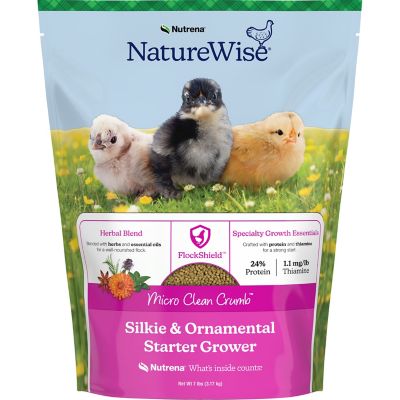
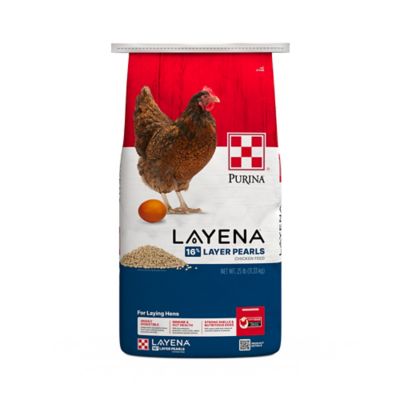
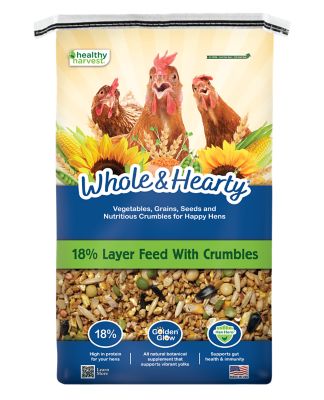
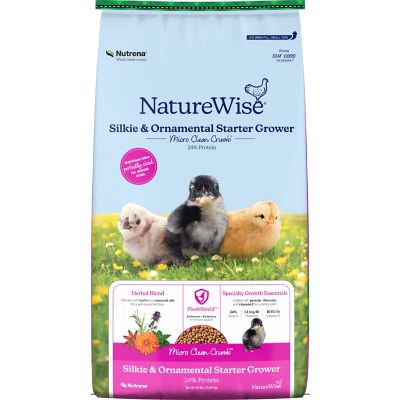
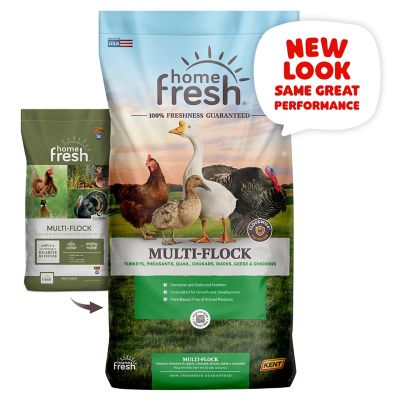
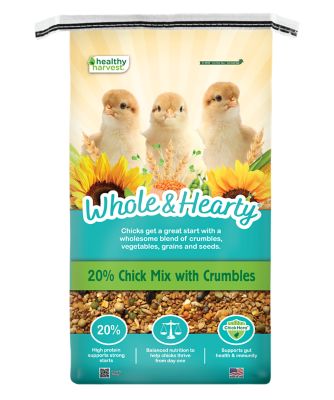
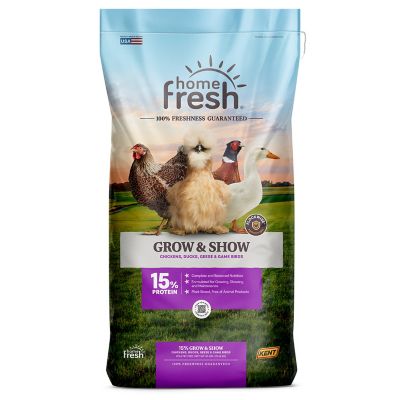
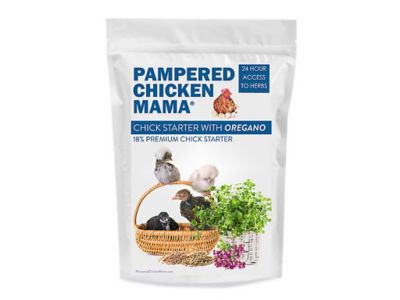
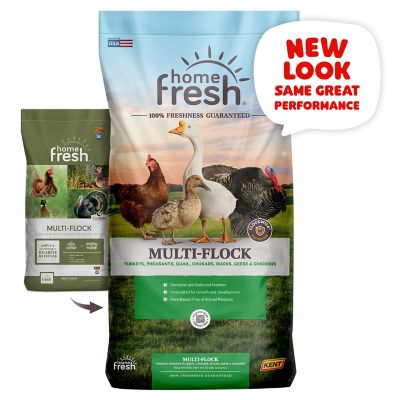
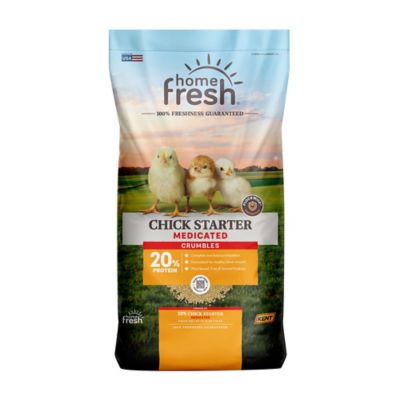
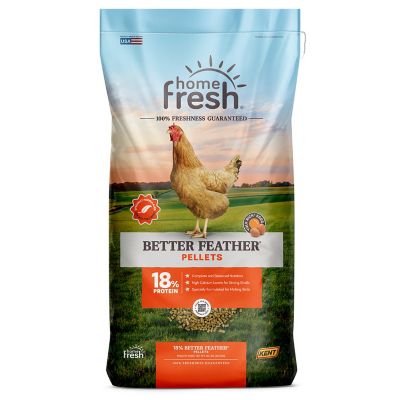
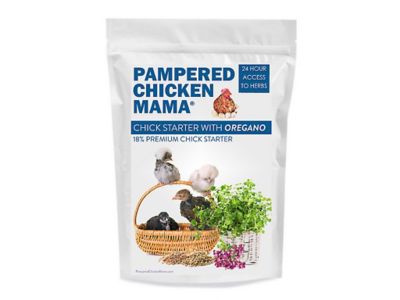
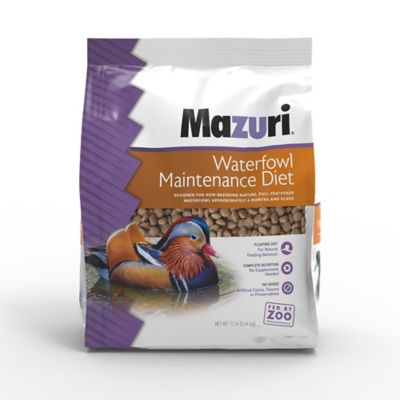
Poultry feed is a formulated ration that supplies domestic birds with protein, energy, vitamins, and minerals for growth, body maintenance, egg laying, or meat production. Chickens, ducks, geese, turkeys, and quail all need balanced nutrition, but the right feed depends on the bird’s species, age, and purpose. A backyard flock scratching beside the garden has different needs from a pen of growing turkeys or a group of young pullets getting ready to lay. Poultry feeds include starter, grower, layer, maintenance, and meat-bird formulas, with each type designed around a particular stage or job. Starter feed supports early development, while grower rations carry young birds through the next stretch of growth. Layer feed provides additional calcium for eggshell formation and is intended for birds at laying age, rather than chicks or other birds that do not need that calcium level. Many chicken starter formulas contain about 18% to 20% crude protein, and many chicken layer formulas contain about 16% to 18%, although individual formulations vary. Protein percentage is only one part of the picture: amino acids, energy, calcium, phosphorus, and other nutrients also matter. Meat birds need a ration suited to their growth rate, and turkey poults and young game birds generally have higher protein requirements than young laying chickens. For smaller game birds,
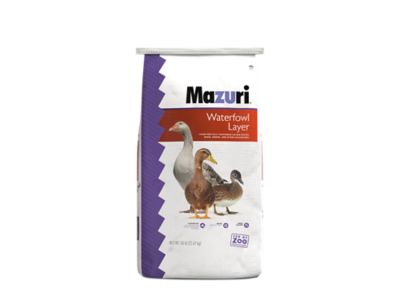
Quail Feeds offer a more focused category for matching nutrition and feed size to those birds. Ducks require particular attention to niacin, especially while growing, so a chicken ration is not automatically a suitable substitute. Geese may spend plenty of time grazing, but access to grass alone does not establish that their nutritional needs are covered. Species and life-stage information on the feed label helps distinguish between rations that look similar in the scoop but serve different purposes in the flock. That distinction matters whether the birds belong to a first-time chicken keeper, a family raising birds for the table, or a small farm managing several pens.
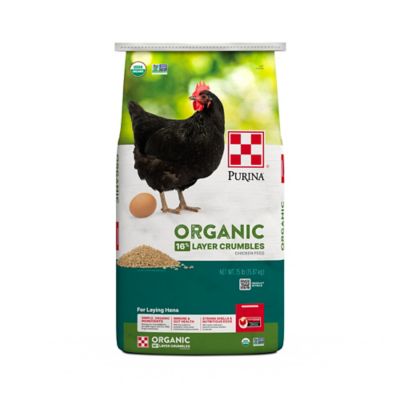
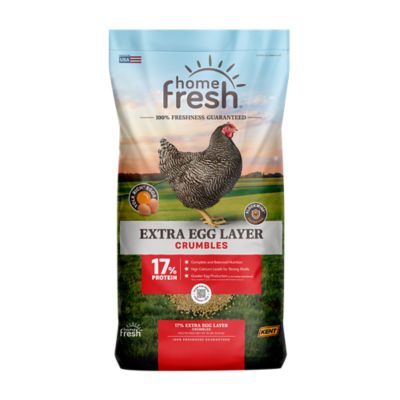
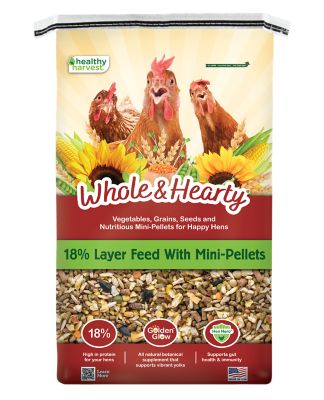
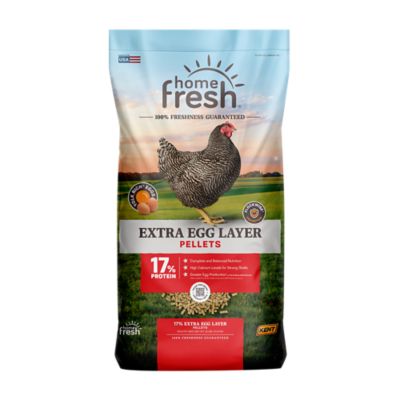
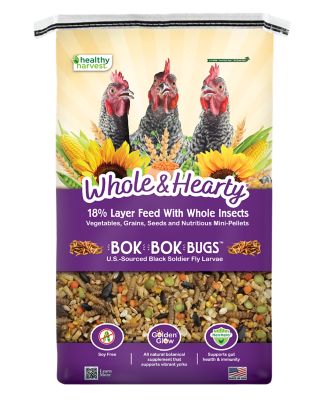
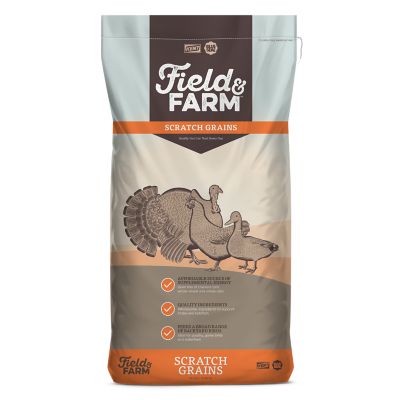
The ingredients and physical form of poultry feed affect both nutrition and everyday feeding. Grain ingredients such as corn and wheat supply energy, while soybean meal and other protein sources contribute amino acids for muscle, feathers, and egg production. Added vitamins and minerals help round out the ration, and some formulas include ingredients selected for particular flock needs. A complete feed is intended to supply the balanced ration described on its label when fed as directed; scratch grains and treats do not serve the same role. Even when hens come running at the sound of grain rattling in a scoop, too many extras can dilute the nutrients in their regular feed. Crumbles, pellets, and mash provide different textures without necessarily indicating different nutritional value. Crumbles offer smaller particles that can suit young birds and adult flocks that prefer a broken texture. Pellets keep ingredients together in each bite and can limit selective eating, while mash has a loose, finely ground consistency that calls for a feeder suited to that texture. Particle size matters most when birds are small: a ration needs to fit their beaks as well as their nutritional needs. A tiny chick picking through oversized pieces may have trouble getting enough to eat even when the feeder looks full. Processing also matters when a flock sorts through loose grain, leaving some ingredients behind. Pelleted and crumbled complete feeds help keep the ration more consistent from bite to bite. Ingredient statements and guaranteed analyses give flock keepers a way to compare formulas beyond the picture on the bag. For those seeking organic feed or feed made without certain ingredients, the label and any relevant certification provide the details that matter. Neither a familiar grain blend nor a higher protein number, on its own, establishes that a feed is right for every bird in the yard.
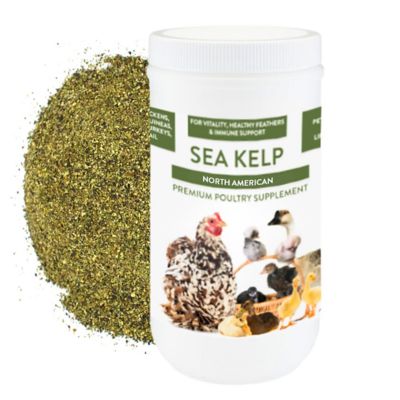
Good feed also needs sensible handling from the feed room to the trough. A bag that fits neatly into a feeding routine is easier to manage than one that sits open for a long stretch, especially with a small flock. Clean, dry containers with tight-fitting lids help protect feed from moisture, rodents, insects, and curious barn cats. Keeping the original label and lot information makes it easier to check feeding directions and identify the ration after transferring it into a bin. Feed should smell normal and remain free of visible mold, damp clumps, or signs of pests; questionable feed does not belong in the feeder. Fresh, clean drinking water belongs alongside every ration because birds need water to eat, digest feed, and maintain normal body functions. Feeder placement and access make a difference, too. A crowded trough can leave timid birds hanging back while more assertive flock mates eat first, and a feeder that allows birds to scratch through the ration can turn feed into litter. In a mixed-age flock, the feeding arrangement may need separate areas or a ration labeled for all the birds present, with additional calcium offered separately to laying hens when appropriate. Oyster shell supplies calcium; insoluble poultry grit serves a different purpose by helping the gizzard grind coarse foods. Birds eating only an appropriate complete crumble or pellet ration generally do not need added grit to process that feed, while birds eating whole grains or fibrous forage may need access to suitable grit. Medicated starter feed also calls for careful label reading, since the medication, approved species, intended purpose, and feeding directions can differ. The word “medicated” does not mean the feed treats every illness. From a few laying hens behind the house to separate groups of waterfowl and meat birds, a suitable poultry ration supports a feeding routine built around the birds actually at the feeder.