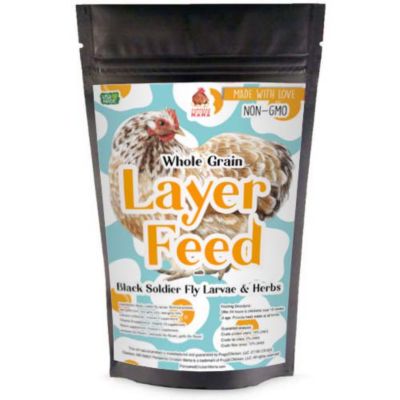
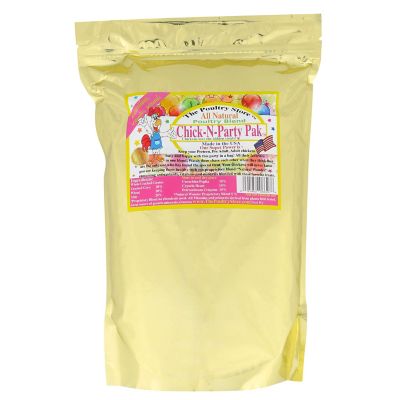
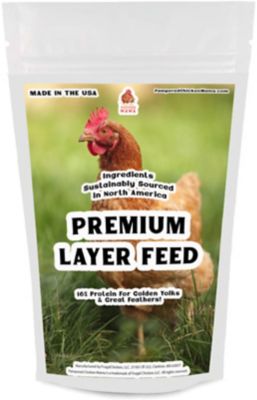
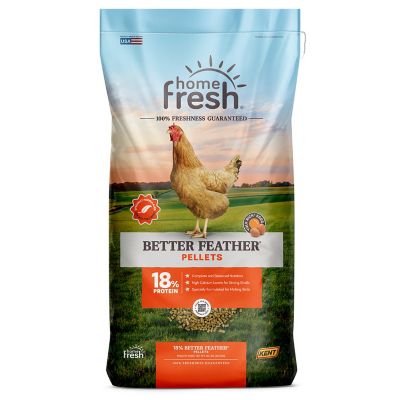
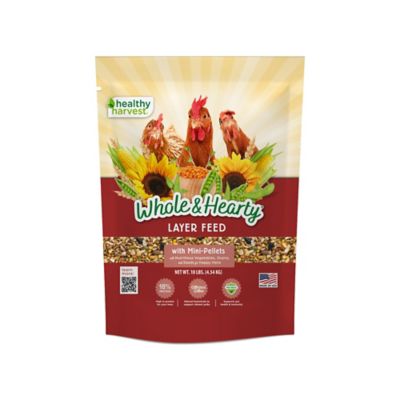
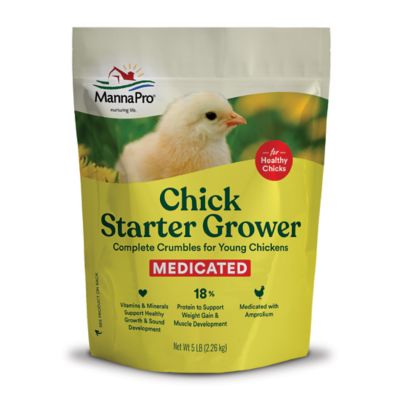
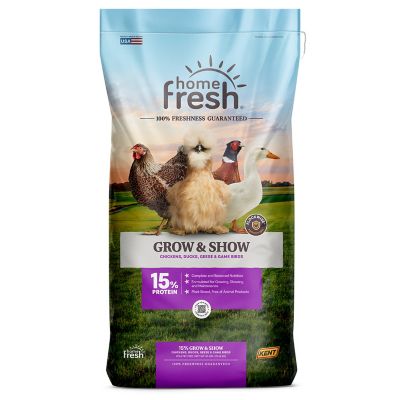
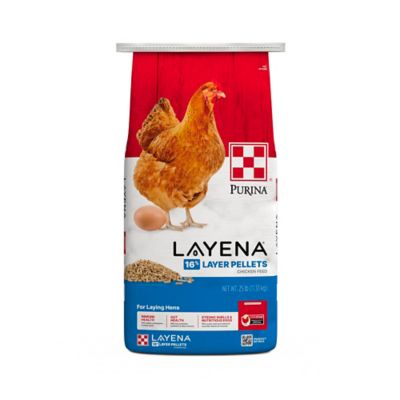
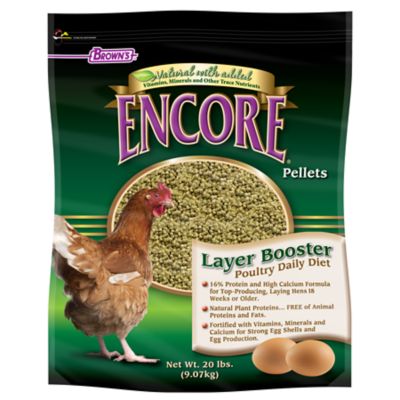
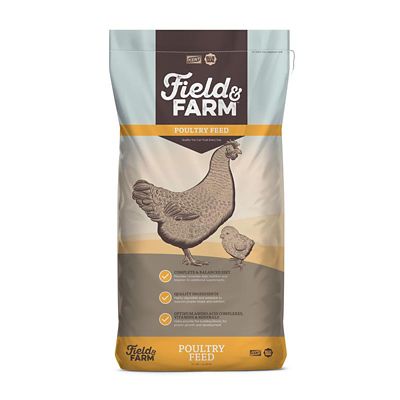
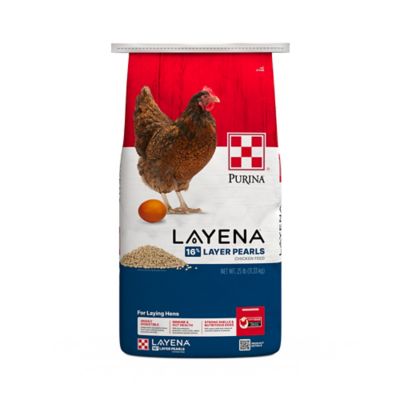
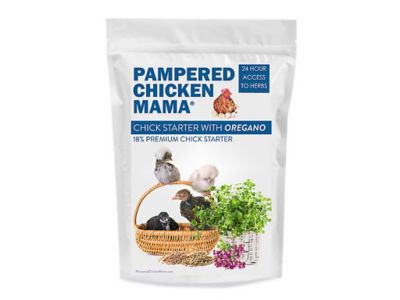
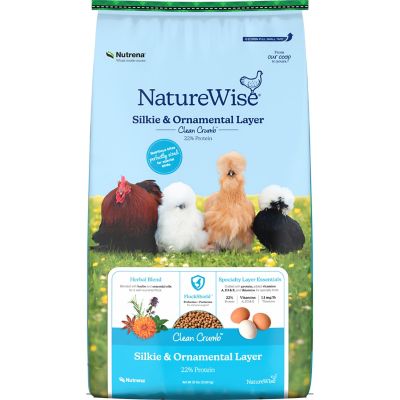
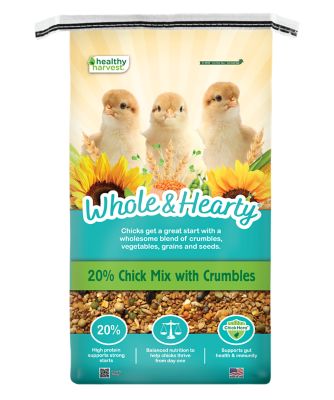
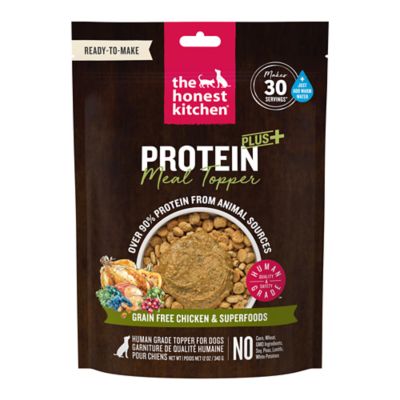
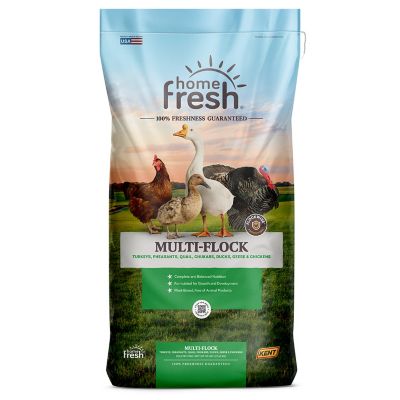
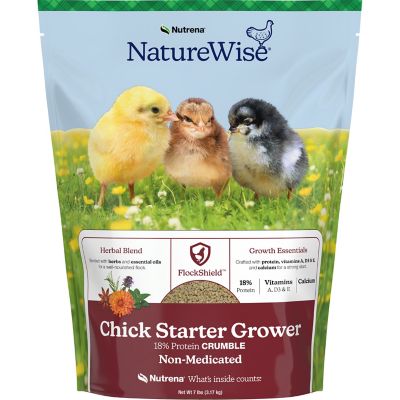
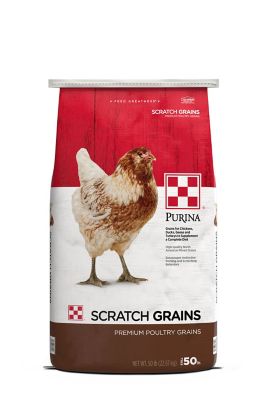
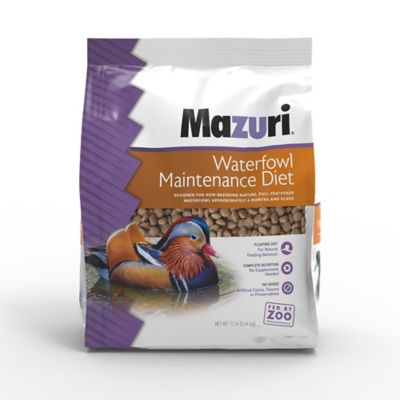
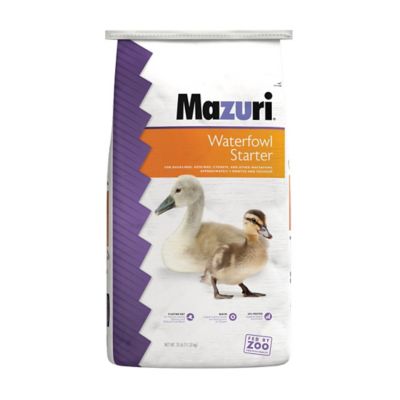
High protein chicken feed provides a higher crude protein level than many standard layer rations, often around 18% to 22% for chicken formulas compared with about 16% to 18% for conventional layer feed. The right percentage depends on the birds’ age, breed, purpose, and stage of development—not simply which bag has the biggest number. Protein supplies amino acids that chickens need for muscle development, feather growth, and normal body maintenance, while laying hens also draw on those nutrients to produce eggs. For a backyard flock, a small homestead, or a pen of growing meat birds, the best fit is a ration formulated for the chickens eating it. Chick starter feeds commonly fall around 18% to 22% protein, while broiler starter formulas may contain about 20% to 24%, depending on the feeding program. Some specialized poultry starters reach 24% to 30%, but those formulas may be intended for other poultry species or particular growth stages rather than everyday feeding for adult chickens. Higher protein layer feed pairs protein with the calcium and other nutrients laying hens need, making the complete nutritional profile just as important as the protein percentage. Common protein sources include soybean meal, peas, and other plant ingredients, with some formulas incorporating fish meal or insect ingredients. Grain ingredients contribute energy, while added vitamins and minerals help round out the ration. The guaranteed analysis identifies crude protein and other declared nutrients; the ingredient list shows where those nutrients come from. Amino acid balance matters, too, particularly for nutrients such as methionine and lysine. Two feeds with the same crude protein percentage can have different ingredient blends and feeding directions. That distinction matters when there are pullets growing in one pen and laying hens scratching around in another. A feed matched to each group’s needs supports a sensible daily routine without treating every chicken on the place as though it needs the same ration.
Feed texture makes a difference at the feeder, especially when birds vary in size or have strong preferences about what they peck. High protein chicken feed comes in forms such as crumbles, pellets, and textured blends. Crumbles offer smaller pieces that can suit chicks and growing birds when the formula is labeled for their age. Pellets put the ration into uniform bites and can help limit selective eating, since hens cannot pick out a favorite grain as easily. Textured feeds offer a mix of visible ingredients, though sorting can leave some nutrients sitting in the bottom of the trough. Particle size, feeder openings, and the height of the feed pan all affect how comfortably birds can eat and how much ends up in the bedding. A complete feed is formulated to supply the daily ration for the birds named on its label when fed as directed. A protein supplement, insect treat, or scratch blend serves a different purpose and should not be mistaken for a complete ration. Mixing large amounts of scratch grain or table scraps into balanced feed can dilute protein, vitamins, and minerals, even when the birds clean up every kernel. Treats generally belong in a small share of the diet, commonly no more than about 10% of daily intake. Some high protein formulas also include probiotics, which are beneficial microorganisms intended to support digestive function.
Probiotic Chicken Feed offers a related category for comparing that feature alongside protein content, feed form, and intended life stage. Probiotics do not replace balanced nutrition, clean drinking water, or sound coop care. Likewise, a feed described as natural, organic, or soy-free still needs a nutritional profile suited to the flock. Those ingredient preferences can help narrow the selection, but they do not tell the whole story about whether a ration fits growing chicks, adult roosters, or hens in lay.
An appropriate high protein ration can be especially relevant when chickens are replacing feathers, since feathers consist largely of protein. During a molt, a suitable feed helps supply nutrients for normal feather replacement, but extra protein does not guarantee faster feather growth or an immediate return to laying. Feather loss can also come from pecking, parasites, or other health concerns, so feed alone may not address the cause. The same practical thinking applies when egg production drops: protein is one part of the picture, alongside age, calcium intake, water access, and flock health. Laying hens need substantially more calcium than growing chicks, which is why a high protein layer ration is not interchangeable with chick starter. In a mixed-age flock, an appropriately labeled all-flock ration with a separate calcium source for laying hens may offer a workable approach, depending on the birds and the feed directions. Oyster shell can provide supplemental calcium for hens that need it, while insoluble grit serves a different role by helping grind coarse food in the gizzard. Neither replaces a balanced ration. Once the feed reaches the feed room, handling helps protect its freshness. A clean, dry container with a snug lid keeps moisture and pests away, and keeping the original label or lot information makes the feeding directions easy to check. Feed should smell fresh rather than sour or musty, with no visible mold or signs of pest contamination. Finishing an earlier bag before opening the next helps keep older feed from lingering at the bottom of a bin. Bag size should suit how much the flock eats, rather than how much space is left beside the coop door. Gradual feed changes, following label directions, give birds time to adjust to a different formula or texture. Whether the daily chores involve a handful of hens or several pens of growing birds, high protein chicken feed works best as part of a consistent feeding routine built around the flock’s actual needs.