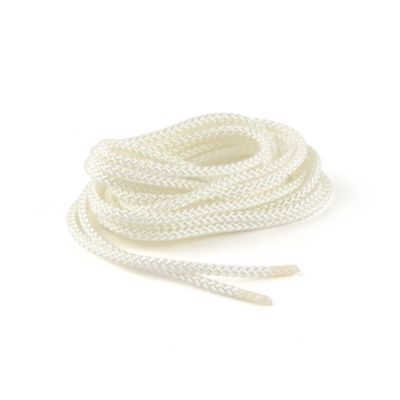
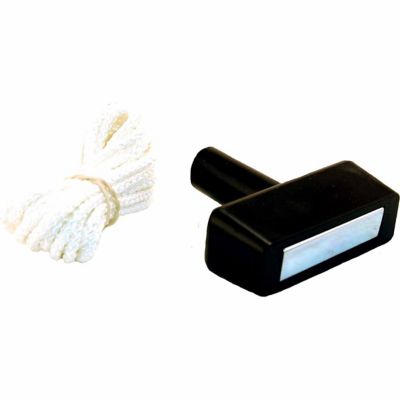
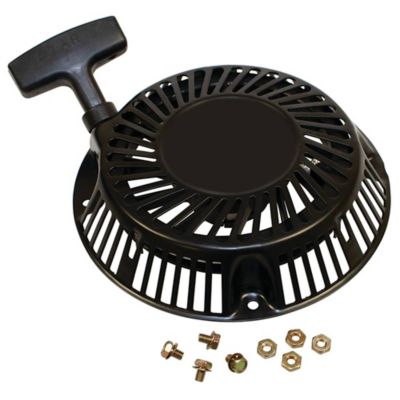
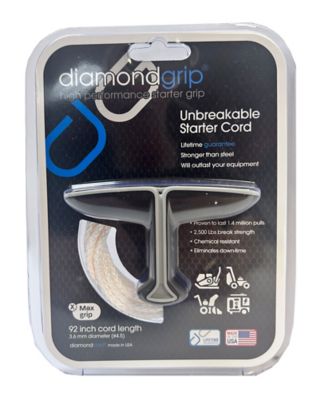
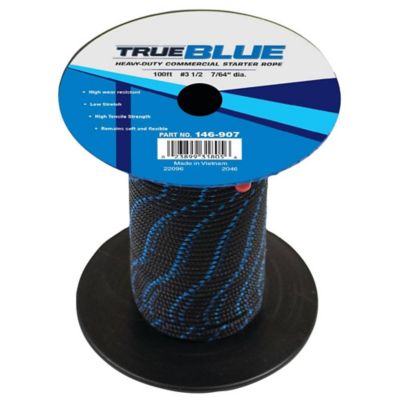
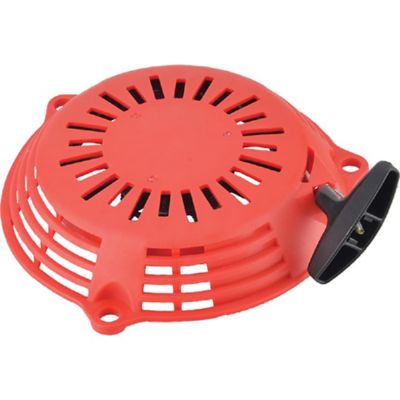
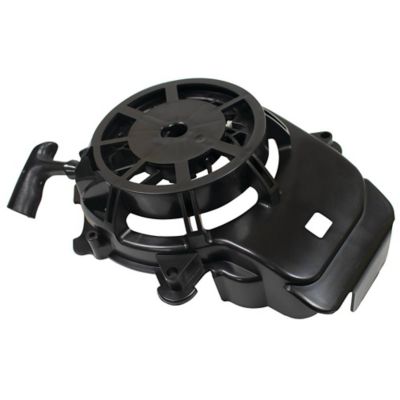
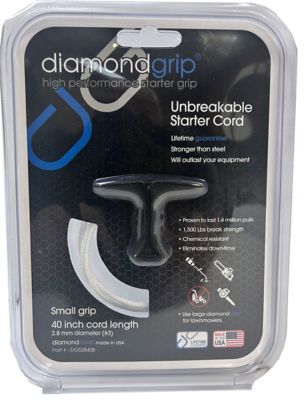
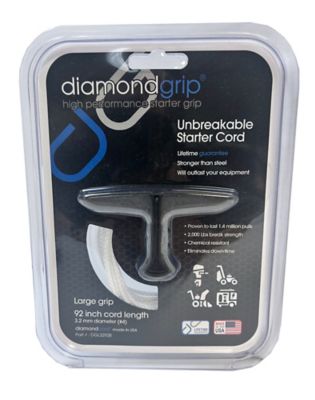
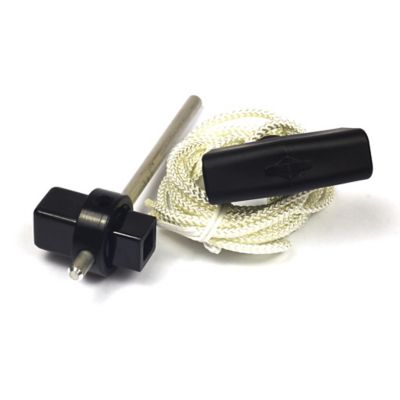
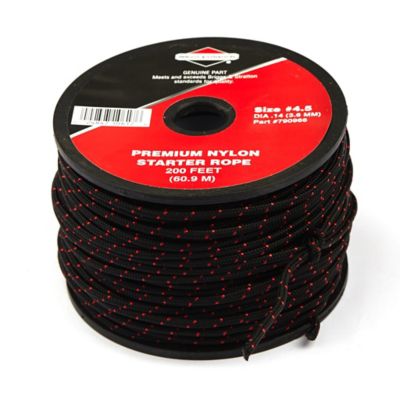
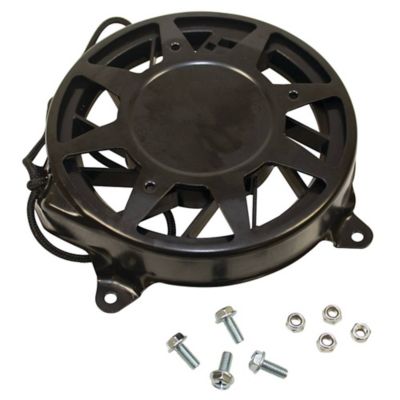
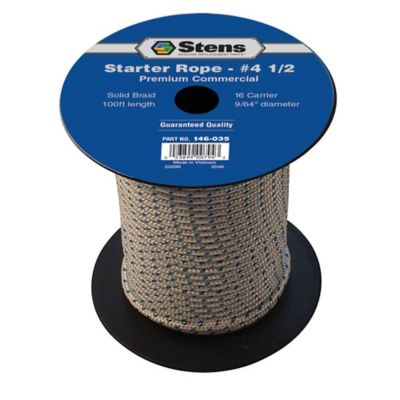
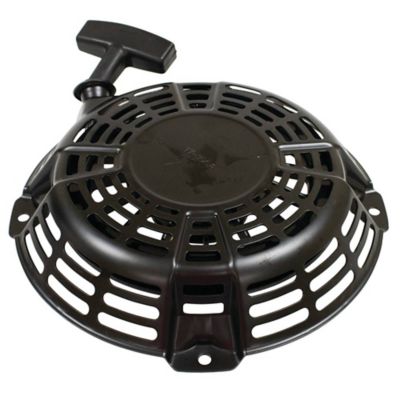
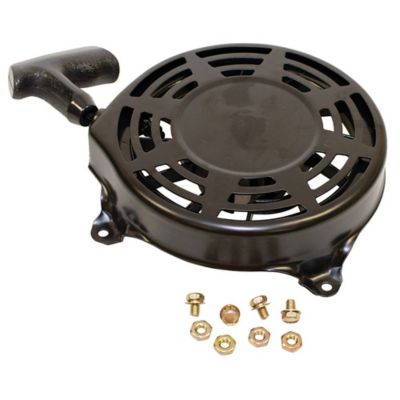
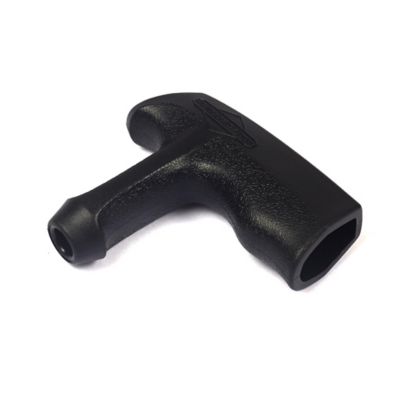
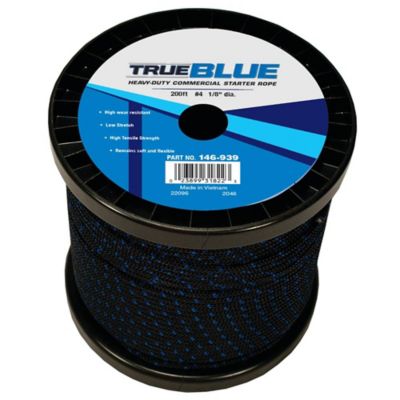
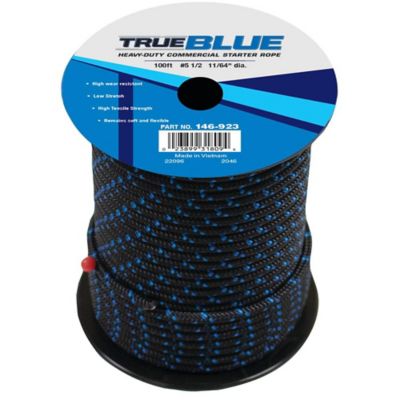
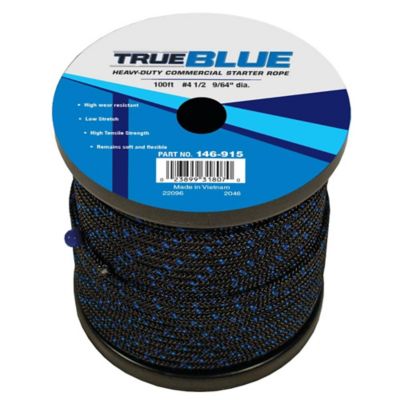
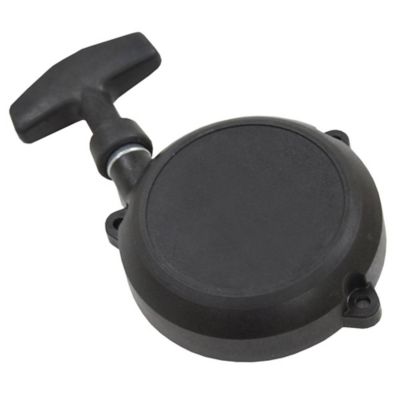
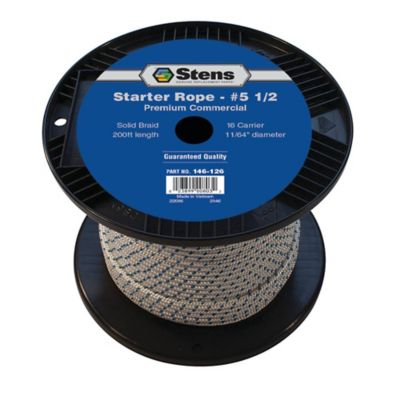
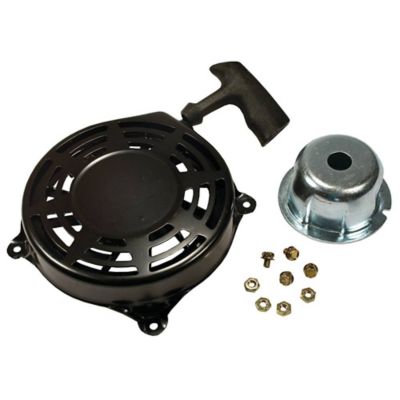
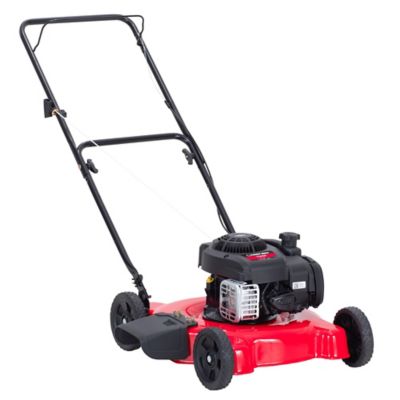
A lawn mower pull cord is a small part that plays a big role in getting a walk-behind mower running. When the rope is worn, frayed, stretched, or broken, even a dependable mower can sit idle beside the shed. Replacement pull cords are made for repairing the recoil starter assembly, helping restore the familiar firm tug that starts the engine. They can be useful for homeowners, rural property owners, groundskeepers, rental-property managers, and anyone who keeps older outdoor power equipment working through many seasons. A spare cord also makes a practical addition to a mower maintenance box, especially for people who would rather handle a straightforward repair at home than haul a mower across town. Before choosing a replacement, check the mower’s owner’s manual and inspect the original cord, starter housing, handle, and recoil spool. Rope diameter matters because a cord that is too thick may not fit through the eyelets or wind neatly around the spool, while one that is too thin may not hold up to repeated pulls. Length matters as well; the cord needs enough reach for a comfortable start without leaving excess rope packed tightly inside the housing. Look for a cord made to handle outdoor use, rubbing, heat, oil residue, and the repeated stress of starting a cold engine. The pull handle should feel comfortable in the hand and have a secure attachment point. If the original handle is still in good shape, it may be reusable, but a cracked or loose handle is a good reason to replace it at the same time. Matching the replacement to the mower’s engine and recoil starter design helps make the repair smoother and can prevent unnecessary wear on the starter mechanism. For a mower that sees regular use around a homestead, acreage, cemetery, rental property, or large yard, keeping the right size replacement cord on hand can save a trip to the parts counter when tall grass is waiting and the weather window is short.
Replacing a lawn mower pull cord involves more than simply tying a new rope to the handle. Start with safety: move the mower onto a level surface, turn off the engine, allow hot parts to cool, and disconnect the spark plug wire so the engine cannot start accidentally while the starter assembly is being handled. Remove the recoil housing according to the mower’s service instructions, keeping track of the bolts, washers, and other small hardware. Clear away any remaining pieces of old cord from the handle, housing, and spool. Inspect the recoil spring and spool before installing a new rope; a pull cord that repeatedly fails may point to a rough pulley, damaged eyelet, weak spring, or starter assembly that needs more attention. The replacement cord is generally measured against the old one or cut to a suitable length for the mower, with enough extra length for tying secure knots. The cut end may be carefully sealed to help limit fraying, but any heat or flame should be handled outdoors and away from fuel, oil, dry grass, and other flammable materials. To restore the recoil action, the inner spool is turned in the proper direction to tension the spring, then aligned with the cord opening. Feed the cord through the housing and spool, tie a firm knot, attach the handle, and allow the rope to wind back slowly rather than letting it snap into place. The cord should pull out smoothly and return without dragging, bunching, or hanging loose. Reinstall the housing and reconnect the spark plug wire only after the work is complete. If the cord is stuck instead of broken, the spring will not tension, the spool will not turn, or the mower’s starter assembly appears damaged, professional service may be the better choice. Pull-start components can store spring tension, and rushing the job can turn a simple repair into a bent housing, pinched finger, or damaged recoil mechanism. Along with a replacement cord, many mower owners keep basic hand tools, gloves, a clean rag, and the equipment manual close by for routine upkeep.
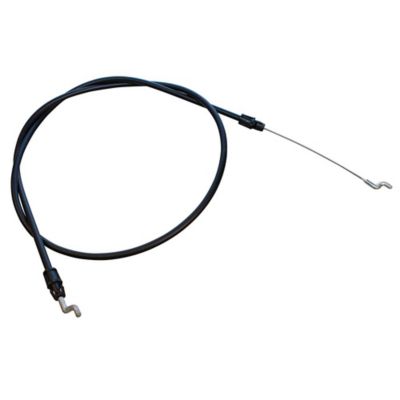
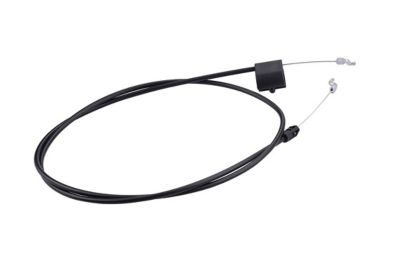
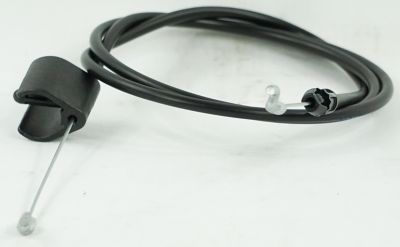
A lawn mower pull cord can be especially handy for people who maintain their own equipment during the growing season and store it carefully through cooler weather. It makes a useful gift for a new homeowner, a neighbor with a large yard, a parent who enjoys working around the property, or anyone building a collection of practical repair supplies. It is also a sensible item for a barn, workshop, rental shed, or service trailer, where a simple spare part can keep a mower from being sidelined when the grass begins growing quickly after rain. During cooler months, many owners inspect and service their mowers before putting them away, and replacing a stiff or weathered cord during that cleanup can make the first start of the next warm season much easier. Check the entire starting system while the mower is being serviced, including the handle, knot, spool, spring, housing, and spark plug connection. A pull cord that feels unusually hard to pull may signal engine resistance or a starter problem rather than a rope issue alone, while a cord that will not retract may indicate a recoil spring or spool concern. Keep fuel and oil away from replacement materials, and store unused cord indoors in a dry place where sunlight, moisture, and rodents cannot weaken it. Mower owners working on equipment with a handle-mounted stopping system may also want to review related replacement parts, including
Lawn Mower Brake Cables, when inspecting controls and safety components. The right pull cord should suit the mower, feel solid in the hand, and stand up to the everyday mix of dust, grass clippings, vibration, and repeated starting. With a careful match and proper installation, this modest repair part can help keep a trusted mower ready for trimming around fence lines, clearing the edges of a driveway, and keeping the yard looking cared for through changing conditions.