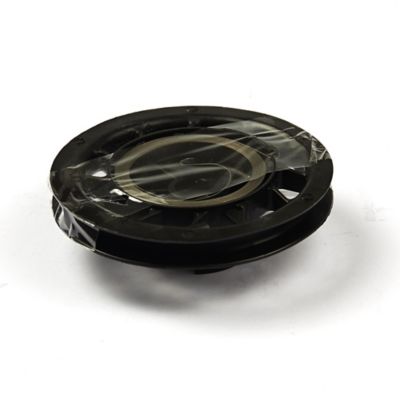
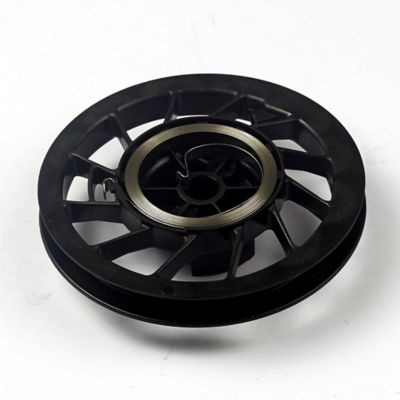
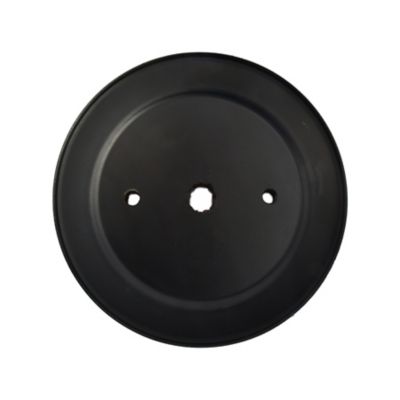
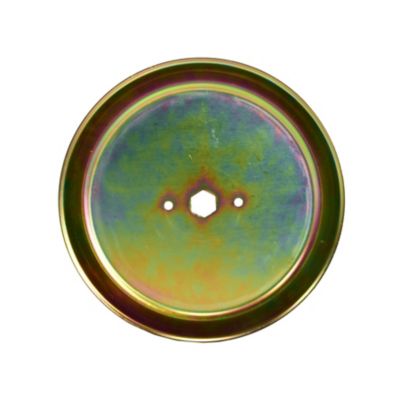
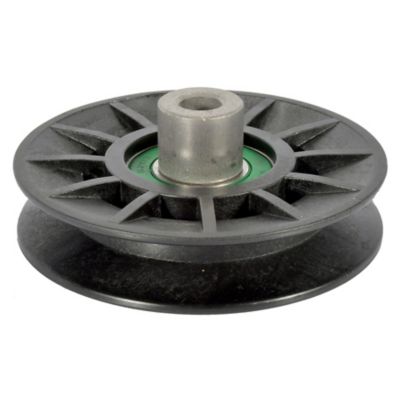
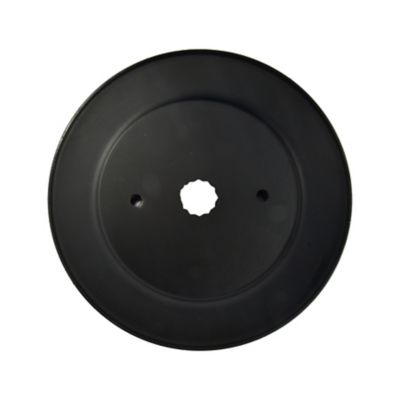
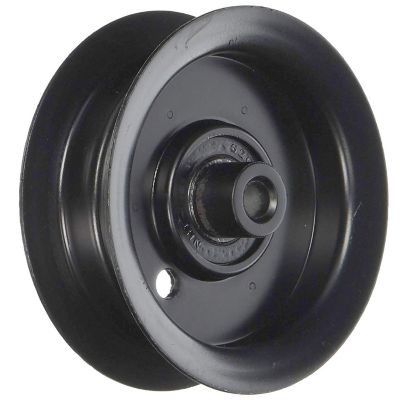
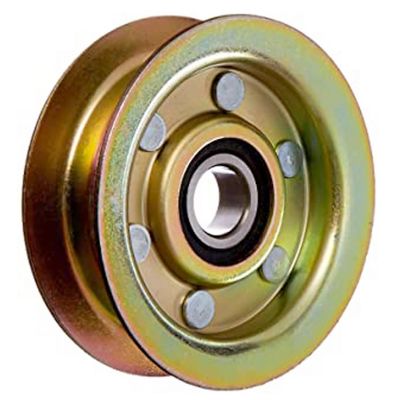
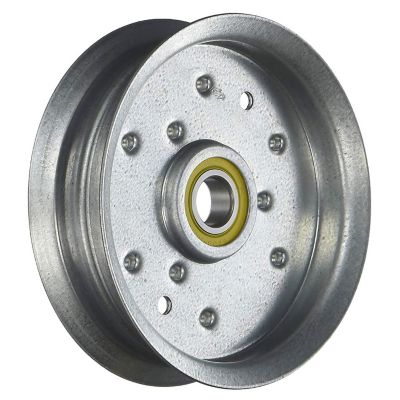
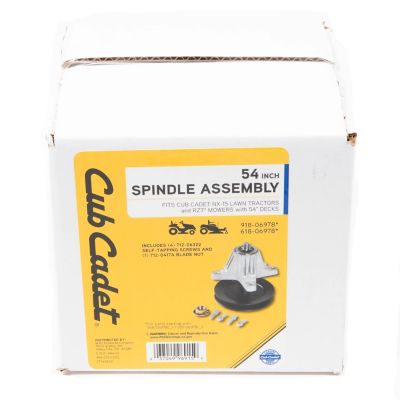
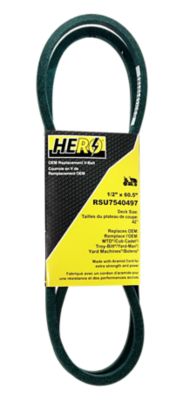
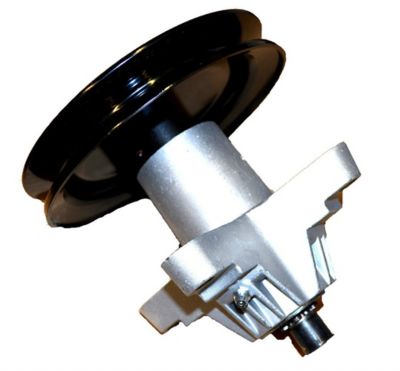
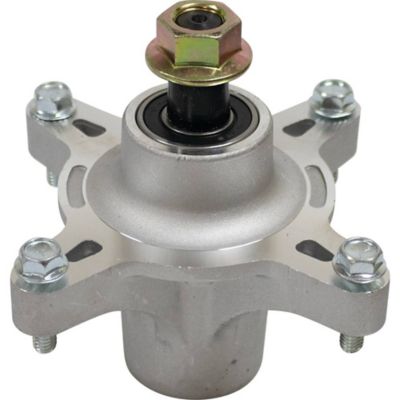
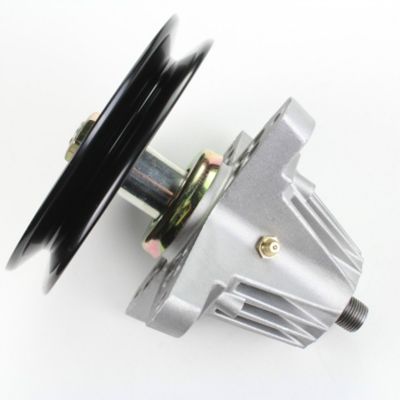
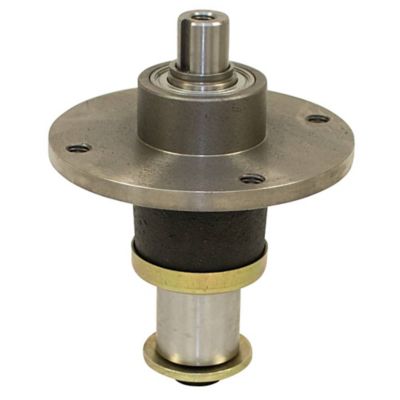
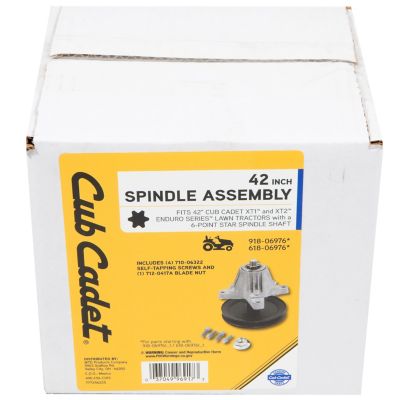
Lawn mower pulleys are small but hardworking parts that help transfer engine power through the belt system and keep a mower’s cutting deck, transmission or other driven components working as intended. A pulley may guide a belt, maintain the right amount of tension or spin a blade spindle, and each job calls for a pulley with the correct shape, size and mounting arrangement. When a pulley is worn, bent or damaged, the belt may slip, jump out of its track or wear unevenly. You may hear squealing, chirping, grinding or rattling from beneath the deck, especially when the blades engage. A mower that leaves strips of tall grass behind or produces an uneven cut can also have a problem with a spindle pulley or another part of the belt path. Lawn mower pulleys are commonly grouped into spindle pulleys, idler pulleys and engine or drive pulleys. Spindle pulleys attach to the blade spindle and transfer power to the cutting blades. Idler pulleys help route the belt and keep it tight without directly driving the blades or transmission. Engine and drive pulleys mount to the engine crankshaft or transmission and move power into the rest of the mower system. Knowing which type is needed is a useful first step when looking through replacement parts, particularly when a mower has more than one pulley beneath the deck. Before choosing a replacement, check the mower’s brand, model and serial information, then compare the original pulley’s outside diameter, width, center bore, groove style, bearing arrangement and mounting hardware. Even a small difference can affect belt alignment and create extra strain on the deck. If the mower uses a blade system that needs a matching cutting component, a related
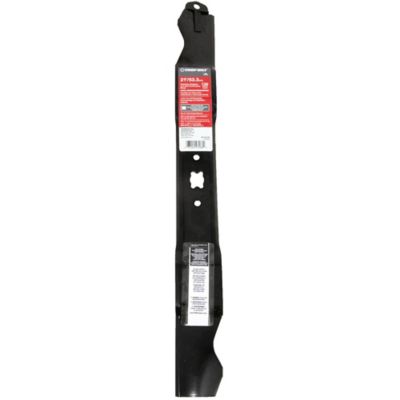
Poulan Lawn Mower Blade may also be part of the repair planning process. Matching the pulley to the mower’s existing belt and spindle assembly helps the whole system run smoothly rather than treating one worn component in isolation.
The right lawn mower pulley depends on the machine and the work it handles. A compact riding mower used on a modest yard may use a different pulley setup than a larger lawn tractor that spends long hours cutting thick growth, sloping ground or several acres. Zero-turn mowers, riding mowers and other powered equipment can have different deck layouts, belt paths and pulley dimensions, so appearance alone is not enough for identification. Take a close look at the old part before ordering, but do not rely on a damaged pulley’s shape if the bearing has failed or the metal has worn down. The owner’s manual, parts diagram and mower identification plate are often the best sources for confirming the correct replacement. It also helps to inspect the belt, spindle shaft, keyway, washers, retaining nut and surrounding guards while the pulley is removed. A new pulley installed on a bent shaft or paired with a cracked belt may not solve the problem for long. Look for sturdy construction suited to outdoor equipment, smooth-running bearings and a finish that can stand up to grass clippings, dust and normal moisture. Pulley grooves should be clean and properly formed, with no sharp edges that could cut into the belt. When a pulley is designed to spin freely, the bearing should turn without rough spots, wobble or excessive side-to-side movement. For idler pulleys, the tensioning arm and spring deserve attention as well, since weak hardware can allow the belt to loosen even when the pulley itself is in good condition. People who maintain acreage, care for a family lawn, manage rental properties or keep shared grounds in shape can all benefit from having the correct mower pulley on hand. It can also be a practical addition to a maintenance shelf for someone who prefers handling routine repairs in the garage instead of waiting for a service appointment during the busy cutting season.
Replacing a lawn mower pulley calls for care, patience and a safe work area. Park the mower on a flat surface, shut off the engine, remove the key and disconnect the spark plug wire before working near the blades or belt. Battery-powered models should be switched off with the battery removed according to the manufacturer’s instructions. Lower or secure the deck as directed, block the machine if needed and wear work gloves when handling sharp deck edges or old hardware. Photographing the belt path before removal can make reassembly easier, especially on a deck with several pulleys and a spring-loaded idler. Compare the replacement part with the original before installing it, checking the bore, groove direction, height and mounting points. The belt should sit fully in the pulley groove without riding on the rim, and the pulley should rotate in line with the other components. Do not force a part that does not fit or substitute hardware that changes the pulley’s spacing. Once installed, turn the system by hand where safe to confirm that the belt tracks properly and does not rub against a guard. After reinstalling all covers and reconnecting the mower, run it briefly at low speed in a clear area, then disengage the system and inspect for belt movement, unusual noise or vibration. During the warmer part of the mowing season, frequent clearing of packed grass and a quick look beneath the deck can help catch pulley wear before it turns into a larger repair. As conditions shift toward cooler weather and mowing slows, cleaning the deck, checking pulley bearings and storing replacement parts in a dry place can leave the mower ready for the next stretch of active growth. With the correct dimensions and a little routine attention, lawn mower pulleys can help maintain steady blade speed, reliable belt tracking and a cleaner, more even cut.