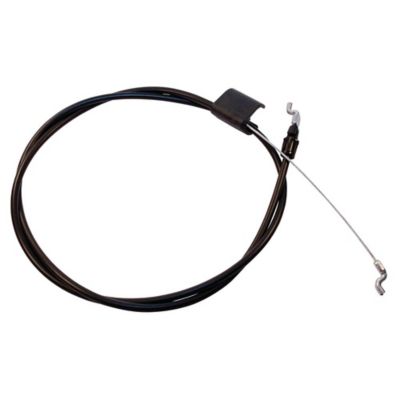
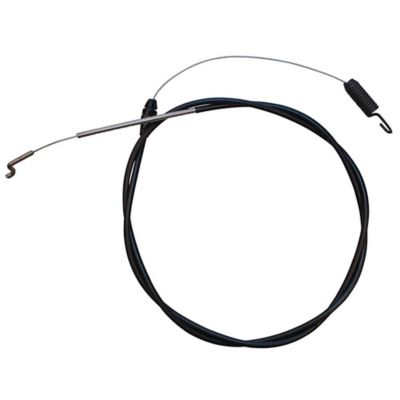
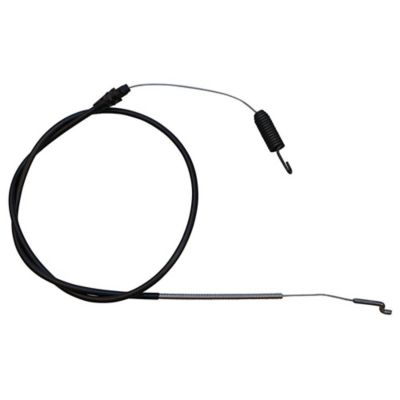
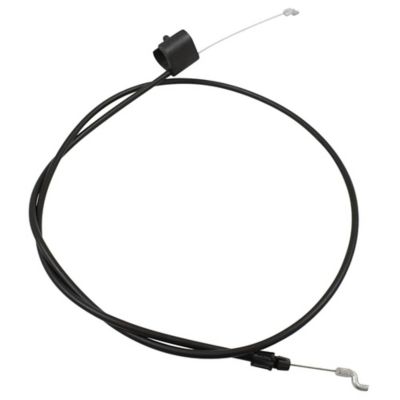
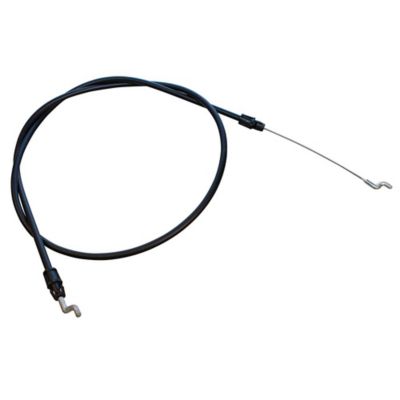
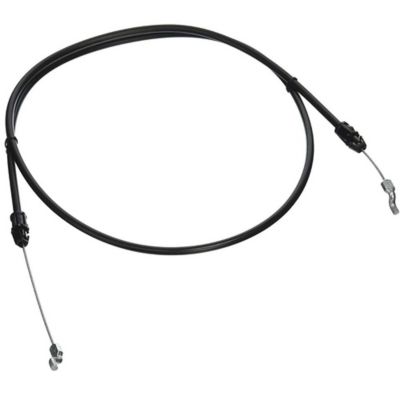
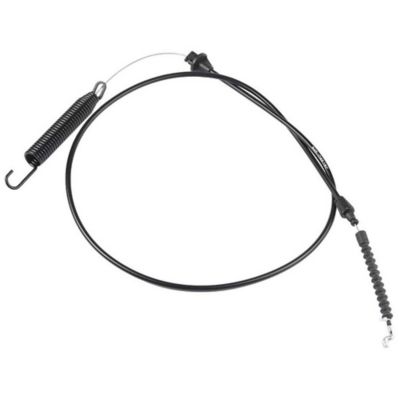
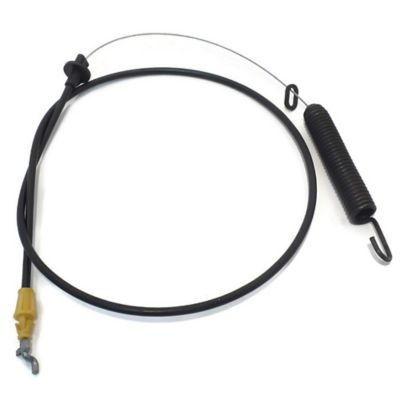
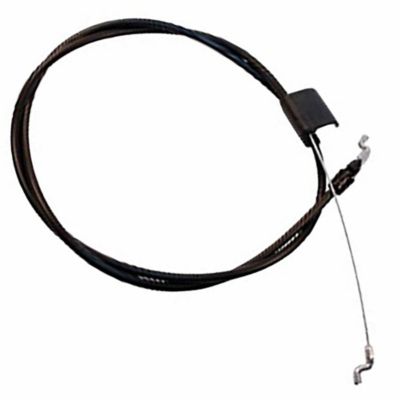
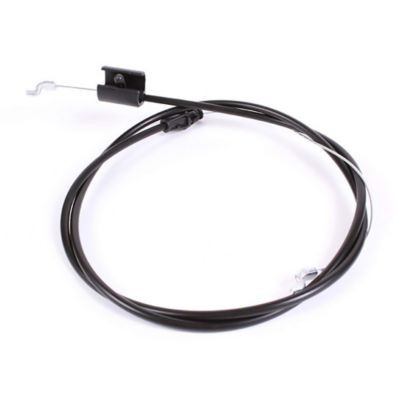
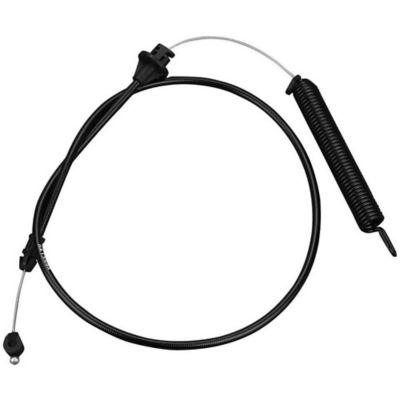
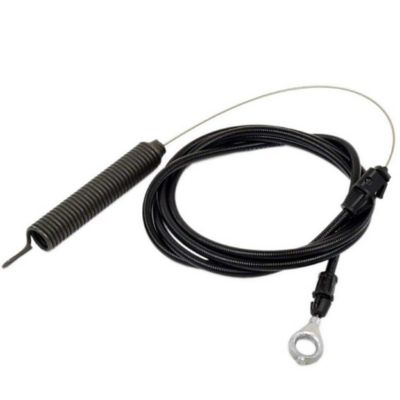
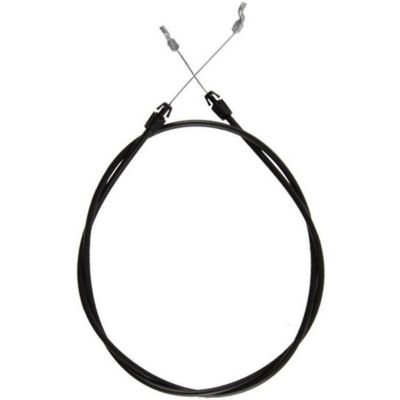
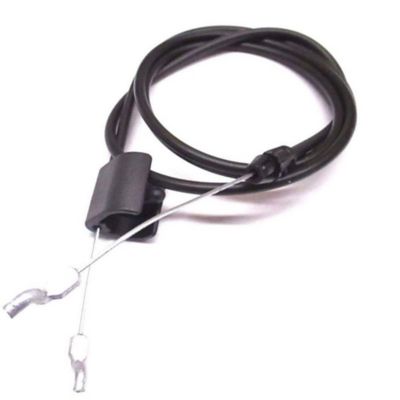
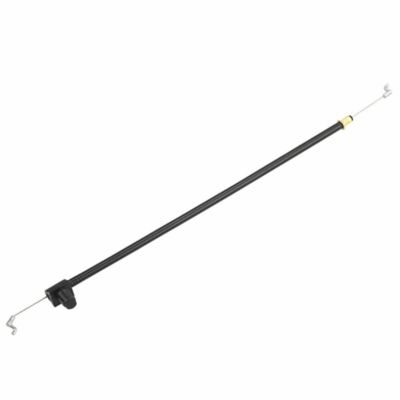
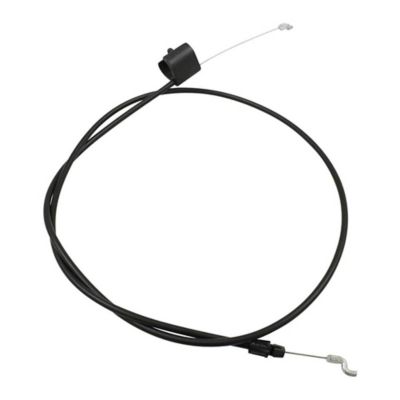
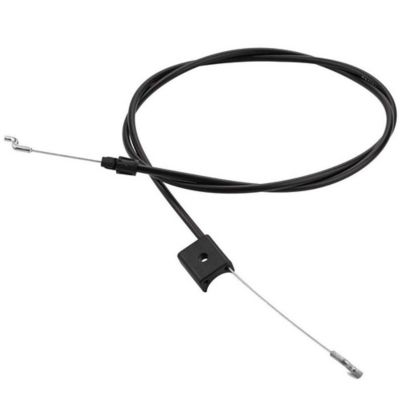
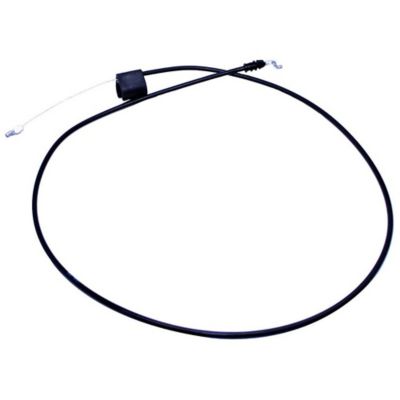
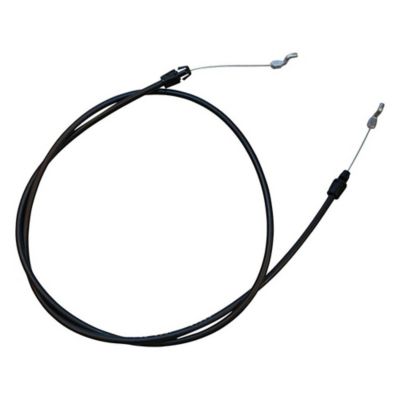
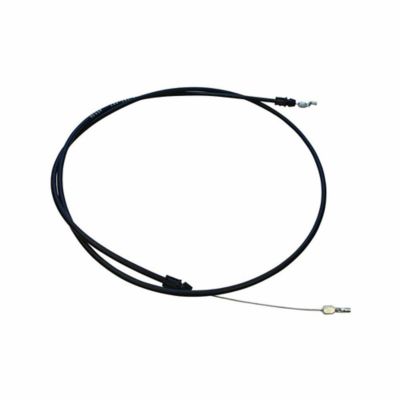
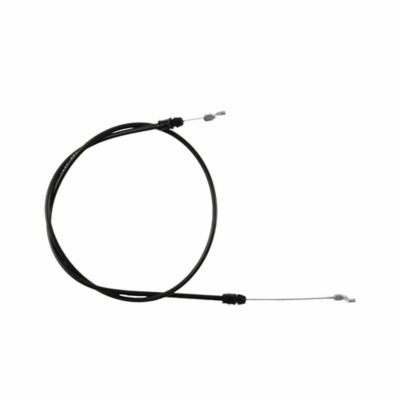
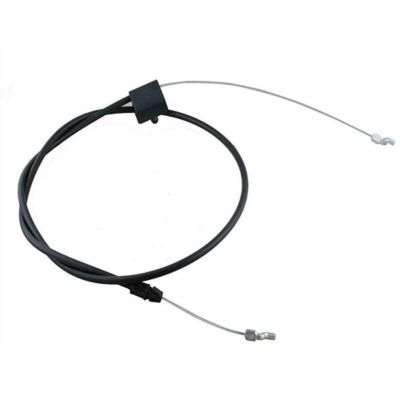
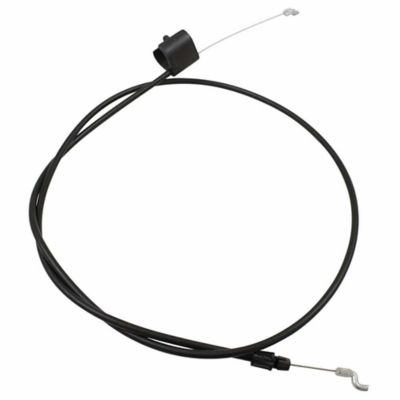
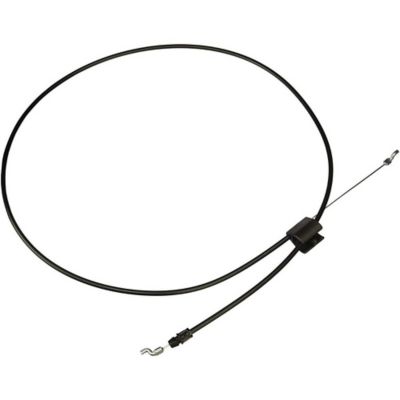
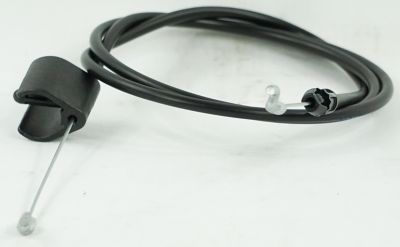
Lawn mower control cables are small parts that play a big role in keeping a walk-behind mower working the way it should. A cable runs from a control on the handle to an engine, brake, transmission or drive control near the mower deck, allowing the operator to stop the blade, control the engine or engage the wheels without reaching down into the machine. Many push mowers use an engine brake or zone control cable connected to the bail handle. When the bail is released, the cable helps stop the engine and blade, an important safety feature when the operator needs to step away, clear a path or pick up a stray branch. Self-propelled mowers may also use a drive or clutch cable that engages the front or rear wheels when the drive lever is squeezed. Some models use throttle or choke cables to adjust engine speed or help with starting. Because cable styles vary from one mower to another, the best replacement starts with a careful match. Check the mower’s make, model and serial information, usually printed on a label near the deck, handle, engine or rear housing. Cable length, housing length, end fittings, bends, mounting brackets and the shape of the wire end all matter. A cable that looks close in a package may still be too short to reach the control arm, too long to move smoothly or fitted with the wrong Z-bend, spring or connector. Comparing the old cable with the replacement listing can help confirm the fit before the mower is taken apart. It also pays to inspect the cable’s route from the upper handle to the lower control. A sharp bend, crushed housing, rusted wire, loose bracket or worn cable tie can cause symptoms that look like a bad cable, including a mower that will not stop, will not engage the drive or has a lever that feels stiff. Replacing worn mounting hardware or freshening the cable’s routing at the same time can help the new part move freely and stay clear of the blade, belt and hot engine surfaces.
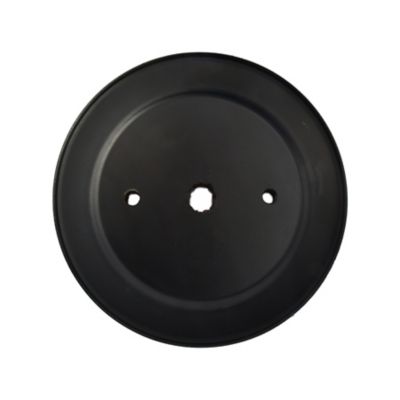
A lawn mower control cable can be a handy replacement to keep on the shelf for the busy stretch of cutting and cleanup, especially when an older mower has already seen years of tall grass, dusty lots and damp morning starts. Cables may stretch, fray, kink or corrode over time, and the outer housing can crack after repeated exposure to sun, moisture and engine heat. A loose or slow-moving control is worth addressing before the mower is put back to work. Before replacing a cable, shut off the mower, allow the engine and muffler to cool, remove the ignition key if equipped and disconnect the spark plug wire so the engine cannot start accidentally. On battery-powered equipment, remove the battery according to the mower manufacturer’s instructions. The typical replacement process involves releasing the upper Z-bend wire end from the handle lever, cutting or removing the ties that hold the housing in place, unclipping the lower plastic bracket or retainer and disconnecting the lower spring or connector from the engine, brake or drive control arm. The new cable is then routed along the same path, with the ends attached and the housing secured so it does not rub against moving parts. Fresh zip ties can help keep the cable neatly in place, but the line should not be pulled tight or forced into a sharp turn. Once installed, move the handle control several times with the spark plug wire still disconnected and check that the cable slides smoothly, the spring returns properly and the control arm reaches its full travel. After reconnecting the wire, test the mower in an open area and confirm that releasing the bail stops the blade and that the drive disengages as intended. If the cable remains tight, the engine does not stop, or the drive stays engaged, stop using the mower and have the setup checked. For equipment with a deck belt, idler or tensioning system, related maintenance parts may be needed as well; shoppers comparing repair components may also find
Lawn Mower Pulleys useful when inspecting how the mower transfers power.
These replacement cables are useful for homeowners who handle their own yard work, rural property owners mowing around barns and fence lines, landlords maintaining rental homes, and anyone who keeps an older mower running instead of replacing the whole machine. They can also make a practical gift for a parent, neighbor or handy friend who is known for repairing equipment in the garage. A control cable takes up little storage space and may be just the part needed when a mower is otherwise in good shape but suddenly loses drive control or will not hold the blade-stop function. During the cooler months, many people service equipment after the last heavy cutting, clear grass from beneath the deck and store spare repair parts with oil, air filters, spark plugs and other mower supplies. Keeping the correct cable on hand can make spring startup less of a scramble when the grass begins growing again. Even when a mower is used for light trimming around outbuildings or a small homestead, reliable controls help the operator work with more confidence around pets, children, trees, gravel and uneven ground. When shopping, pay close attention to whether the cable is intended for engine brake, zone control, self-propel drive, clutch, throttle or choke use, since these functions are not interchangeable. Measure the existing cable if its specifications are unclear, including the total length, exposed inner wire, outer housing and distance between mounting points. Examine the ends closely for a loop, hook, Z-bend, barrel, spring or threaded adjustment section, and compare the bracket style and routing clips. Some mower controls include an adjuster that allows a small amount of tension to be set after installation, while others depend on a fixed-length cable and exact routing. A properly matched cable should let the handle move naturally, return to its safe position and operate the connected control without binding. Whether it is being purchased for a planned repair, seasonal maintenance or a neighbor’s well-used mower, the right lawn mower control cable is a straightforward way to support dependable equipment and keep ordinary yard work moving along.