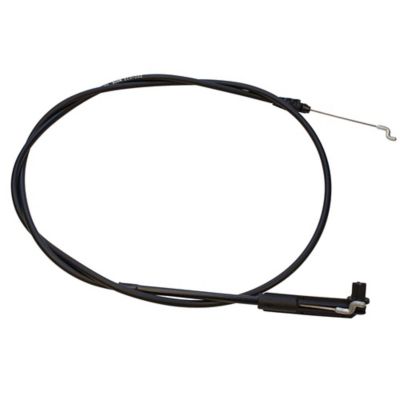
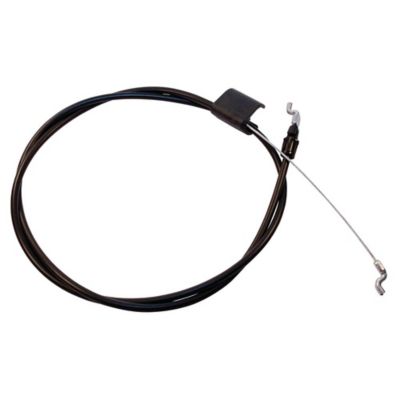
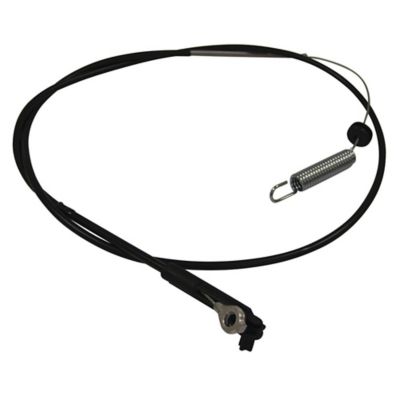
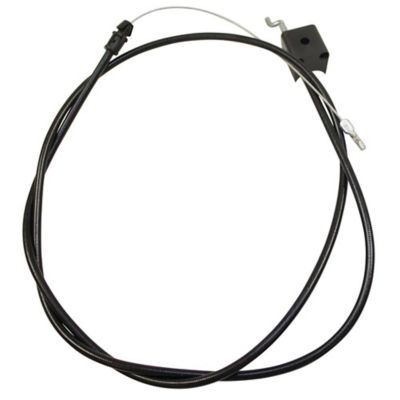
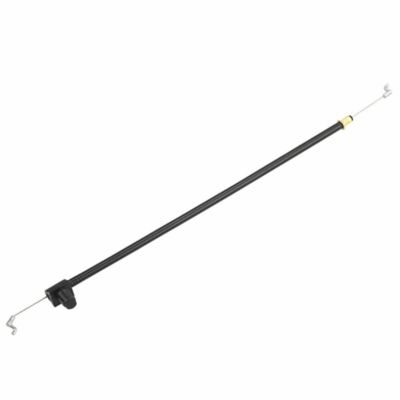
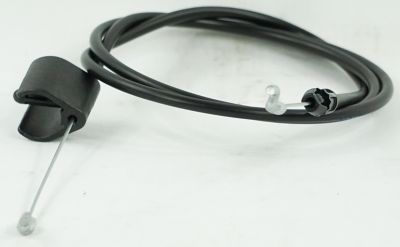
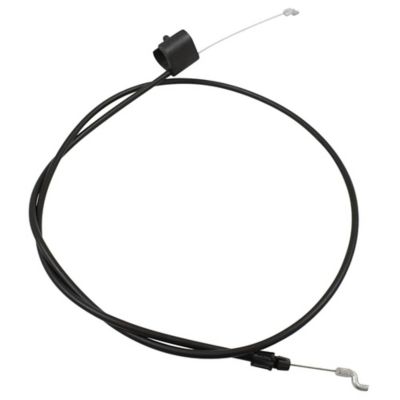
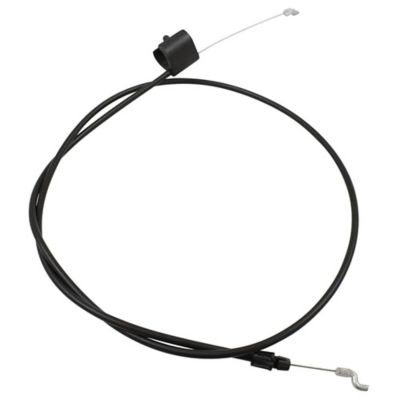
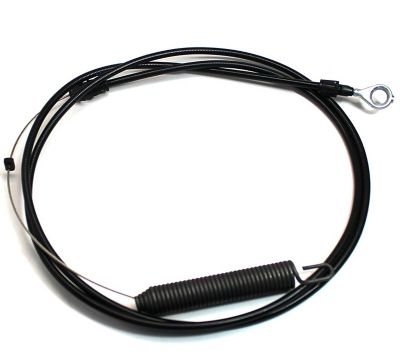
Lawn mower brake cables connect a mower’s hand control to the brake mechanism, helping the machine respond when the operator lets go of the handle. On many walk-behind mowers, the engine brake cable runs from the operator-presence bar, often called the bail, to the engine’s brake and shutoff assembly. Holding that bar against the handle releases the brake and allows the engine to run; releasing it lets the assembly apply the brake and shut off the ignition. On a mower with a blade attached directly to the crankshaft, stopping the engine also stops the blade. That makes this small cable an important part of the mower’s safety system, not just another handle attachment. Some mowers have separate blade-brake clutch controls that stop the blade while leaving the engine running, and those cables serve a different arrangement. Riding mower brake cables can operate other braking mechanisms altogether. Although names such as engine stop cable, zone control cable and bail cable may appear in parts descriptions, similar wording does not guarantee the same application. The mower’s parts diagram is the better reference for identifying the cable that belongs on the machine. For homeowners keeping the grass tidy around a fence line, folks maintaining a larger homeplace or grounds crews tending several properties, the right replacement helps restore the intended connection between hand pressure and brake operation. A cable that has become stiff, frayed, disconnected or broken can interfere with that connection. A loose-feeling control bar or a bar that will not return normally can also point to trouble elsewhere in the assembly, including its spring, brackets or brake components. Replacement lawn mower brake cables address cable wear or damage, but they cannot correct every control problem. Knowing which mechanism the cable operates helps narrow the selection without mistaking a throttle cable, wheel-drive cable or blade-engagement cable for an engine brake cable.
Fit comes down to more than finding a lawn mower brake cable that looks about the same length as the original. The mower’s full model number, serial range when applicable and specified replacement part number provide a stronger starting point than deck width or engine size alone. Two walk-behind mowers with similar handles can have different mounting points, control travel and cable ends. Overall cable length and outer housing length are separate measurements, and both affect how the assembly reaches from the handle to its lower connection. The amount of inner wire extending beyond the housing matters, too: a housing that fits the route does not necessarily leave the right amount of movement at the brake lever. Depending on the design, the ends may have Z-shaped bends, hooks, barrels or other fittings that match particular holes and slots. Housing anchors may snap into a bracket, seat in a molded holder or attach through an adjustment fitting. Those details determine whether the cable stays seated as the bail moves. A close-looking substitute can leave too much slack, hold a mechanism partly engaged or prevent the control from returning as intended. Handle height settings and folding joints also influence the cable’s path, especially on a mower that gets folded down between jobs or hauled to another property. Enough length for the specified routing allows the handle to move without pulling on the anchors, while extra length is not automatically helpful if it creates a loop that can snag or rub against moving parts. Matching the original attachment style and the manufacturer’s specified dimensions is more useful than treating a longer cable as a universal solution. Product descriptions that identify the application, connection types, housing measurements and included mounting hardware make comparisons easier. Where an adjustable fitting is part of the design, its purpose is to establish the specified setting, not to make an otherwise incompatible cable fit. The best match follows the mower’s original control arrangement from one end to the other.
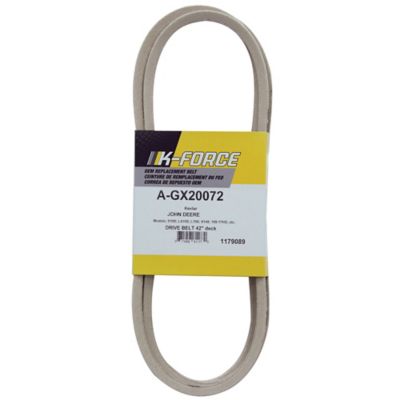
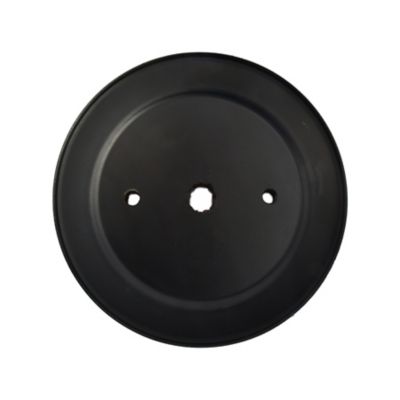
Most lawn mower brake cable assemblies pair a flexible steel inner wire with an outer housing that supports its movement along the handle and engine area. Depending on construction, that housing may include reinforcing layers, a liner and a protective outer covering. The inner wire carries the pulling force, while the anchored housing provides the support needed for that force to move the mechanism rather than simply shift the whole cable. Smooth bends, sound anchor points and intact end fittings all matter to service life. Tight kinks, crushed sections, split coverings and rust at exposed wire ends can increase resistance or weaken the assembly. Grass clippings and grit around the lower bracket can also make it harder to spot damage during routine checks. For a mower that travels over uneven ground or works around sheds, trees and garden edges, keeping the cable in its designated clips helps limit snagging and repeated rubbing against the frame. Care should follow the mower manufacturer’s directions, including whether the particular cable calls for lubrication; some lined assemblies have different requirements from exposed mechanical linkages. Storage with the handle folded should not pinch the housing at a hinge or stretch an end fitting. These details matter whether the mower cuts a small patch beside the porch or spends hours covering open yard space. Other mower components have their own roles: belts and
Lawn Mower Pulleys transfer motion in many drive and deck systems, while a brake cable transmits a control input to its designated mechanism. Replacing one does not take the place of checking the other parts involved in a stopping problem. Any mower that fails to shut down or stop its blade as specified should stay out of service until the fault is resolved. Repairs need to preserve the operator-presence function rather than tie it back or bypass it. A correctly matched cable, secure mounting points and a freely returning control work together to support the stopping action the mower was built to provide.