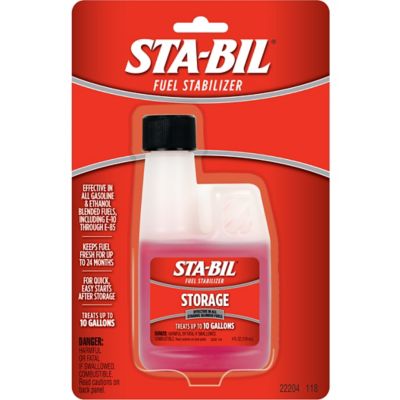
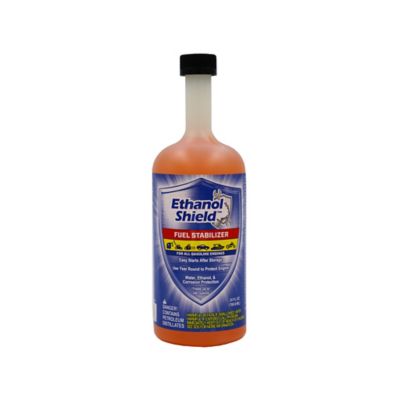
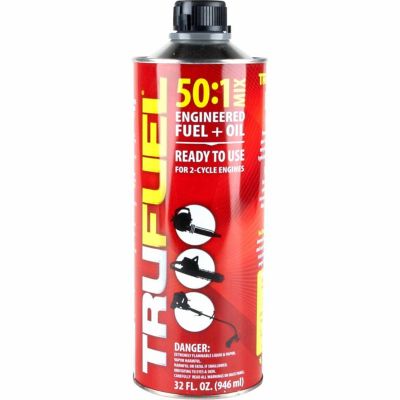
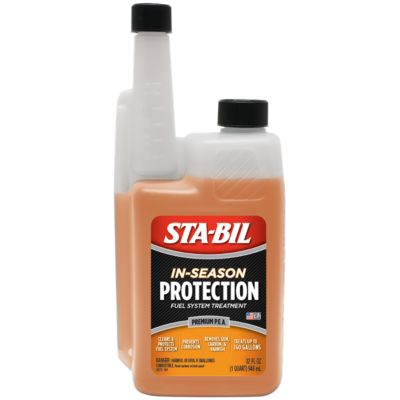
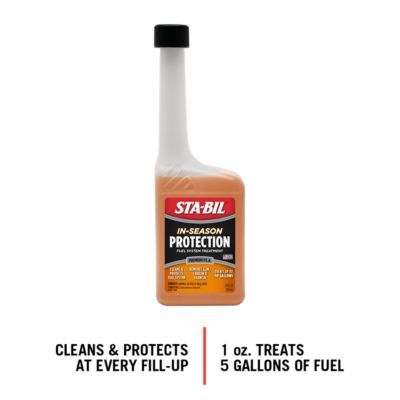
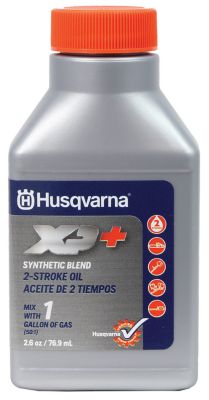
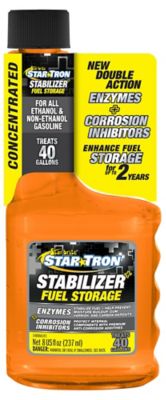
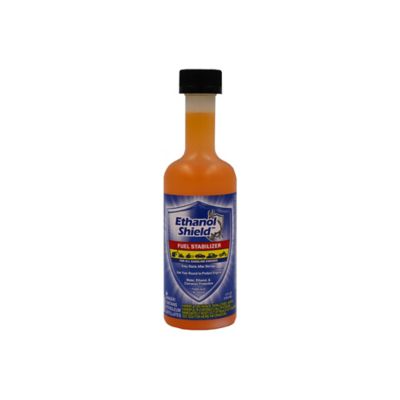
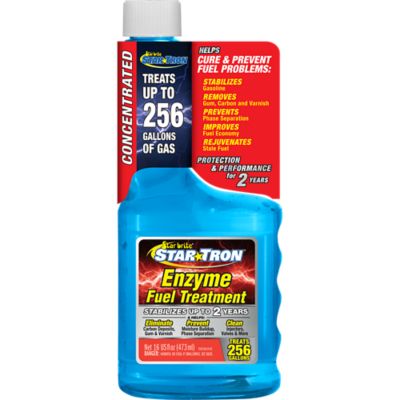
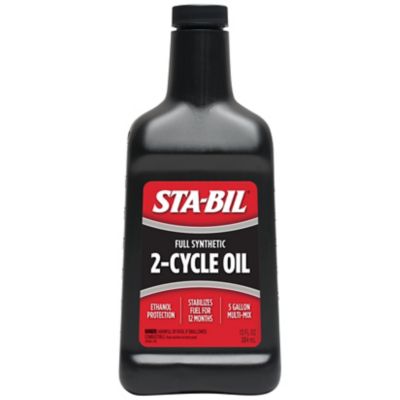
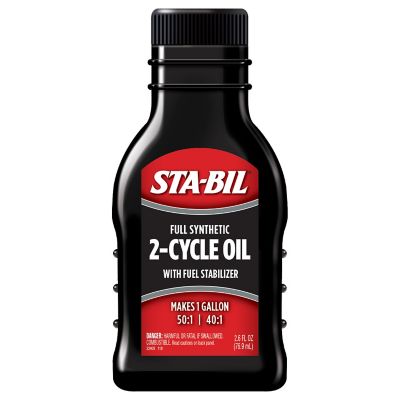
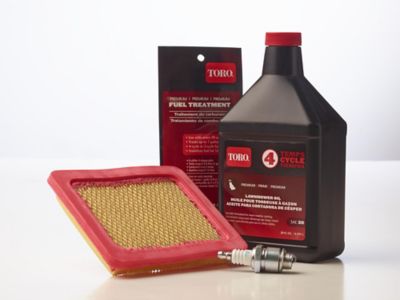
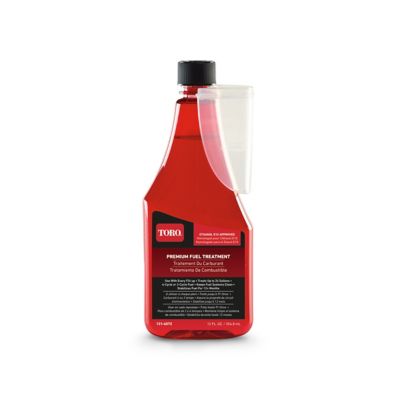
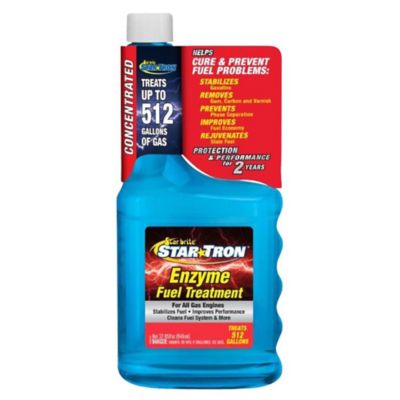
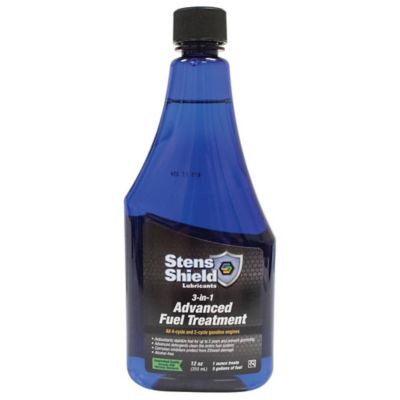
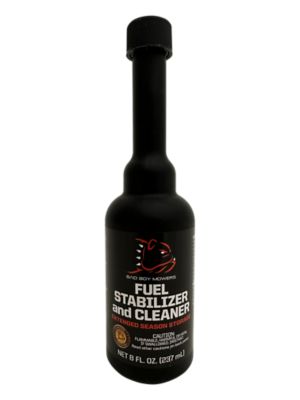
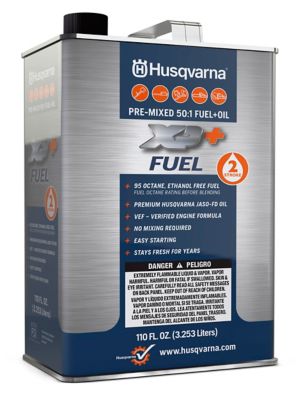
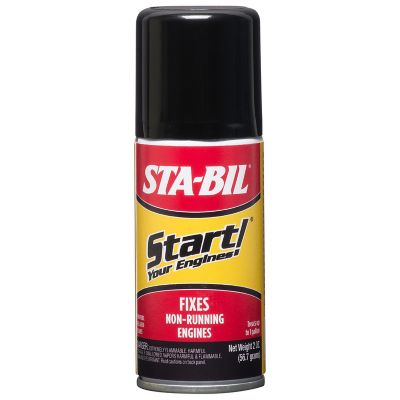
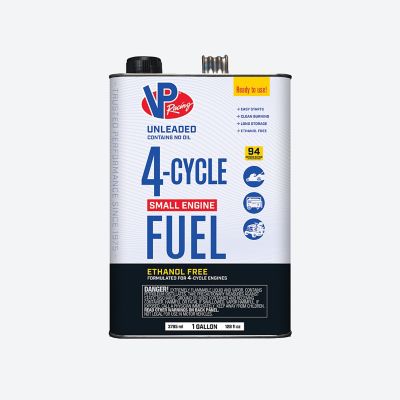
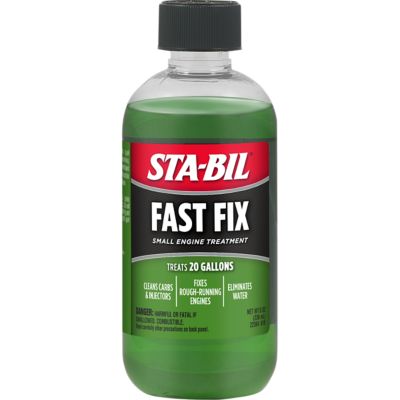
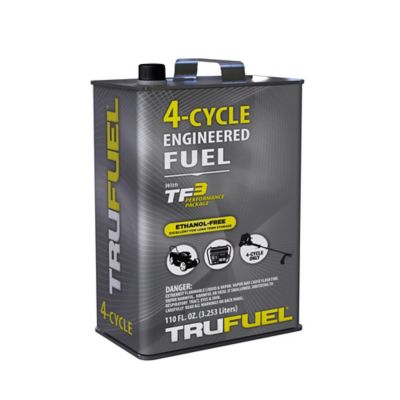
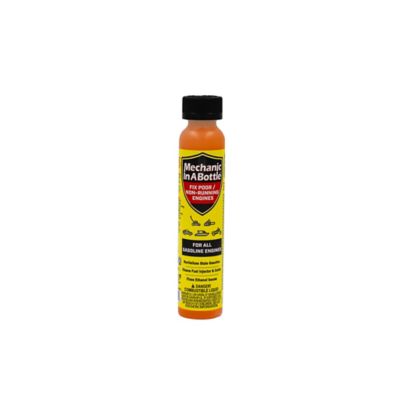
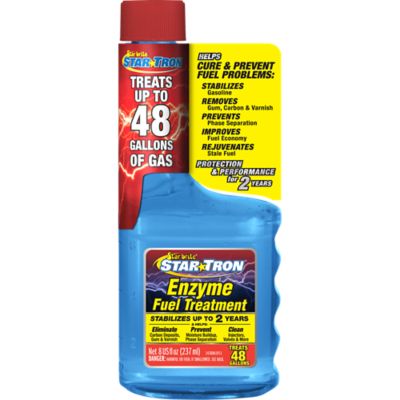
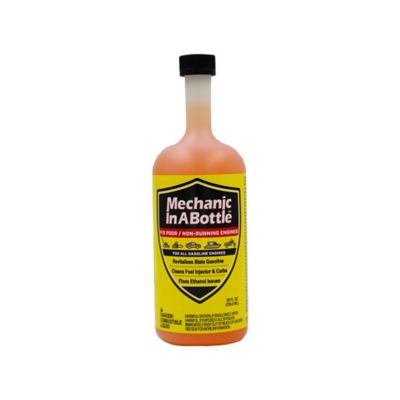
Lawn mower fuel stabilizer helps keep gasoline in better shape when a mower, riding mower, string trimmer, or other small-engine tool sits between uses. Fresh fuel does not stay fresh forever, especially when it is exposed to air, heat, and moisture. Over time, gasoline can oxidize and leave behind sticky gum or varnish that may affect the carburetor, fuel lines, filter, and other parts of the fuel system. Fuel containing ethanol can also attract moisture from the air, which may contribute to corrosion, hard starting, rough running, or a clogged carburetor. A fuel stabilizer is made to slow that breakdown and help treated gas remain usable for longer storage periods. That makes it handy for homeowners who mow a small yard, landowners who keep several machines on hand, and anyone who depends on outdoor power equipment to start after sitting through cooler weather. It can also be a thoughtful, practical gift for a new homeowner, a neighbor who keeps a tidy property, or a family member who takes pride in maintaining a lawn and equipment shed. These treatments are available in different formulas and container sizes, so shoppers can choose based on the type of fuel they use, the amount of gasoline they keep on hand, and how often their equipment runs. Some are intended for regular use during the mowing season, while others are especially useful before storing equipment for an extended stretch. Always check the product label for the approved fuel types, treatment ratio, and storage claims. A bottle that treats a small portable gas can may be a better fit for occasional residential mowing, while a larger container can make sense for a farm, acreage, landscaping business, or property with several gas-powered machines.
When adding lawn mower fuel stabilizer, begin with the fuel quantity in the mower or gas can so the treatment can be measured correctly. Dosage varies by formula, but many common treatments use about 1 ounce for every 2.5 gallons of gasoline; the directions on the container should take priority. The stabilizer may be poured into the fuel can before filling, or added directly to the mower’s tank, depending on the label instructions. Mixing it with the fuel can help distribute the treatment, and running the engine for roughly 5 to 10 minutes allows treated gasoline to move through the fuel line and reach the carburetor. For a walk-behind mower, this may be as simple as adding the measured treatment, starting the engine outdoors, and letting it run at normal operating speed. Larger equipment may need a little more attention, particularly if fuel remains in separate tanks, filters, or lines. Use only approved gasoline and never mix fuel treatments together unless the manufacturer says they are compatible. Work in a well-ventilated outdoor area away from flames, sparks, cigarettes, and hot engine parts, and store fuel and stabilizer in their original, clearly marked containers. It is also worth checking the owner’s manual before preparing a mower for storage. Some equipment manufacturers recommend treating the fuel and running the engine, while others may call for draining the tank or following additional steps. A stabilizer can reduce the need to empty a tank, but it does not turn old or contaminated gasoline into fresh fuel. Gas that already smells sour, looks cloudy, contains water, or has been sitting for a long time may need to be handled according to local disposal guidance instead of being treated and reused. Choosing the right
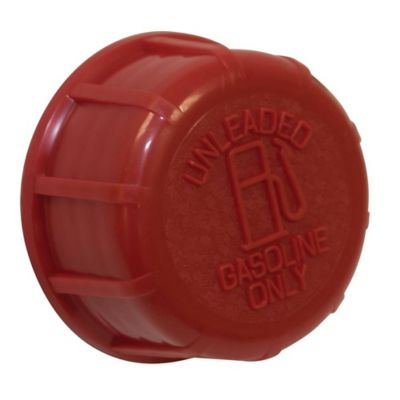
Lawn Mower Fuel Caps can also help keep dirt and moisture out of the tank when a mower is stored or used around dusty drives, gravel paths, and open fields.
The best time to use fuel stabilizer is tied to the way your equipment is used, not a particular date on the calendar. During the warmer part of the year, it can help protect fuel in a backup mower that is only used occasionally, a generator kept ready for emergencies, or a riding mower that spends several days parked between jobs. As the weather cools and mowing becomes less frequent, many property owners add stabilizer before putting equipment away so the fuel system has treated gasoline throughout the storage period. Before storage, clear grass clippings from the deck and cooling areas, check the oil and air filter, inspect the spark plug and fuel lines, and follow the mower maker’s recommendations for battery care and storage. Keeping the machine in a dry, covered space is helpful as well; a stabilizer protects the fuel, but it cannot prevent every storage-related problem. In areas with high humidity, frequent temperature swings, or long stretches of damp weather, paying attention to the condition of the gas can and fuel tank is especially important. Buy only the amount of gasoline that can be used within a reasonable period, keep the container tightly closed, and mark it with the date it was filled if several cans are kept in the shed. Some treatments claim to preserve fuel for up to 24 months when used as directed, but the actual storage life depends on the fuel, container, temperature, and cleanliness of the system. A little planning can spare you from pulling the starter rope again and again on a chilly morning, only to find that the mower coughs once and quits. With the right treatment, proper measuring, and sound storage habits, lawn mower fuel stabilizer can be a simple part of caring for equipment that earns its keep from backyard grass to a long gravel lane.