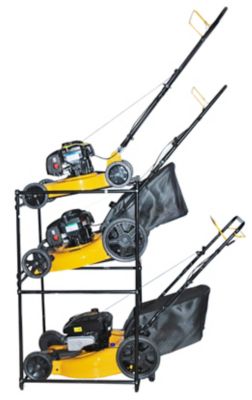
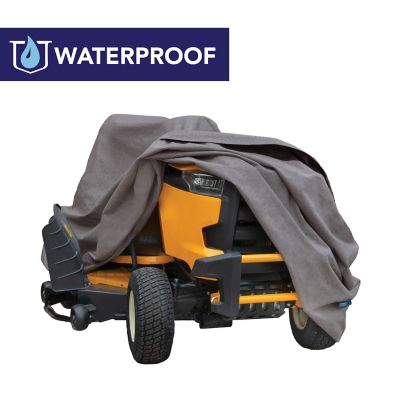
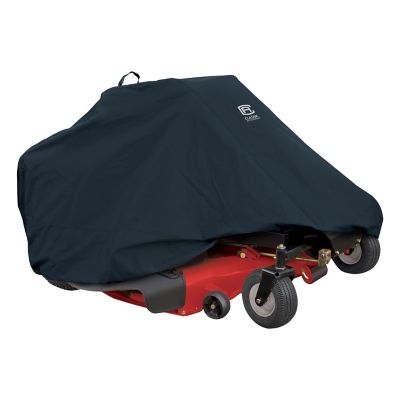
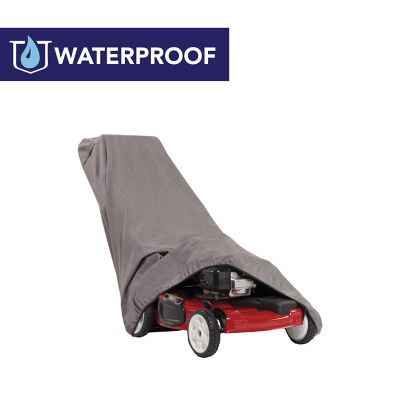
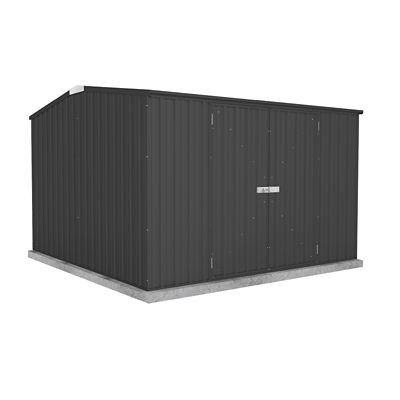
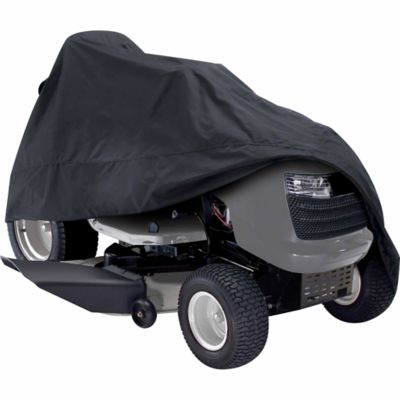
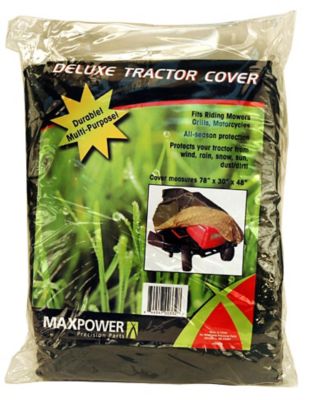
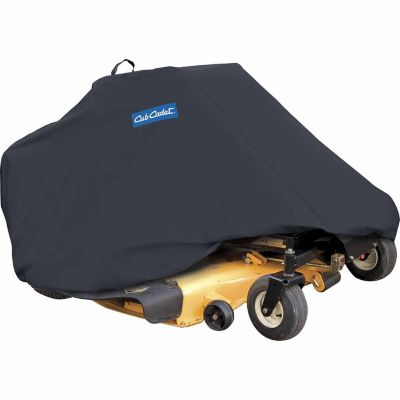
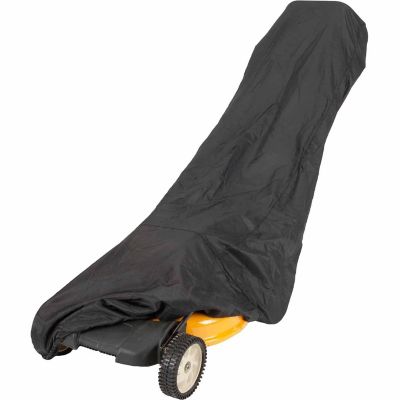
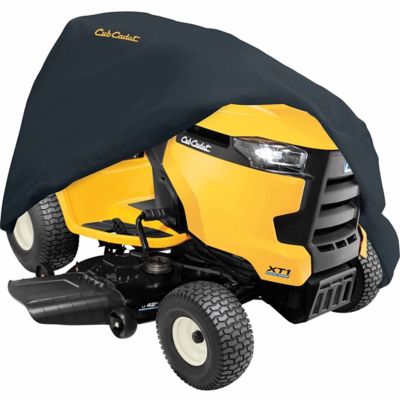
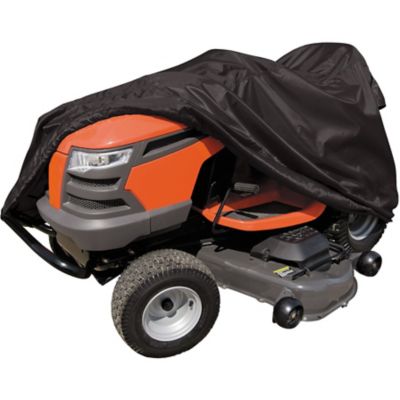
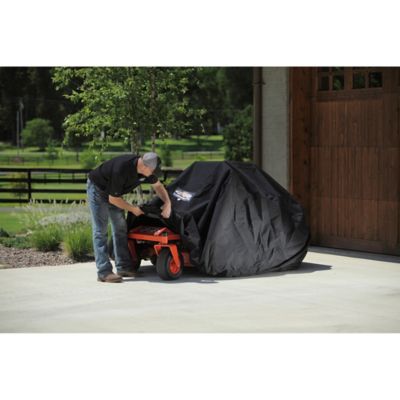
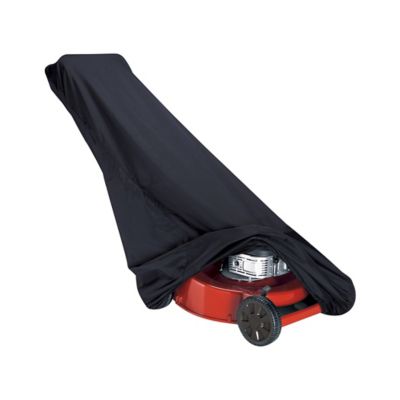
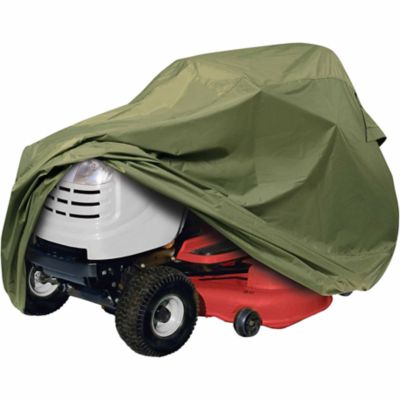
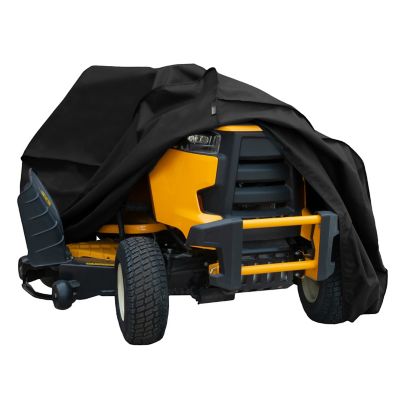
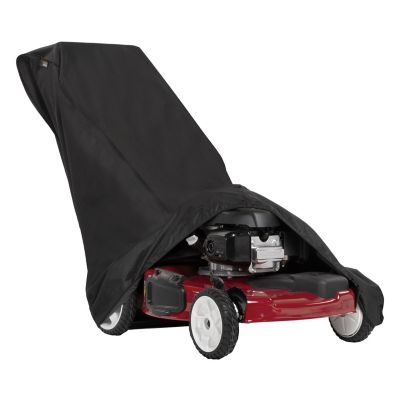
When the grass slows down and the ground begins to stay damp, a lawn mower needs a safe place to wait out the cooler months. Winter lawn mower storage products help organize that end-of-season work, whether the machine is a push mower, riding mower, electric mower, or cordless model. A cover can help keep dust, moisture, and falling debris off the mower when it sits in a shed, garage, barn, or covered work area. Storage hooks, racks, and other space-saving options can keep handles, cords, chargers, and related equipment from getting buried behind feed bags, tools, or seasonal supplies. Choose a cover that fits the mower’s shape and size, with enough room to settle over the machine without pulling tightly across controls or sharp edges. A breathable material can help reduce trapped moisture, while a secure hem or fastening system helps keep the cover in place when wind moves through an open-sided shed. Before covering the mower, let the engine cool fully and brush away loose clippings, leaves, and soil. A clean, dry surface gives stored equipment a better start when mowing season returns and makes it easier to spot worn belts, loose hardware, damaged cables, or other service needs.
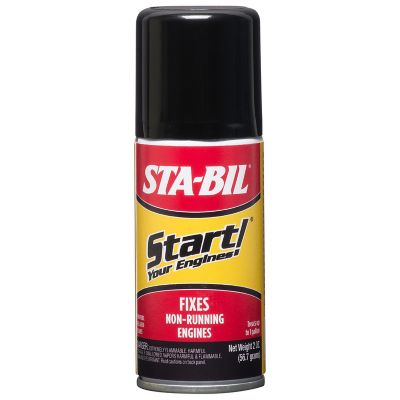
Fuel preparation is an important part of storing a gas-powered mower. Old fuel can become stale during a long stretch of sitting, and deposits may form in the tank, fuel line, or carburetor. One common approach is to add a fuel stabilizer to fresh gasoline, fill the tank according to the mower maker’s instructions, and run the engine for a few minutes so the treated fuel moves through the system. Learn more with
Lawn Mower Fuel Stabilizer. Another option may be draining the tank and running the engine until the fuel system is empty, though the correct method depends on the mower and its engine. Always follow the owner’s manual, work outdoors or in a well-ventilated area, and keep gasoline away from flames, heaters, pilot lights, and sparks. As part of seasonal care, many owners change the oil while the engine is warm, then refill it with the specified type and amount. It is also worth checking the air filter, spark plug, blade, and drive components before storage. Disconnect the spark plug wire before cleaning beneath a gas mower, and never place hands near the blade unless the machine is fully shut down and made safe according to the manual. For battery-powered mowers, remove the battery when the manufacturer calls for it and keep it in a cool, dry, frost-free location. A compatible charger or maintainer may help keep the battery ready, but charging instructions vary, so check the battery and charger paperwork before connecting anything. Keep batteries away from metal objects, standing water, extreme heat, and freezing conditions.
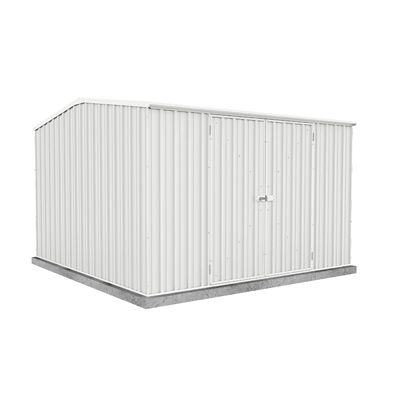
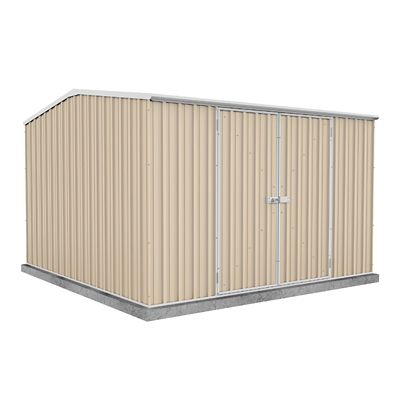
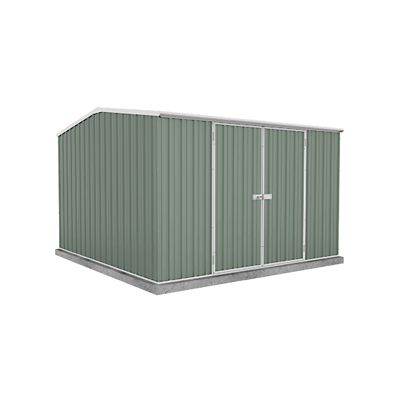
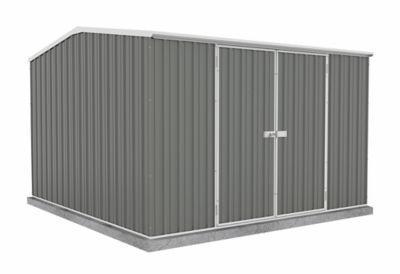
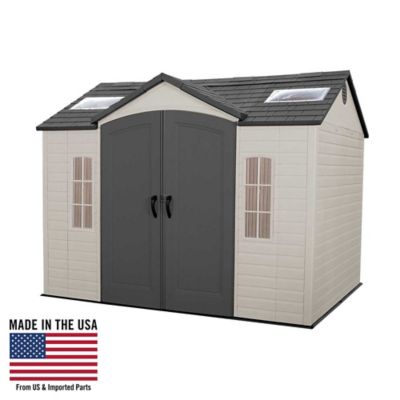
The right winter lawn mower storage setup depends on the space available, the type of mower, and how often the equipment needs to be moved during the cooler months. A homeowner with a small shed may benefit from a cover and a compact hanging solution that keeps the mower clear of the floor. Someone caring for a larger property may prefer a protected corner with room for a riding mower, its battery, fuel supplies, and maintenance tools without blocking doors or walkways. In a barn or outbuilding, keep the mower away from livestock areas, leaking roofs, and places where dust, hay, or bedding can collect around the engine and air intake. A level surface helps prevent unwanted movement, while wheel chocks or other approved restraints can add peace of mind for riding equipment. Do not store a mower where fuel vapors can gather, and avoid placing heavy items on top of a cover. These storage products can also make a practical gift for a homeowner, new property owner, groundskeeper, or anyone preparing a first home with a yard. They are useful for the neighbor who keeps several acres trimmed, the family member with a small patch of grass, or the person who takes pride in keeping tools lined up and ready for the first warm stretch. Before putting everything away, take a quick walk around the mower, wipe down metal surfaces, clear grass from the deck, and note any repairs that should be handled before spring. A little planning during the transition to cooler weather can help protect the mower, preserve valuable shed space, and make the next cutting day smoother.