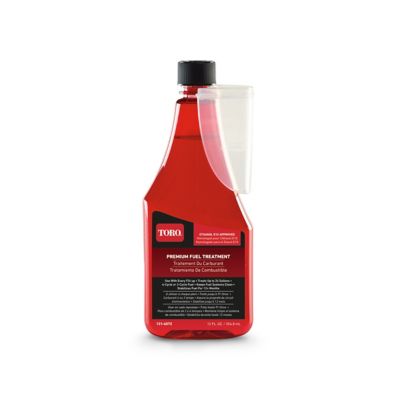
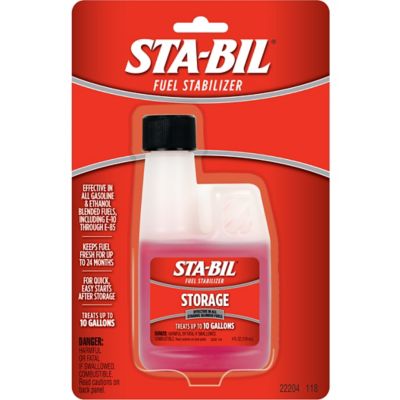
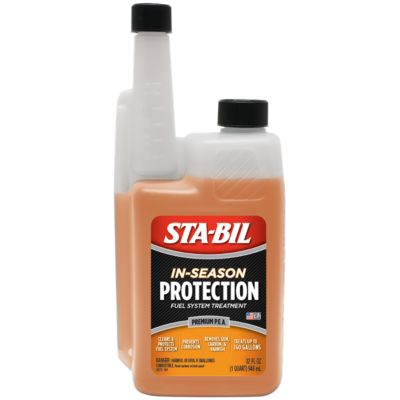
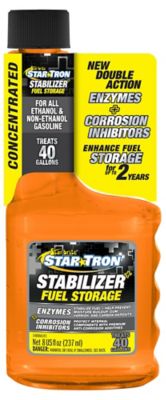
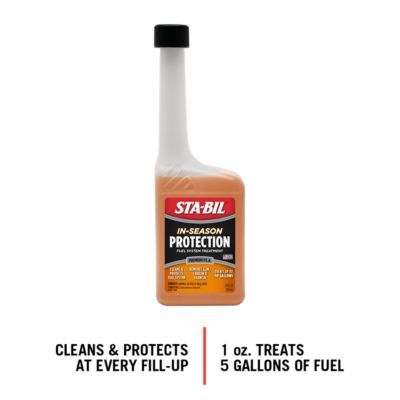
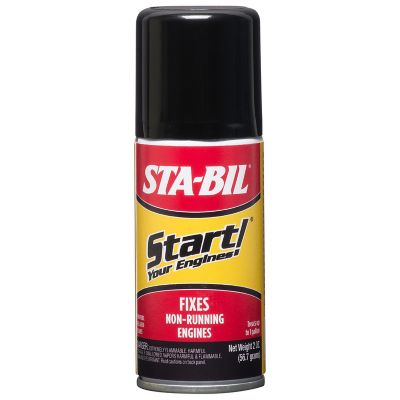
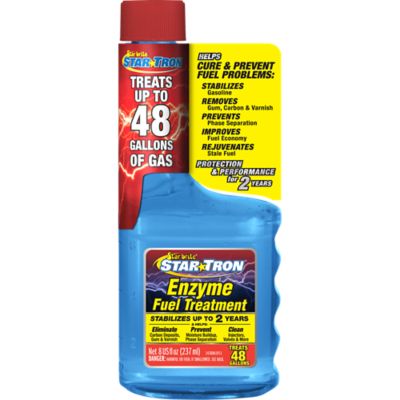
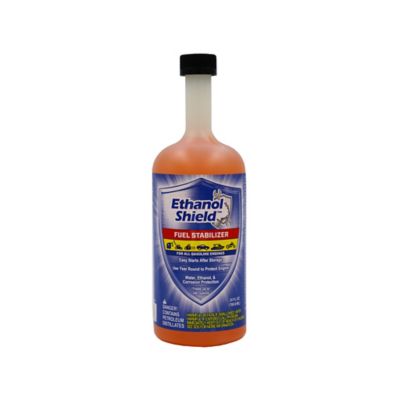
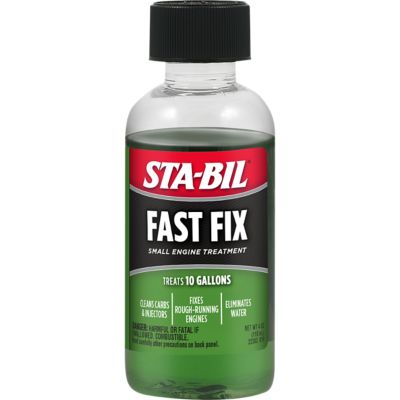
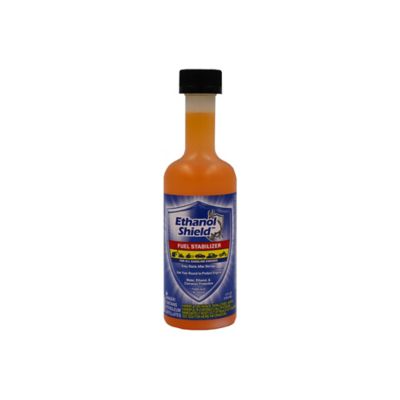
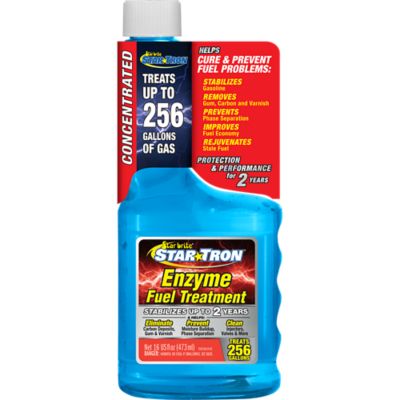
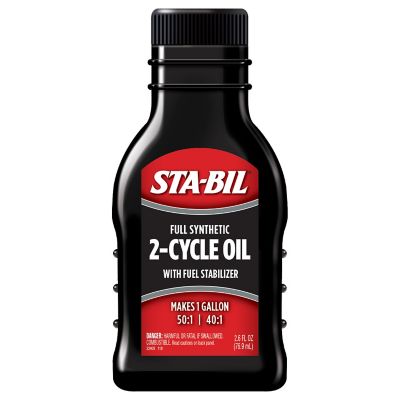
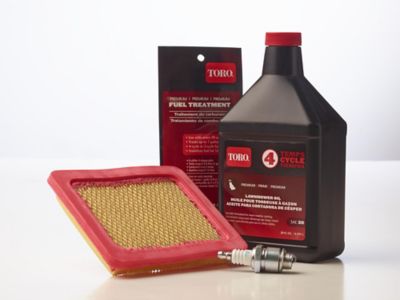
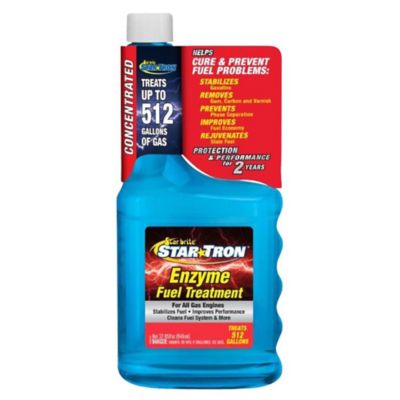
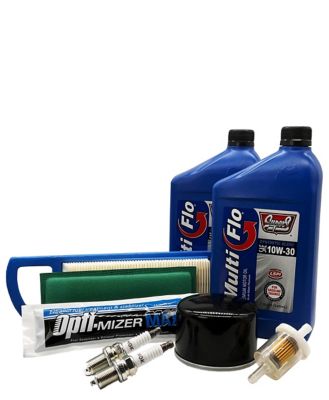
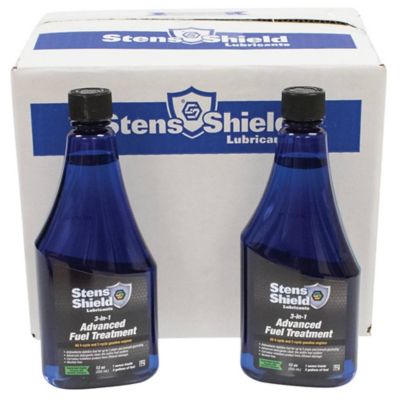
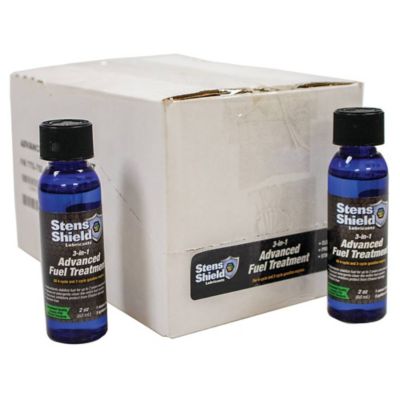
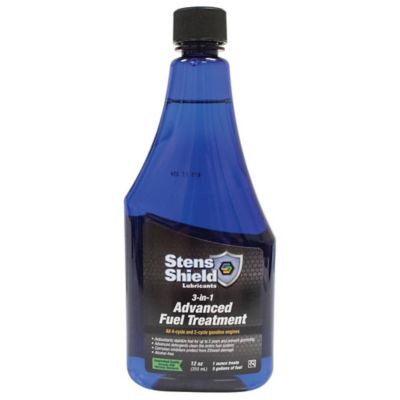
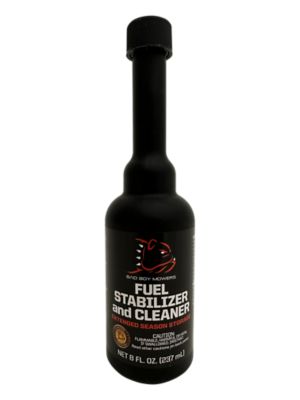
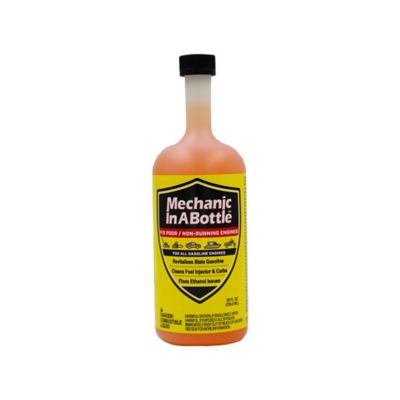
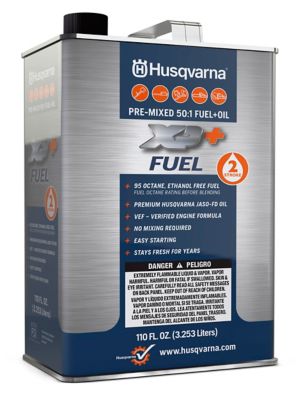
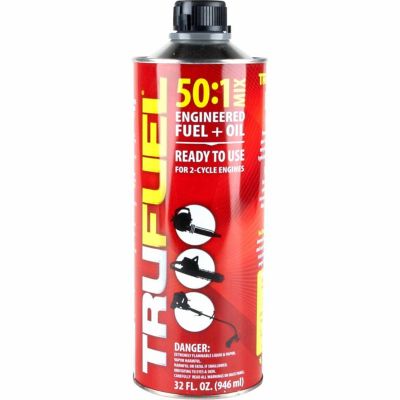
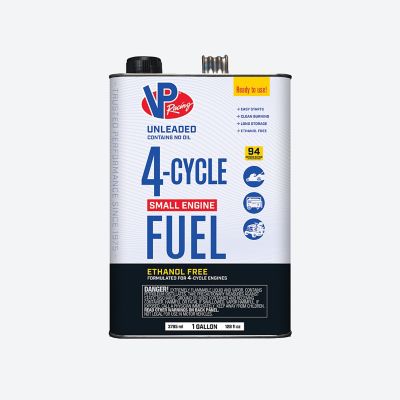
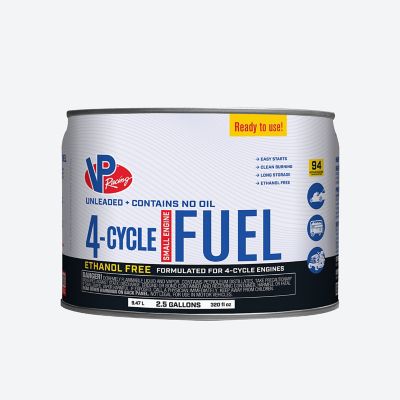
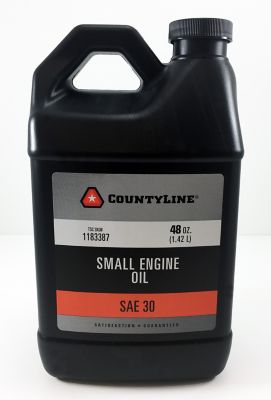
Fuel stabilizer for a lawn mower helps keep gasoline in usable condition when equipment sits between mowings or goes into storage during the cooler months. Gasoline can begin to break down over time, especially when it is exposed to heat, air and moisture. As fuel ages, it may leave behind gum or varnish that can clog the carburetor, fuel lines and small engine passages. Moisture and condensation can also contribute to hard starting, rough running or poor engine performance when it is time to bring the mower back out. A fuel stabilizer is made to slow that deterioration and help treated gasoline stay fresher for longer. It can be useful for homeowners who mow a small yard and go several weeks between uses, acreage owners who keep more than one mower on hand, and anyone preparing outdoor power equipment for an extended rest. Browse the available
Lawn Mower Fuel Stabilizer options to find a formula suited to your equipment and fuel routine. When comparing products, look for clear directions covering the type of gasoline, the amount of fuel treated and the length of storage protection. Some formulas are intended for seasonal storage, while others are designed for fuel that will be used regularly. A stabilizer may work with gasoline containing ethanol, but the label should always be checked before use. It is also important to remember that fuel stabilizer does not replace the oil, fuel blend or maintenance requirements specified for the mower. Two-cycle equipment may need gas mixed with two-cycle oil, while four-cycle lawn mowers generally use straight gasoline in the fuel tank and separate engine oil in the crankcase. Using the right fuel and following the mower manufacturer’s instructions helps the stabilizer do its job without creating another equipment problem.
Accurate measuring matters, particularly with the small fuel tanks found on walk-behind mowers. A common mixing guideline is about 1 ounce of stabilizer for every 2.5 gallons of gasoline, but formulas differ, so use the ratio printed on the container as the final word. For a half-gallon tank, that general ratio works out to roughly 0.2 ounce, or a little less than half a tablespoon; a small measuring cup or marked dosing container can make this easier than guessing from the bottle. Add the recommended amount to a clean gas can before filling it with fresh fuel, or pour the stabilizer into the mower tank before adding gasoline. Topping off with fresh fuel leaves less empty space in the tank, which can help limit air exchange and condensation during storage. Avoid overfilling, and leave room for fuel to expand according to the mower and fuel container instructions. After adding treated gasoline, start the engine and let it run for about five minutes, or long enough for the mixture to travel through the fuel line, carburetor and other engine passages. This step is easy to skip when the grass is already cut and the mower is headed into the shed, but untreated fuel left in the carburetor can still become a problem even when the tank fuel has been treated. For best results, use fresh gasoline from a clean, approved container and do not mix new fuel with gasoline that already smells stale, looks cloudy or has visible debris. Fuel stabilizer helps preserve fuel; it does not restore gasoline that has already degraded. Keep the mower outdoors while refueling and running, away from sparks, flames and cigarettes. Wipe up spills, let the engine cool before covering or storing the mower, and keep fuel and stabilizer containers closed, upright and out of reach of children and pets.
Fuel stabilizer can fit into several everyday lawn-care routines. A homeowner who cuts a smaller lawn may treat fuel before a stretch of rainy weather or before putting the mower away for the season. Someone managing a larger property may keep a treated gas can ready for a riding mower, walk-behind mower, trimmer or other small-engine equipment, provided the fuel and stabilizer directions are compatible with each machine. It can also be a practical addition to a care package for a new homeowner, a first-time acreage owner or a family member who keeps outdoor equipment in a barn or detached shed. For equipment that will sit during the cooler months, clean the mower deck, remove grass clippings and inspect the air filter, spark plug, blades and belts while the fuel system is being prepared. Depending on the mower’s design and the manufacturer’s storage instructions, it may be appropriate to run the engine until the treated fuel has circulated, drain the fuel system, or leave treated fuel in place. Do not assume every mower should be handled the same way; the owner’s manual provides the safest storage procedure. When the weather warms and mowing begins again, inspect the mower before starting it, check for fuel leaks, verify the oil level and look over the fuel line for cracks or brittleness. A mower that starts easily after sitting is often the result of small preparations made before storage: fresh fuel, the right stabilizer measurement, a few minutes of run time and a dry, protected place to keep the machine. Choosing the right fuel stabilizer for a lawn mower supports dependable starts and helps protect the investment in the equipment through changing seasons.