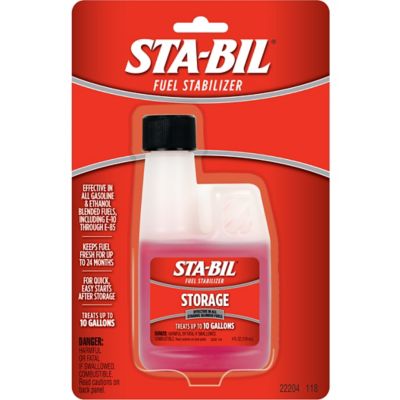
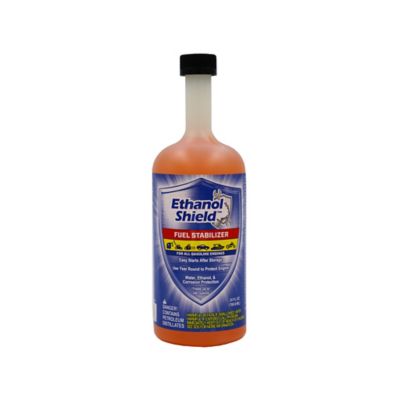
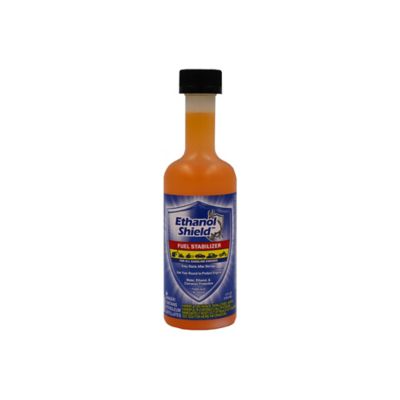
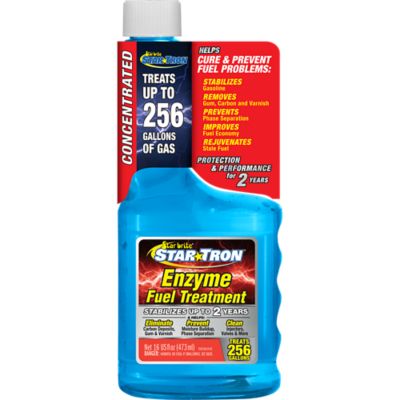
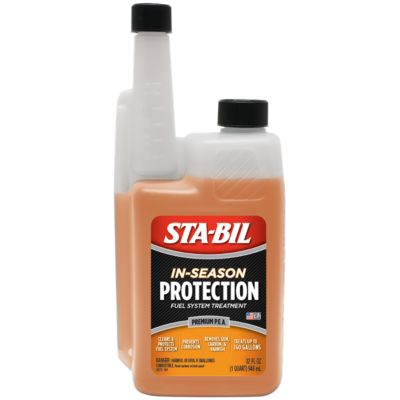
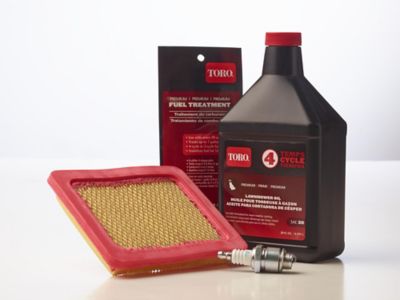
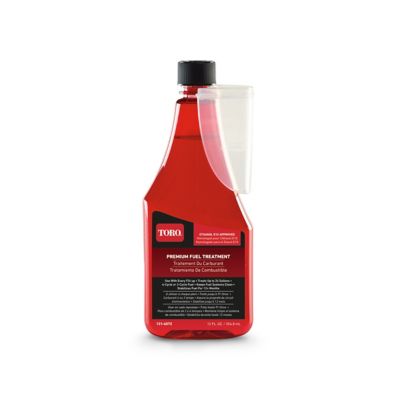
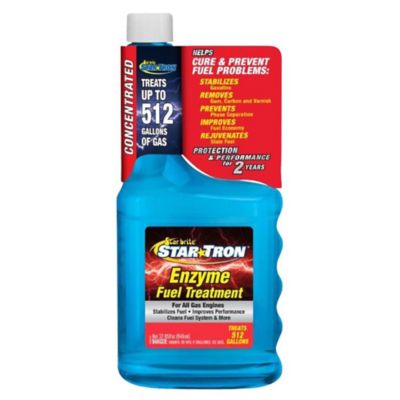
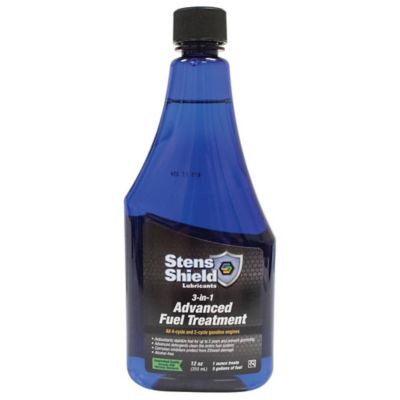
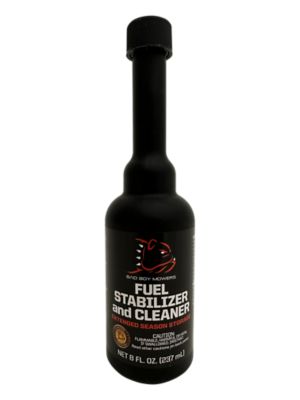
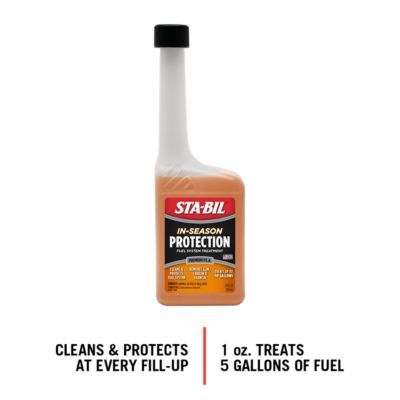
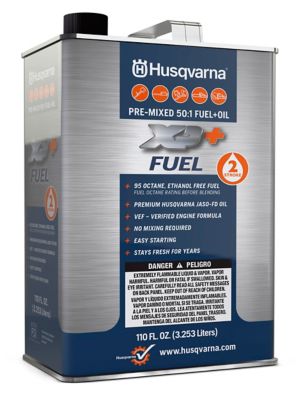
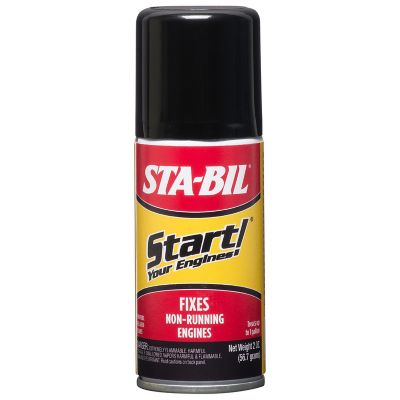
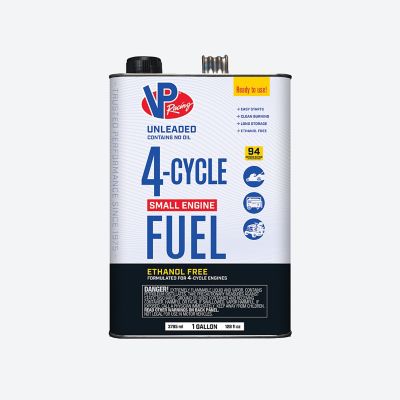
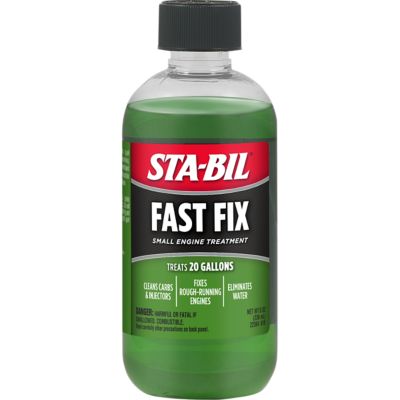
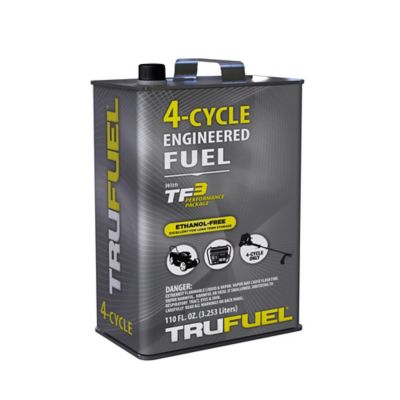
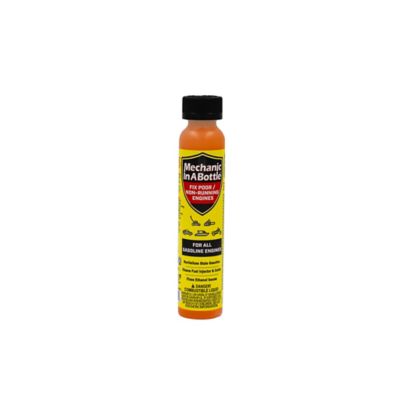
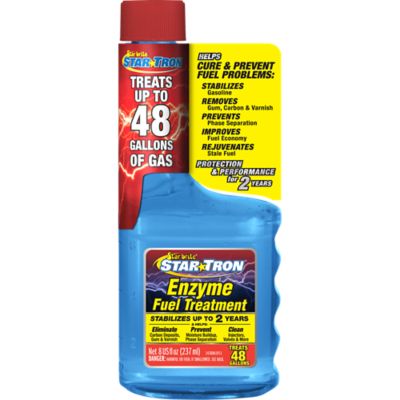
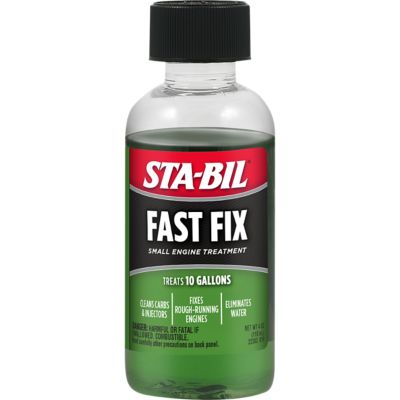
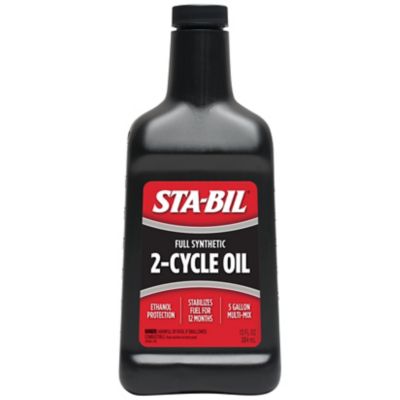
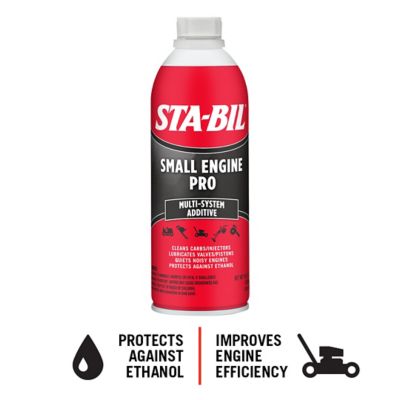
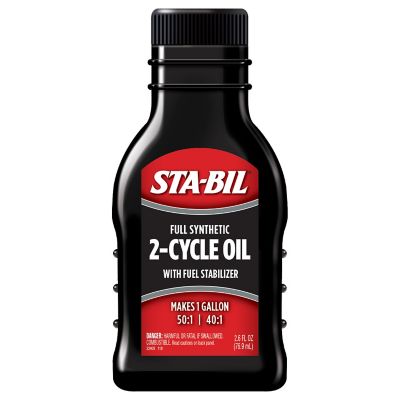
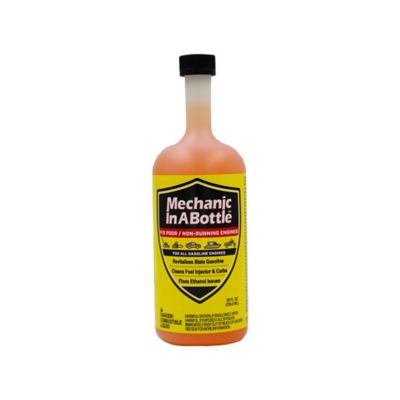
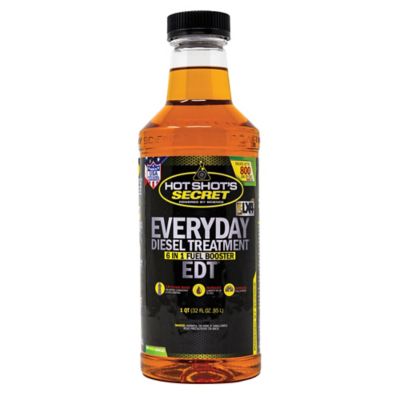
Keeping your lawn mower running smooth season after season takes a little know-how and the right products in your shed. As March rolls in and the grass starts to green up, folks all across the country are dusting off their mowers and getting ready for the first cut of the year. But before you fill up the tank and fire up your trusty machine, it’s worth thinking about the gas you’re putting in. Gasoline can start to break down in as little as 30 days, especially with all the ethanol blends out there these days. That’s where fuel stabilizers come in handy. These additives are designed to keep your fuel fresh, protect your engine from corrosion, and prevent sticky deposits from gumming up the carburetor or fuel lines. Whether you’re prepping your mower for storage over the winter or just want to make sure it starts right up after sitting for a few weeks, a good stabilizer can save you a lot of headaches (and repair bills) down the road.
Fuel stabilizers aren’t just for folks with big riding mowers, either. If you’ve got a push mower, trimmer, chainsaw, or any other small engine equipment, adding a stabilizer to your fuel is one of the easiest ways to keep everything running strong. Many rural families have a lineup of gear in the garage—maybe a tiller for the garden, a generator for storm season, or even an ATV for getting around the property. All those small engines benefit from the same kind of protection. And if you’re looking for a practical gift for a neighbor or family member who takes pride in their yard or farm, a bottle of fuel stabilizer is a thoughtful choice that shows you know what matters. It’s especially appreciated by anyone who’s experienced the frustration of a mower that won’t start after sitting idle. The best stabilizer for small engines will not only keep gas fresh for months but also help prevent rust and buildup that can shorten the life of your equipment.
When you’re choosing a fuel stabilizer, think about how you use your mower and other equipment. Some folks like to treat every tank of gas, especially if they don’t mow every week or if they keep a can of fuel on hand for emergencies. Others might only use a stabilizer when it’s time to put things away for the winter. Either way, it’s important to follow the directions for mixing and running the engine so the treated fuel gets all the way through the system. It’s a simple step that can make a big difference, especially as temperatures swing and humidity rises in the spring. For more tips and to see a full selection, check out our
Lawn Mower Fuel Stabilizer page, where you’ll find everything you need to keep your mower in top shape for the season ahead.