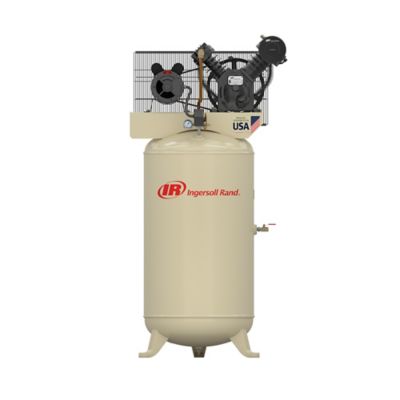
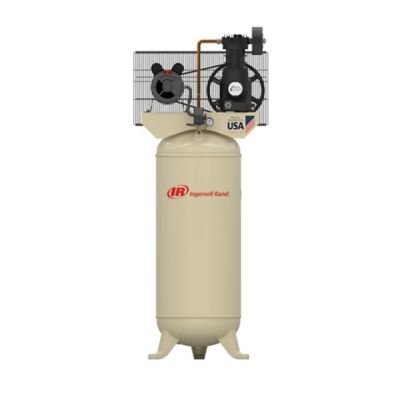
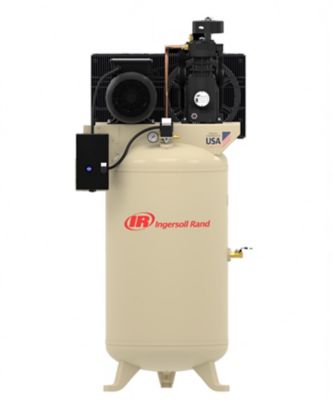
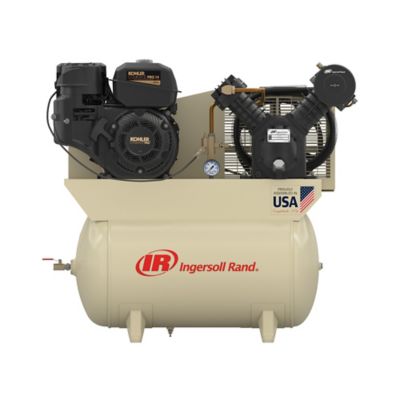
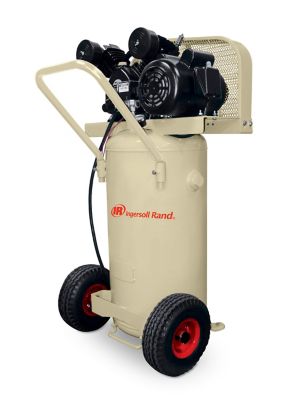
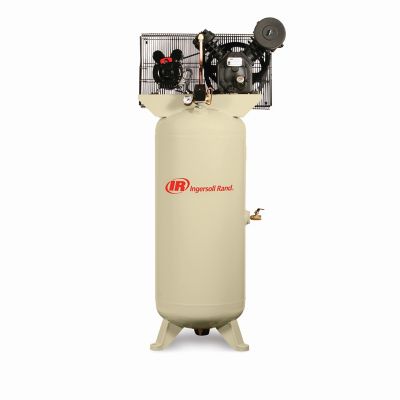
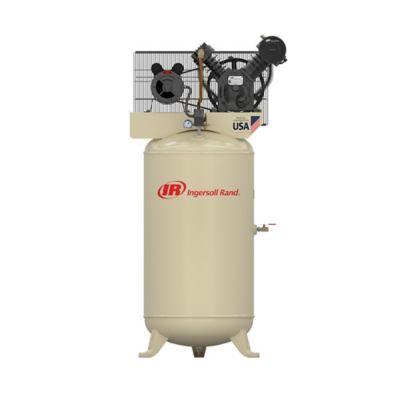
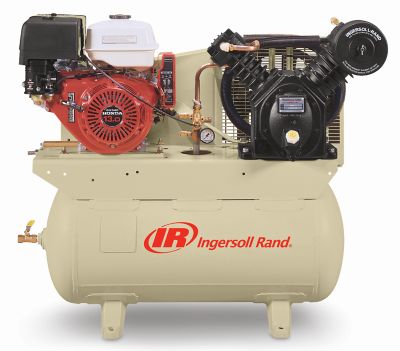
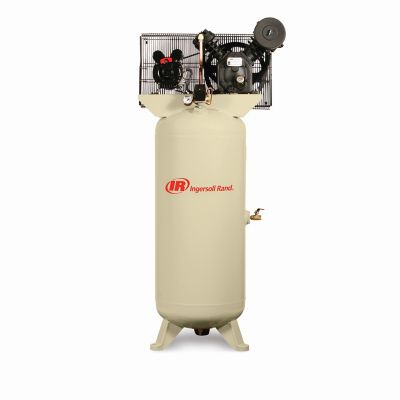
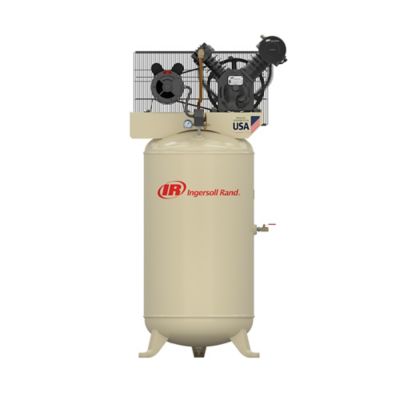
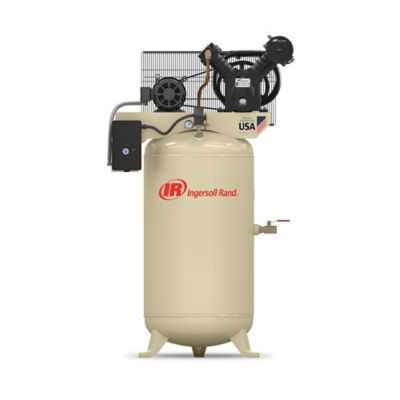
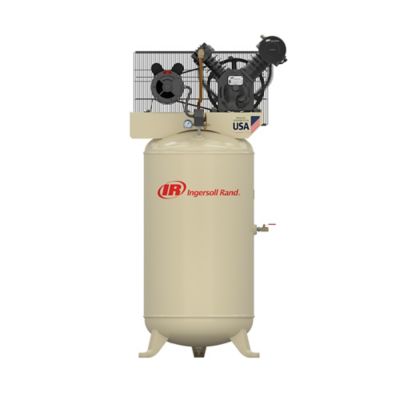
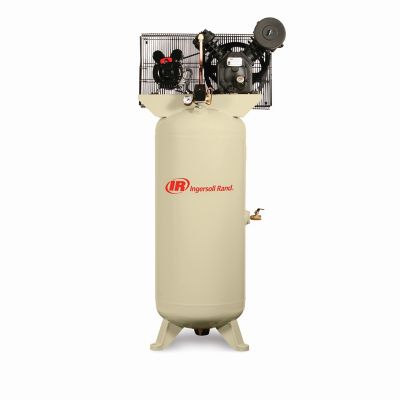
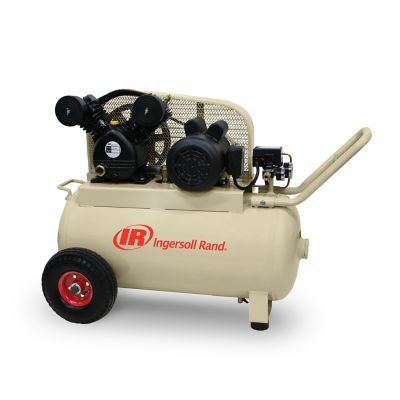
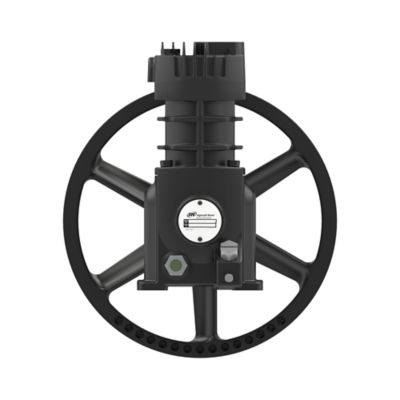
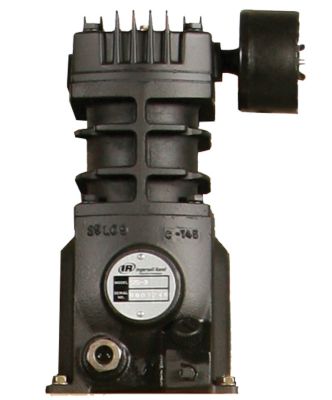
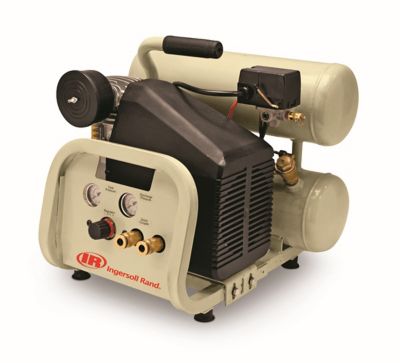
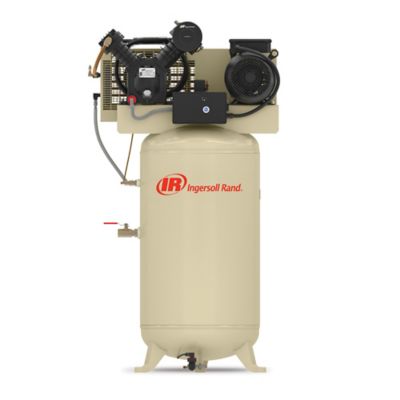
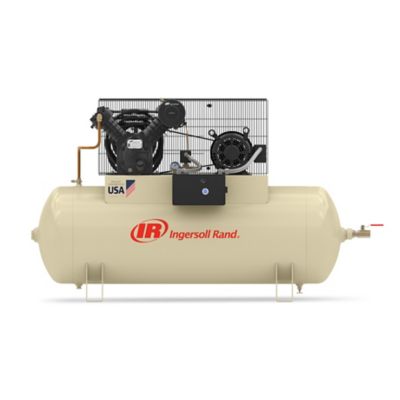
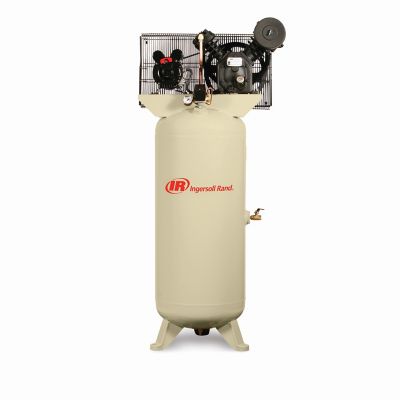
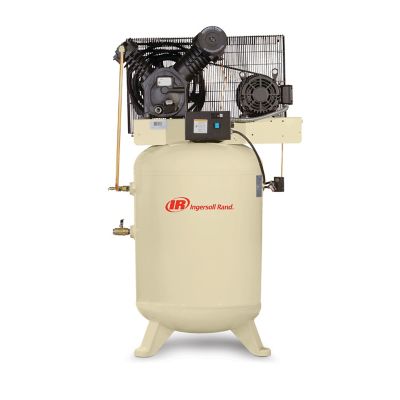
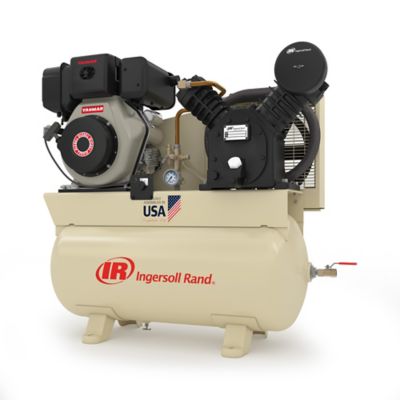
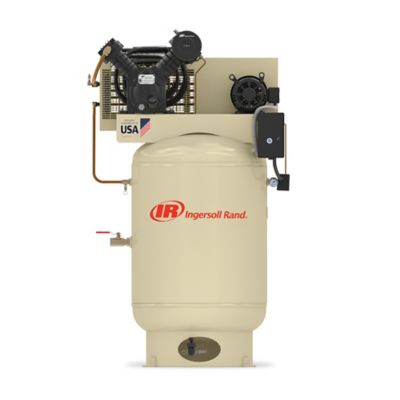
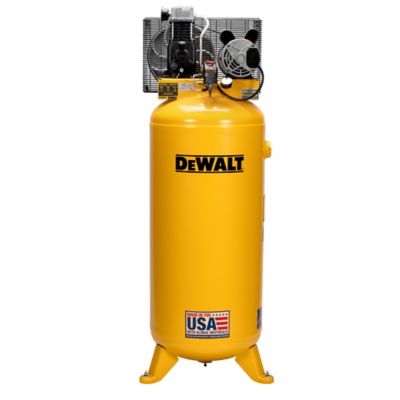
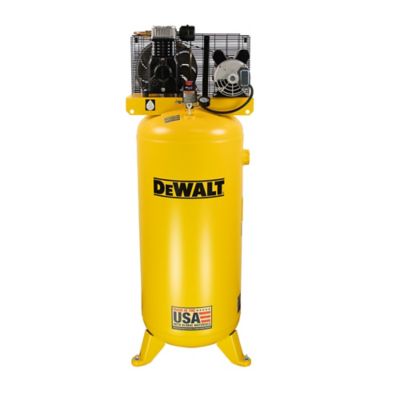
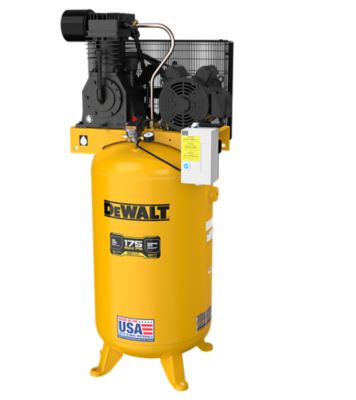
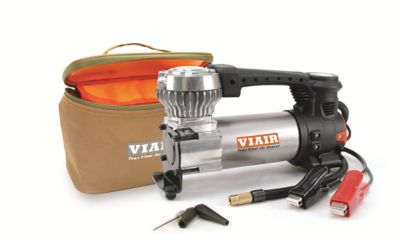
Industrial air compressors are built for jobs that call for more than a quick burst of air. Around a farm, ranch, shop, garage, or worksite, compressed air can help power tools, inflate tires, clear dust and debris, clean equipment, and keep routine maintenance moving along. A dependable compressor becomes part of the working setup, much like a sturdy workbench or a well-stocked toolbox. It may be used to run impact wrenches while servicing trailers, ratchets while repairing equipment, grinders during fabrication, or nail and staple tools during construction and repair work. Some folks use compressed air to blow chaff from hard-to-reach places on machinery, while others rely on it to top off tractor, truck, ATV, and trailer tires before heading out. During the warmer part of the year, it can help with fencing projects, shop improvements, and equipment upkeep; as the weather turns cooler, it can be just as useful for preparing vehicles, winterizing tools, and handling indoor repair work. When looking through industrial air compressor options, start by thinking about the work you do most often and the tools you plan to run. A compressor used for occasional inflation does not have the same demands as one expected to power an air wrench, paint sprayer, or grinder for extended stretches. Matching the compressor to the job helps prevent frustration and gives you a setup that feels ready when a repair cannot wait.
Capacity and airflow are two of the most important details to check before choosing an industrial air compressor. Tank size tells you how much compressed air is stored and can help the compressor handle short, demanding bursts without running constantly. Airflow ratings, commonly listed in cubic feet per minute, show how much air the compressor can deliver to a tool. Every pneumatic tool has its own air requirements, so compare those figures rather than choosing based on tank size alone. A tool that needs steady airflow for sanding or grinding may call for a different setup than an impact wrench used for a few seconds at a time. It is wise to leave some breathing room between the tool's requirements and the compressor's output, especially if more than one tool may be used in the shop. Motor power, pump design, duty cycle, and operating pressure also deserve attention. A unit with a suitable duty cycle is better prepared for longer work sessions, while an easy-to-read pressure gauge and accessible controls make everyday use less of a chore. Think about where the compressor will live, too. A large shop unit may be a fine fit for a permanent workspace, but a compact or portable design can be more useful when air is needed beside a hay shed, at a jobsite, or near a vehicle parked away from the main building. Consider the surface beneath it, the path through doors and gates, available electrical service, and room for ventilation. Keeping the compressor in a clean, dry, well-ventilated area helps protect it from dust, moisture, and accidental damage. In a busy rural shop, a few minutes spent planning the location can save a lot of dragging, repositioning, and extension-cord trouble later.
Good care goes a long way toward keeping compressed-air equipment dependable. Follow the maintenance instructions for checking oil, changing filters, inspecting hoses, and draining moisture from the tank. Water can collect inside a tank as air cools, particularly in humid conditions, so regular draining is an important part of safe upkeep. Look over fittings and hoses for cracking, wear, or loose connections, and replace damaged parts before a small leak turns into lost performance. Store air hoses where they will not be run over, stepped on, or exposed to sharp edges. Before connecting a tool, make sure its pressure rating is compatible with the compressor and use the proper fittings for a secure connection. Eye protection is a must when blowing off equipment or using air-powered tools, since dust, metal shavings, and other debris can travel farther and faster than expected. Hearing protection may also be helpful in a small shop or enclosed work area. An air compressor can be a practical addition for a landowner who handles repairs instead of hauling every job to town, a contractor who needs reliable pneumatic power at different sites, or a farm family that shares equipment across several buildings. It can also make a thoughtful gift for someone setting up a first workshop, restoring an old truck, maintaining a small fleet, or taking on more do-it-yourself projects around the property. For shoppers comparing different ways to handle compressed air, browsing
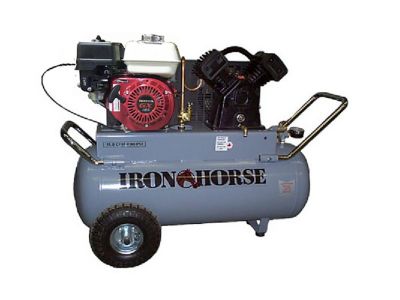
Honda Air Compressors can offer another point of reference. Whether the compressor is used every day or brought out when a tire is low and a repair is waiting, the right combination of airflow, capacity, portability, and care can make tough jobs feel more manageable from the first blast of air to the last bolt tightened.