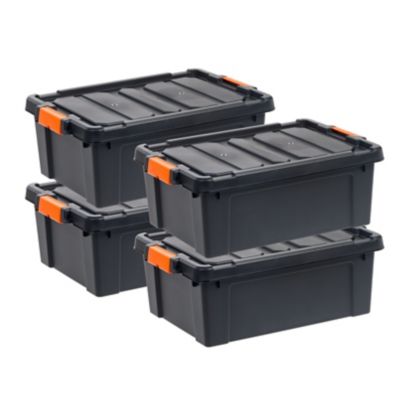
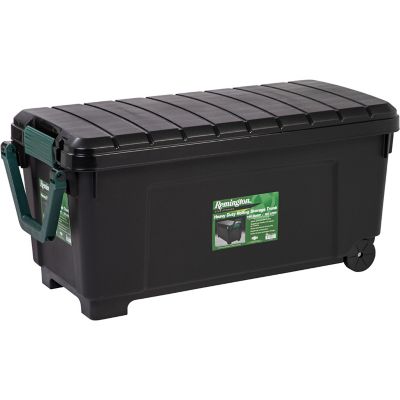
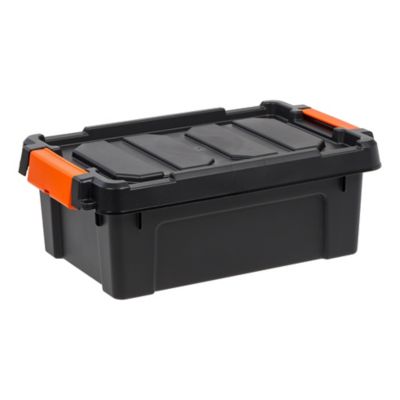
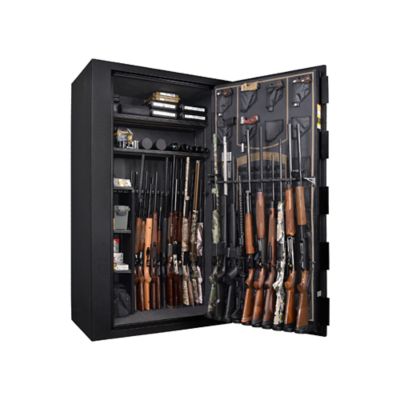
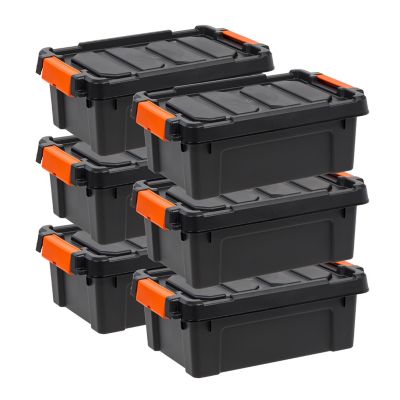
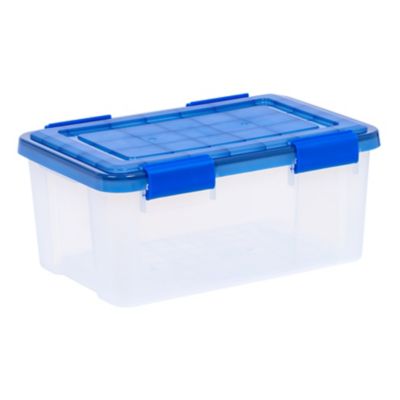
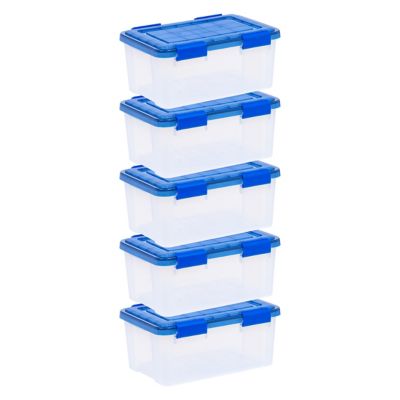
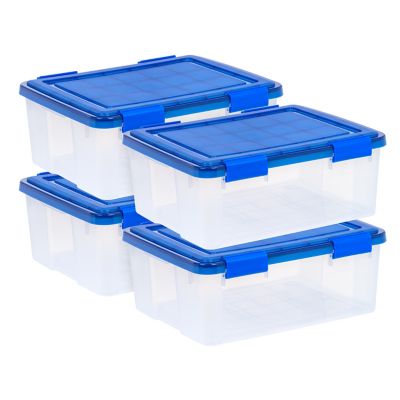
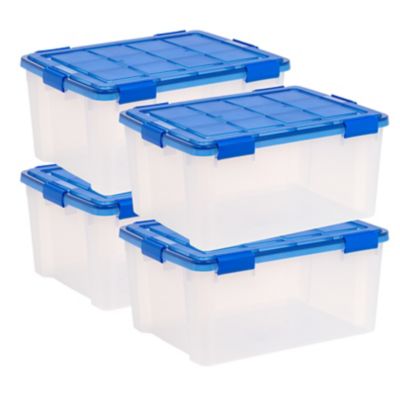
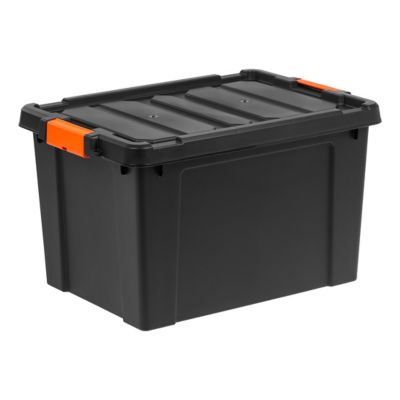
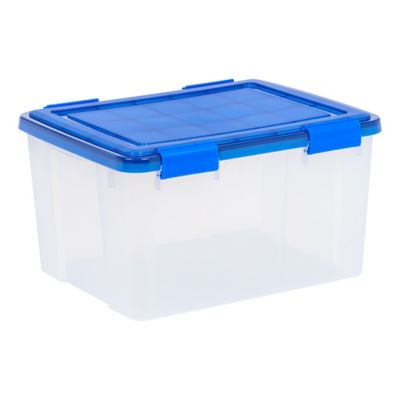
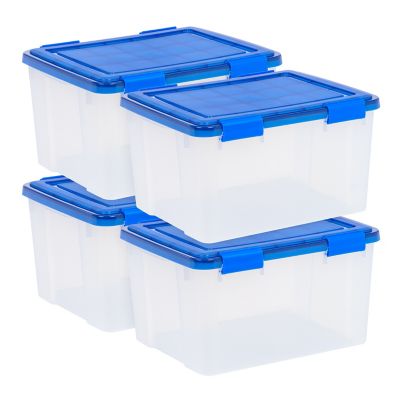
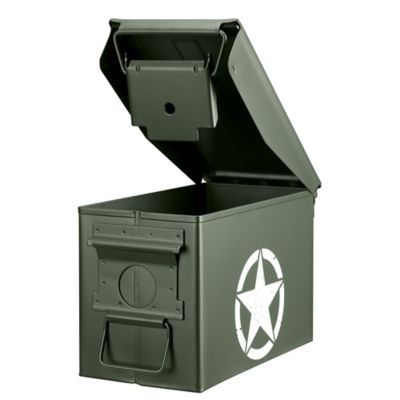
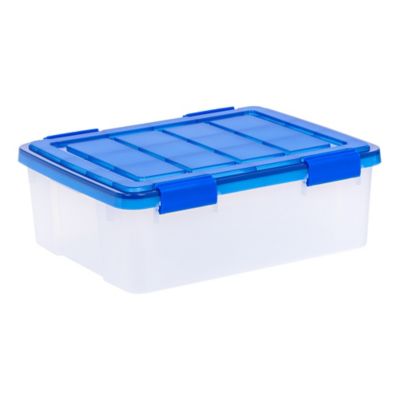
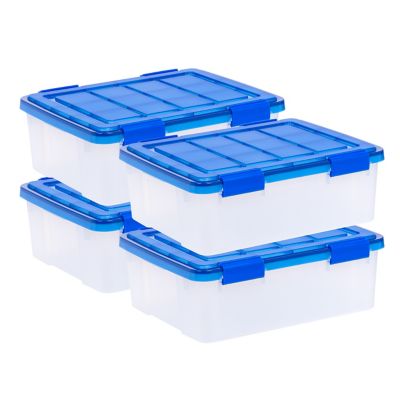
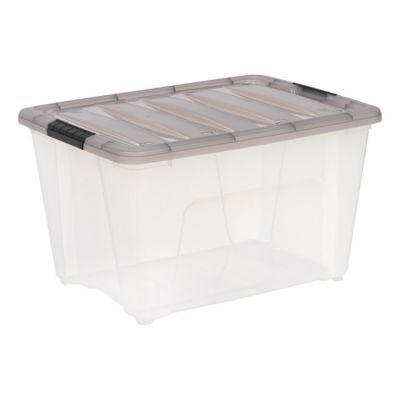
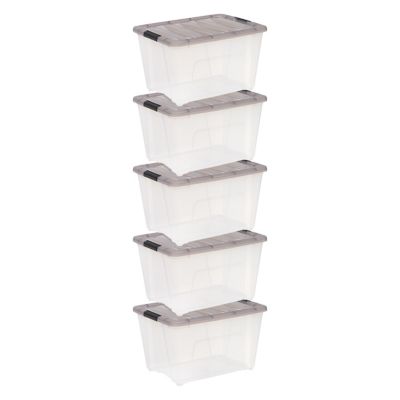
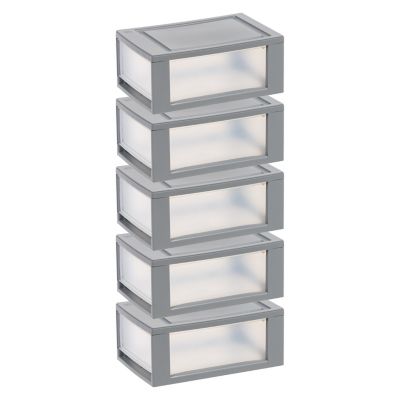
Hunting gear storage brings order to the clothing, footwear, packs, and small equipment that can otherwise spread across a mudroom, garage, or spare closet. A practical setup combines sturdy storage bins for grouped gear, shelving that keeps containers within reach, and separate bags or cases for belongings that need extra protection. The goal is simple: less digging through a pile before heading out and a clear place for everything when the trip is over. Different storage styles suit different parts of that job. Rigid containers help keep contents from getting crushed beneath other equipment, while soft-sided bags fit more easily into tight spaces and can be easier to carry between the house and truck. Open shelving keeps frequently needed gear visible; enclosed storage helps limit exposure to dust and household odors. For hunters who share space with farm tools, pet supplies, or work clothes, that separation matters. Hunting clothing belongs away from fuel, solvents, and other strong-smelling materials, even when it sits inside a closed container. Scent-control storage bags can help limit contact with outside odors when properly closed, but they do not replace cleaning and thoroughly drying clothing before packing it away. Separate compartments also make it easier to keep muddy footwear apart from clean layers. Size is about more than how much a container holds. Its outside dimensions need to suit the shelf, closet opening, or cargo area, while its inside dimensions need to accommodate the gear without forcing lids shut or bending delicate components. A wide opening makes folded clothing easier to reach, and a shallow compartment keeps small essentials from disappearing beneath larger pieces. For a household with several hunters, clearly marked bags and bins help keep sizes, personal equipment, and trip supplies straight. Labels visible from both the top and side are especially handy when containers move between a shelf and the truck bed. Storage that matches those everyday routines is easier to keep organized than one oversized container holding everything together.
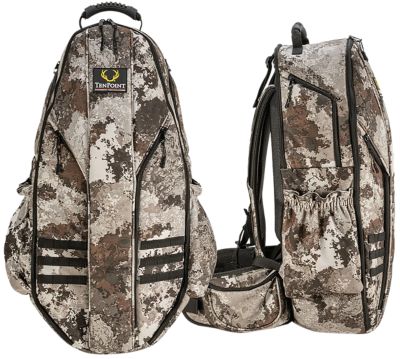
Materials and construction determine how hunting gear storage handles repeated loading, carrying, and cleanup. Molded plastic containers offer a wipe-clean surface for garages and cargo areas, though wall thickness, lid design, and latch construction vary. Reinforced corners and a well-supported base are worth considering for heavier loads, along with handles that provide enough room for a comfortable grip. A container may have plenty of interior space without being suited to the weight of everything that fits inside it. Carrying limits and stacking limits deserve separate attention, particularly on shelving where a heavy load can strain both the container and its support. Metal shelving can work well for substantial equipment when its rated capacity, assembly, and anchoring match the intended setup. Wood shelving also provides useful storage space, provided the supports can carry the load and the surface stays clean and dry. Soft storage often features woven polyester or nylon, with differences in fabric weight, seam reinforcement, and base construction affecting how it stands up to repeated handling. Abrasion-resistant panels can help where a bag rubs against a floor or cargo surface. Zipper openings, buckles, and closures should be easy to reach without unloading the whole bag, and shoulder straps need enough adjustment to carry the load comfortably. Padding and dividers are useful around optics and other sensitive equipment, especially when pieces might otherwise knock together in transit. A snug compartment should hold gear in place without pressing against controls or forcing parts out of position. Moisture protection needs a closer look than a tight-looking lid alone. Water-resistant storage and storage rated for waterproof protection are not interchangeable, and the closure, seams, and manufacturer’s stated limits all matter. A gasketed lid can help keep outside moisture and dust out, but it can also trap moisture already inside. Clean, fully dry contents are important before sealing any container. Care generally means removing loose dirt, cleaning surfaces as directed, allowing fabric and padding to dry completely, and checking latches, handles, seams, and seals for wear before the next load.
The best fit for hunting gear storage depends on where the gear spends its time and how far it travels. In a home closet, low-profile containers and soft bags can make good use of space beneath hanging clothes without turning every outing into a full closet cleanout. In a garage, shelving keeps gear off the floor, with heavier containers on lower shelves and lighter equipment above. Enough clearance to lift a lid or pull a bag free makes a noticeable difference when getting ready before daylight. Long-term storage calls for a little breathing room, too: insulated clothing and sleeping gear generally fare better without prolonged tight compression, following their care instructions. Footwear benefits from being clean, completely dry, and supported so shafts do not fold under the weight of other equipment. For truck travel, a manageable container size often matters more than maximum capacity. Two smaller loads may be easier to lift and arrange than one large box packed beyond a comfortable carrying weight. Flat bases, secure closures, and accessible handles help with loading, while suitable tie-down points and proper restraints keep cargo from shifting. Storage carried on an ATV needs particular attention to rack dimensions, load limits, attachment methods, and clearance around moving or hot components. Hunters planning that part of their setup can also consider
ATV Hunting Accessories alongside their storage needs. A container that fits neatly at home may not suit a vehicle rack, and a bag meant for carrying clothing may not provide enough protection for sensitive equipment on a rough trail. Matching storage to the trip keeps those jobs separate without making the setup complicated. These considerations matter for new hunters building an organized space, experienced hunters replacing worn storage, and families keeping shared equipment sorted. Storage can also make a practical gift when the recipient’s available space and carrying needs are known. Whether the destination is a nearby property or a hunting camp several hours away, well-chosen storage helps gear stay together, protected, and easier to find.