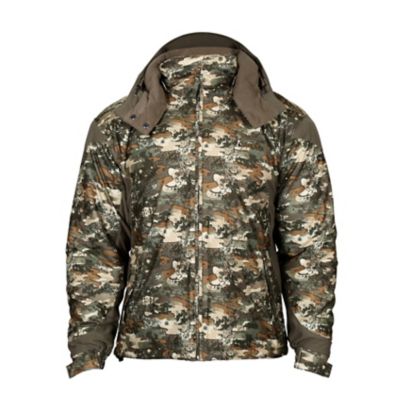
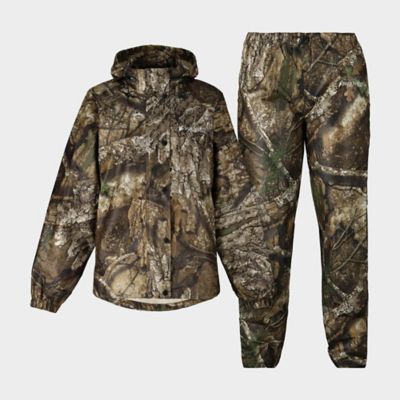
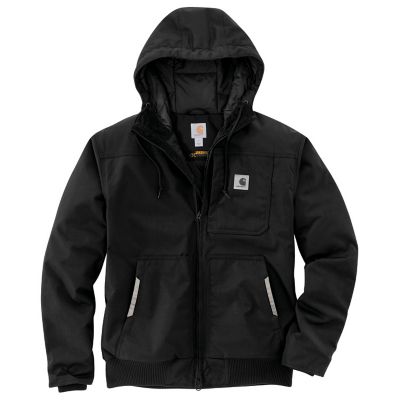
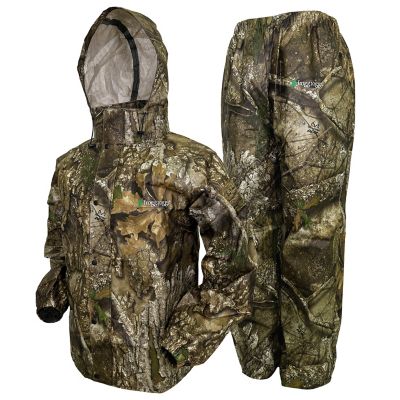
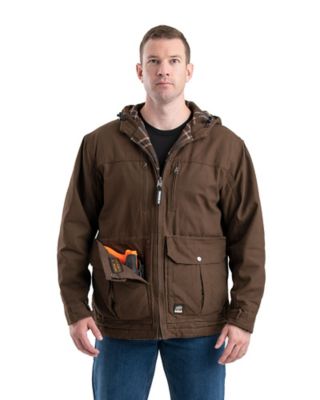
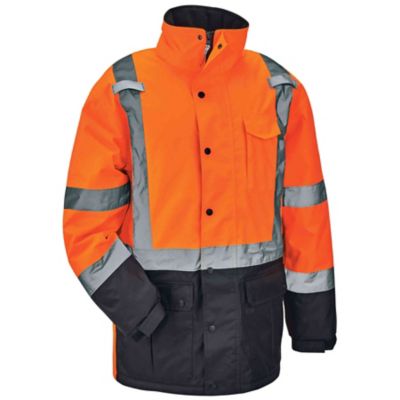
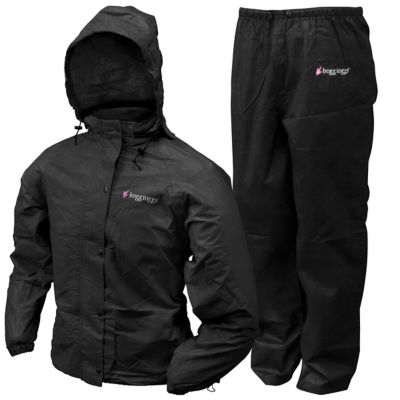
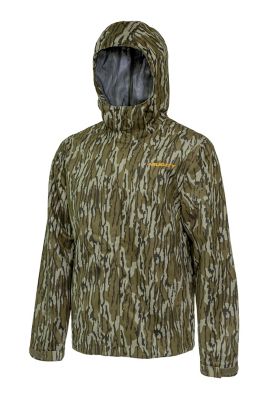
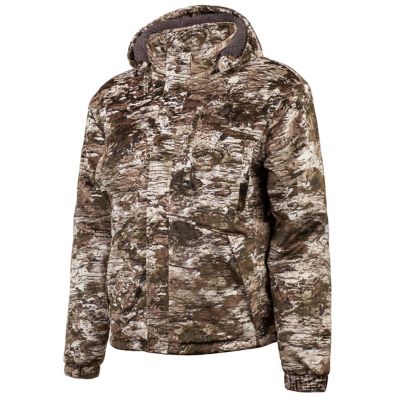
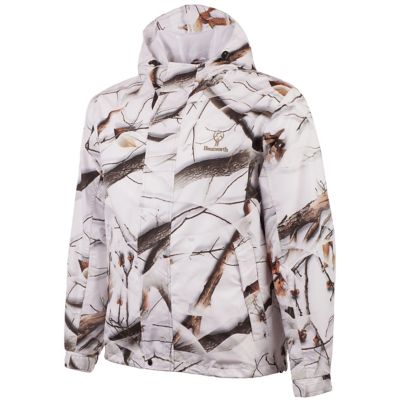
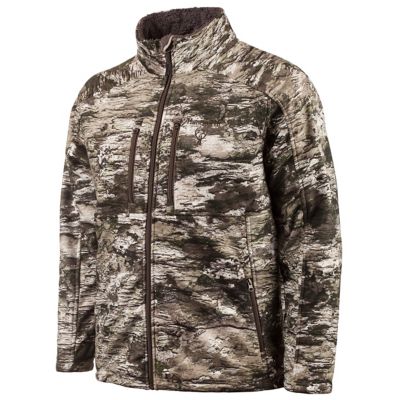
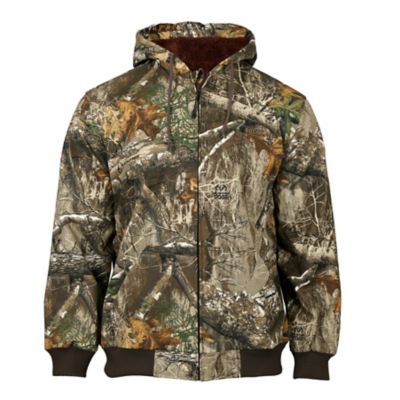
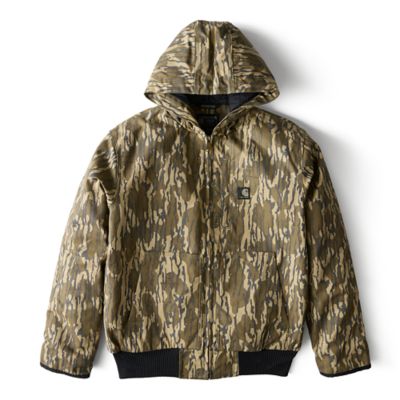
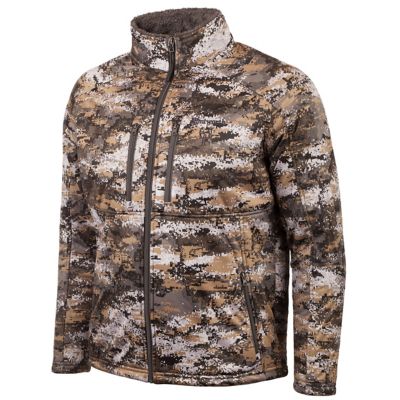
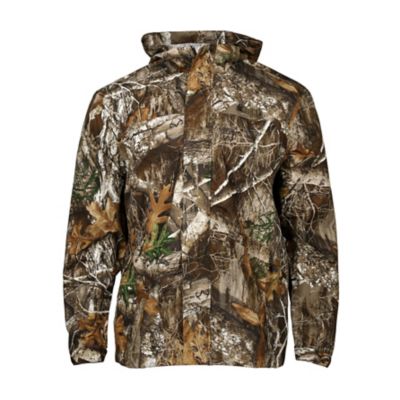
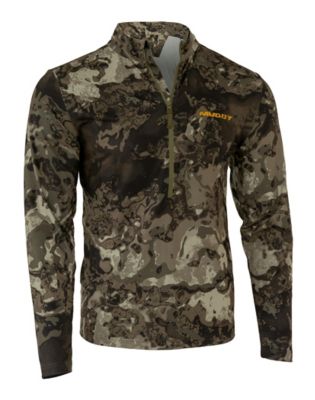
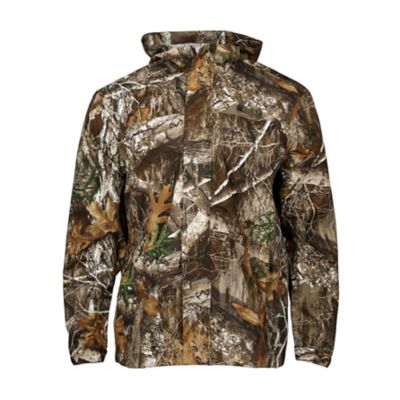
A hunting parka is a longer outer jacket designed to help hunters stay warm, manage wind and precipitation, and blend into their surroundings on cold-weather hunts. Compared with a shorter hunting jacket, a parka generally provides more coverage through the hips and seat, which can make a difference when sitting on a stand or settling into a ground blind before daylight. The right combination of shell fabric, insulation, and lining depends on how the day unfolds. A long walk across a pasture calls for something different than several hours spent watching a timber edge without much movement. Brushed polyester shells can help limit the swishing sound of fabric against branches, while tightly woven outer fabrics help stand up to contact with brush and rough surfaces. Reinforced elbows and shoulders add protection where wear tends to show first. Waterproof construction, sealed seams, and protected zippers matter when rain or wet snow is part of the hunt; a water-resistant finish alone does not provide the same protection as a waterproof shell. Breathable construction and ventilation openings help release moisture during active stretches, though no outer layer can prevent sweating when the pace picks up. Synthetic insulation generally retains more insulating ability when damp than untreated down, while down offers substantial warmth for its weight when kept dry. Insulation weight can provide context within similar designs, but warmth also depends on construction, coverage, wind protection, and the layers underneath. A soft lining helps a parka settle comfortably over a shirt or fleece without bunching at the shoulders. Adjustable cuffs, a covered front closure, and a drawcord hem can reduce drafts without requiring a heavier jacket. For a hunter watching a frosty field from a blind, those small details can matter as much as a thick layer of fill. Camouflage patterns bring another consideration: open grass, bare hardwoods, evergreen cover, and snow-covered ground each create a different backdrop, so the pattern should suit the places where the parka will spend most of its time.
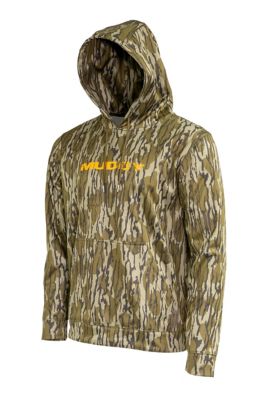
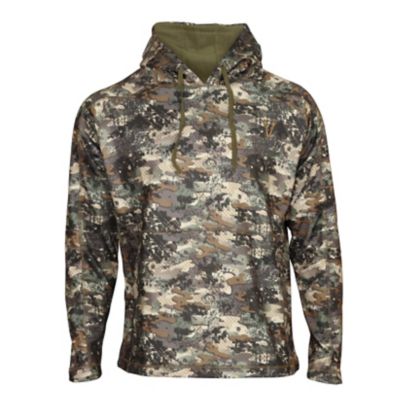
Fit matters just as much as insulation, especially when a hunting parka goes over several layers. There should be room through the chest, shoulders, and upper arms for a base layer and a midlayer without pulling across the back. Too much extra fabric, however, can bunch beneath a pack strap or get in the way when handling equipment. Articulated elbows, shaped sleeves, and shoulder construction that allows easy reaching help keep the jacket from riding up with every movement. A longer hem adds coverage while seated, but the cut still needs to allow a comfortable stride over uneven ground. Two-way front zippers can offer more room around the lap in a blind or on a seat without opening the whole jacket. Layering pieces such as
Men's Hunting Hoodies can add warmth beneath a roomy parka, provided the combined hoods and collars do not crowd the neck or restrict head movement. An adjustable hood should stay in place while leaving a clear view to either side, and a removable hood gives another option when less coverage makes sense. Collar height and zipper placement deserve attention, too; a soft chin guard can make a zipped-up jacket more comfortable during a long sit. Pockets are most helpful when their placement matches the hunt. Handwarmer pockets offer a place to tuck cold fingers between tasks, while secure chest pockets keep a phone or license from slipping out when bending over. Large lower pockets may be convenient for gloves, but their openings should remain reachable above a pack belt or while seated. Quiet closures can be welcome when game is close, though zipper pulls also need to be manageable with gloves on. For elevated hunting, the parka must work with the safety harness according to the harness maker’s directions, without blocking access or interfering with proper fit. Concealment never replaces visibility requirements: blaze orange or other required safety clothing depends on the location, season, and type of hunt, so the outerwear combination needs to accommodate applicable hunting regulations.
A hunting parka earns its place through the kind of days it can handle, whether that means a patient deer hunter sitting along a fence line, a waterfowl hunter facing wind near open water, or someone covering ground between short stops to glass. A heavily insulated design makes more sense for extended periods of little movement, while a lighter parka with room for layers can offer greater flexibility for hunters who walk farther. Wind-blocking fabric helps preserve warmth on exposed ridges and field edges, and a well-shaped hood can provide welcome shelter without forcing the wearer to hunch into the collar. Pack straps, sling contact, and repeated sitting all put stress on different parts of the garment, making sound stitching, reinforced pocket openings, and substantial zipper construction worth considering alongside warmth. Care has a direct effect on how those features perform over time. The garment’s care label should determine washing temperature, detergent choice, and drying method, particularly when waterproof membranes, water-repellent finishes, or down insulation are involved. Fabric softener can interfere with the performance of some technical fabrics, and certain finishes require specific cleaning or reproofing treatments. Mud around a cuff, grit in a zipper, and burrs caught in brushed fabric are easier to address before the parka goes into storage. Thorough drying helps prevent lingering dampness, while loose storage helps preserve insulation loft rather than keeping it compressed between hunts. Minor tears and loose stitching deserve attention before brush or another hard pull makes them worse. For a gift, a hunting parka is a practical choice for someone who spends long hours outdoors, but size alone does not tell the whole story. The recipient’s usual layers, preferred hunting terrain, need for extra length, and tolerance for jacket weight all affect comfort. A parka that leaves room to move, keeps essential gear within reach, and matches the hunter’s pace is more likely to become the jacket hanging by the door before the next early start.