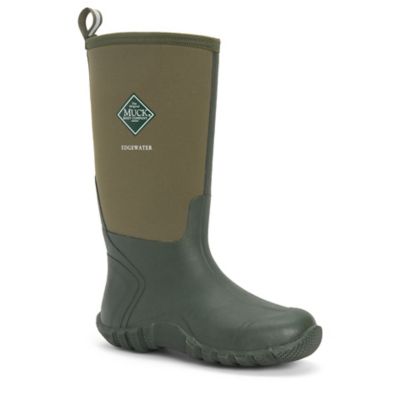
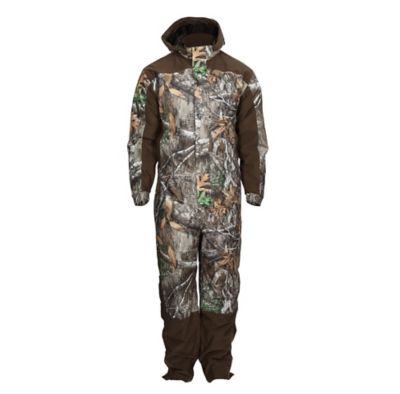
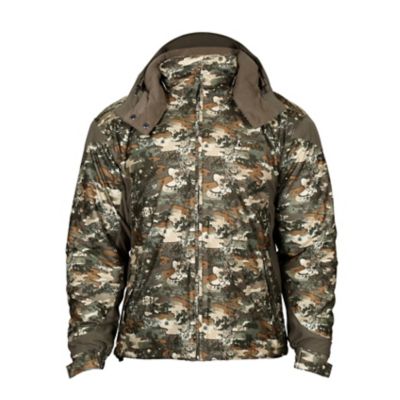
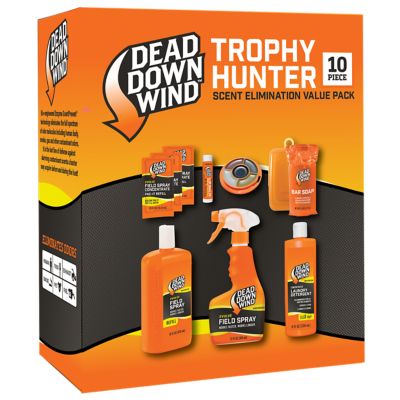
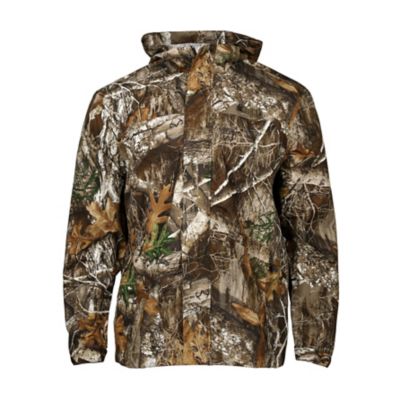
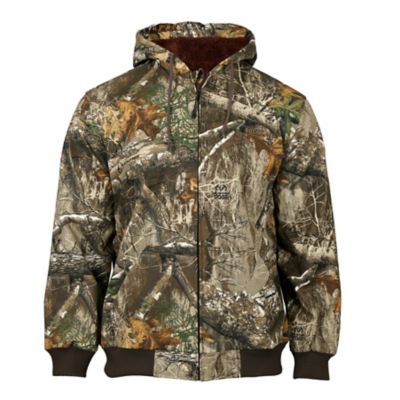
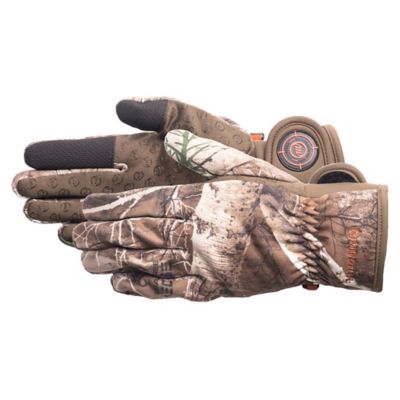
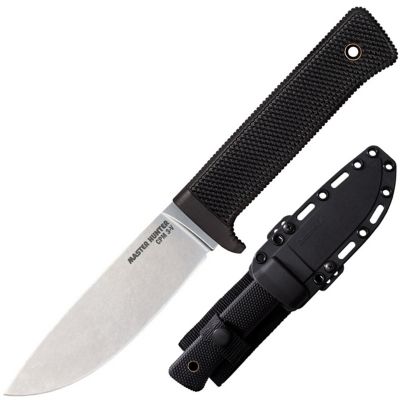
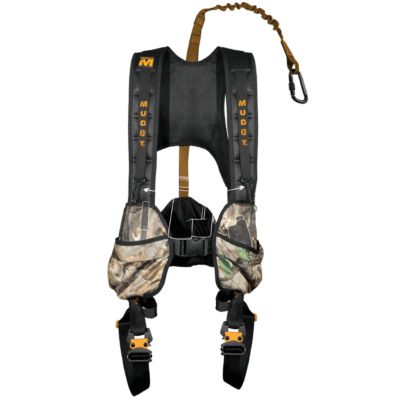
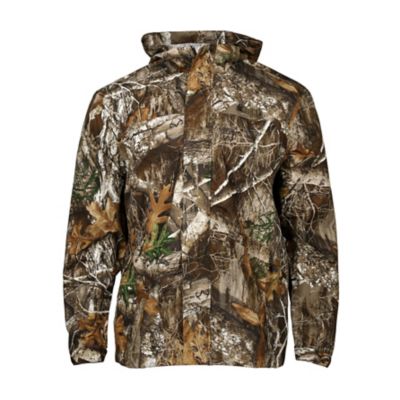
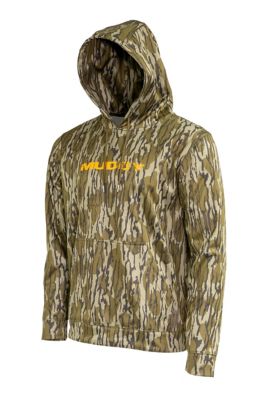
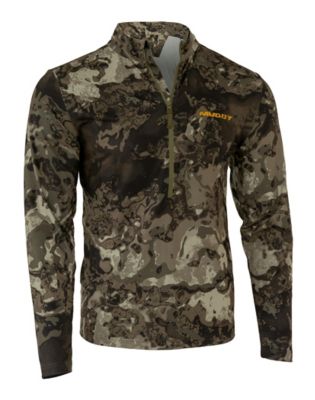
Gifts for hunters who have everything often come down to three things: replenishing supplies they go through, improving comfort at camp, and making favorite gear easier to carry, organize, or care for. An experienced hunter may already have the main setup sorted out, but the smaller parts of a hunting routine still take a beating. Gear rides behind the truck seat, gets hauled across rough ground, and comes home needing attention. A thoughtful gift fits into that routine without asking someone to change the way they hunt. Practical hunting accessories, apparel, storage, and care supplies can all serve that purpose. The best match depends less on how much equipment someone owns and more on what they do with it. Someone who walks a long way from the truck has different needs from a hunter who spends most of the day in one spot. A person who shares camp with family may appreciate easier organization, while someone who travels between properties may value gear that packs down neatly and stays together in transit. Those everyday details give a gift meaning beyond the wrapping. For a parent, spouse, or longtime hunting buddy, familiarity with their habits can be more helpful than knowing every technical term. Notice what always comes along, what takes extra fussing at the tailgate, and what gets set aside because it never quite fits. A gift that solves one of those little aggravations can earn a regular place in the lineup. There is no need to replace a favorite piece of equipment just because it has some miles on it. Supporting the gear a hunter already trusts often makes more sense than introducing another major purchase. Even someone with a well-filled gear room can appreciate less rummaging, simpler upkeep, and supplies ready for the next outing. That is what makes practical gifts a strong fit for hunters who seem to have everything: they support the experience rather than add something else to store.
Materials and construction matter because hunting gear spends plenty of time rubbing against other equipment, brushing past vegetation, and moving between storage and the field. Tightly woven fabrics, reinforced stress points, neatly finished seams, and closures that work without a struggle are worth a close look. Heavy fabric is not automatically the better choice; extra weight can become a nuisance when a hunter carries everything on foot. Lighter materials may suit that routine better, provided the construction matches the intended load and use. Nylon and polyester appear in many carrying and storage categories, but fabric thickness, stitching, lining, and care directions tell more than the fiber name alone. Leather brings a different feel and may need periodic conditioning, while coated materials can have cleaning requirements that rule out harsh cleaners or high heat. Apparel deserves the same attention to everyday use. Fit should allow natural movement through the shoulders, elbows, waist, and knees without leaving excess fabric to bunch or catch. Someone ought to be able to reach, bend, sit, and climb into a truck without fighting what they are wearing. Adjustable features can help, but they do not make every size interchangeable. Matching a familiar size and checking the maker’s measurements is a better starting point than guessing from appearance. Fabric feel matters, too, especially for clothing that stays against the skin for hours. Soft seams, manageable weight, and a comfortable cut may matter more to the recipient than an extra feature they will rarely need. For carrying gear, strap placement and access deserve attention alongside capacity. A roomy design offers little benefit if the hunter has to unpack half of it to reach something near the bottom. Straightforward care is another part of long-term usefulness. Materials that suit the recipient’s normal cleaning routine are more likely to stay in good shape than gear requiring upkeep they would rather avoid. A gift should make a familiar task easier, not turn it into another chore.
Supplies that need replenishing are especially sensible gifts for a hunter with an established setup. They do not compete with favorite equipment, and they can help keep regular maintenance from becoming a last-minute scramble. Compatibility comes first: cleaning and care supplies need to match the materials and equipment involved, with original labels and directions kept intact. A product intended for one surface may not belong on another, and more treatment is not always better. Storage and organization gifts work much the same way. Their value comes from fitting the space and habits already in place, whether that means a crowded truck cab, a shared camp, or a shelf near the back door. Easy-to-clean interiors, openings that stay accessible, and separate spaces for clean apparel and gear needing attention can make packing and unpacking less of a production. At camp, practical comfort is often about having a tidy place to settle in and keeping everyday necessities within reach. That can be especially welcome for the person who usually handles the loading, setup, and cleanup for everybody else. Gifts for a hunting partner can also reflect the parts of the outing that happen before and after time in the field: sorting equipment, checking its condition, and getting everything put away for another trip. Smaller additions have a place here, too. The same practical approach carries over to
Hunting Stocking Stuffers, where a compact gift can feel thoughtful without taking over someone’s setup. Size alone does not determine usefulness; a small gift that addresses a familiar annoyance may see more regular service than a large piece of gear with nowhere to go. For birthdays, thank-you gifts, or a simple gesture between hunting buddies, the strongest choice shows attention to how the recipient actually spends time outdoors. Something that fits well, packs sensibly, cleans up without fuss, or helps keep trusted equipment ready has a clear role long after the gift is opened.