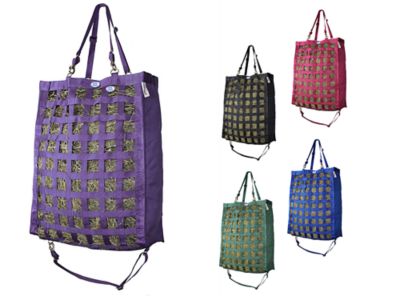
When it comes to keeping horses healthy and content, slow feeders have become a real game-changer out in the barn, especially as the seasons shift from the heat of summer into the cooler days of fall. Horses are natural grazers, designed to eat small amounts of forage throughout the day, and slow feeders help bring that natural rhythm back to the barn or pasture. Instead of gobbling up their hay in a hurry and standing around with empty stomachs, horses with access to slow feeders can nibble away at their own pace. This helps support good digestion, cuts down on the risk of ulcers and colic, and can even help curb those bad habits like cribbing or wood-chewing that sometimes pop up when a horse is bored or hungry. Folks with easy keepers—those horses who seem to put on weight just looking at a flake of hay—really appreciate how slow feeders can help manage caloric intake without leaving their animals feeling deprived. And anyone who’s ever watched a pricey bale of hay get trampled into muddy waste knows the value of a feeder that keeps hay off the ground and in front of the horse, where it belongs.
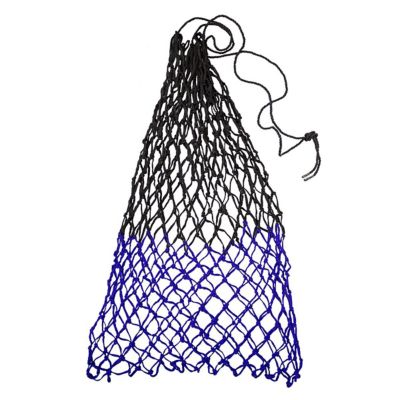
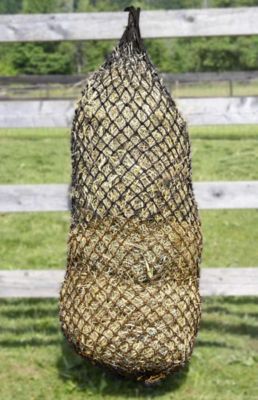
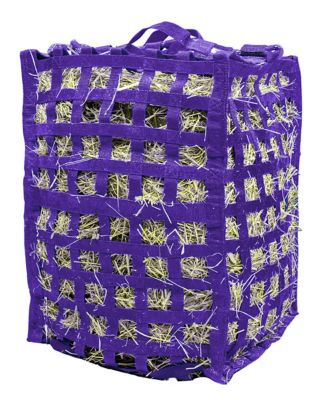
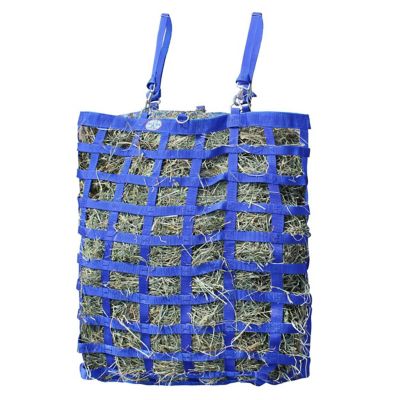
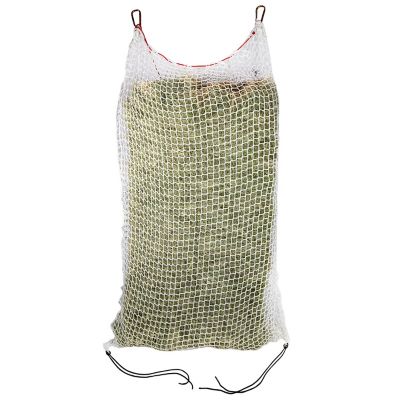
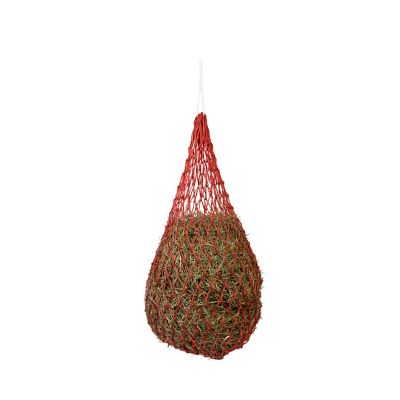
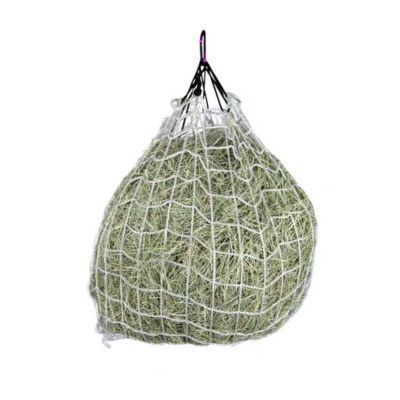
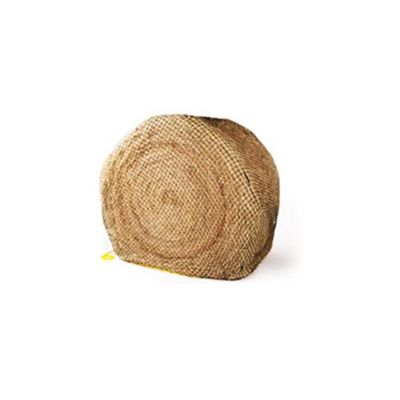
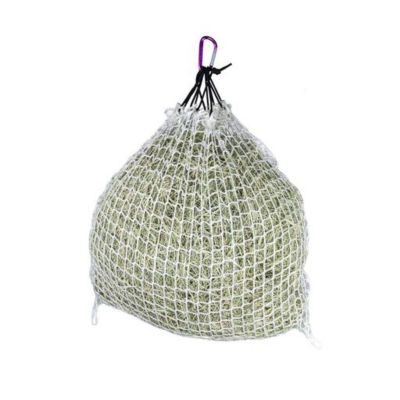
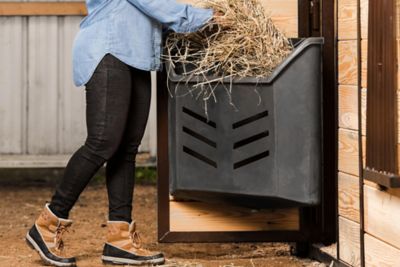
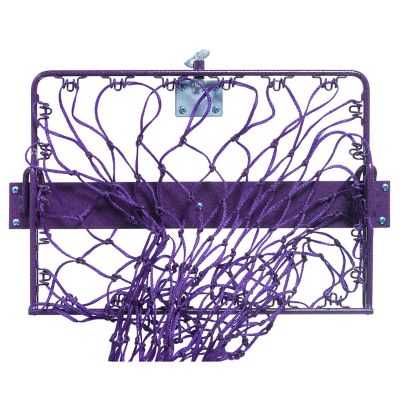
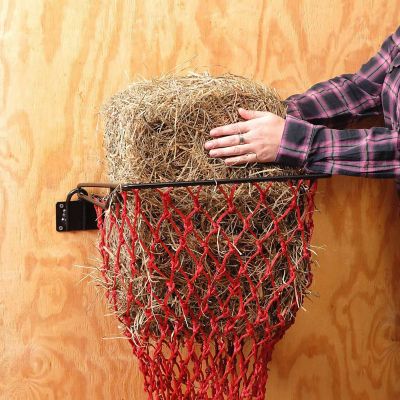
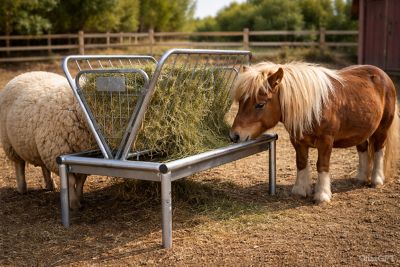
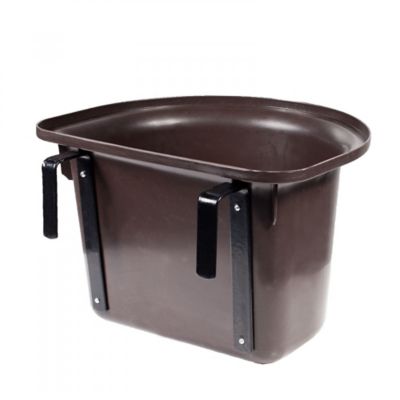
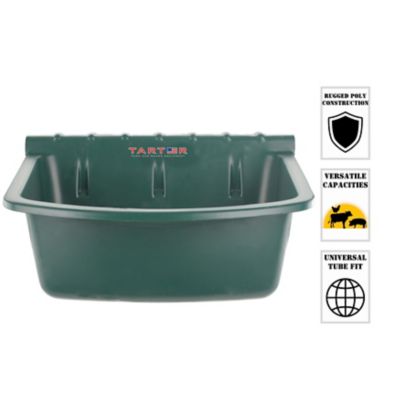
There’s a slow feeder to suit just about any setup, from busy boarding barns to backyard paddocks. Some folks prefer hanging nets and bags, which are lightweight and portable—perfect for tossing in the trailer for a show or hanging in a stall overnight. These come in all sorts of mesh sizes, so you can pick the right one for your horse’s eating style and safety, especially if your horse wears shoes (nobody wants a hoof caught in a net). Others lean toward solid-sided box feeders or ground-level bins with restrictive grates, which let horses eat in a more natural, head-down posture. These are sturdy enough to stand up to the rough-and-tumble crowd and are great for group turnout, since they help cut down on squabbles over hay. Some horse owners even get creative and build their own slow feeders by rigging up a hay net inside a big water trough—just one of those clever barn hacks that make life easier. As the weather changes and horses start spending more time indoors or in smaller paddocks, slow feeders can be a real help in keeping hay clean, dry, and accessible, making chores simpler and reducing waste. They’re also a thoughtful gift for horse owners—especially new ones—since they show you care about both the horse’s health and the owner’s daily routine.
No matter your setup, it’s important to keep safety and horse comfort in mind when picking out a slow feeder. Always check that nets are hung at the right height and that grates are smooth and free of sharp edges, especially in busy barns or around curious foals. For those who want to explore more options for feeding in the stall, there’s a handy collection of
Stall Hay Feeders that can help make feeding time safer and more efficient, all while keeping your barn tidy. Whether you’re looking to stretch your hay supply a little further, keep your horses busy and happy during those long afternoons, or just make chores a bit easier as the days grow shorter, slow feeders are a smart addition to any horse owner’s toolkit.