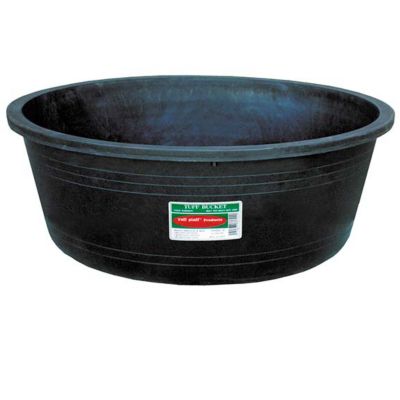
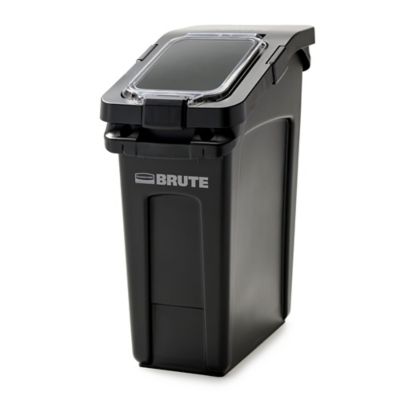
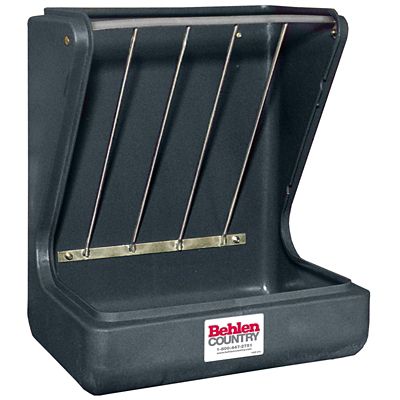
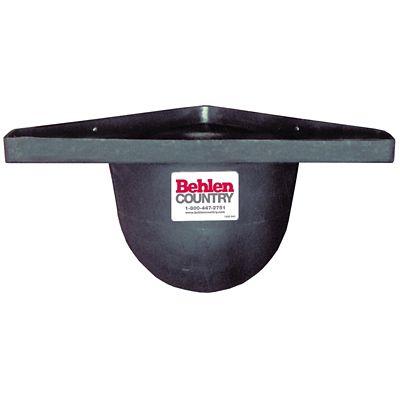
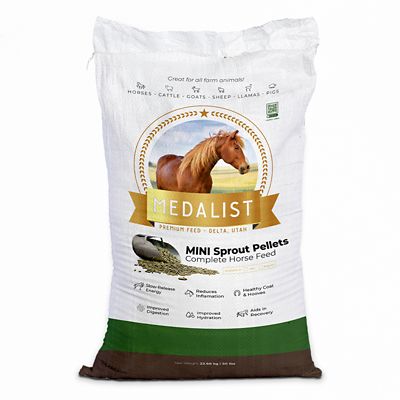
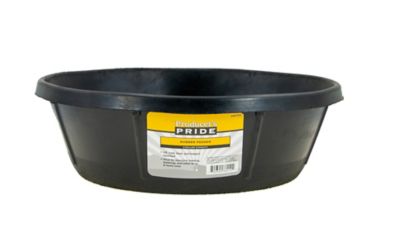
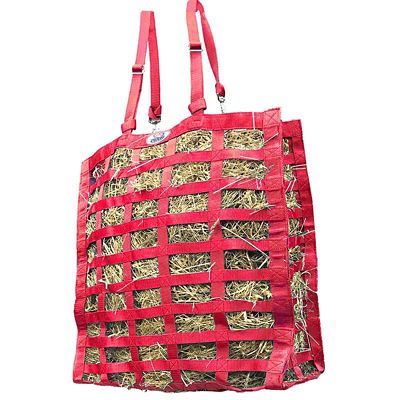
Horse feed containers help keep daily feeding routines cleaner, simpler and easier to manage around the barn. They generally fall into two groups: larger storage bins for holding bagged grain, pellets or ration mixes in the feed room, and smaller buckets, tubs or hanging feeders for serving meals in a stall, paddock or pasture. A well-fitting lid matters for either type, especially when feed is kept near open doors, damp floors or areas where mice and other pests may wander. Look for containers with secure closures, smooth interiors and enough room to scoop without spilling feed over the sides. Tall storage bins can help keep bags and loose feed off the floor, while wide, low tubs make it easier to portion a meal and clean up stray pellets. Some horse owners prefer a separate container for each type of feed or supplement, while others keep one main bin for the daily ration and smaller containers for special additions. Labels can help everyone in the barn follow the same routine, particularly when several horses receive different amounts. It is also smart to check the container’s capacity against the size of the feed bags you bring home. A bin should hold the feed comfortably without forcing the lid open or leaving so much empty space that scooping becomes awkward. For larger barns, multiple sections can keep different feeds apart and make the morning feeding line move along without a lot of back-and-forth.
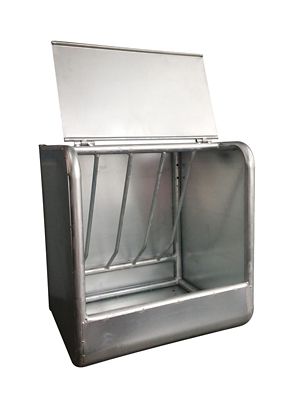
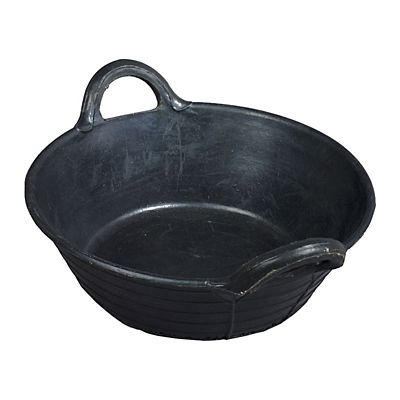
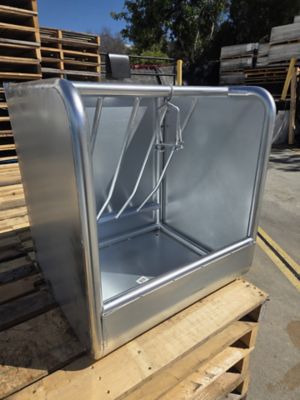
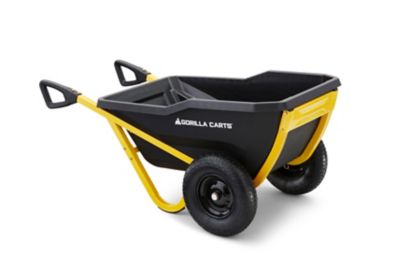
Material and placement are important when choosing horse feed containers. Heavy plastic bins are popular because they are light enough to move, resist moisture and can stand up to the everyday bumps that happen in a busy feed room. Metal containers offer another option for owners who want a firm-sided bin with a tight-fitting lid, while rubber-style tubs are handy for floor feeding and can handle being carried from stall to stall. Wheeled storage bins can make a big difference when feed must travel across a long aisle, from the shed to the barn or from a storage room to the wash rack; a matching
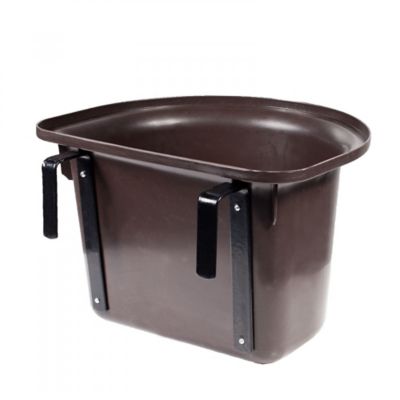
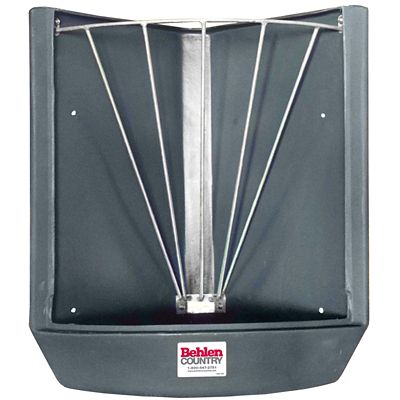
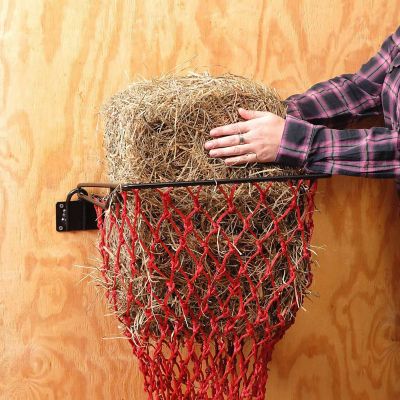
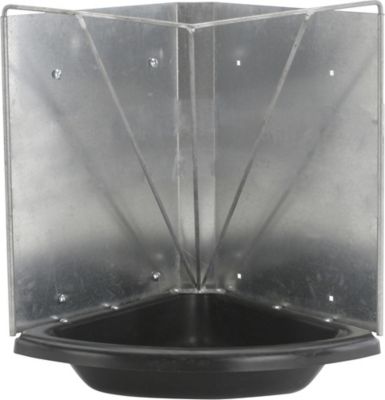
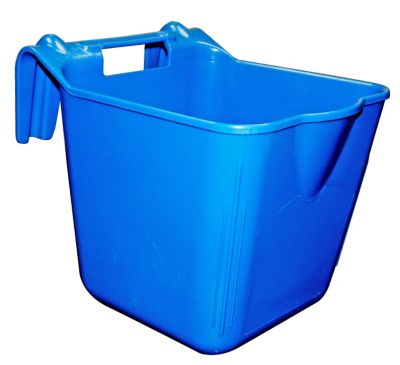
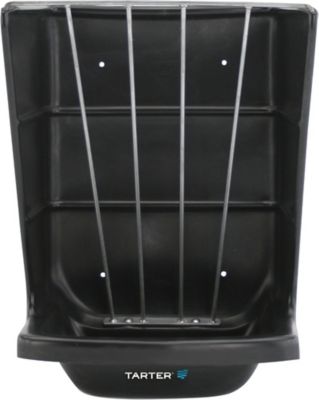
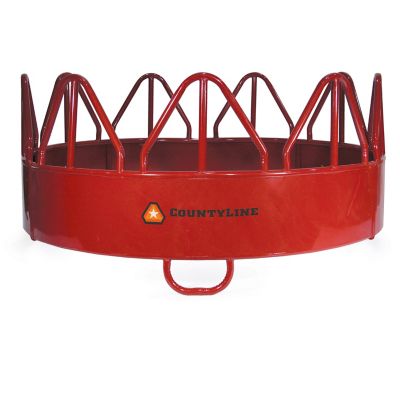
Horse Feed Cart can also help move bags, buckets and other feeding supplies in one trip. For stalls, flat-back buckets sit close to a wall and take up less space than a round container, while hook-over feeders hang from a suitable rail without requiring permanent hardware. In a pasture, choose a feeder that sits securely on the ground or attaches firmly to a fence, and check that its shape does not create sharp edges or easy places for a hoof to catch. High-sided floor tubs may help keep grain from scattering, though every horse has its own way of eating, and some will nudge or paw at a container no matter how carefully it is placed. Before buying, measure the stall rail, fence board or feeding area, then compare those measurements with the container’s width, depth and hanging height. Also think about the path between the storage area and the horse. A narrow doorway, uneven ground or crowded aisle can turn a large container into a hassle, while a smaller bin that is easy to carry may fit your routine better.
Keeping feed dry, fresh and separated starts with the container, but regular care matters just as much. Store bins on a raised surface when possible so moisture from a concrete floor, wash area or muddy footing cannot collect underneath. Keep lids closed between feedings, sweep spilled grain promptly and check corners, seams and lid edges for dust or dampness. Before adding a new supply, empty the container and brush or wash it according to the material, then let it dry fully before refilling. Mixing old feed with a new bag can make it harder to spot changes in smell, texture or appearance, so many horse owners follow a first-in, first-out routine and mark the fill date on the lid or side. Containers should be sized for the amount your barn can store and rotate during the cooler months, rather than simply choosing the largest option available. A smaller household with one or two horses may get more from a pair of easy-carry buckets and one sealed storage bin, while a boarding barn may need several large containers, divided storage and labeled serving tubs. Feed containers also make a practical gift for a new horse owner, a young rider setting up a first stall or a barn manager who is always trying to keep the feed room in order. Whether the goal is cleaner storage, easier portioning or a smoother morning chore, the right container should fit the horse, the feeding space and the rhythm of the people who care for them.