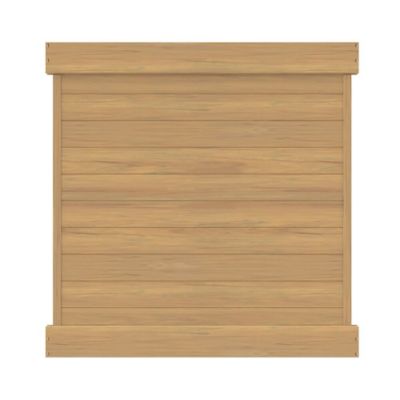
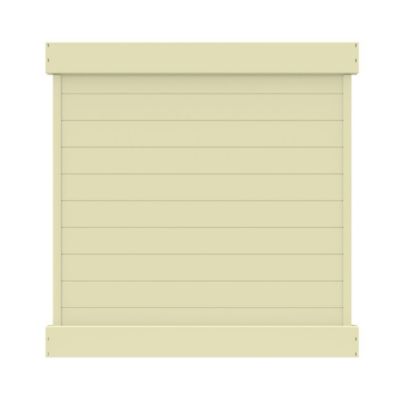
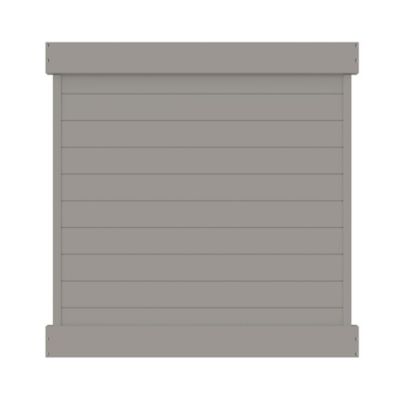
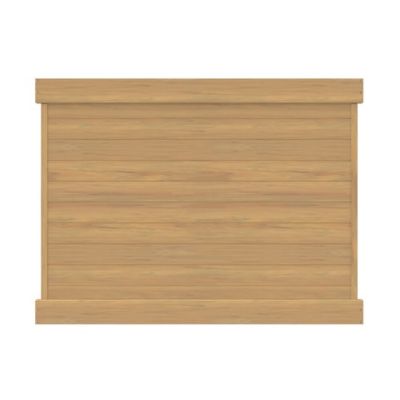
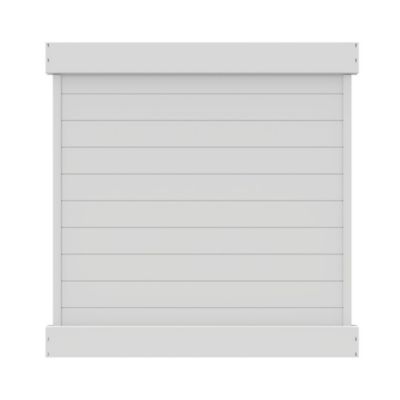
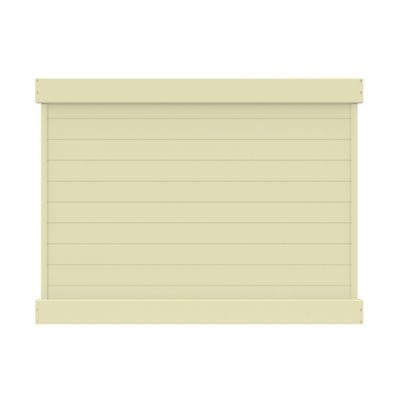
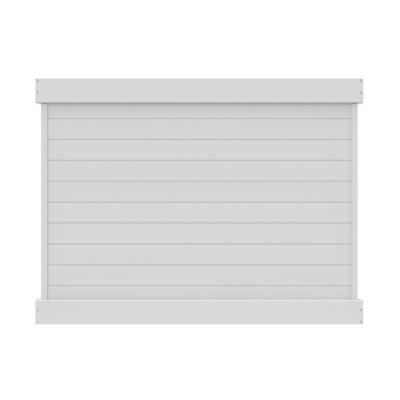
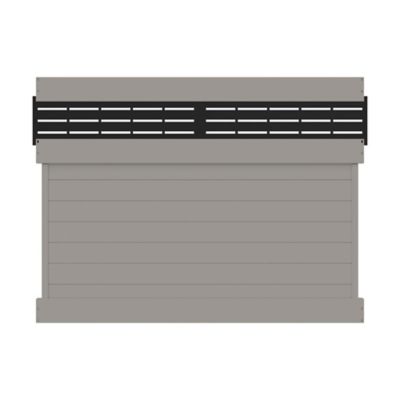
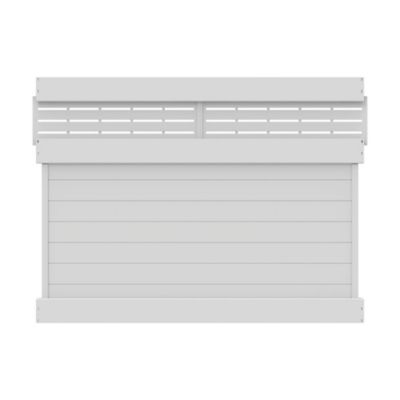
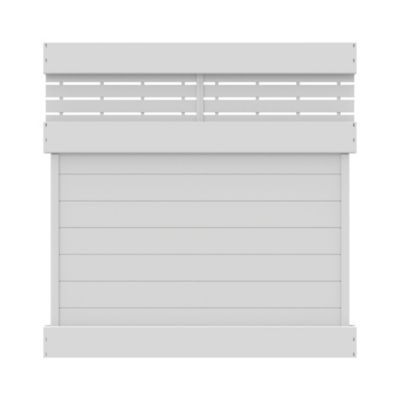
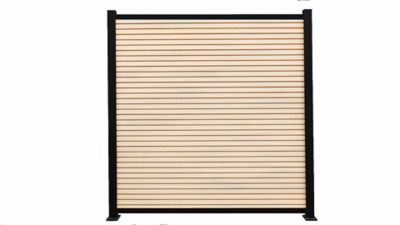
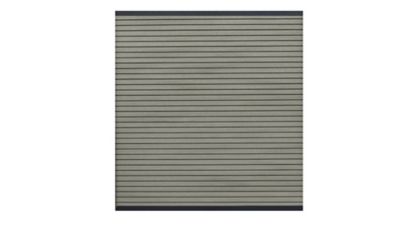
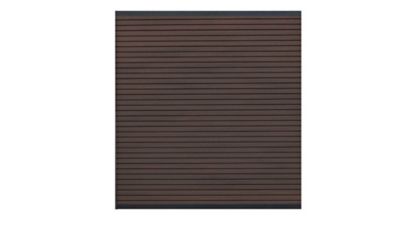
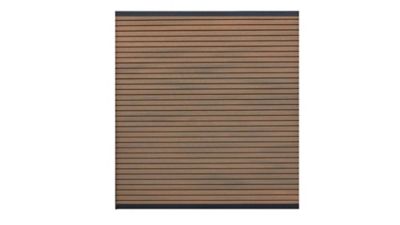
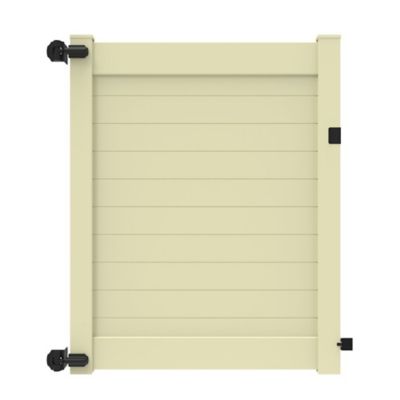
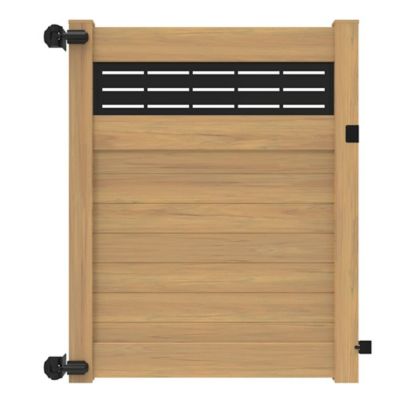
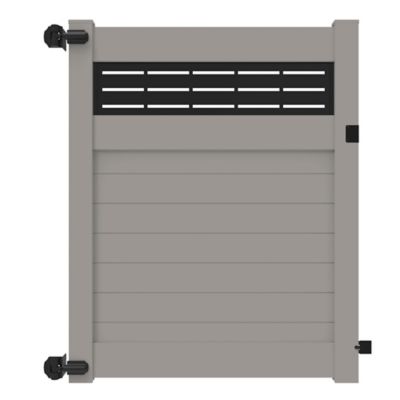
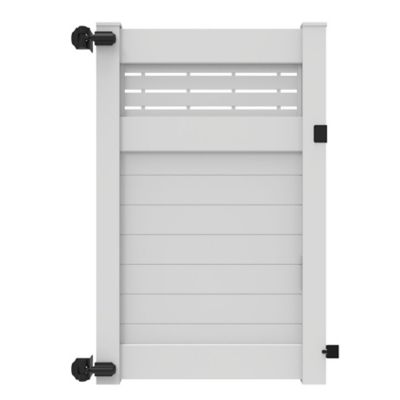
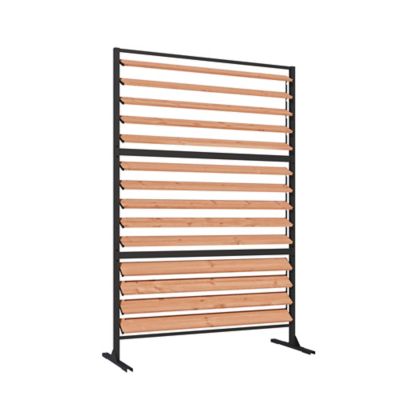
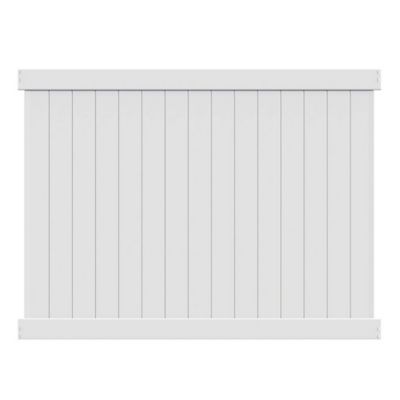
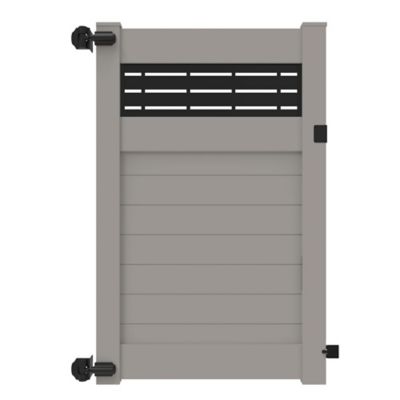
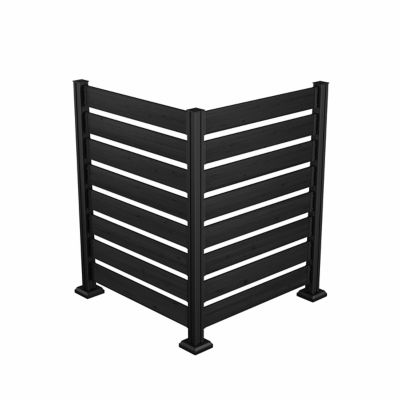
Horizontal privacy fences bring a clean, updated look to a property while still doing the practical work a good fence ought to do. Instead of standing upright like a traditional picket fence, the boards run side to side between posts, creating broad lines that can make a yard, garden, patio, or pasture edge feel more settled and pulled together. This style is popular around newer homes, country properties, workshops, pool areas, and outdoor entertaining spaces, but it can fit just as nicely beside an older farmhouse or cabin. The close spacing helps screen views from the road, neighboring yards, driveways, and nearby buildings, while the horizontal layout gives the fence a simple, modern appearance. When shopping from a selection of horizontal privacy fence materials, start with the job the fence needs to handle. A homeowner may want a tall, solid barrier for a backyard sitting area, while someone enclosing a side yard may prefer a shorter design that offers privacy without blocking every bit of sunlight. A garden fence may need to keep dogs out, mark a boundary, or provide a neat backdrop for raised beds rather than create a completely closed wall. Think about the total run, finished height, gate locations, slope, soil conditions, and how much room is available for posts before choosing materials. It also helps to check local property rules, utility locations, and any neighborhood or homeowners association requirements before digging. Fence panels and boards are only part of the project; sturdy posts, compatible rails or backing, fasteners, caps, hinges, latches, and concrete or other post-setting materials all play a part in how the finished fence looks and holds up.
Material choice has a big effect on the fence’s appearance, upkeep, and long-term value. Wood remains a favorite for its warm grain, familiar farmstead character, and ability to take stain or paint in a wide range of colors. Cedar is naturally suited to outdoor use and has a distinct, rustic look, while treated pine can be a practical choice for many property projects. Wood does require regular attention, especially in areas exposed to rain, strong sun, damp ground, or wide swings in temperature. Allow new boards to dry as recommended, then use an exterior stain or sealer made for the material and local conditions. Periodic cleaning and inspection can help catch mildew, loose fasteners, cracked boards, or areas where water is collecting. Vinyl offers a smooth, consistent finish and generally needs less routine maintenance than wood; washing away dust, mud, and pollen may be all that is needed to keep it looking tidy. Composite fencing can provide the appearance of painted or stained boards with strong resistance to rot, insects, and everyday moisture, making it appealing for busy households that would rather spend their time using the yard than maintaining the fence. Colors and textures vary, so compare samples in both sunlight and shade when possible. Darker finishes can add a handsome, grounded appearance but may show dust or absorb more heat, while lighter colors can help a narrow yard feel more open. For shoppers planning a board-by-board build, browse
Horizontal Fence Boards to find materials suited to the layout and look they have in mind. Whether the project is a weekend DIY job or one handled by a fencing professional, choosing boards, posts, rails, and hardware designed to work together can make installation smoother and give the finished fence a more even appearance.
Horizontal boards need a little more planning than vertical pickets because long boards can bow, sag, or twist if they are not supported properly. Many installations use posts spaced about 6 feet on center rather than wider 8-foot spacing, though the correct distance depends on the board material, thickness, fence height, wind exposure, and the manufacturer’s instructions. Mid-span support, rails, blocking, or backing strips can help keep slats straight, particularly on a tall privacy fence or an open stretch of property where wind has room to push. Take time to set posts plumb and at a consistent height, since small differences become easy to spot once the horizontal lines go in. On sloped ground, decide whether the fence will follow the grade in a stepped pattern or track the slope with carefully fitted boards. Leave the recommended clearance between the bottom board and soil, grass, or standing water to help reduce moisture damage and make trimming easier. Where two boards meet between posts, clean seam placement matters; staggered joints can add strength and vertical trim pieces can cover butt joints for a finished look. Gates deserve extra attention because their weight and daily use put stress on nearby posts and hardware. During the warmer part of the year, a new fence can make a shaded patio or livestock working area more comfortable, while cooler seasons are a good time to inspect posts, tighten hardware, clear leaves, and touch up protective finishes. A well-planned horizontal privacy fence can define a property without making it feel closed in, give children and pets a more secure place to play, create a calmer backdrop for outdoor gatherings, and add a tidy sense of order along the edge of a busy yard.