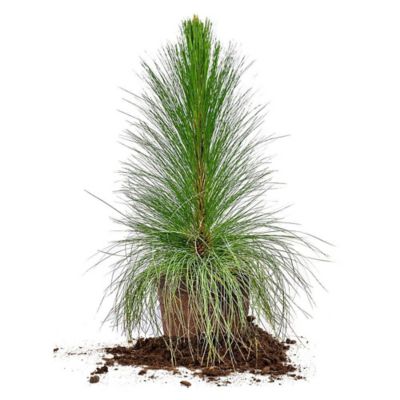
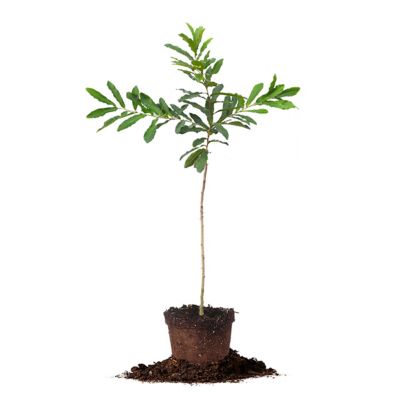
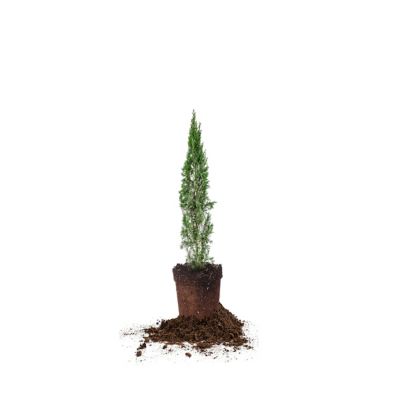
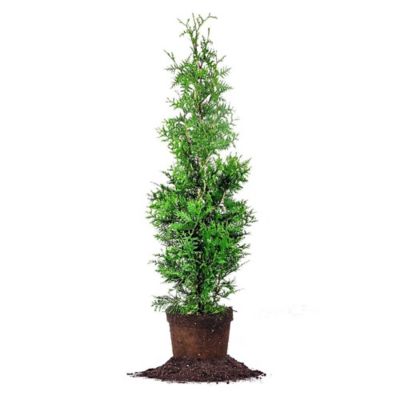
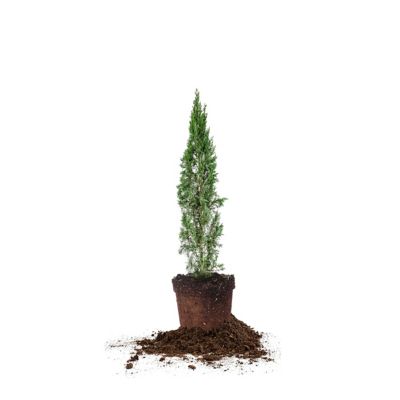
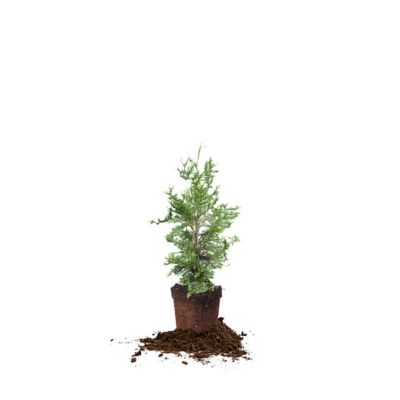
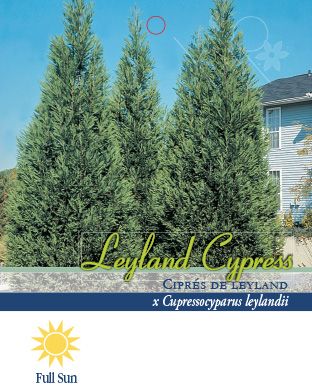
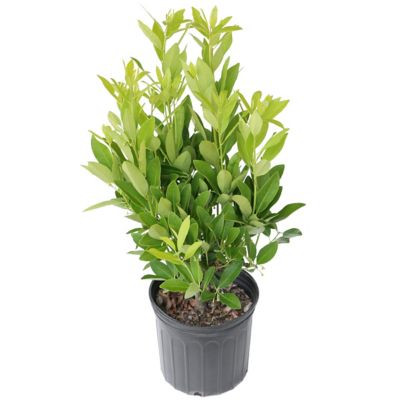
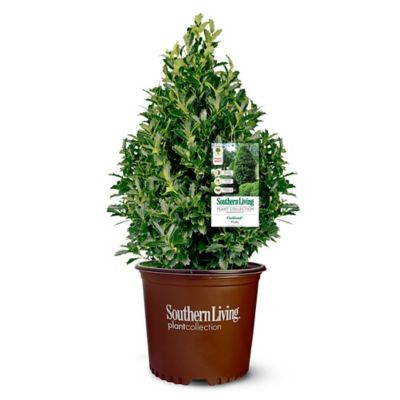
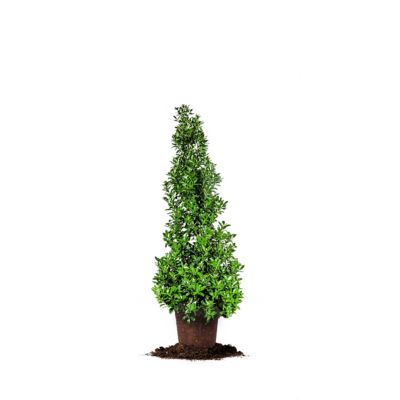
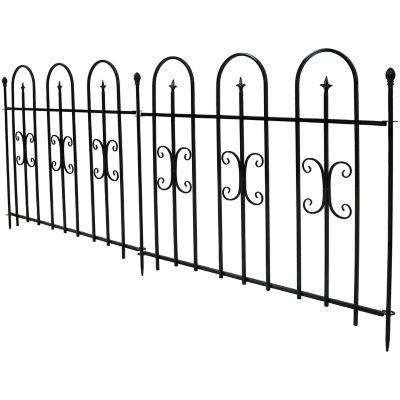
Fast-growing privacy trees offer a natural way to add screening, shade, wind protection, and a little more peace and quiet around a home, farm, or recreational property. Instead of putting up a hard wall, a row of trees can soften the edge of a yard and create a living backdrop that changes with the seasons. Evergreen varieties are especially popular for year-round coverage, while some fast-growing deciduous trees can provide quick summer screening and attractive fall color. Under favorable conditions, certain privacy trees may grow 3 to 5 feet in a year, though actual growth depends on the variety, climate, soil, moisture, sunlight, and the tree’s age when planted. A young tree that spends its first season building a strong root system may not put on dramatic top growth right away, and that is normal. Once established, healthy trees usually settle into a steadier growth pattern. These trees can be a good fit for homeowners who want to define a property line, families looking to make a backyard feel more private, or rural landowners who need a windbreak along a driveway, garden, livestock area, or outdoor work space. They can also make a thoughtful housewarming gift for someone settling into a new home or improving a bare stretch of land, especially when paired with basic planting supplies and a simple care plan. For yards where living greenery is not the right fit, take a look at
Garden Privacy Fences for another way to create a more secluded outdoor space.
Before choosing fast-growing privacy trees, take a close look at the planting area from the ground up. Full sun is the best starting point for many evergreen screens, with six or more hours of direct light helping trees develop dense, even growth. Some varieties tolerate partial shade, but limited light may lead to thinner foliage and slower growth. Soil drainage matters just as much. A privacy tree may handle clay, sand, or ordinary garden soil once established, but roots generally struggle when water sits around them for long periods. Notice where rain collects after a storm, where downspouts empty, and whether the ground stays damp near a low spot. Mature height and width are equally important. A tall, broad tree can be a fine choice along a large back boundary but may overwhelm a narrow side yard, crowd a walkway, or grow into utility lines. Narrow, columnar forms work well where planting space is limited, while wider pyramidal forms can fill an open property edge more quickly. Check the recommended spacing and think about the finished screen rather than only the size of the trees in their containers. Trees planted too far apart may leave open gaps for years, while trees packed tightly together can compete for water, nutrients, and airflow as they mature. A common approach is to plant close enough for the crowns to overlap over time without forcing trunks and roots into an overcrowded row. Keep a safe distance from buildings, fences, septic areas, underground lines, driveways, and overhead wires, and confirm local planting rules when trees will sit near a property boundary. Larger, well-established container trees may cost more at purchase, but they can shorten the waiting period and often give a new screen a stronger visual start than very small starter trees. Look for healthy green foliage, a firm root ball, and a container size that can be handled and planted without damaging the roots.
The first year is the most important stretch for helping privacy trees get settled. Planting during a cooler, less stressful part of the growing season can make it easier for roots to establish, but trees still need steady attention whenever the weather is warm or dry. Water slowly and deeply at the root zone rather than giving the foliage a quick sprinkle, allowing moisture to soak down where new roots can reach it. Check the soil a few inches below the surface and adjust watering for rainfall, temperature, soil type, and the tree’s container size. Newly planted trees often need regular watering through their first growing season and continued attention during dry spells in the following year. A two- to three-inch layer of mulch can help hold moisture, moderate soil temperature, and reduce competition from grass and weeds. Keep mulch pulled back a few inches from the trunk so the bark stays dry and can breathe. Fast-growing trees benefit from room to develop, so avoid heavy pruning at planting unless a damaged or dead branch needs to be removed. Once the trees begin filling in, light shaping can help maintain a tidy line, but cutting too aggressively may leave bare spots or reduce the dense foliage that provides privacy. During the warmer part of the year, watch for wilting, browning, or dry soil; during cooler months, inspect for broken branches, standing water, and wind damage. With the right match between tree, soil, space, and climate, a privacy planting can become one of the hardest-working features on a property, turning an exposed yard into a comfortable place for morning coffee, weekend chores, family gatherings, or a quiet evening outdoors.