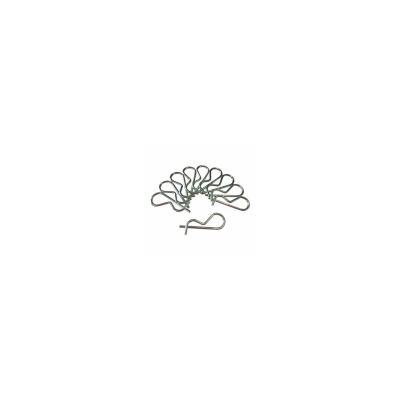
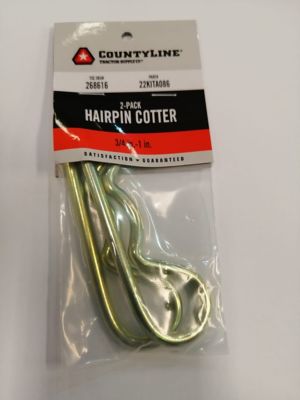
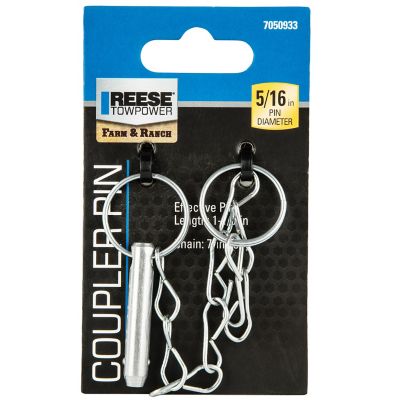
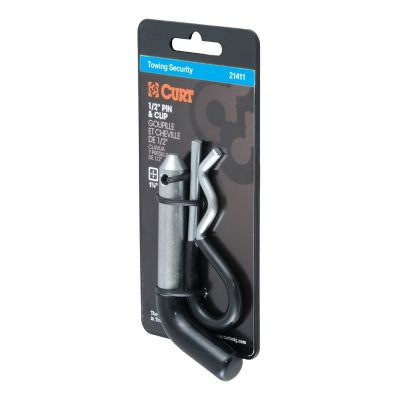
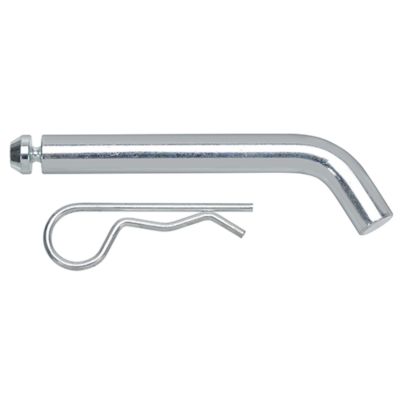
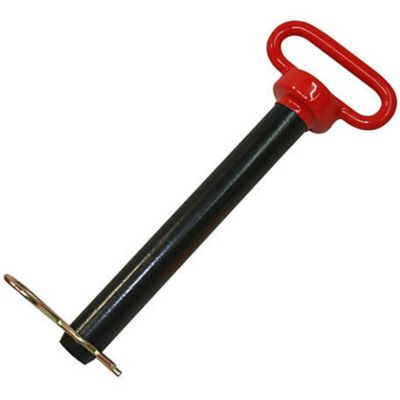
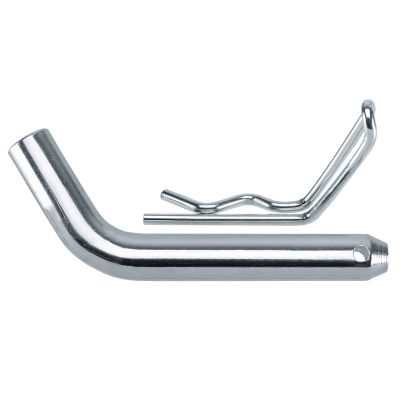
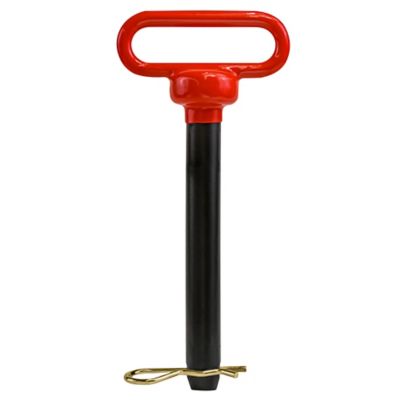
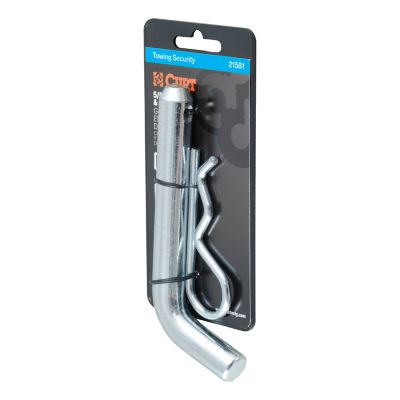
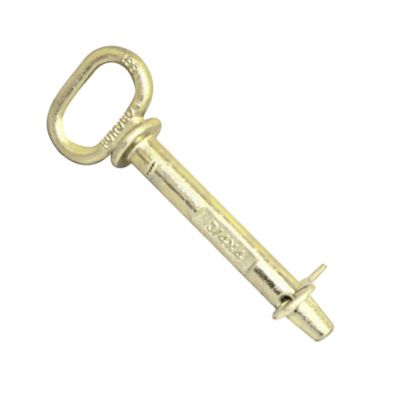
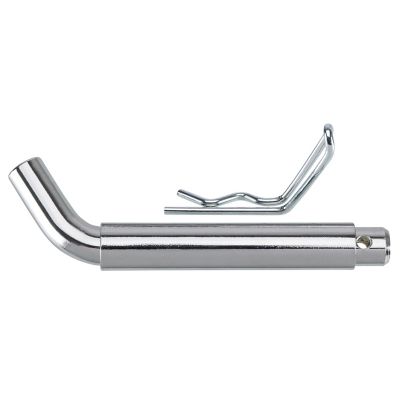
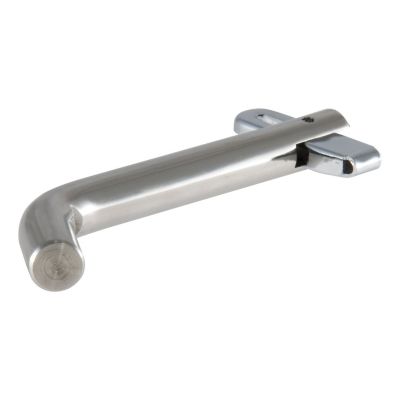
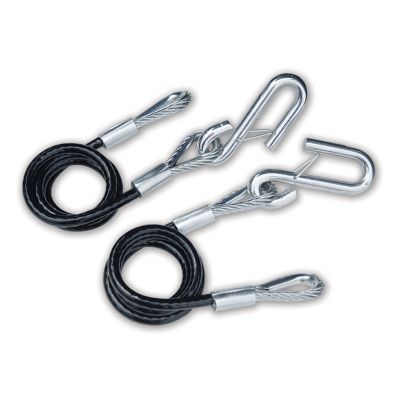
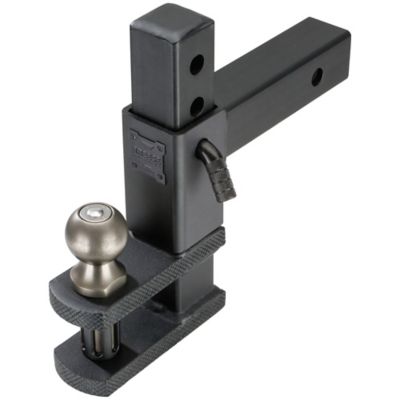
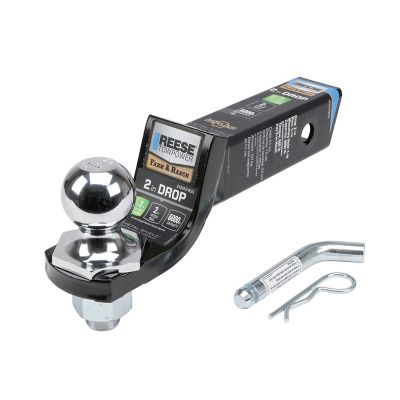
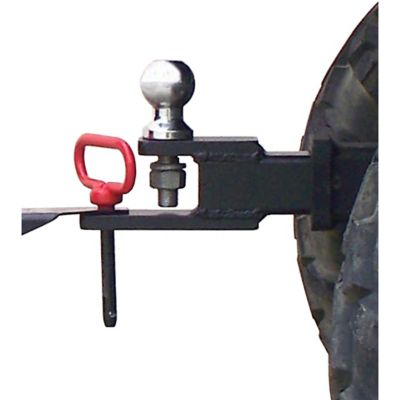
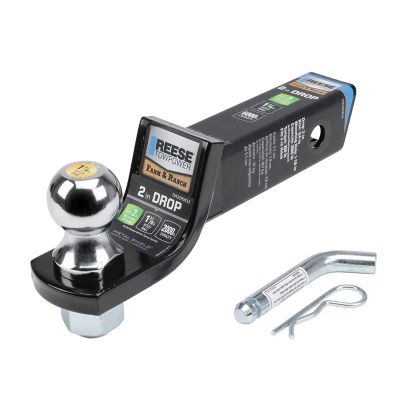
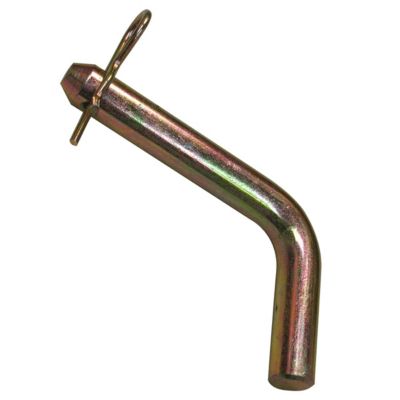
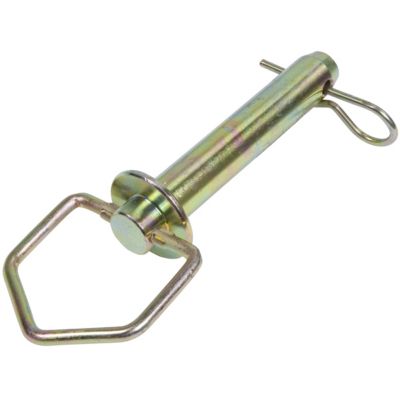
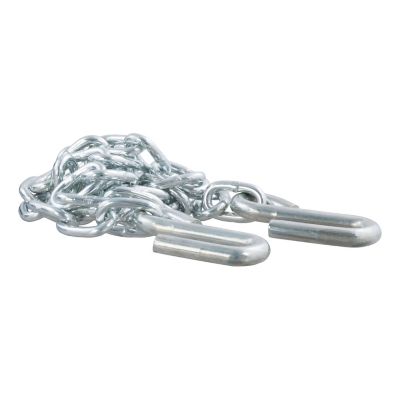
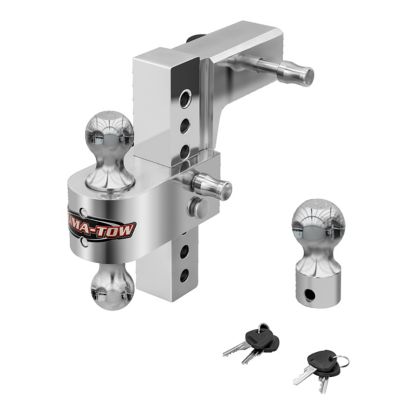
Hitch clips are small, easy-to-overlook parts that help keep a trailer hitch pin, drawbar, cargo carrier, or other hitch-mounted accessory secured in the receiver. Also called hitch pin clips or R-clips, these fasteners are commonly made from spring steel and have a looped or “R” shape with one straight leg and one curved leg. The clip snaps over the exposed end of a hitch pin, helping prevent the pin from sliding out of the receiver tube while you travel. The clip does not replace the hitch pin; it works with the pin as part of the connection. That simple setup is found on everything from utility trailers and farm trailers to bike racks, cargo carriers, winch mounts, and other towing accessories. When choosing a hitch clip, start by checking the pin it needs to fit. A clip for a smaller 1/2-inch pin is not the right match for a larger 5/8-inch pin, and the opening, wire thickness, and overall shape should allow the clip to snap firmly into place without excessive force. Smaller 1-1/4-inch receiver systems often use 1/2-inch hitch pins, while many standard 2-inch and 2-1/2-inch receiver systems use 5/8-inch pins. Measure the pin already in your setup or check the hitch and accessory specifications before ordering. Keeping a few correctly sized spares in the truck, tool box, or trailer tongue box is a practical habit, especially when a clip gets dropped in the gravel or disappears into tall grass during a hitch change.
A good hitch clip should fit snugly and hold its shape through regular use. Before each trip, take a quick look at the clip, hitch pin, receiver, and accessory connection. A clip that is bent open, cracked, badly rusted, stretched out, or missing its spring tension should be replaced before the trailer or attachment is moved. Dirt, road salt, moisture, manure, and fine dust can all collect around hitch hardware, particularly on equipment that spends time on gravel roads, muddy lanes, or wooded trails. Wipe away heavy buildup and use a light rust preventative on compatible metal surfaces, following the care instructions for the hitch components. Do not force a clip that is too small, and do not rely on a loose clip simply because the pin appears to stay in place. The curved leg should pass around the end of the pin and sit securely against it, while the straight leg rests through the pin’s hole. A properly fitted clip helps keep the pin from backing out as vibration travels through the vehicle and trailer. It is also worth checking the connection after changing from one attachment to another. A hitch pin that worked with a utility trailer may not be the same size needed for a cargo carrier or other receiver accessory. For related towing hardware and connection options, browse
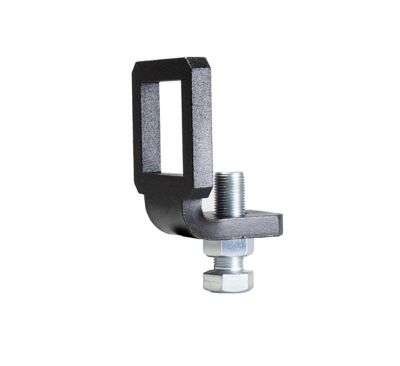
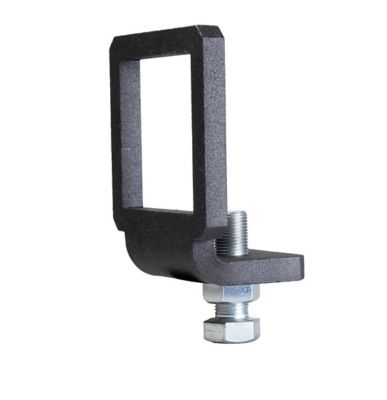
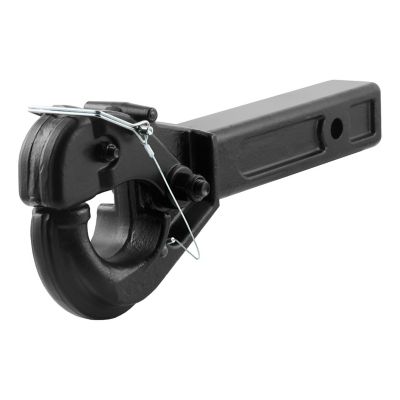
Trailer Hitch Hooks alongside hitch clips and pins to help keep the right parts together for the job.
Hitch clips are useful for farmers, ranchers, landscapers, contractors, property owners, and anyone who regularly moves equipment behind a truck or SUV. They are handy during busy stretches when a trailer may be swapped between a mower, a load of feed, a stack of fencing supplies, or a trip to the hardware store. They also make a thoughtful, practical gift for a new truck owner, a neighbor who hauls firewood, or someone setting up a first utility trailer. A small assortment of common sizes can be especially useful for a farm or home workshop, where the right fastener always seems to be needed when the nearest parts counter is a long drive away. Store spare clips in a labeled container with the matching hitch pins so they are easy to find with cold hands or in fading daylight. During the warmer part of the year, inspect hardware after dusty roads, boat ramps, camp trips, and hauling work around the property; during the cooler months, pay close attention to moisture, mud, and road treatments that can speed up corrosion. Hitch clips are inexpensive compared with the equipment they help secure, but proper sizing and regular inspection matter more than simply having any clip on hand. Choosing a sturdy clip that matches the pin diameter, keeping it seated correctly, and replacing worn hardware promptly are straightforward steps that help support a dependable towing setup from the driveway to the back forty.