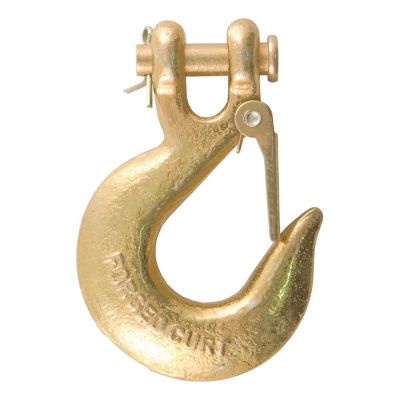
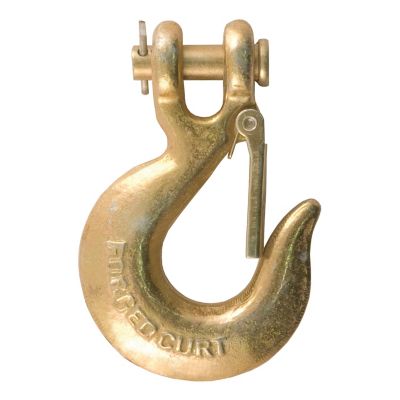
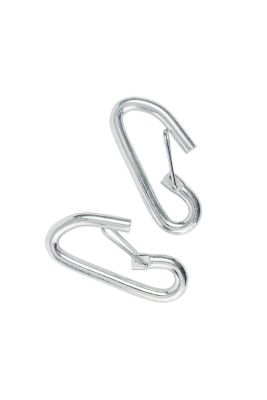
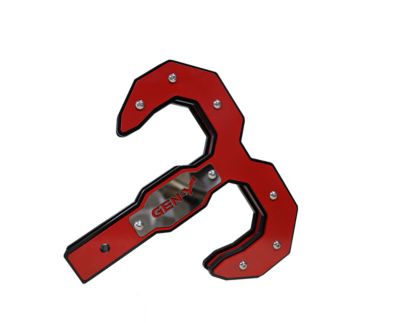
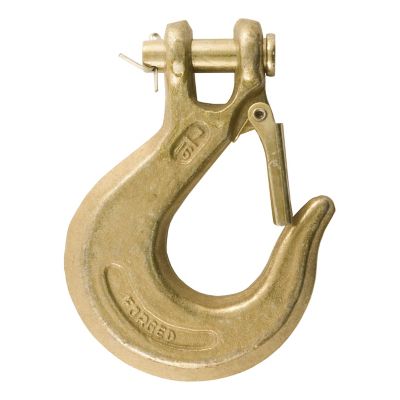
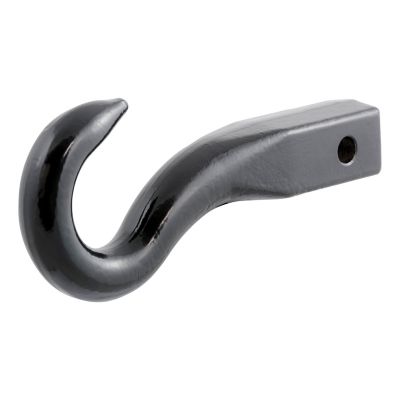
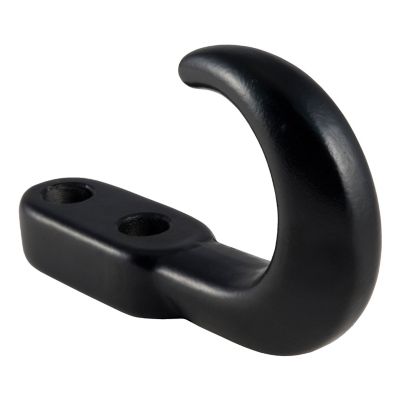
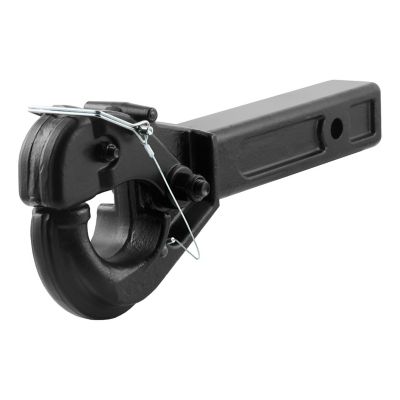
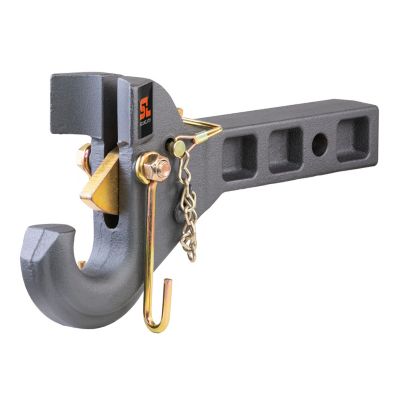
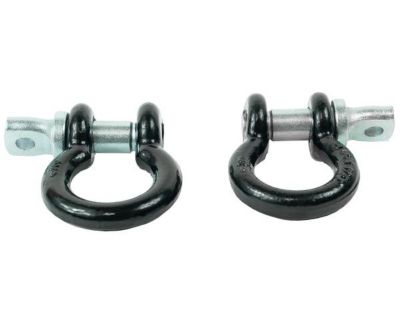
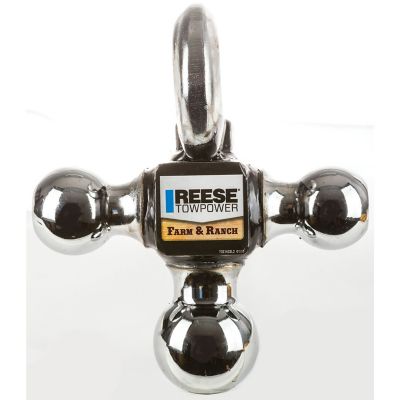
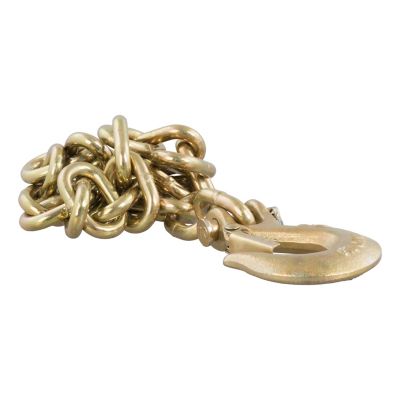
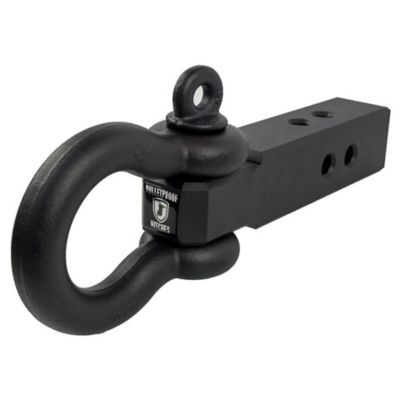
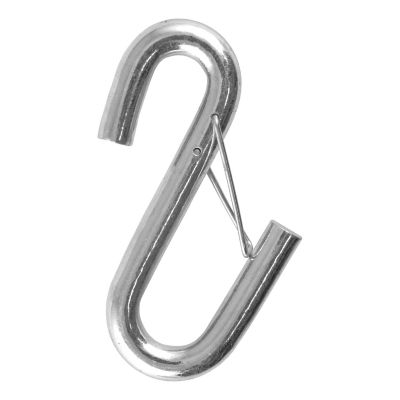
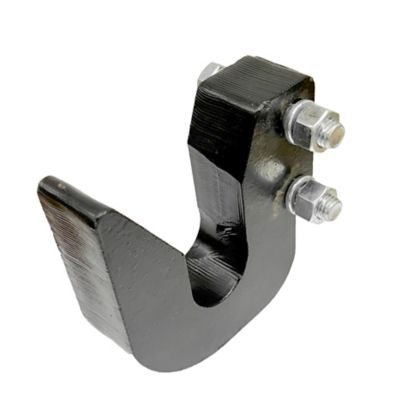
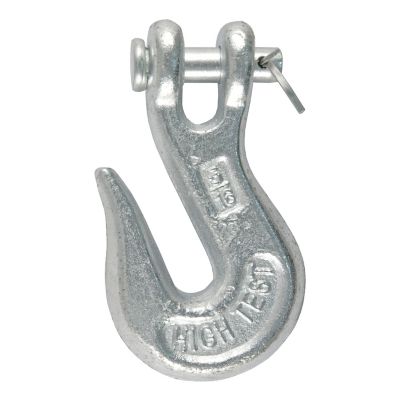
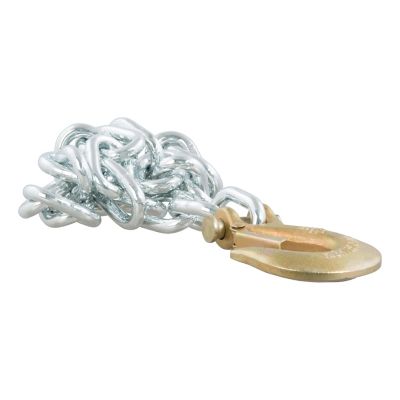
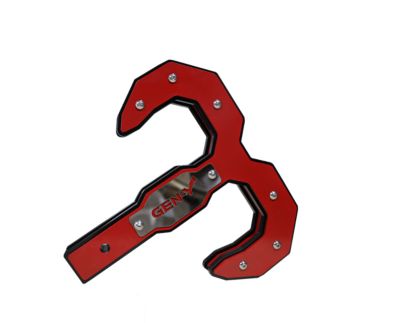
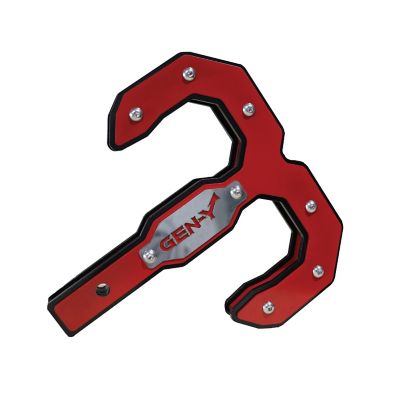
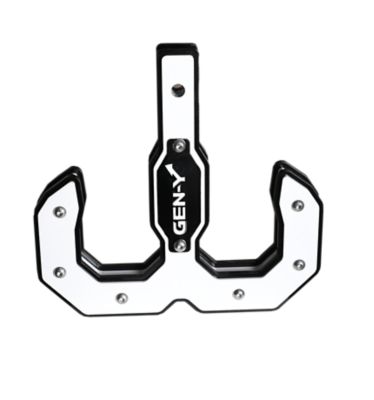
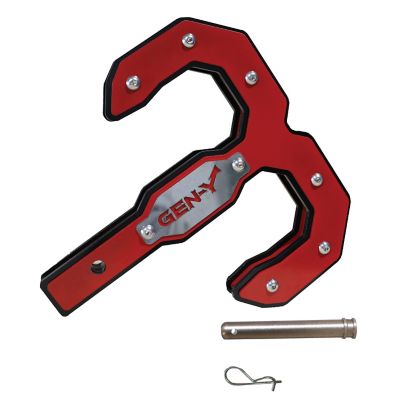
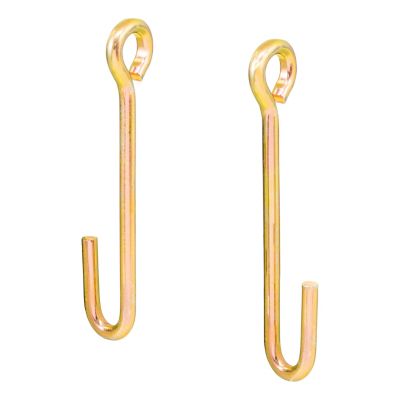
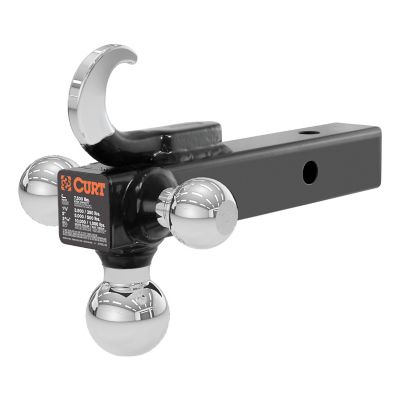
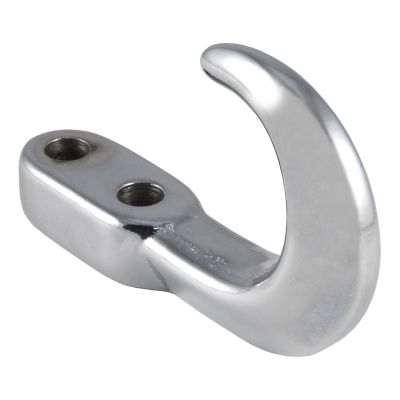
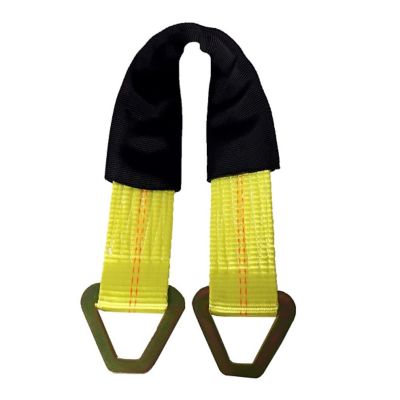
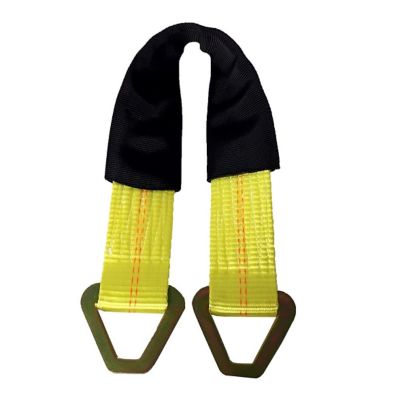
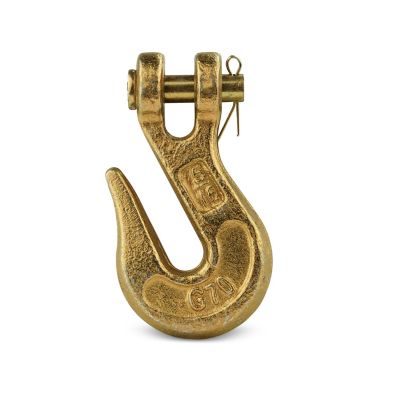
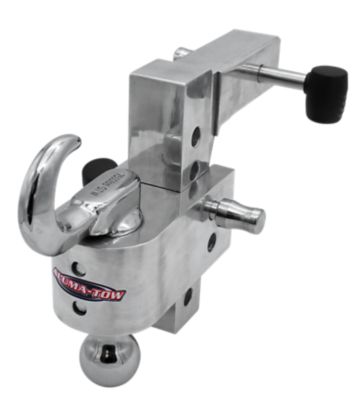
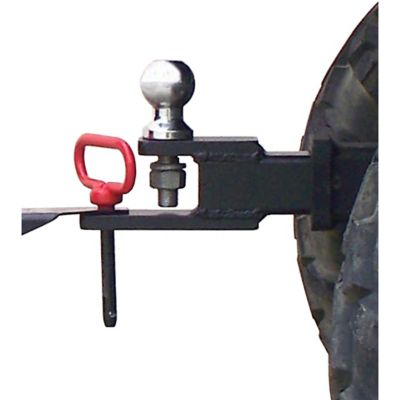
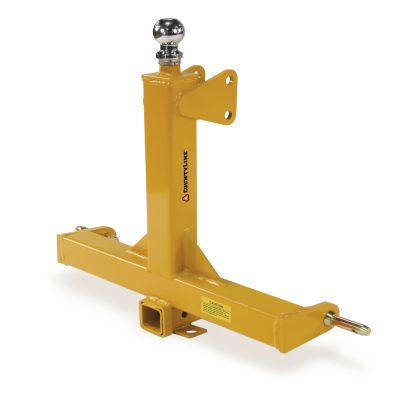
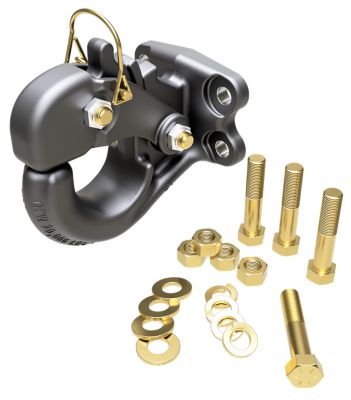
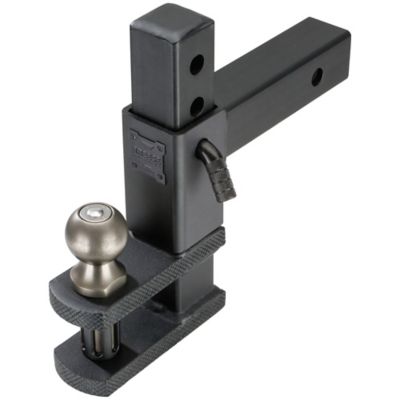
Trailer hitch hooks are handy towing accessories for the work that happens behind a pickup, SUV, tractor, or utility vehicle. They may be used to connect safety chains, secure a trailer, move equipment around a property, or add a dependable attachment point to a hitch receiver. Farmers, ranchers, landscapers, homeowners, hunters, campers, and anyone who regularly hauls tools or materials can put them to work. A sturdy hook can make trailer setup feel less awkward when you are working in a gravel drive, muddy lot, or dim barnyard, especially when a chain needs to be connected quickly and kept clear of the ground. When shopping, start by matching the hook or hitch-mounted attachment to the receiver size and towing setup on your vehicle. Common receiver sizes are not interchangeable without the right adapter, and the hitch, hook, chain, ball mount, trailer, and vehicle should all be rated for the load being moved. The lowest-rated part sets the limit, so a heavy-looking hook is not automatically suitable for a heavy trailer. Check the listed working load limit or gross trailer weight rating, depending on the item, and consider the type of pull involved. A light utility trailer carrying lawn equipment calls for different hardware than a loaded livestock trailer, a boat trailer, or a trailer used to haul firewood over uneven ground. Hook shape and opening size also matter. The hook should accept the chain or attachment point without forcing it, while the latch or retaining feature, when included, should close securely and stay clear of anything that could catch while traveling. Durable steel construction, a protective finish, and a well-made pin or keeper can help an attachment stand up to dust, rain, road spray, and the occasional bump against a trailer frame. For a broader look at towing add-ons and ways to outfit a vehicle or trailer, browse
Hitch Attachments.
Safe trailer hookup starts with a good match between the tow vehicle and the trailer. Before connecting, the trailer should be on level ground when possible, with the wheels secured as needed, and the coupler, chains, hitch, and wiring should be in serviceable condition. The tow vehicle is aligned by backing slowly until the hitch ball sits directly beneath the trailer coupler. Many folks find it easier with a spotter using clear hand signals, especially in a crowded farm drive or when the sun is low behind the vehicle. Once aligned, the trailer jack lowers the coupler onto the ball until the tongue weight is fully supported. The coupler latch needs to be in the locked position, with the required safety pin or lock installed through the latch mechanism so it cannot lift open during travel. The jack is then raised fully and secured in its travel position. Safety chains are connected to the designated attachment points on the tow vehicle, crossed underneath the coupler, and kept short enough to help support the tongue if the trailer ever separates, without dragging on the road. Trailer wiring plugs into the matching vehicle socket, and the connection should be supported so it does not scrape the ground or pull tight during turns. Before pulling away, test the running lights, brake lights, and turn signals, then take a slow look at the coupler, pin, chains, jack, tires, and load. A hook or chain connection should never be used beyond its rating, substituted for a properly locked coupler, or attached to a thin bumper, loose panel, or other spot that is not designed for towing. Vehicle and trailer manuals, hitch labels, and local requirements are the best sources for exact weight limits and connection points. After a short distance, a quick stop in a safe location to check the setup can catch a loose pin, shifted load, or chain that has settled too close to the pavement.
The right trailer hitch hook can be useful for more than one job around a property. A person who keeps a small utility trailer for hauling brush, feed, fencing supplies, or bags of soil may appreciate a reliable hook as a practical addition to the truck or trailer toolbox. Campers can use suitable towing hardware when moving a trailer loaded with firewood, coolers, outdoor gear, or bicycles, while a new homeowner may find it helpful for cleanup projects, garden work, and trips to pick up building materials. It can also be a thoughtful gift for someone who spends weekends maintaining acreage, hauling a mower, tending a hunting camp, or helping neighbors with farm work. Before giving one as a gift, it helps to know the receiver size, trailer type, chain diameter, and weight range the recipient commonly uses; towing gear is most useful when it fits the equipment already in the driveway. Seasonal work can bring extra wear to these connections, from wet leaves and road grit during the cooler months to mud, manure, and dust around the barn. Keeping hooks and related hardware clean, checking for bent metal or stretched openings, and replacing worn retainers or damaged chains helps keep the setup ready for the next haul. Surface rust, deep pitting, cracked welds, a missing pin, or a latch that does not close properly are signs that an attachment should be removed from service. Store loose towing accessories where they will not be buried under feed sacks or left in standing water, and keep the rating information with the equipment for easy reference. Whether the trailer is carrying a load across town or making a slow trip down a gravel lane, properly matched hitch hooks and careful connections add a solid measure of control and peace of mind.