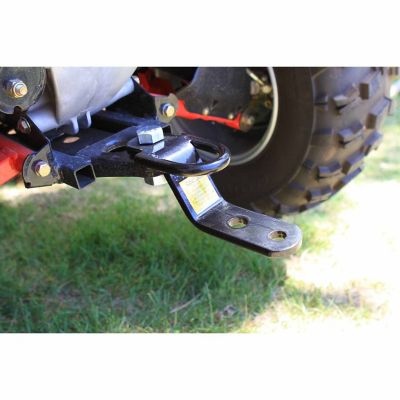
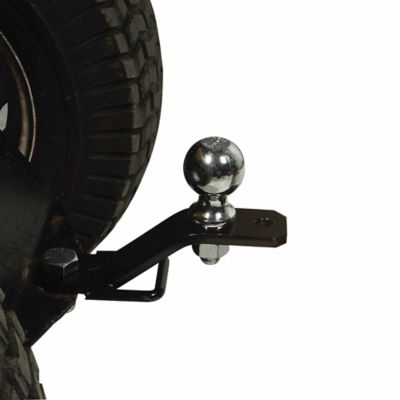
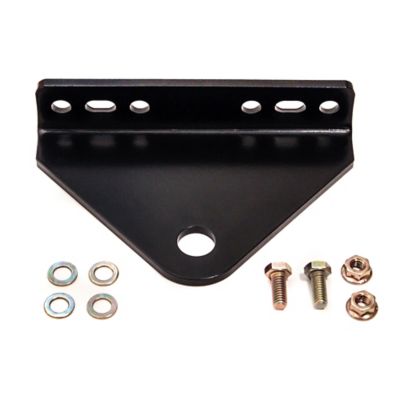
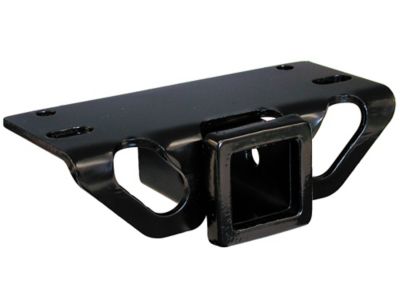
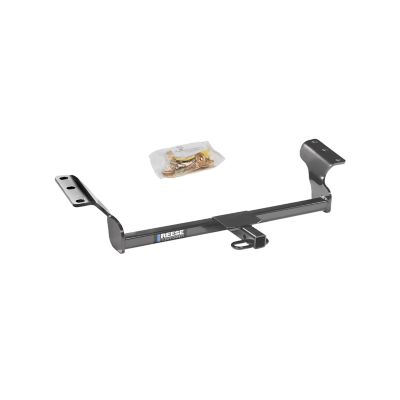
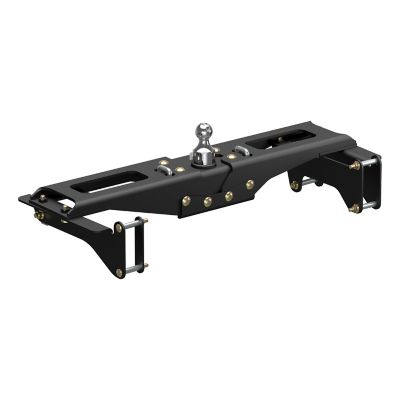
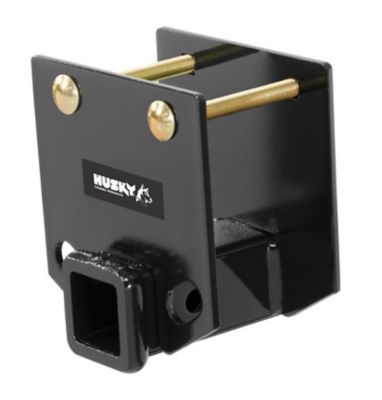
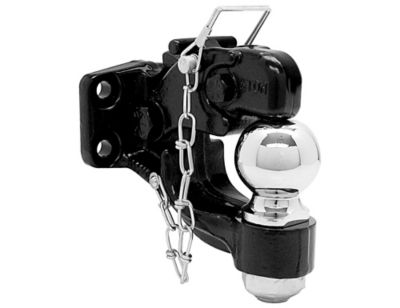
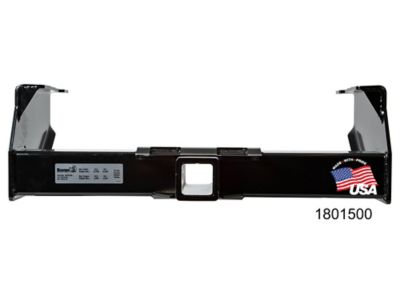
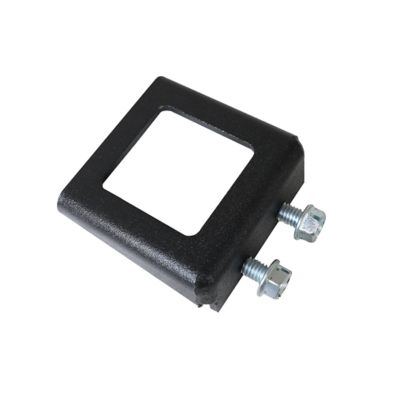
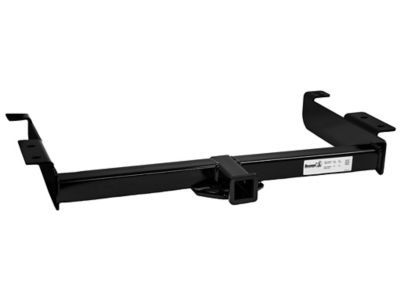
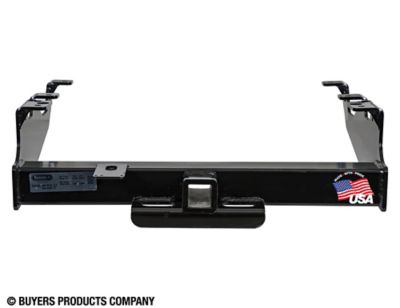
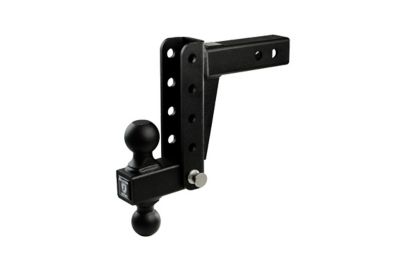
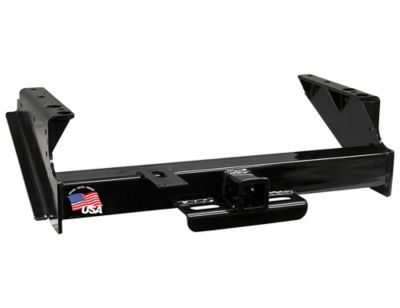
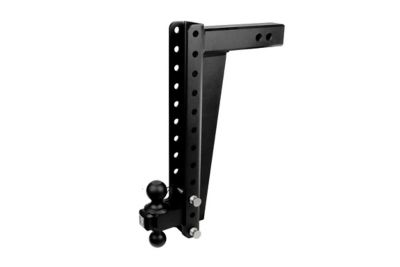
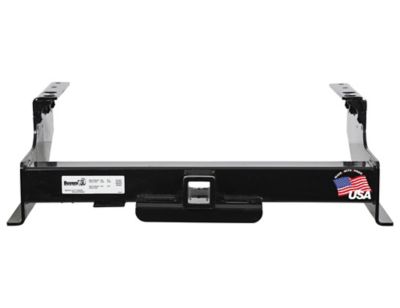
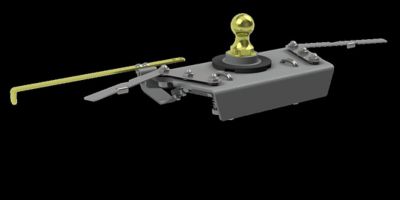
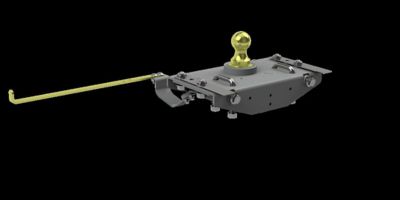
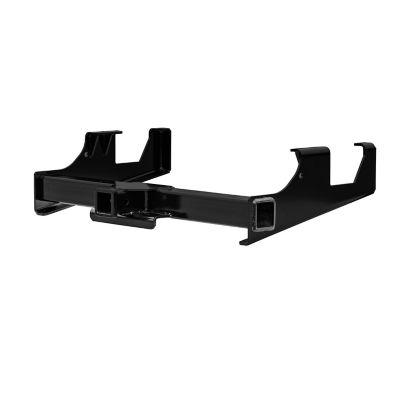
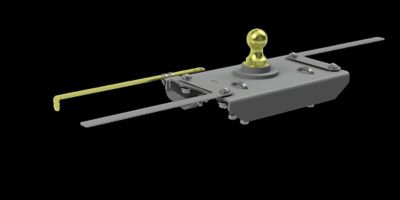
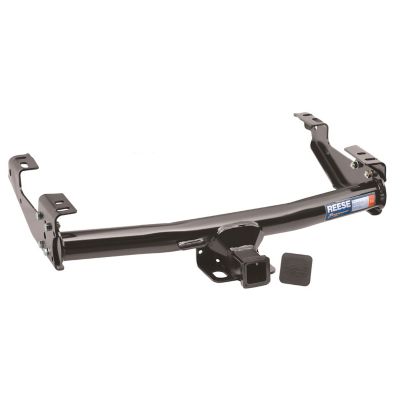
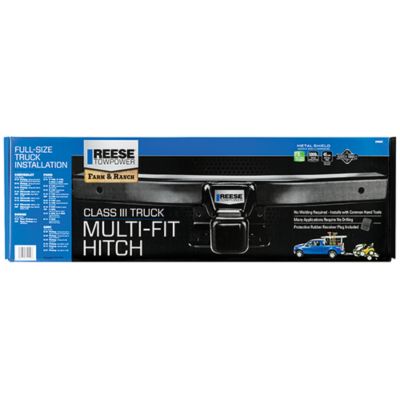
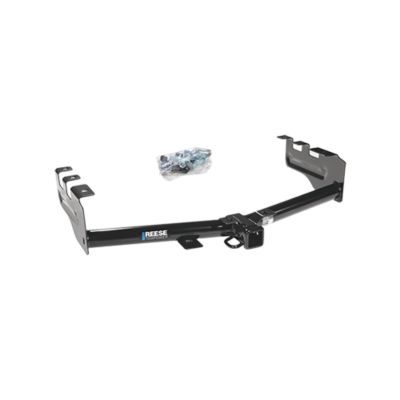
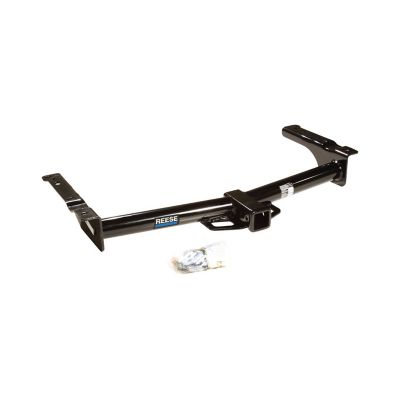
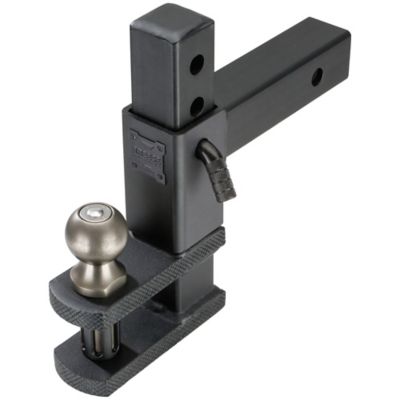
Bolt-on hitches are a handy way to add towing and carrying capability without welding a hitch directly to your vehicle. These hitches are designed to attach to the vehicle’s frame or step bumper with bolts, nuts and existing mounting points, making them a practical choice for many trucks, SUVs and other compatible vehicles. Depending on the style, a bolt-on hitch may provide a receiver tube for a ball mount, utility trailer, bike rack or cargo carrier, or it may connect directly to a step bumper for lighter-duty towing. Because fit can vary from one vehicle to another, start by checking your vehicle’s year, make, model and body configuration, along with the hitch’s fitment information. A hitch built for a full-size pickup may not fit a compact SUV, and differences in frame design, bumper style, wheelbase and factory equipment can matter. Some vehicle-specific hitches are made to line up with factory holes for a cleaner installation, while universal options may require a different mounting approach. Most bolt-on installations call for common hand tools, but a torque wrench is especially useful for tightening fasteners to the manufacturer’s specifications. On an older work truck, rust, damaged threads or packed-in road grime can make a straightforward job take longer, so give the mounting area a good inspection before beginning. If the frame or bumper is bent, cracked or heavily corroded, have it checked by a qualified technician before adding towing equipment. The right hitch should match the job, not simply look sturdy. Pay attention to the gross trailer weight rating, tongue weight rating and the rating of the vehicle itself, since the safest capacity is limited by the lowest-rated part of the towing setup. A hitch rated for more weight does not increase the vehicle’s factory towing capacity. You will also want to confirm the receiver tube size, with common options including 1-1/4-inch, 2-inch and heavy-duty 2-1/2-inch receivers. The receiver size must match the shank on the ball mount, bike rack or other accessory, unless a properly rated adapter is used. For more ways to outfit a receiver for work, travel and everyday hauling, browse
Hitch Attachments.
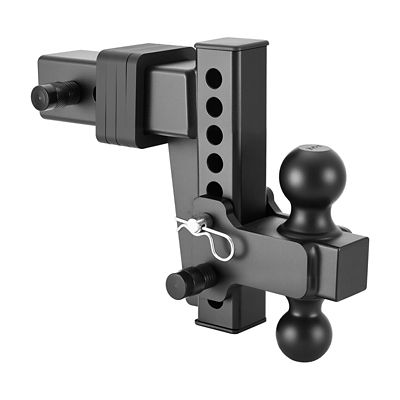
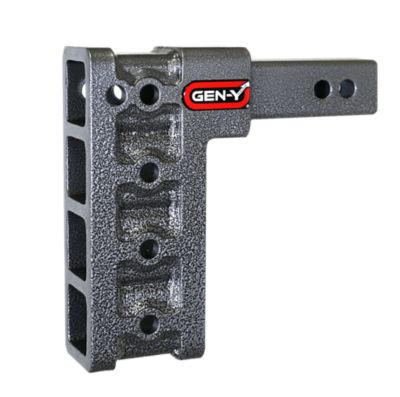
Bolt-on hitches can serve a wide range of folks around the farm, ranch, home and campsite. A light-duty setup may be useful for pulling a small utility trailer with brush, feed, fencing supplies or tools, while a properly rated receiver can support a cargo carrier when the vehicle’s interior is already full of coolers, work gear or muddy boots. They are also commonly used with bike racks, small campers and other recreational equipment, giving families more room for weekend trips during the warmer part of the year and for hauling supplies during the cooler months. Before towing, make sure the ball size and trailer coupler match, the ball mount provides the proper rise or drop for a level trailer, and the hitch pin or locking pin is fully secured. Safety chains should cross beneath the coupler and attach to the vehicle’s proper connection points, while trailer lights and the wiring connection should be tested before every trip. Check tire condition, wheel bearings, load balance and tie-downs as well. Heavy items belong low and close to the trailer axle, and the load should be secured so it cannot shift when braking or turning. A trailer that sits nose-high or nose-low can handle poorly, so adjusting the ball mount for a level ride is more than a matter of appearance. Adjustable mounts can be useful when one vehicle pulls trailers of different heights, but their drop, rise and weight ratings still need to match the application. Step-bumper receivers can be a convenient, budget-friendly choice for lighter towing, though they should not be treated like a heavy-duty frame-mounted hitch. Similarly, a hitch used for a bike rack or cargo carrier must be rated for the combined weight of the accessory and its load, including the extra leverage created when weight extends behind the vehicle. Keep in mind that some accessories require a stabilizing strap or an anti-rattle device, and some are not approved for use with a trailer. Bolt-on hitches can make a thoughtful gift for a truck owner, camper, cyclist or do-it-yourselfer who spends weekends moving equipment, maintaining property or getting out on the road. They are especially useful for someone who already owns a compatible vehicle but needs a dependable way to carry more gear. A hitch is not a one-size-fits-all purchase, though, so gifting or buying one is easiest when you have the vehicle details and intended use in hand. As the seasons change and roads bring more rain, mud, ice or packed gravel, take a few minutes to inspect the hitch, mounting bolts, safety chains and wiring for looseness, wear or corrosion. Keeping those small details in good shape helps a bolt-on hitch stay ready for the next load, whether that means a trailer full of firewood, a run to the feed store or a quiet drive out to the hunting lease.