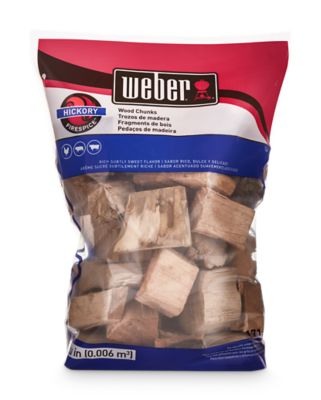
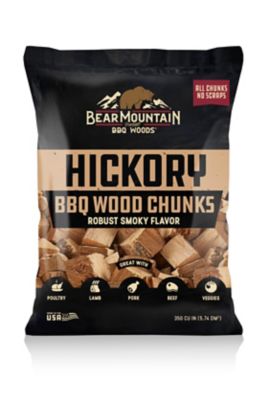
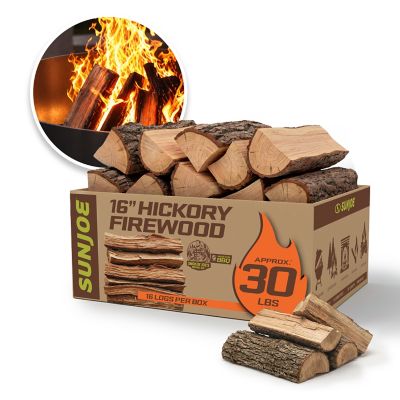
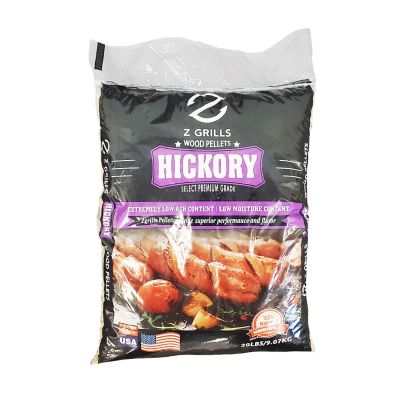
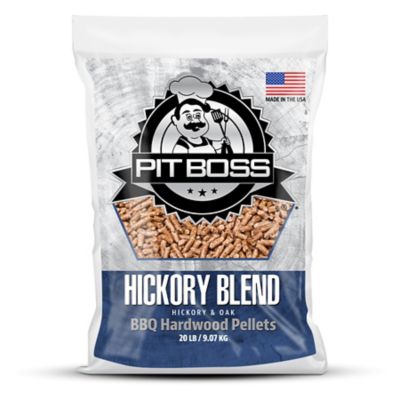
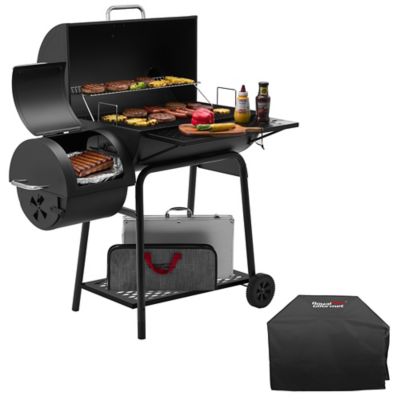
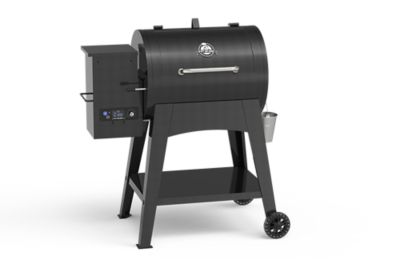
Hickory wood chunks for smokers bring a bold, savory smoke that many backyard cooks describe as bacon-like, with a deep flavor that stands up beautifully to hearty foods. They are a natural fit for beef brisket, chuck roast, steak, pork ribs, pulled pork and pork shoulder, but they also add satisfying depth to chicken, turkey, sausages and wild game. Hickory smoke works especially well during long cooks, when the meat has time to develop a dark, flavorful bark and the aroma drifts across the yard. It is a stronger hardwood, so a little can go a long way; using too much may cover up the flavor of lighter meats, delicate fish or mild vegetables. For those foods, hickory can be blended with a gentler wood to round out the smoke. Fruit woods such as apple or cherry are popular choices when you want a softer, slightly sweeter profile, and
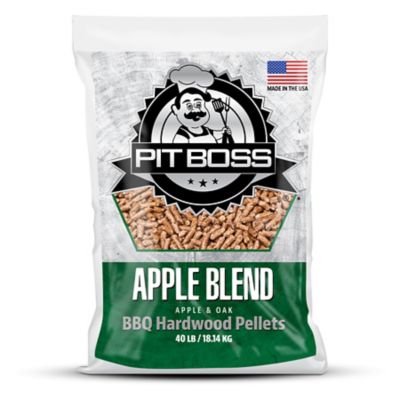
Apple Wood Smoking Pellets offer another way to bring mild fruitwood character to compatible smokers and grills. Choosing hickory chunks is less about finding one perfect amount and more about matching the smoke level to the food, cooking time and type of smoker. Larger chunks generally smolder longer than chips, making them useful for briskets, shoulders and other cuts that spend several hours over low heat. Smaller pieces may suit shorter cooks or smaller grills. Look for cooking wood intended for food smoking, with no paint, stain, glue, chemical treatment or unknown coatings. Clean, dry hardwood gives you a more dependable burn and helps keep unwanted odors out of the cook.
Using hickory wood chunks is straightforward, whether your setup is a charcoal smoker, kamado-style grill, offset smoker or a gas grill equipped with a smoker box. For a charcoal cooker, start with a stable bed of hot coals and place roughly two or three dry hickory chunks directly on top, spacing them out so they begin smoking at different points during the cook. In a gas grill, the chunks can go in a smoker box or another accessory made for holding smoking wood; do not place loose wood where it could fall onto burners or block vents. Electric smokers may require a design-specific tray or wood chamber, so follow the smoker maker’s instructions before adding chunks. Dry chunks do not need to be soaked. Water usually has to evaporate before the wood can produce smoke, which can delay the start of the cook and make the burn less predictable. Dry wood tends to ignite, smolder and settle into a cleaner rhythm when the fire has proper airflow. The goal is a steady stream of thin, light smoke rather than a thick, billowing cloud. Heavy white smoke can leave meat tasting bitter or sooty, while barely any smoke may not provide the character you want. Adjust the vents gradually to control the fire, keeping the temperature steady and allowing the wood to smolder instead of flare up. Avoid opening the lid repeatedly, since each peek lets heat escape and can disturb the fire. Keep a close eye on the cooker during the first part of the cook, then make small adjustments as needed. Hickory pairs naturally with salt-forward rubs, black pepper, garlic, paprika and brown sugar, and its hearty flavor is right at home alongside baked beans, skillet potatoes, cornbread and crisp slaw.
Hickory wood chunks make a practical choice for anyone who enjoys cooking outdoors, from a neighbor who fires up the smoker for weekend gatherings to an experienced pitmaster who likes keeping several types of wood on hand. They can also make a thoughtful gift for a new homeowner, a backyard griller, a hunting camp cook or the person who always volunteers to handle the barbecue at family get-togethers. A bag of smoking wood is easy to store, useful across the cooler months and ready for everything from a quiet evening meal to a larger gathering around the patio. Store chunks in a dry, covered place off the ground, such as a shed, garage or well-ventilated storage area, and keep them away from fuel, open flame and areas where they may absorb moisture or household odors. Before cooking, check the wood for debris and remove any pieces that look moldy, treated or contaminated. Quantity depends on the smoker, the size of the chunks, the cut of meat and the length of the cook, so it is smart to begin with a modest amount and build from there. For a long brisket or pork shoulder, adding a few chunks at the start may provide plenty of smoke; adding wood throughout the entire cook can make the flavor overly sharp. Chicken and turkey often need less, especially when the skin is the main attraction. Hickory is also a useful choice for cool-weather cookouts, when slow-smoked meats, warm side dishes and the smell of wood smoke make an outdoor meal feel especially inviting. With clean cooking wood, a controlled fire and a light touch, hickory chunks help turn an ordinary cut of meat into a tender, richly seasoned meal with the unmistakable character of traditional barbecue.