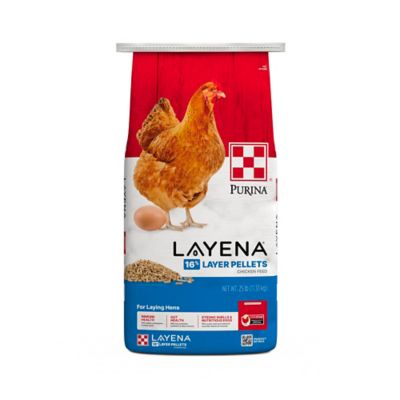
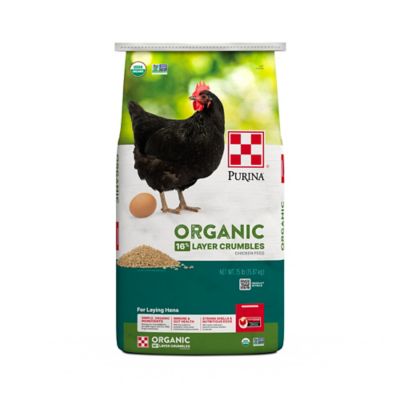
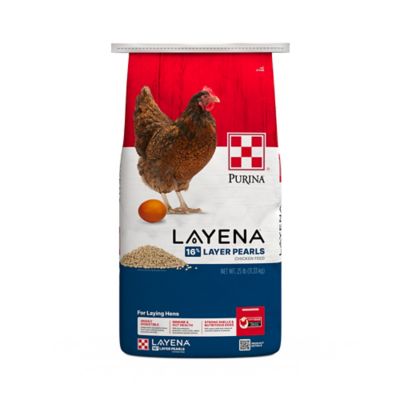
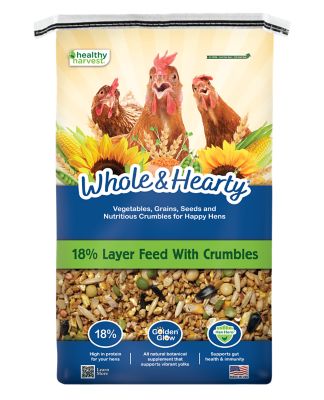
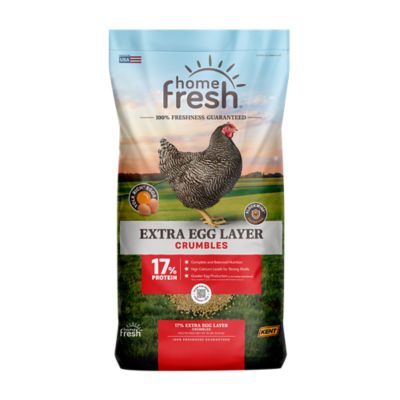
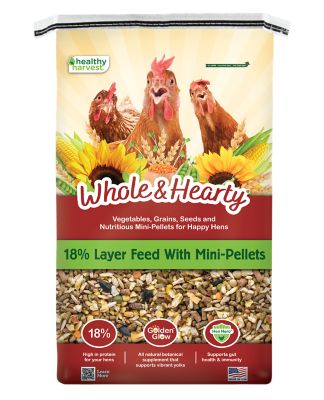
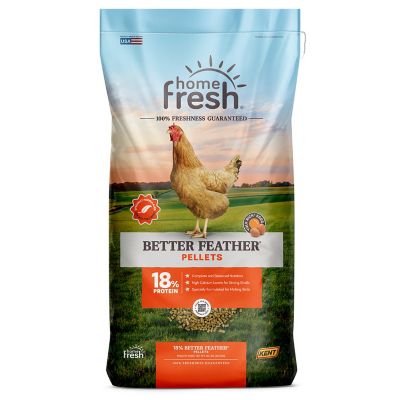
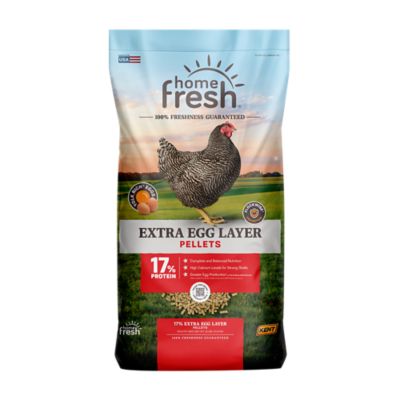
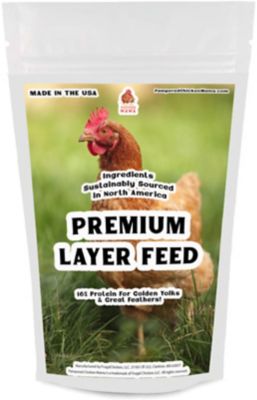
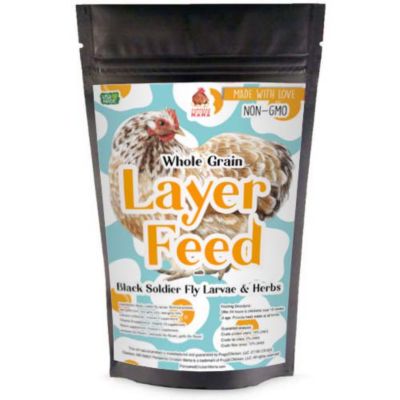
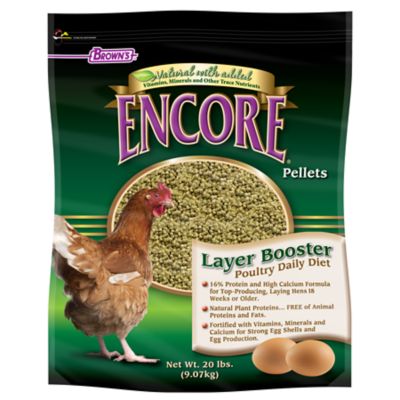
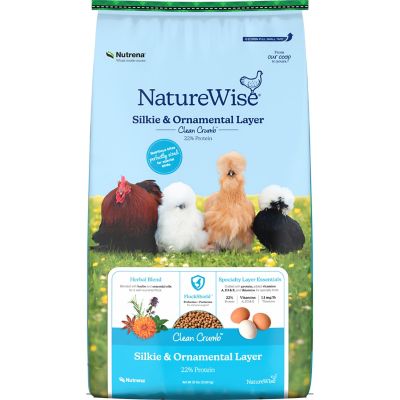
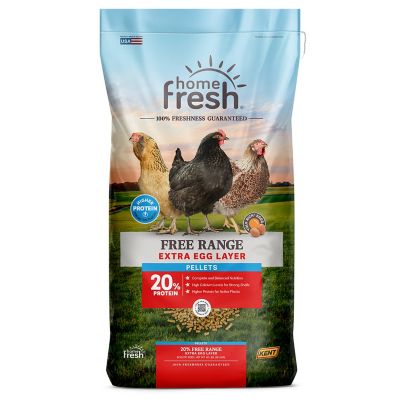
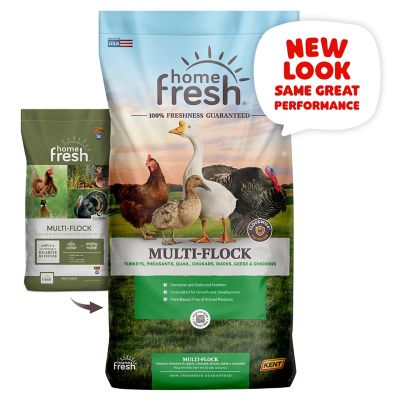
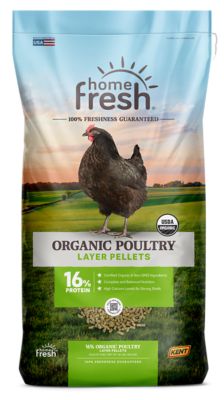
Hen feeds include complete layer rations formulated to support adult laying chickens with protein, energy, vitamins, and minerals. Many layer feeds contain about 16% to 18% protein, along with added calcium for eggshell formation, though the feeding directions and nutrient levels on each label tell the fuller story. Pellets, crumbles, and mash are common forms, giving backyard flock keepers and farm households different ways to match a ration to their birds and feeders. The foundation is balanced nutrition: grain ingredients supply energy, protein sources contribute amino acids for body maintenance and egg production, and a vitamin and mineral blend helps round out the ration. Calcium deserves particular attention in laying hens because producing an eggshell places a steady demand on the bird’s mineral supply. Still, more calcium is not automatically better for every chicken in the yard. Layer feed is intended for birds at the laying stage, rather than young chicks or growing pullets that need a different nutrient balance. A flock with chicks, roosters, and laying hens may call for a feed labeled for that mix, with a separate calcium source for the hens as appropriate. That distinction matters on a place where a few older hens share space with birds just coming along. Breed, age, laying activity, and access to other food can all influence the feeding plan, so the right fit comes from the ration’s intended purpose rather than the picture on the bag. For a small coop behind the house or a larger group laying eggs for the kitchen and neighbors, complete hen feed provides a practical nutritional foundation. Familiar ingredients such as corn, wheat, soybean meal, or other grain and protein sources can appear in different combinations. An ingredient list shows what goes into the feed, while the guaranteed analysis helps explain the nutrients it delivers. Both matter when comparing rations for the birds scratching around the run.
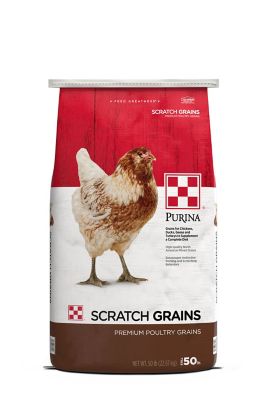
Feed form makes a noticeable difference at chore time, even when two rations have similar nutrient targets. Pellets pack the ration into firm pieces that many adult hens pick up easily, and their consistent shape can make it harder for birds to sort through feed for favorite bits. Crumbles break those pieces into smaller portions, which can suit hens that prefer a smaller bite. Mash has a finer texture and may work well with a feeding setup that keeps it contained and accessible. No single form suits every flock, and feeder openings, bird size, and feeding behavior all help determine the better match. A hen that flicks feed over the edge of a shallow tray creates a different situation than a flock eating neatly from a covered trough. Excess feed on the ground means more waste and can draw unwanted visitors to the coop. Ingredient preferences are another consideration, with some feeding programs calling for certified organic ingredients or formulas without particular grains or protein sources. Those distinctions describe how a ration fits a household’s preferences; they do not replace the need for suitable protein, calcium, and other nutrients. Scratch grains, dried insects, and other poultry treats serve a different purpose from complete layer feed. A handful scattered in the run can encourage natural scratching and pecking, but too many extras dilute the balanced ration hens need. Treats generally belong within a small share of the diet, often no more than about 10% of total intake unless the feed label or a poultry professional advises otherwise. Grass, seeds, and bugs found while roaming also vary too much to count on as a complete diet. Oyster shell and poultry grit have separate jobs as well: oyster shell supplies calcium, while insoluble grit helps birds grind food in the gizzard. Neither takes the place of complete feed. Keeping those roles straight makes the differences between feed, treats, and supplements easier to understand without turning the feed room into a guessing game.
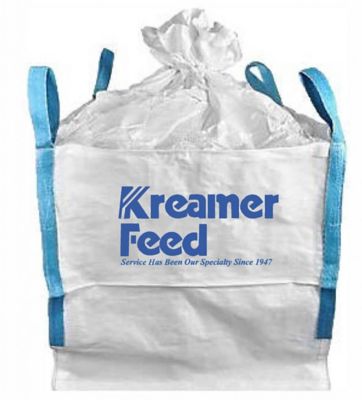
Bag size and storage deserve a place in the decision alongside the nutrient panel. A larger flock goes through a bag faster than three hens in a backyard coop, so a sensible package size is one that fits both the feeding routine and the amount of feed the birds can finish while it remains fresh. Dry, enclosed storage helps protect feed from moisture, insects, and rodents. A tight-fitting lid and a clean container make everyday scooping simpler, while keeping the original label and lot information provides a useful reference if a feeding question comes up. Feed should smell normal for its ingredients and remain free of mold, damp clumps, or signs of pests; questionable feed does not belong in the trough. An easy-to-clean feeder that keeps the ration off the ground also helps maintain a cleaner feeding area. Fresh drinking water belongs alongside every feeding plan, since hens need steady access to water to eat normally and support egg production. When changing between suitable feeds, a gradual transition over several days can help birds adjust to a different texture or formula. The package directions remain the starting point for how a ration fits into daily care, especially when supplements or other feeds enter the picture. Shell strength, appetite, body condition, and feeding behavior offer useful clues about how the flock is doing, but a feed change is not the answer to every concern. Persistent soft shells, reduced eating, or a sudden drop in laying can have causes beyond nutrition and may warrant advice from a veterinarian or poultry extension specialist. On properties with young sheep as well as chickens,
Lamb Feeds provides a separate place to browse rations for those animals. Clearly labeled containers and separate scoops help keep livestock feeding routines straight. For the hens, the most useful comparison comes back to a few practical details: a ration suited to their life stage, a form they eat readily, nutrients that support laying, and a bag size that fits the pace of daily chores.