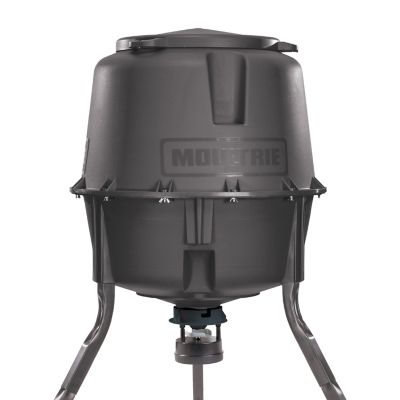
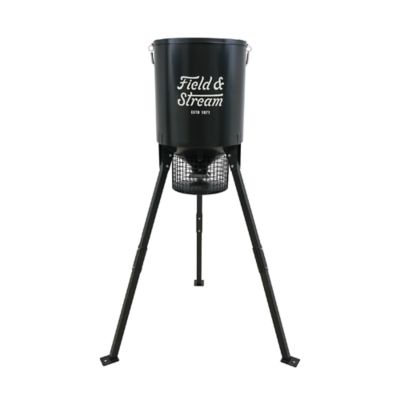
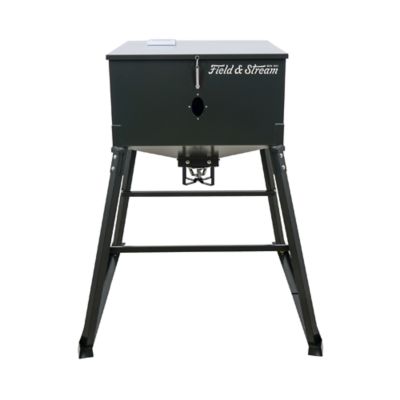
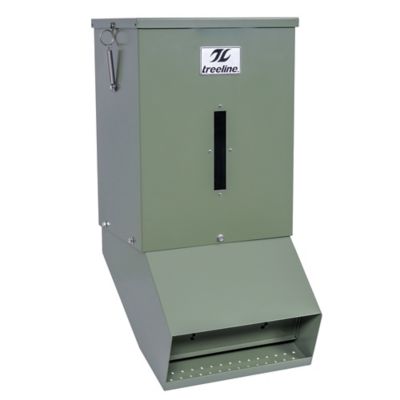
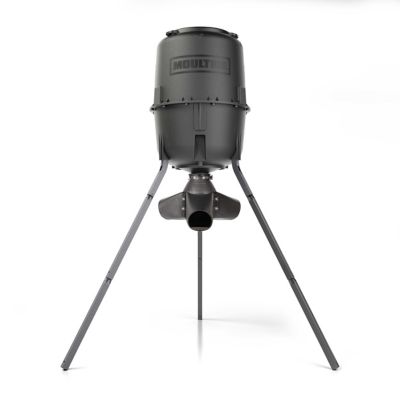
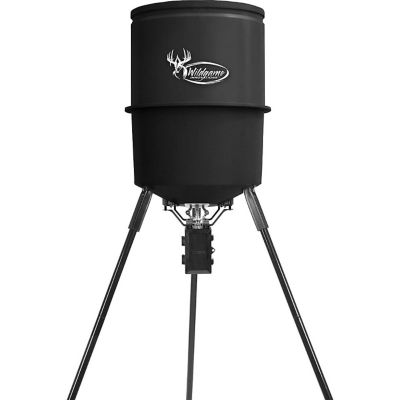
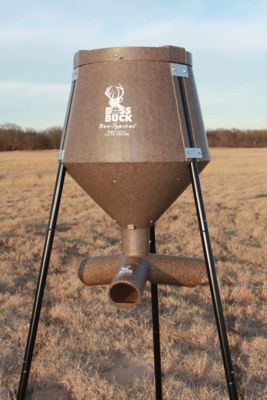
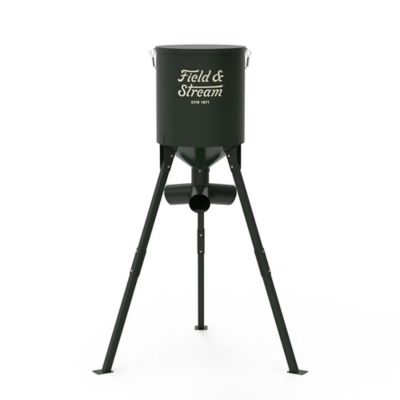
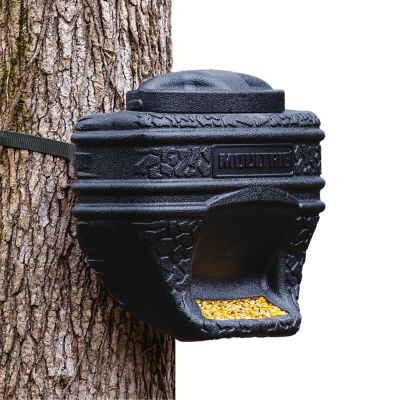
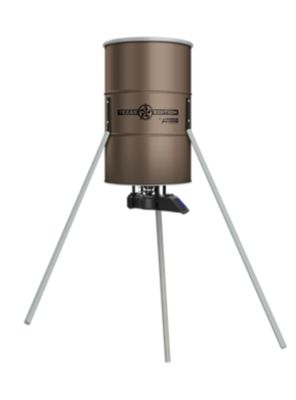
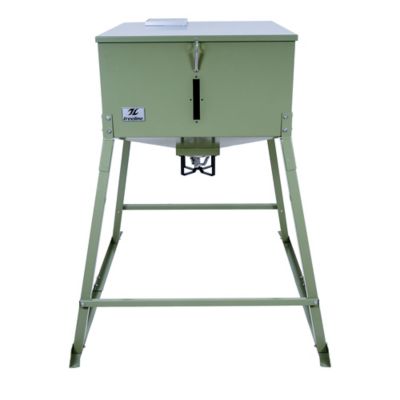
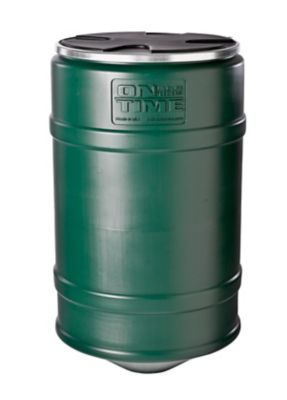
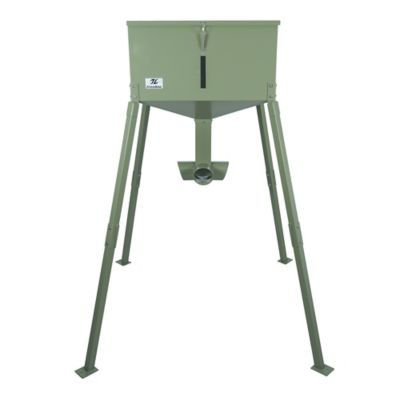
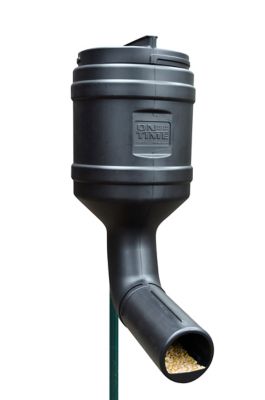
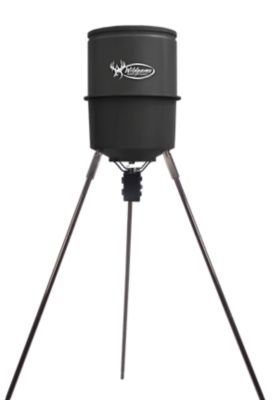
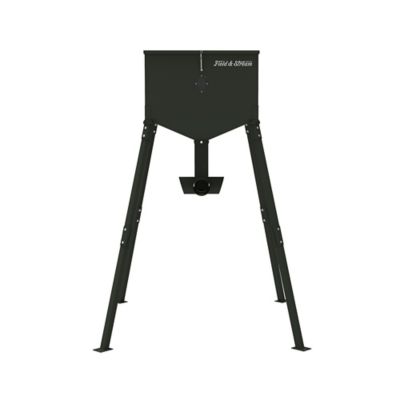
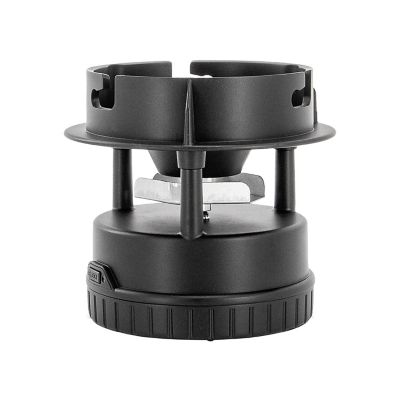
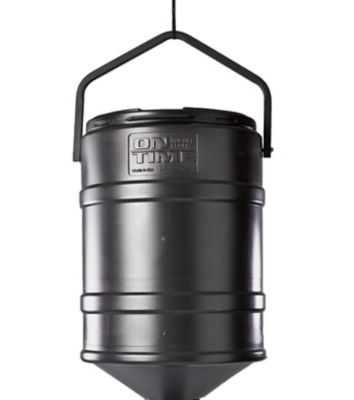
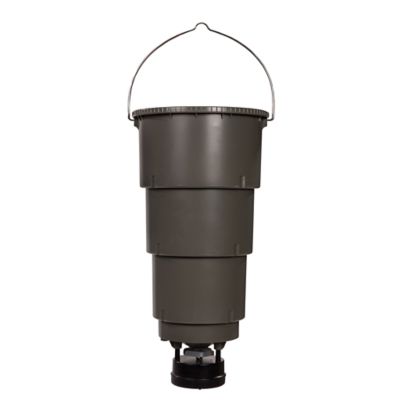
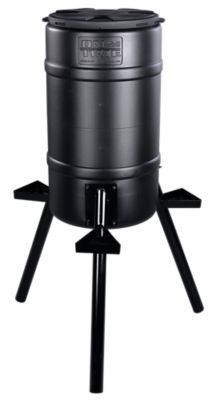
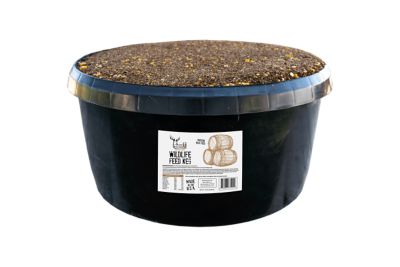
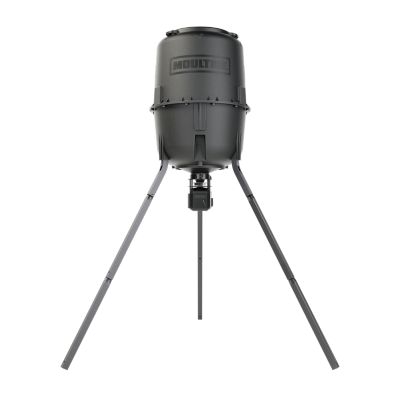
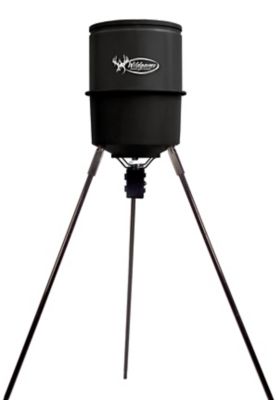
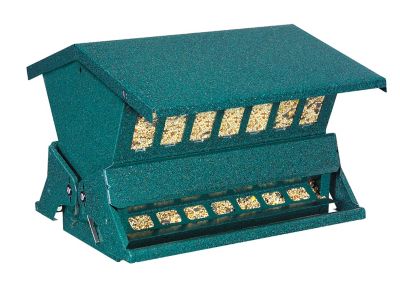
Deer feeders hold and dispense supplemental feed on rural acreage, hunting leases and other properties where wildlife feeding is permitted. The main styles include automatic broadcast feeders, gravity feeders, hanging feeders and stand-and-fill designs, each suited to a different setup and level of hands-on attention. An automatic deer feeder pairs a feed hopper with a timer, motor and spinner plate to scatter compatible feed at scheduled intervals. That arrangement gives landowners control over when feed drops and how long the motor runs, though the amount delivered also depends on the feed and discharge mechanism. Many tripod feeders lift the hopper above the ground on three legs, leaving space beneath the spinner for distribution. Gravity deer feeders take a simpler approach: feed moves down into ports or trays as deer eat, without a powered dispensing system. They provide ongoing access rather than scheduled portions, so consumption can vary considerably with animal traffic. Hanging designs suspend the container from a suitable support, while stand-and-fill feeders bring the loading opening closer to ground level. A lower fill height can make a real difference when carrying bags from the truck, especially on a property where one person handles most chores. Hopper capacities range from smaller containers holding around 50 pounds to large ranch setups holding 1,000 pounds or more, but rated capacity depends on the material the manufacturer specifies. The same hopper may hold different weights of corn and pellets. A larger container can stretch the time between refills, while a smaller one is easier to move and may better suit occasional visits or limited feeding activity. Neither size eliminates the need for regular checks. For a landowner driving out to the back pasture after work, convenient access and manageable loading matter just as much as the number on the hopper. The best fit comes down to the feeding method, property conditions and amount of upkeep that works with the rest of the chores.
Materials and construction make a difference once a deer feeder spends its days in sun, wind and blowing rain. Steel hoppers offer a rigid enclosure, with protective finishes helping limit corrosion; scratches, seams and exposed fasteners still deserve attention. Molded polyethylene hoppers resist rust and can be easier to handle, while material thickness and UV protection affect how they stand up to outdoor exposure. A close-fitting lid helps shed rain and keeps falling leaves out of the feed, but no container should be treated as a substitute for checking its contents. Moisture that reaches the hopper can lead to clumping, mold and blocked outlets, particularly when feed sits between property visits. Sloped interior surfaces encourage flow toward the discharge opening, and accessible ports make it easier to clear buildup. Feed compatibility matters here: a mechanism intended for dry, whole-kernel corn may not handle larger pellets, fine particles or sticky mixtures the same way. Matching the feed to the feeder’s specifications helps prevent bridging, where material hangs up above an opening instead of dropping through. On a broadcast feeder, outlet size, spinner clearance and motor performance all affect how the feed moves. On a gravity feeder, port height and opening design influence access and how much material collects near the ground. Sturdy legs, sound connections and manufacturer-approved anchoring help support the loaded container on suitable footing. A hopper that seems steady when empty carries a very different load after several bags go in, and soft ground can shift under that weight. Secure lids, spinner guards and protected wiring can also limit interference from raccoons, squirrels and other animals, although no guard guarantees that unwanted visitors will stay away. Feral hog activity may call for a different placement or additional property management measures. Around busy feeding areas, straightforward access for inspection, cleaning and repairs is worth having from the start, especially when muddy boots and cold hands make small maintenance jobs harder.
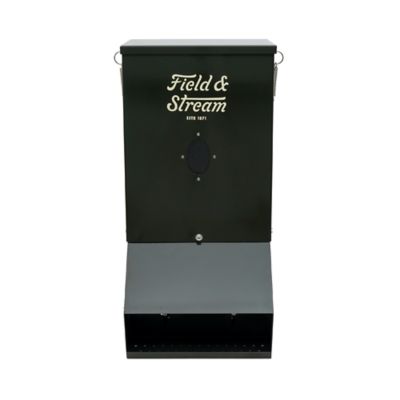
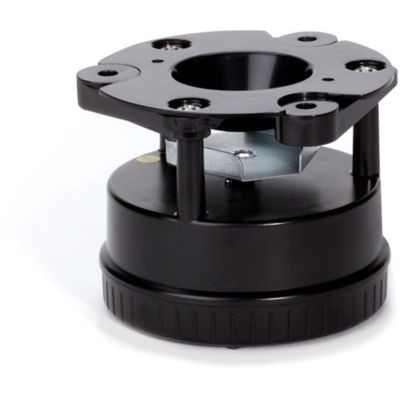
Power, controls and service access round out the practical differences between deer feeders. Many automatic systems run on 6-volt or 12-volt batteries, with the required voltage and battery type determined by the motor and timer. A compatible solar charging panel can help maintain a rechargeable battery where sufficient sunlight reaches the panel, but it does not remove the need to inspect connections and check charge levels. Shorter daylight hours, shade, dirt on the panel and colder weather can affect charging or battery performance. Weather-protected control housings help shield electronics, and easy-to-read timer displays make schedule changes less of a chore at the feeder. Compatibility extends beyond voltage: replacement motors, timers, funnels, guards and mounting hardware need to match the feeder’s dimensions and connection points. For acreage owners and hunting camp caretakers, accessible components can mean less time working under a hopper and more time tending the property. Care generally includes removing spoiled feed, clearing residue from outlets, inspecting hardware and cleaning according to the manufacturer’s directions, with components dry before refilling. A site reachable by a truck or utility vehicle makes those tasks more manageable, provided the ground supports safe access without creating deep ruts. Deer feeders support supplemental feeding; they do not replace natural forage, suitable habitat or informed wildlife management. Feeding and baiting rules vary by state and locality, and hunting regulations may differ from rules for wildlife observation. Chronic wasting disease restrictions and other wildlife health concerns can also affect whether feeding is appropriate, since gathering deer at one spot can increase contact between animals. Local wildlife agency guidance belongs in any feeding plan, including on private land. On properties that also keep a backyard flock,
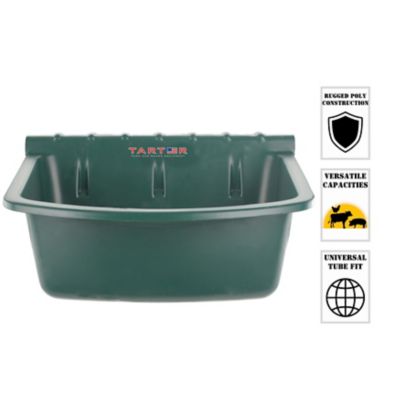
Poultry Feeders serve a separate purpose, with designs meant for poultry rations and flock access rather than deer feeding. Keeping each feeding setup suited to its animals helps make daily chores more straightforward. Whether the setting is a small acreage or a spread with long fence lines, manageable capacity, sound footing and easy maintenance help a deer feeder fit the property.