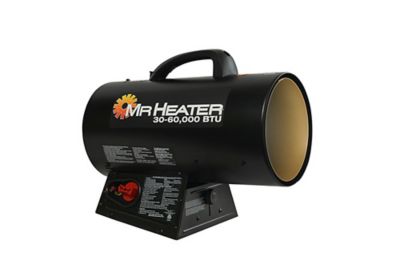
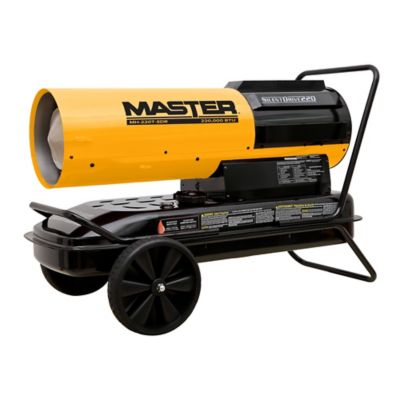
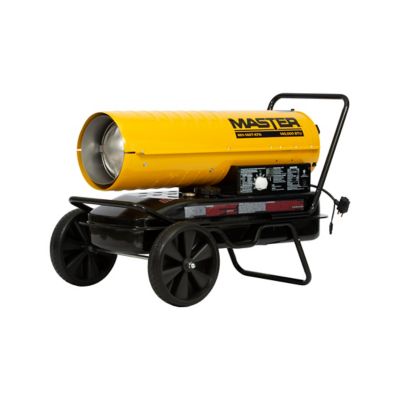
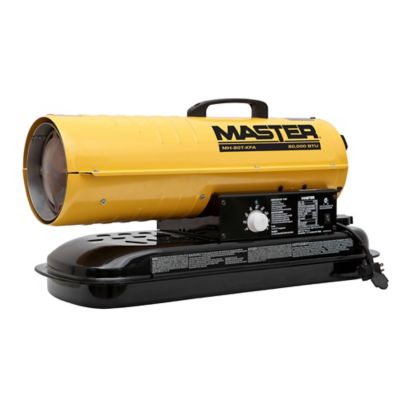
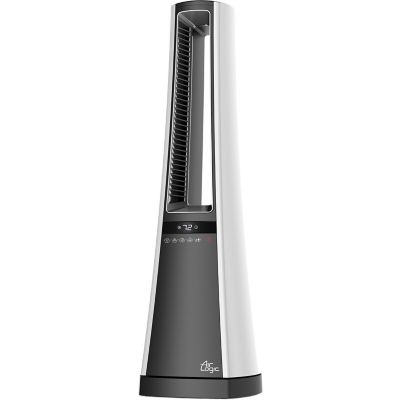
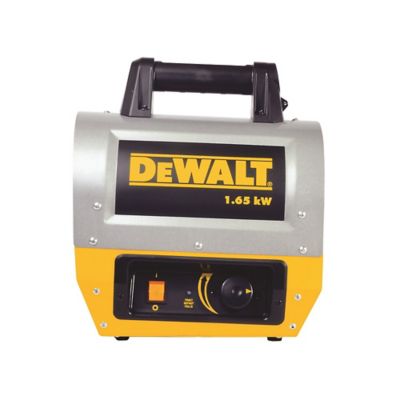
Air heating systems warm indoor spaces by transferring heat to air and circulating that air through a building or a defined area. In a typical forced-air system, a furnace or heat pump supplies the heat, while a blower moves warmed air through ducts to supply registers; return ducts carry air back for another pass. Other arrangements deliver heated air directly into a room without a full duct network. The right setup depends on the space, the energy source, and whether the goal is whole-building comfort or heat for a smaller work area. A farmhouse with several bedrooms has different heating needs than a detached shop where the overhead door opens throughout the day. Fuel-burning furnaces generate heat through combustion, electric resistance systems turn electricity into heat, and heat pumps transfer heat from outside air to indoor air. Each approach comes with its own electrical, ventilation, and installation requirements, so matching the system to the building matters more than choosing by floor area alone. Insulation, ceiling height, window area, air leakage, and local winter conditions all affect the heating load. A tall shop with exposed rafters and a concrete floor can need a different approach than a finished room of the same square footage. Heating output is commonly expressed in British thermal units per hour, while electric heating input may also be listed in watts or kilowatts. Those ratings describe different aspects of performance and need to be read alongside the equipment specifications. Proper sizing helps a system maintain a steady indoor temperature without repeatedly starting and stopping or running continuously without reaching the thermostat setting. A professional load calculation accounts for the building itself, making it a better basis for selection than a square-footage estimate alone. For households, property owners, and folks working out of a garage or shop, the practical goal is straightforward: enough heat where it belongs, with controls and a layout that fit everyday routines.
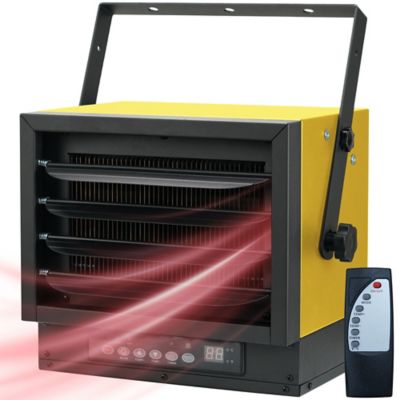
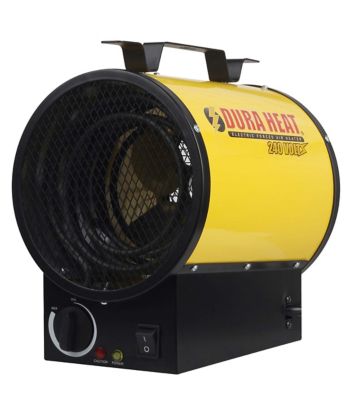
The way an air heating system fits the building is just as important as its heating capacity. Equipment dimensions, mounting position, service access, and required clearances all influence where a system can go. A compact utility room still needs room for filter changes and maintenance, while an overhead installation needs an appropriate supporting structure and clear space around the equipment. Steel cabinets and protected internal components are common construction features, but suitability depends on the complete design and the environment the equipment is rated to handle. Damp areas, airborne dust, and corrosive conditions call for special attention to installation instructions and equipment ratings. A general-purpose heater should not be assumed suitable for a livestock area, paint space, or shop where combustible dust or flammable vapors may be present. In ducted heating systems, the ductwork also plays a big part in comfort. Leaky connections, restricted returns, or ducts that are too small can leave a back bedroom chilly while the room nearest the furnace feels warm. Insulated ducts can help limit heat loss when they pass through unconditioned spaces, and properly placed supply and return openings support balanced airflow. A workbench tucked behind storage shelves may stay uncomfortable if the shelves block the path of the heated air. Blower design, operating sound, thermostat compatibility, and fan settings can also make a noticeable difference in daily use. Some systems vary their output to match demand, while others operate at a fixed heating level. Compatible zoning controls can serve separate areas, but zoning needs to be designed around the equipment and duct system rather than added without checking airflow requirements. Filter size and filtration level matter, too: a filter must fit correctly and stay within the system’s airflow specifications. A more restrictive filter is not automatically a better match. These details shape how comfortably a heating system serves a busy household, a small office on the property, or an enclosed workspace where people spend hours on their feet.
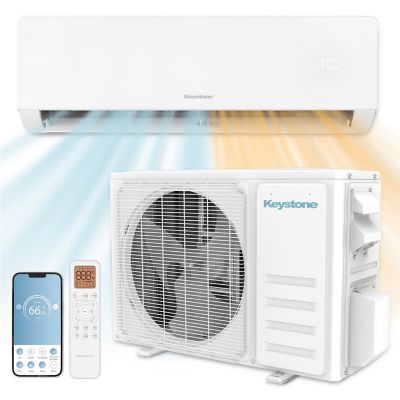
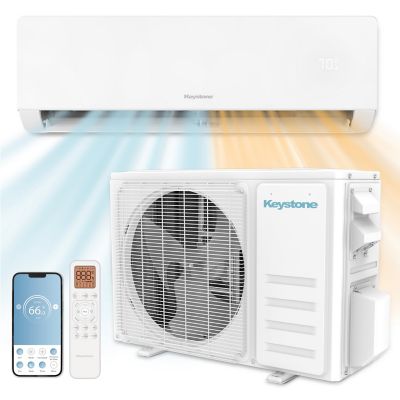
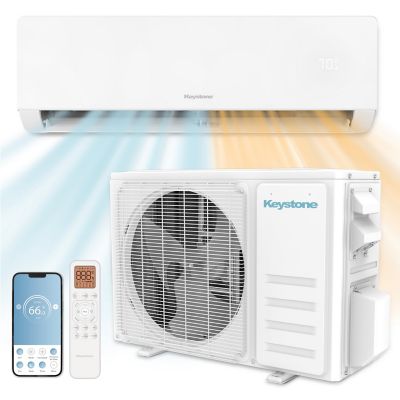
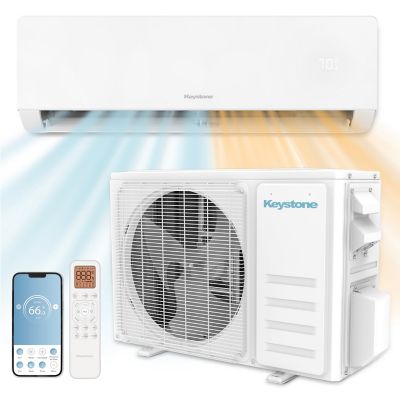
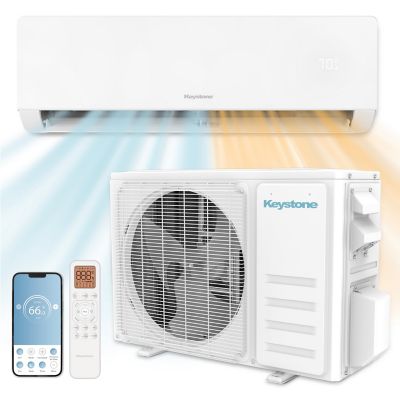
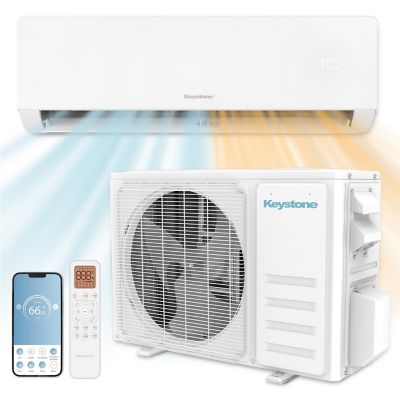
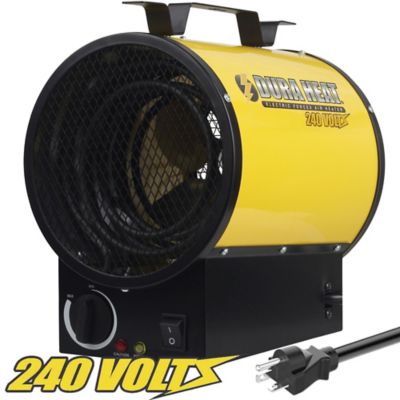
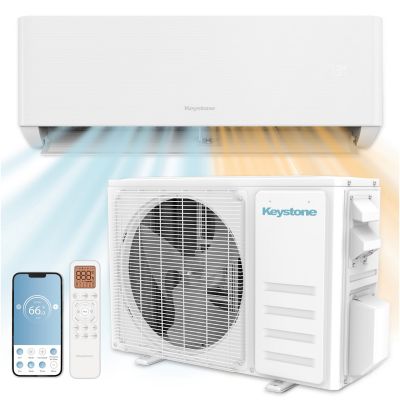
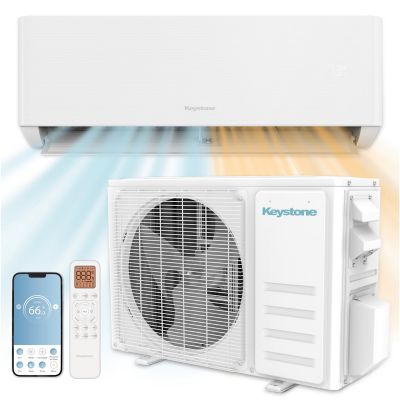
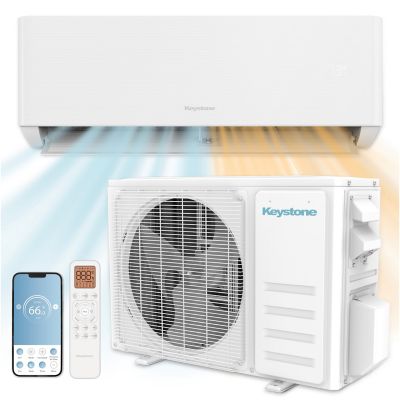
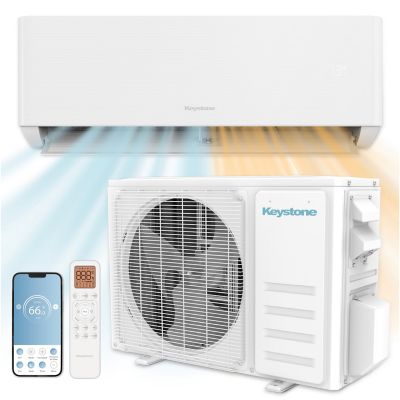
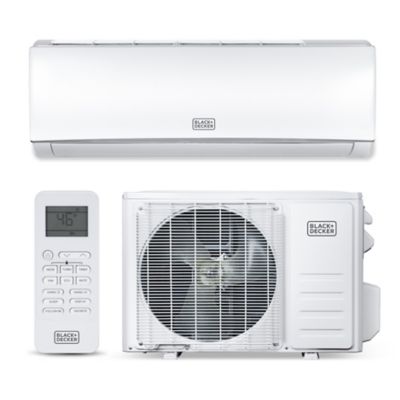
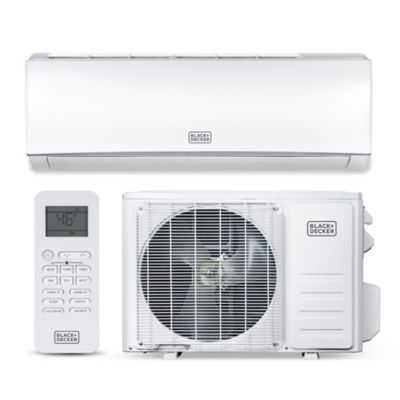
Long-term care starts with choosing an air heating system that can be serviced without a struggle. Accessible filter compartments, clear service panels, and straightforward controls make routine upkeep easier to keep on schedule. Filters need inspection and replacement or cleaning according to the equipment instructions and conditions in the building; a home with shedding pets may load a filter differently than a lightly occupied office. Keeping supply registers and return grilles clear helps air move as intended, while professional inspections can address blower performance, electrical connections, heat exchanger condition, and other components that are not part of routine homeowner care. Fuel-burning equipment also needs appropriate combustion air and venting, with exhaust directed outdoors as required by its design and applicable codes. Carbon monoxide alarms belong in the locations recommended by their manufacturer and local requirements, but they do not replace proper installation or maintenance. For electric systems, circuit capacity and the specified electrical connection are essential parts of the fit. Extension cords are not a substitute for the permanent wiring required by installed heating equipment. Heat pumps bring another consideration: their heating capacity and efficiency can change with outdoor temperature, so local climate performance and any supplemental heat requirements deserve a close look. Where both heating and cooling matter,
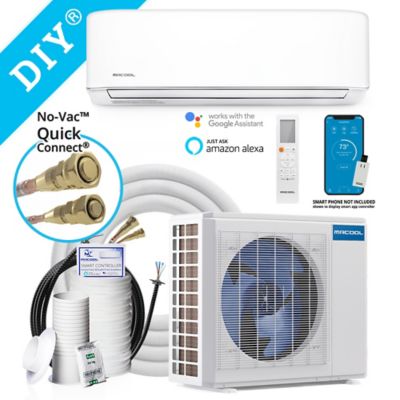
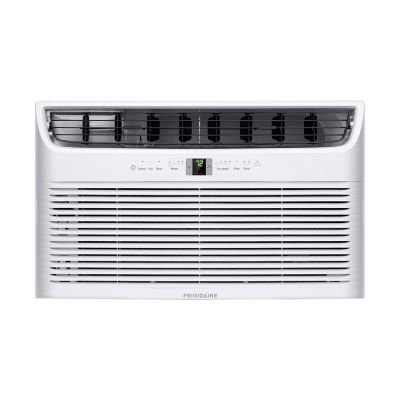
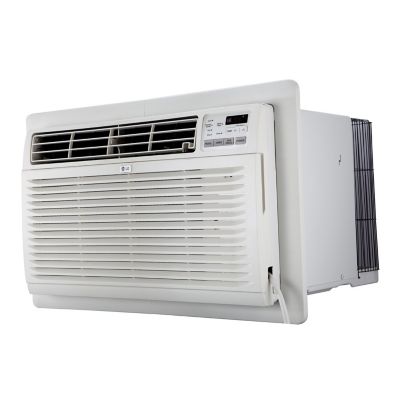
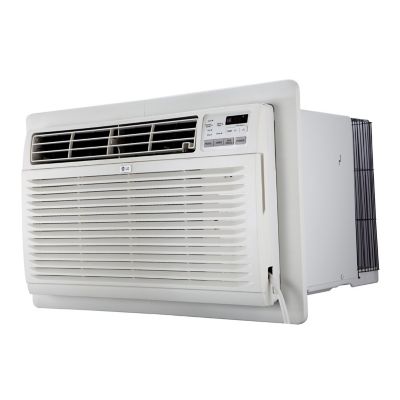
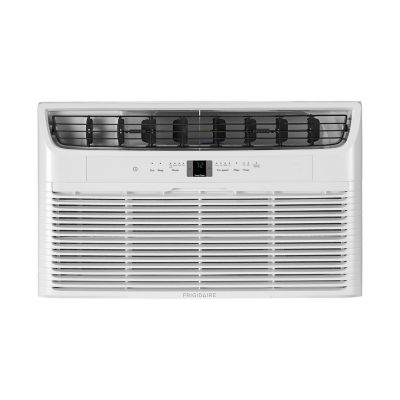
Heating Air Conditioners offer a related category to consider alongside heating-only systems. Comparing these approaches means looking at the building’s needs across the year, not simply comparing heating output. Thermostat schedules, compatible controls, and the way a space is occupied can help narrow the choice. A house that stays occupied all day has a different routine than a shop that needs heat for a few working hours, though neither benefits from equipment that is poorly matched to the space. With suitable sizing, sound installation, and regular attention, an air heating system can support comfortable living and working spaces without making everyday operation complicated. The best fit brings together the right heat source, room for service, appropriate airflow, and controls that make sense for the people turning them on.