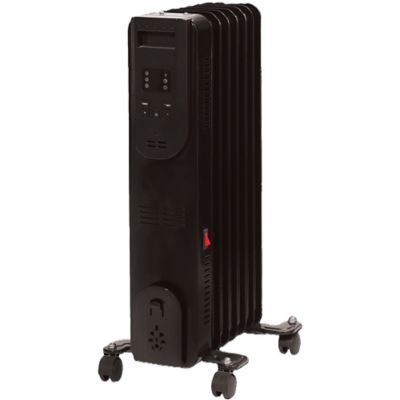
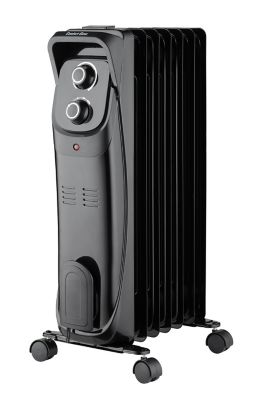
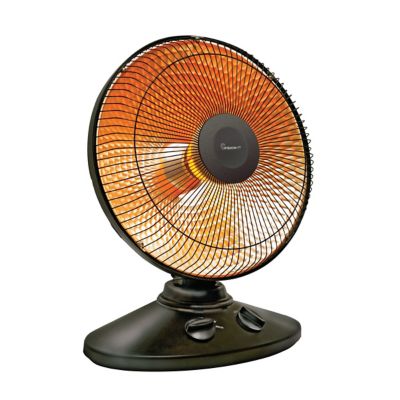
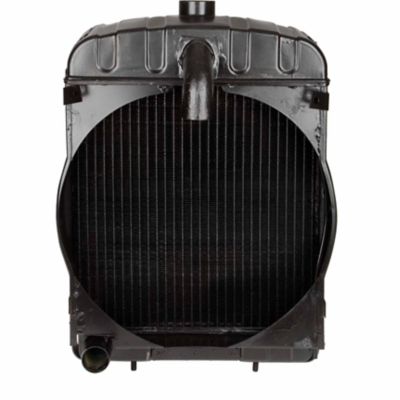
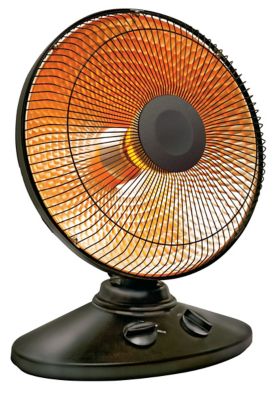
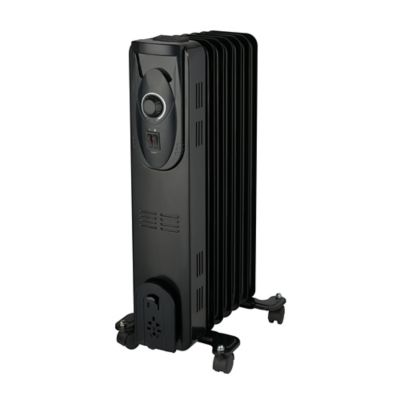
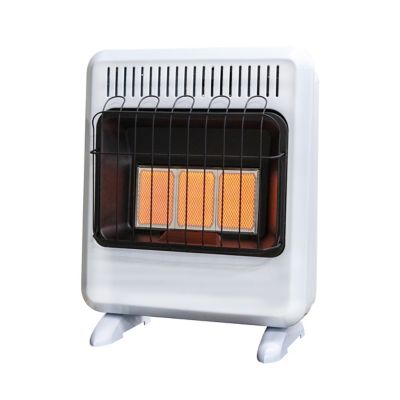
Heat radiators warm a room by transferring thermal energy from hot water, steam, or an electric heating element to a metal surface, which releases warmth through radiation and natural convection. Radiation carries heat to nearby people and surfaces, while convection moves air as it warms, rises, and circulates through the room. That combination gives radiator heat its familiar, steady feel, whether the setting is a farmhouse living room, a spare bedroom, or a quiet home office. The main differences come down to the heat source and how the radiator fits into the space. Hot-water and steam radiators connect to a building’s heating system, while portable electric radiators operate independently through a suitable electrical outlet. Those categories are not interchangeable: a replacement radiator for a central system needs the right connections, operating pressure, and heating capacity, while a portable heater needs the proper electrical supply and room placement. Cast iron is common in traditional central heating radiators, with substantial weight and the ability to hold heat after the heating cycle ends. Steel and aluminum appear in other designs, where construction, surface area, and internal layout affect weight and heat delivery. Electric oil-filled radiators contain sealed fluid that carries heat from an internal element through the radiator body and fins. That oil is a heat-transfer medium, not a fuel, so it does not burn away or need routine refilling. Many radiator-style heaters circulate warmth without a fan, making them a practical match for rooms where blower noise would interrupt conversation, reading, or sleep. Their metal bodies and internal fluid take time to warm, but retained heat continues moving into the room after the element cycles off. That makes this style better suited to steady comfort over a stretch of time than a quick blast of hot air when someone steps through the door. Fins and open channels provide more surface area for heat transfer, although the surrounding space still matters for circulation.
Room size is only part of finding the right fit for a heat radiator. Ceiling height, insulation, window area, drafts, and the difference between indoor and outdoor temperatures all affect how much heat a space needs. A snug sewing room with a closed door presents a different job than a drafty back room opening into a hallway. Heating capacity, expressed in watts for electric equipment or often in BTUs per hour for central-system radiators, helps establish a starting point, but a square-footage claim cannot account for every building. Radiators generally work best when their output matches the room’s heat loss and their intended role, whether that means primary heat from a properly designed central system or supplemental warmth from a portable electric unit. For rooms without radiator piping,
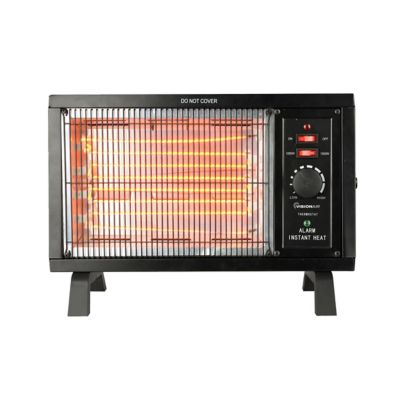
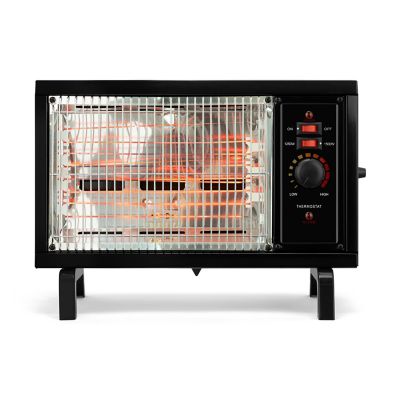
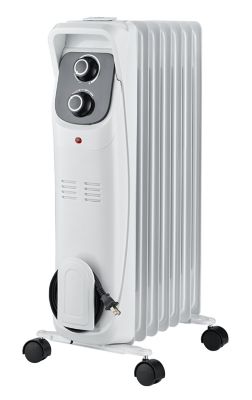
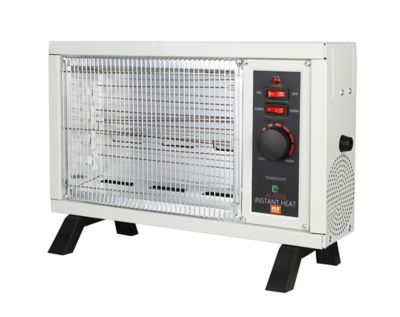
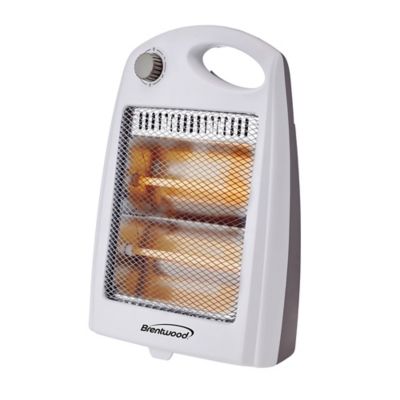
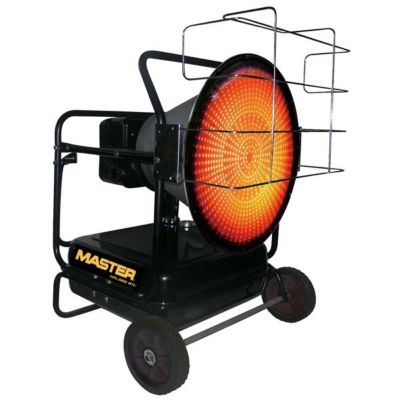
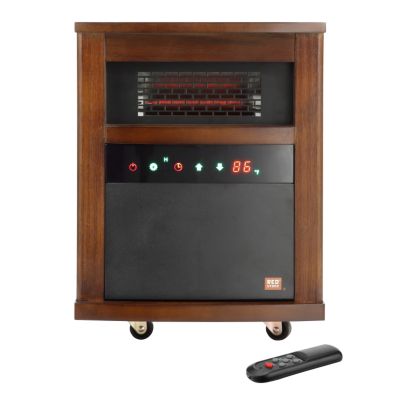
Electric Radiators offer a separate category to consider, with selection centered on electrical requirements, controls, footprint, and heating output. Adjustable thermostats help maintain a chosen temperature by cycling the heating element, while multiple heat settings provide different output levels. A thermostat’s numbered dial does not necessarily represent a specific room temperature, and digital displays or timers vary by design. Straightforward controls can be easier to manage with stiff fingers, while a clearly visible display can make settings easier to check across a room. Physical fit matters just as much as the control panel. A narrow body may fit more comfortably along an open wall, but its required clearances still count toward the space it needs. Wheels and carrying handles can make an electric radiator easier to reposition once it has cooled, especially in a home where the spare room sometimes doubles as a workspace. Weight, wheel attachment, base width, and handle placement all affect everyday handling. A stable base and an unobstructed position help keep a heater from becoming something to bump into while carrying laundry or walking through the room after dark. For permanent installations, radiator dimensions, pipe locations, mounting support, and system compatibility also shape the fit.
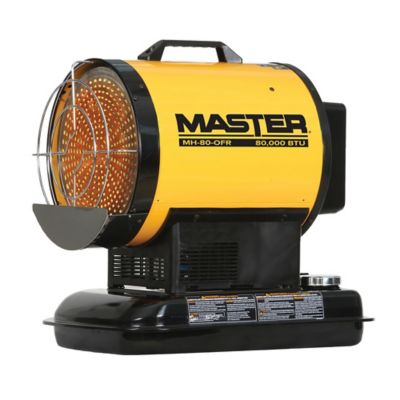
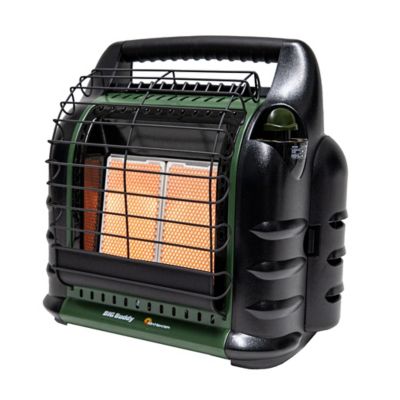
Everyday care and safe placement have a lot to do with how well a heat radiator serves a household over time. A smooth finish, sound seams, secure feet, and intact controls are worth attention because these surfaces and connections take the bumps of ordinary household life. Dust can collect between fins and along lower edges, so accessible channels make routine cleaning less of a chore. Cleaning belongs on a cool, disconnected portable heater, following the manufacturer’s directions rather than soaking the housing or spraying liquid into controls. Central-system radiators have different service needs: hot-water systems may require air removal, while steam systems depend on suitable vents and properly functioning system components. Leaks, repeated electrical shutoffs, damaged cords, or unusual smells call for attention rather than another heating cycle. For portable electric radiators, the power connection is part of the fit, not an afterthought. A heater needs the voltage and circuit capacity specified on its label and a direct connection to an appropriate wall outlet, not an extension cord or power strip. Another high-draw appliance on the same circuit can create a problem even when the heater itself appears to operate normally. Clearance from curtains, bedding, furniture, and other combustible materials must follow the product instructions, with three feet a common minimum for portable space heaters. Radiators are not drying racks for chore gloves, damp socks, or work clothes, and their surfaces can get hot enough to burn skin. Tip-over shutoff and overheat protection are helpful features where present, but they do not replace careful placement or supervision around children and animals. An indoor residential heater also does not automatically belong in a barn, dusty workshop, damp outbuilding, or space containing fuel vapors; those settings require equipment expressly rated for the conditions. Once heating is no longer needed, a cooled portable radiator stores best upright in a dry spot with its cord protected from crushing. Matching the radiator to the room, the power source, and daily household routines makes steady warmth easier to manage without crowding the space.