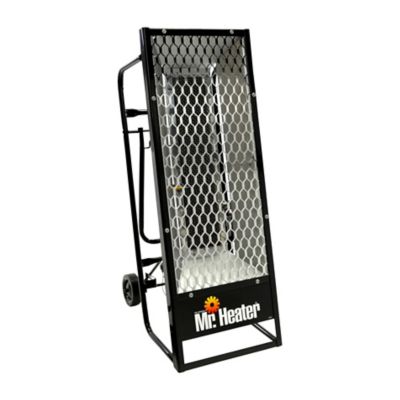
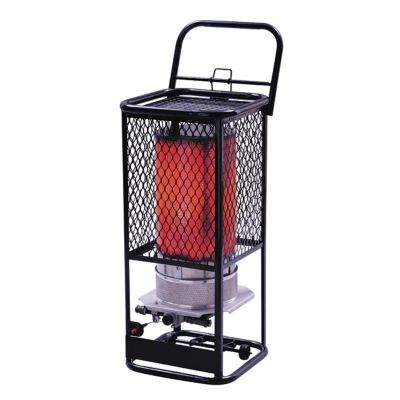
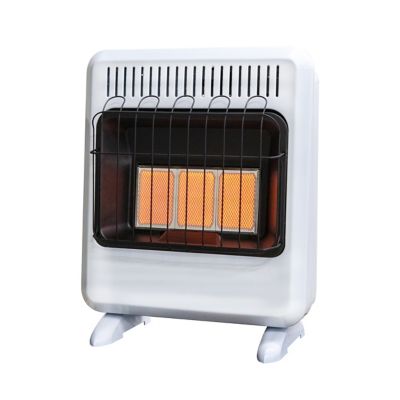
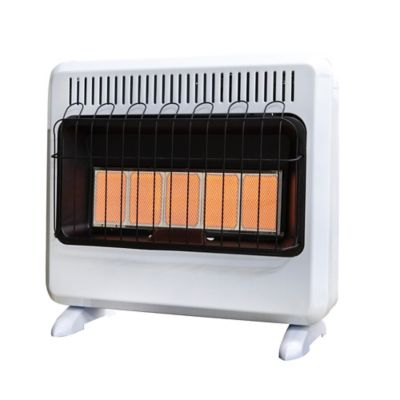
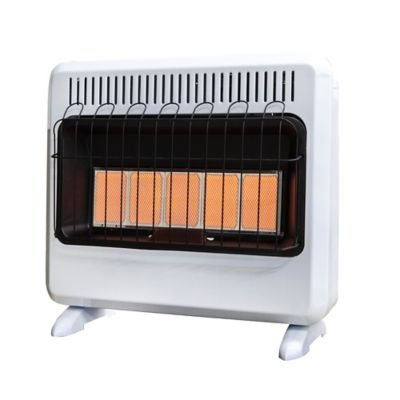
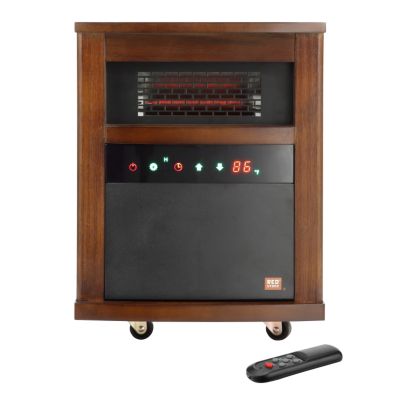
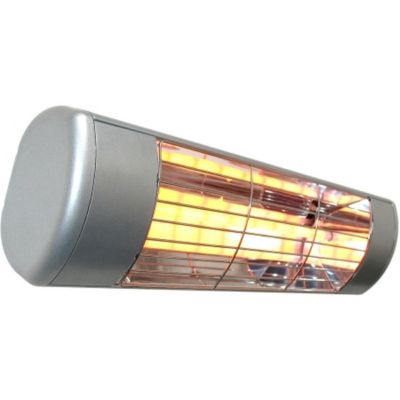
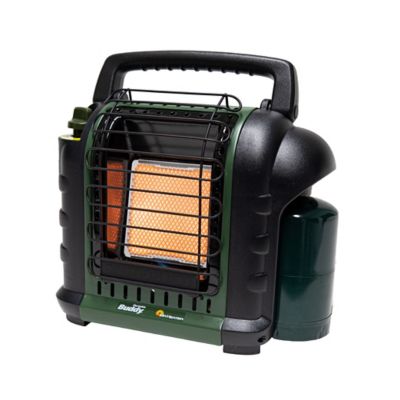
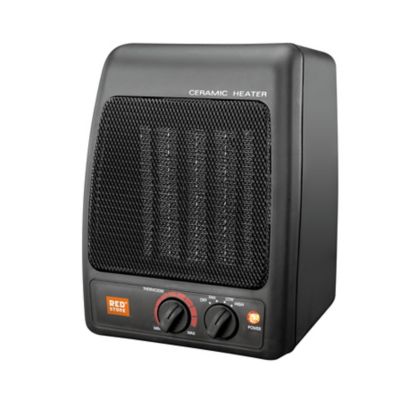
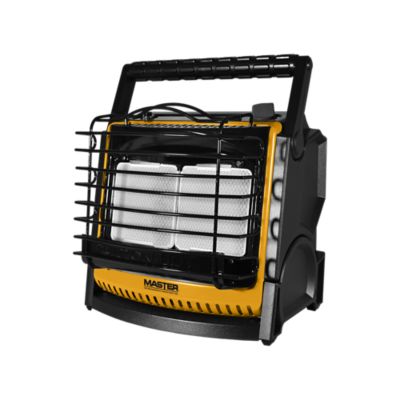
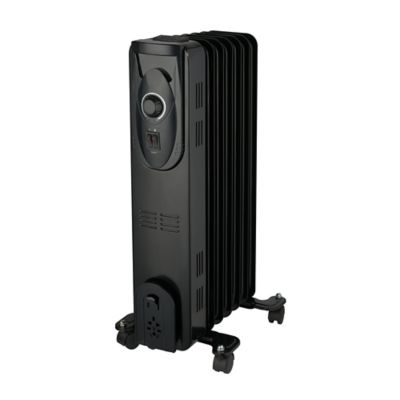
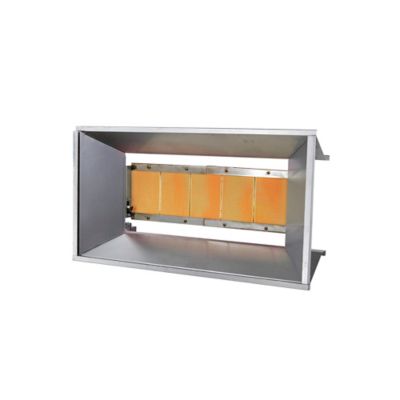
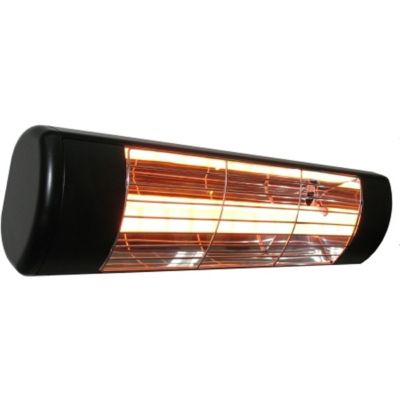
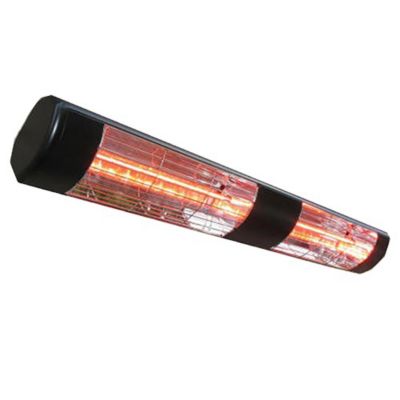
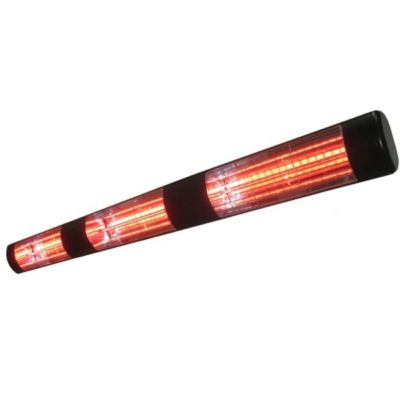
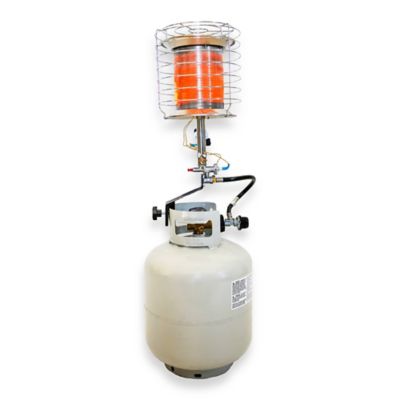
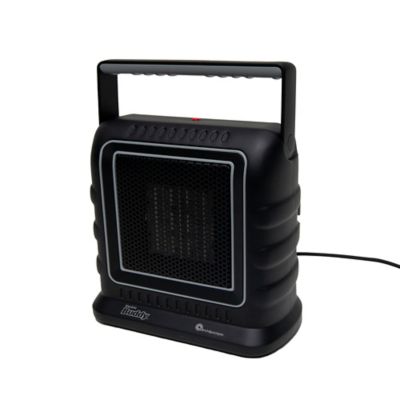
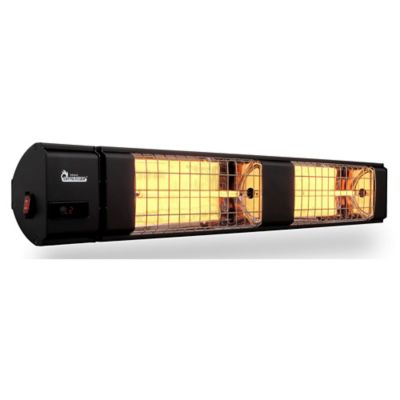
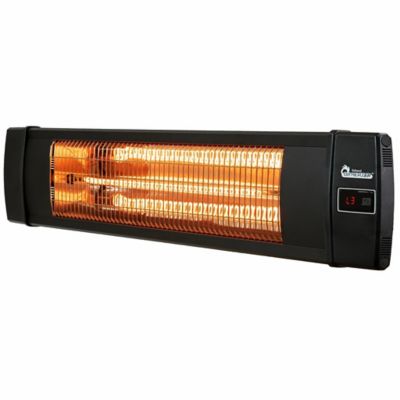
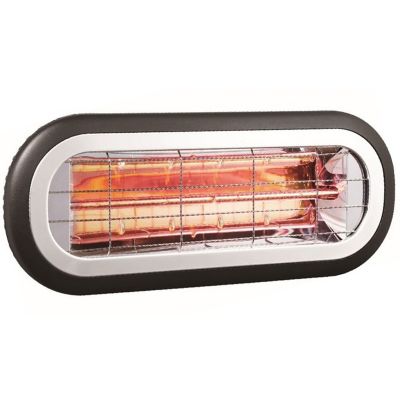
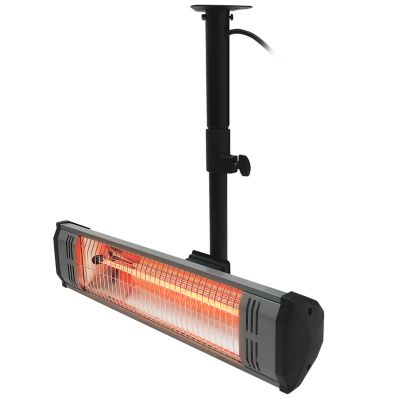
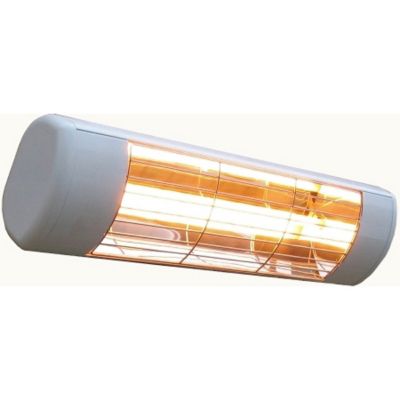
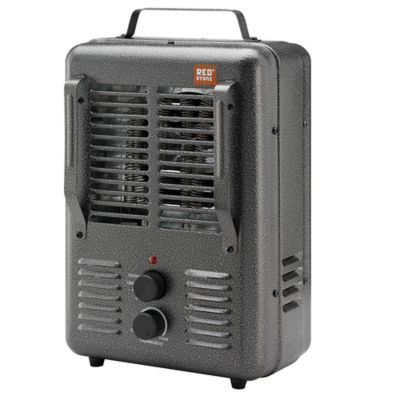
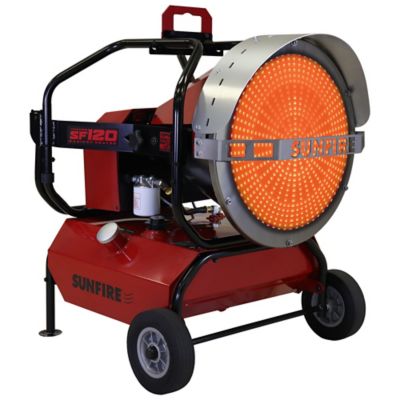
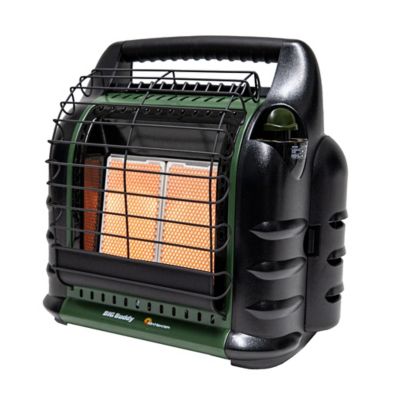
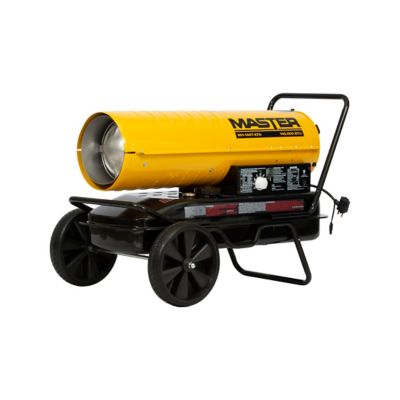
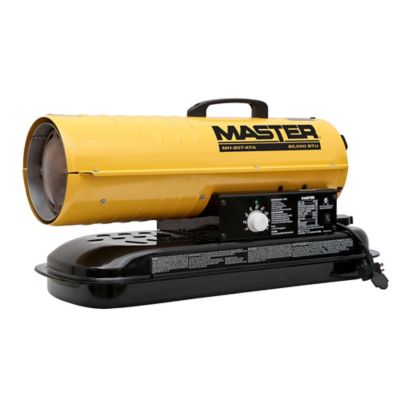
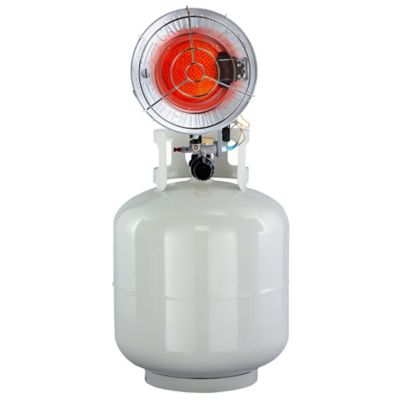
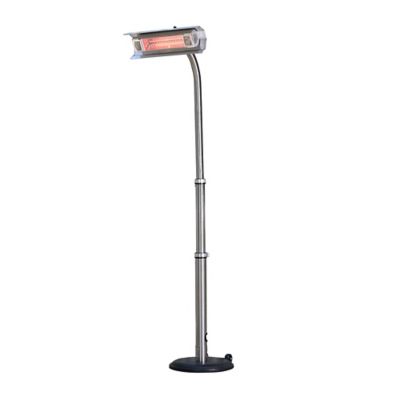
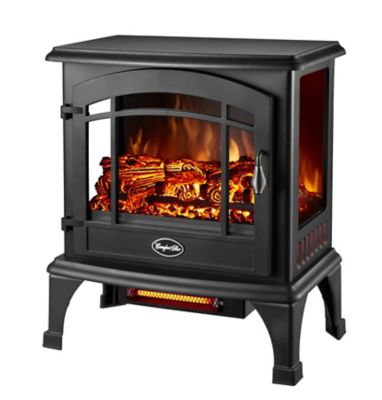
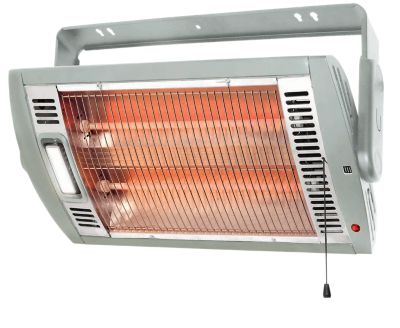
Radiant heaters deliver heat directly to people and objects through infrared energy, rather than relying mainly on warming the surrounding air. Think of the warmth of sunshine on a jacket during a chilly morning: surfaces in the path of that energy absorb heat even when the air still feels cool. That direct warmth makes radiant heating a practical option for a workbench, a reading chair or an approved outdoor seating area during the cooler months. In a shop with tall ceilings, targeted heat can make a designated work area more comfortable without first bringing the entire building to the same temperature. The effect depends on distance, placement and a clear path between the heater and the area it serves; a cabinet or partition can block the heat from reaching the spot where it matters. Many radiant heaters operate without a fan, keeping noise low and avoiding the steady breeze associated with forced-air heating. Some designs include fans or other moving components, though, so sound levels and heat delivery vary. Electric infrared heaters may contain quartz tubes, metal heating elements or carbon elements, often paired with reflectors that direct energy outward. Other designs transfer warmth from a broad panel, while gas-fired radiant heaters heat an emitter or tube through combustion. Metal housings, protective guards and mounting hardware all play a part in how a heater fits its setting, but an exposed guard can still become hot to the touch. Response time varies, too: some elements provide noticeable warmth quickly, while panels and heavier components need time to warm through. For someone sorting hardware at a bench or settling into a favorite chair after chores, the appeal is straightforward: warmth directed toward the place where time is actually spent. Radiant heaters can supplement a main heating system, though their ability to heat an entire room depends on the design, output and conditions.
Finding a good fit means looking beyond the heater’s physical size to its output, power source and installation requirements. Electric heater output is commonly listed in watts, while gas heating capacity is often listed in British thermal units per hour. Neither number alone tells the whole story about comfort. Insulation, ceiling height, drafts, outdoor exposure and the distance from the heating surface all affect the result. A sheltered seating area and an enclosed hobby room have different demands, even when their floor measurements match. Coverage estimates are most helpful when their stated conditions resemble the intended space. Portable radiant heaters offer flexibility for approved locations, with features such as carrying handles, stable bases and adjustable heat settings making everyday handling easier. Wall-mounted and ceiling-mounted designs keep floor space clear, which can help around benches and walkways, but they require suitable structural support, specified clearances and the mounting orientation shown in the manual. A heater above a work area must also stay clear of overhead doors, storage racks and anything that could move into its heat path. Controls deserve a close look as well. Multiple heat levels allow changes in output, timers limit operating periods, and thermostats cycle compatible heaters in response to temperature. A room thermostat measures conditions near its sensor, so its reading may not match the warmth someone feels directly in front of the element. For a broader look at plug-in and installed heating options,
electric heaters include designs with different heat-delivery methods and electrical requirements. Some radiant units connect to a standard household receptacle, while higher-output equipment may call for a dedicated circuit, a different voltage or professional hardwiring. Portable electric space heaters should plug directly into a suitable wall outlet, not an extension cord or power strip. Propane and natural gas radiant heaters have their own requirements for fuel connections, combustion air and venting. Outdoor-only heaters belong outdoors, and opening a garage door does not turn an indoor space into an approved location for outdoor equipment.
The right setting matters just as much as heating performance, especially around farm buildings, garages and busy households. A workshop heater is not automatically suitable for a barn, livestock area or space containing combustible dust. Hay, bedding, sawdust, gasoline, solvents and airborne particles can create hazards that rule out ordinary space-heating equipment. Any heater for those surroundings needs an explicit rating for the conditions, along with installation that meets the manufacturer’s instructions and local requirements. Outdoor radiant heaters likewise need a rating that matches their exposure; placement beneath a porch roof does not make an indoor heater suitable for moisture or windblown rain. Weather-resistant finishes and corrosion-resistant components can help equipment stand up to an approved setting, but those features do not replace the required protection from water. Around the house, a stable location away from foot traffic helps keep cords out from under boots and prevents accidental contact with hot surfaces. Children and pets need separation from heaters even when a unit has a guard, tip-over shutoff or overheat protection. Those features add safeguards rather than permission to leave a portable heater running unattended or while sleeping. Keep curtains, coats, furniture and other combustible materials at least three feet from portable space heaters, or farther when the manual requires it, and never drape gloves or damp clothing over a heater to dry. Fuel-burning equipment also calls for proper ventilation and working carbon monoxide alarms where required; an oxygen-depletion sensor does not replace either one. Routine care is usually straightforward but important. Once the heater is off, disconnected as directed and completely cool, dust can be cleared from accessible surfaces according to its care instructions. Reflectors, guards and air openings need attention without bending components or exposing electrical parts to moisture. Cracked elements, frayed cords, loose plugs, damaged fuel connections or unusual odors call for stopping operation and arranging appropriate service. Between heating seasons, a clean, dry storage spot protects portable equipment from dampness and knocks. With the right application and regular attention, radiant heat can bring welcome comfort to the everyday places where chores, projects and quiet time happen.