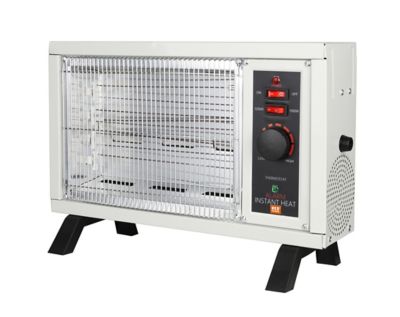
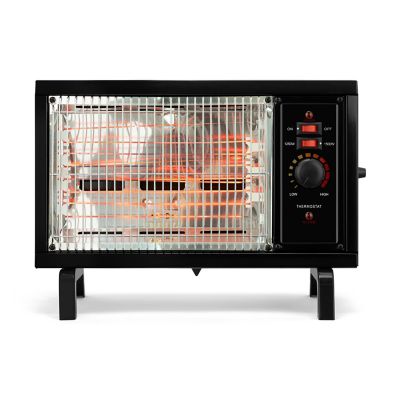
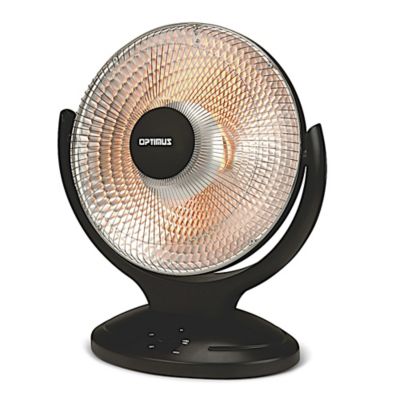
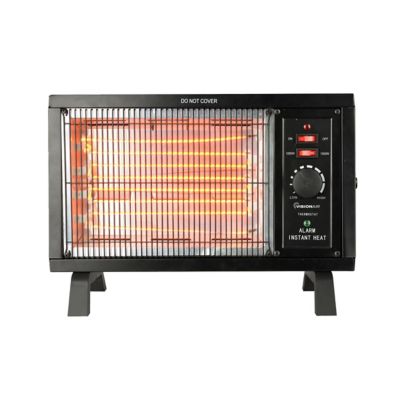
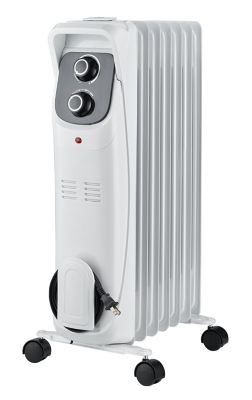
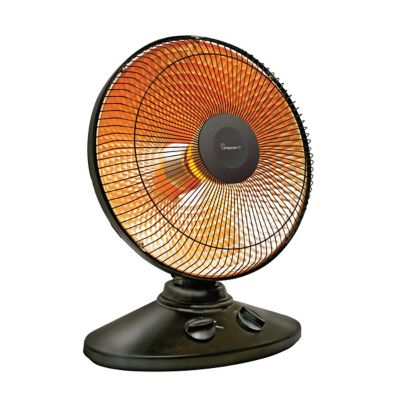
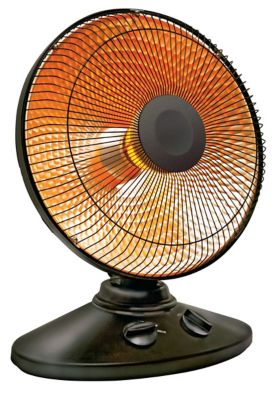
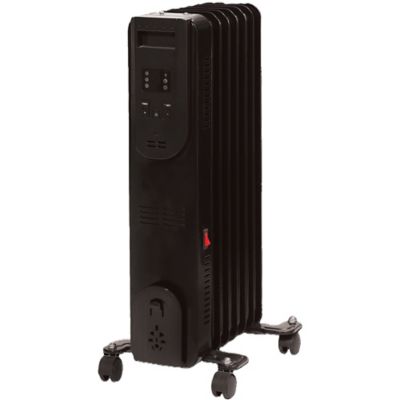
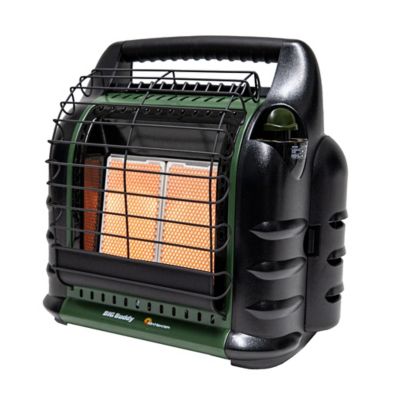
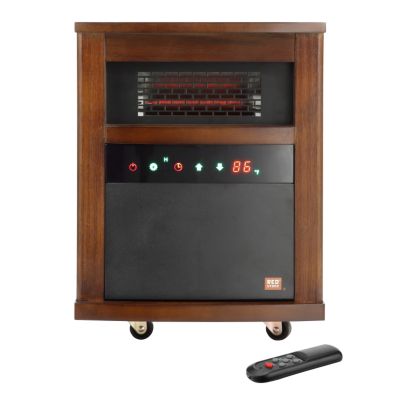
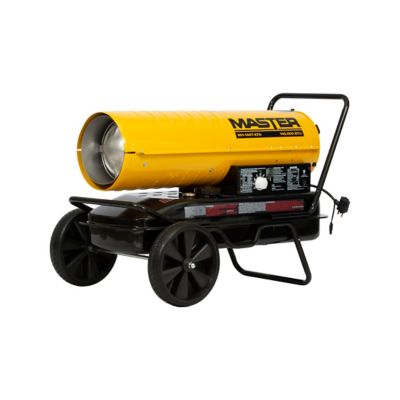
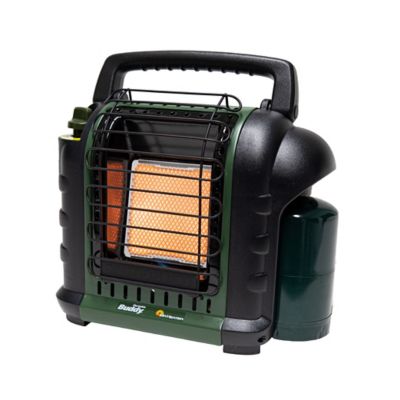
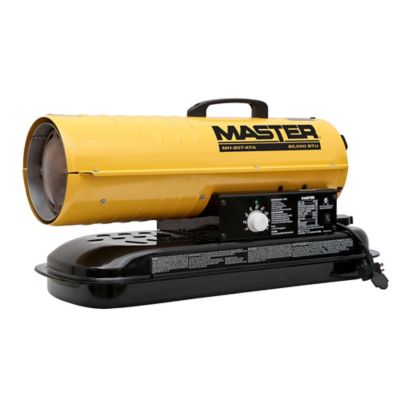
Electric radiators can bring steady, comfortable warmth to the spots where you need it most, whether that’s a chilly bedroom, a drafty home office, a finished basement, a mudroom, or a small outbuilding with access to electricity. Unlike a forced-air heater that pushes warm air through a vent, an electric radiator uses an internal heating element to warm the unit itself and radiate heat into the room. Many designs use thermal fluid, while others use dry aluminum elements or ceramic material. Thermal-fluid models generally warm up gradually and hold onto heat after the thermostat cycles off, making them a good fit for folks who like an even, settled temperature through the evening. Dry or oil-free styles tend to respond faster when you need heat on demand, and ceramic-core designs can offer a balance between quick heating and lingering warmth. Electric radiators usually operate quietly, without the fan noise and dusty air movement that can come with other heaters. That makes them handy beside a reading chair, near a desk, or in a nursery where a little peace and quiet goes a long way. They can also help take the edge off in rooms that stay cooler than the rest of the house, such as a corner room over a garage or a cabin bedroom at the end of the hall. If you’re comparing options for a particular space, browsing
Room Radiators can help you think through the styles and sizes that may fit your setup.
Before choosing an electric radiator, start with the room rather than the appearance of the heater. Measure the space, note whether the ceiling is especially high, and look for practical heat-loss trouble spots such as older windows, exterior doors, uninsulated walls, or a room above an unheated area. A larger room with poor insulation may need more heating capacity than a smaller, well-sealed room, while a compact space may become uncomfortable if the unit is oversized. Check the manufacturer’s heating-area guidance and electrical requirements, and make sure the circuit can safely handle the load. A thermostat is useful for keeping the room from swinging between too hot and too cold, while multiple heat settings let you use less power when you only need a little extra comfort. Timers and programmable controls can be helpful for warming a room before breakfast or taking the chill off before bedtime, but they should be used according to the instructions for the specific unit. Portable radiators are convenient when you want to move warmth from a home office to a bedroom or from a living area to a workshop, while wall-mounted models can save floor space and stay in one dedicated location. Portability also means paying attention to handles, cord length, and stable placement. Set the radiator on a level surface with plenty of open space around it, keep clothing, bedding, feed bags, paper, curtains, and other flammable materials well away, and never cover the unit while it is operating. Use a properly grounded outlet rather than an overloaded extension cord or power strip unless the manufacturer specifically allows one. Electric radiators are often most practical as supplemental, zone heating instead of a whole-house replacement for an existing furnace, boiler, or heat pump. Heating only the room where people are spending time can be more comfortable than turning up the thermostat everywhere, though actual operating costs depend on the unit’s wattage, local electricity rates, insulation, outdoor temperatures, and how long it runs.
These heaters can be useful for all kinds of households. A homeowner with a drafty older farmhouse may use one to make a back bedroom more inviting, while someone living in a newer house may want extra warmth in a basement office or enclosed porch. They can suit renters who need a simple, non-permanent way to improve comfort, provided the property rules and electrical setup allow it. In a rural home, an electric radiator may also be helpful in a mudroom where boots and coats come in cold from the barn, or in a work area that is only occupied for part of the day. They are not intended for heating barns, animal shelters, garages with flammable fumes, or other spaces unless the unit is specifically rated for that environment; livestock, pets, dust, moisture, and combustible materials call for extra care and the right equipment. As a practical gift, an electric radiator can make sense for someone settling into a new home, finishing a basement, setting up a remote work area, or spending more time in a cool cabin during the cooler months. It’s the sort of useful gift that may not come with much fanfare, but it can be appreciated on a frosty morning when a warm room makes getting dressed, feeding animals, or starting the day a whole lot easier. Look for sturdy construction, clear controls, tip-over and overheat protection where available, and a design that fits the recipient’s space and habits. Keep the instruction manual handy, inspect the cord and plug before use, and store the unit clean and dry when it is not needed. With the right size, safe placement, and sensible use, an electric radiator can provide quiet supplemental warmth exactly where daily life calls for it.