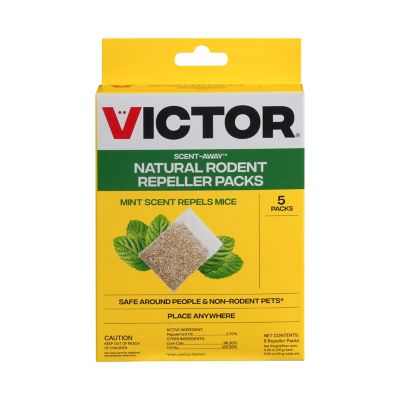
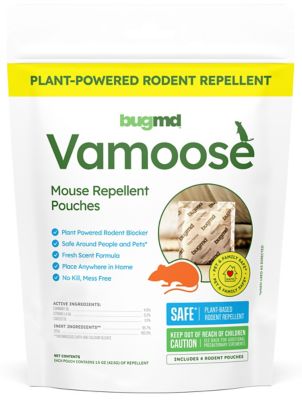
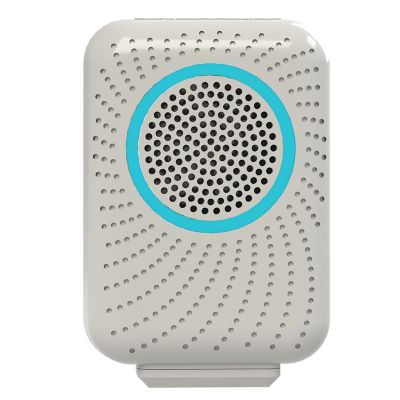
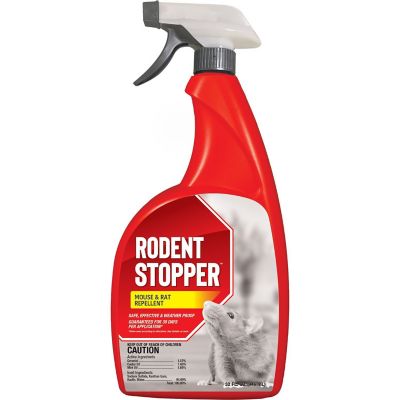
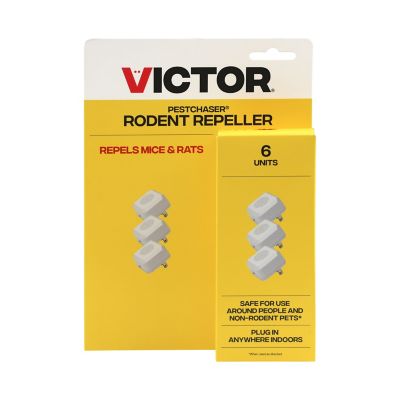
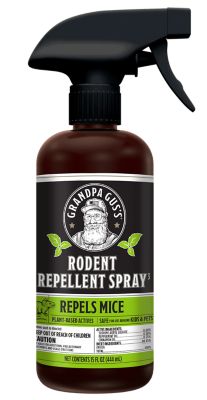
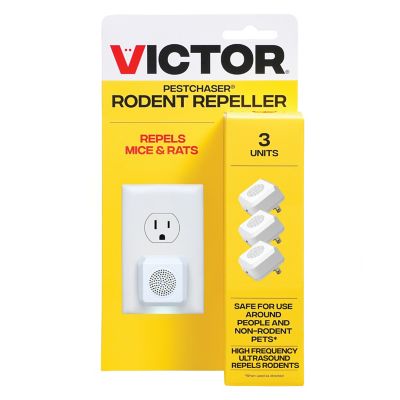
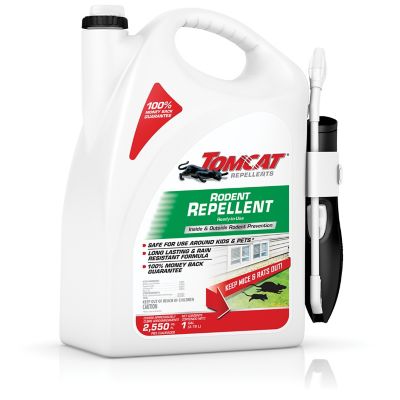
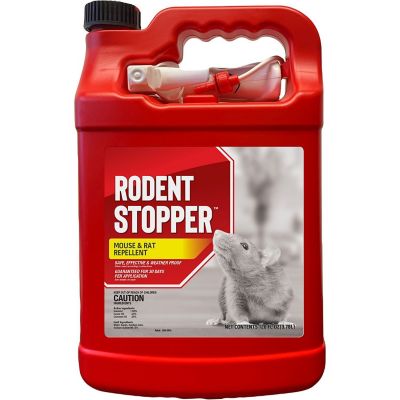
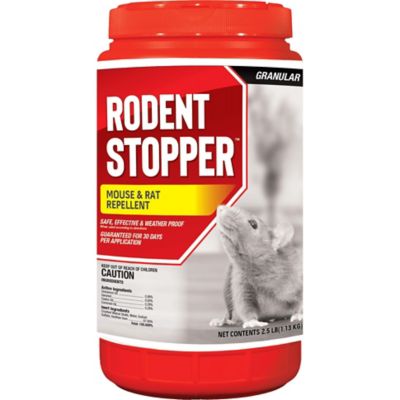
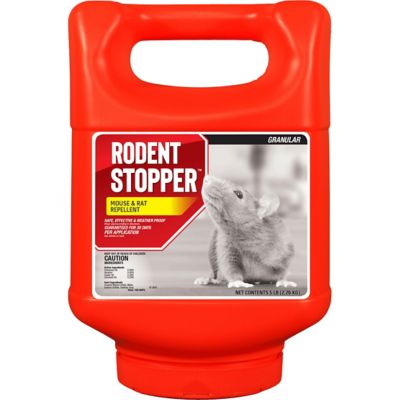
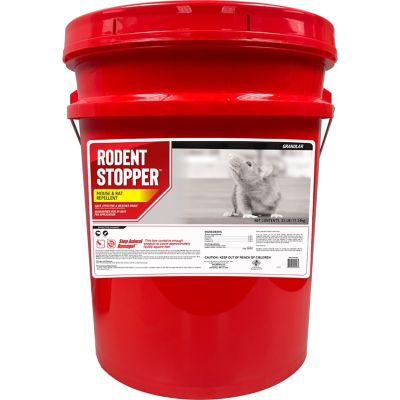
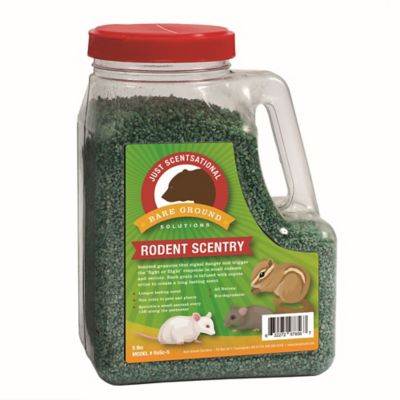
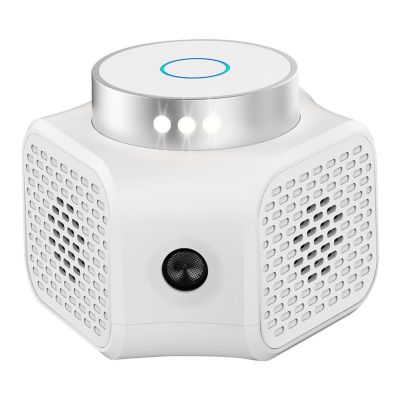
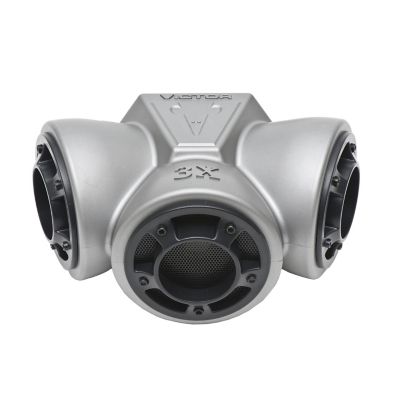
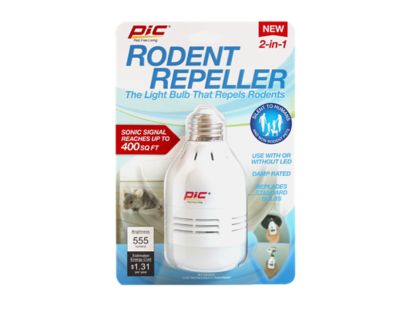
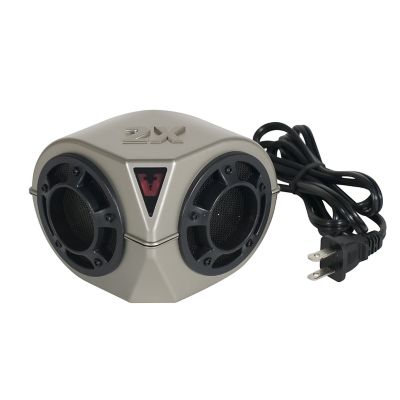
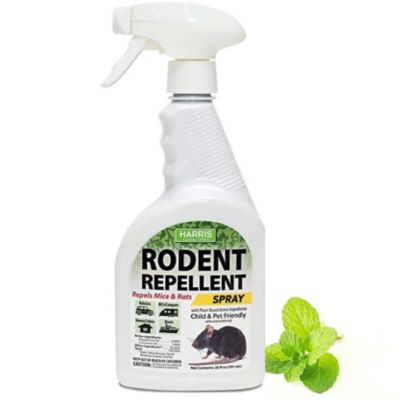
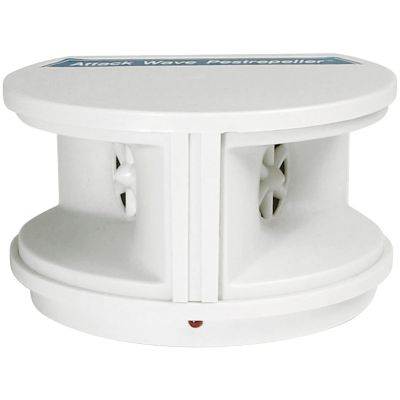
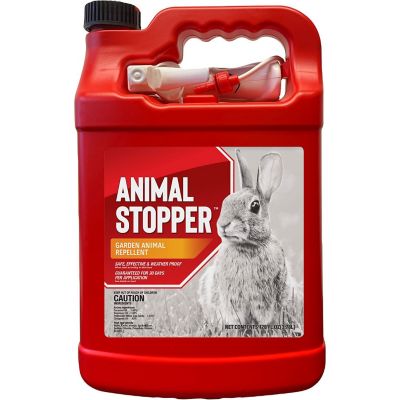
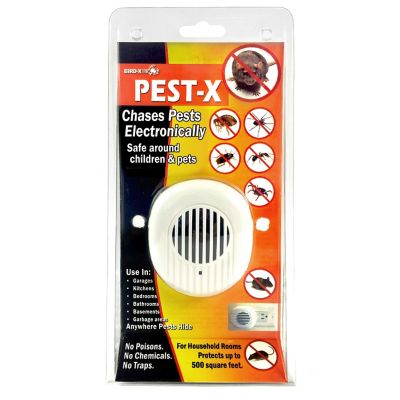
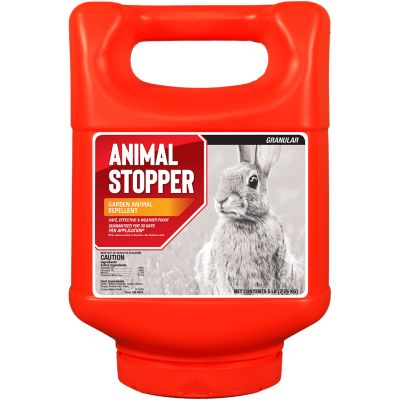
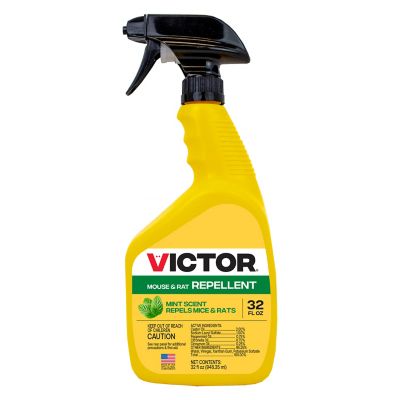
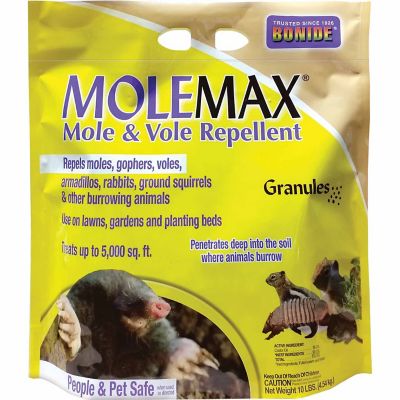
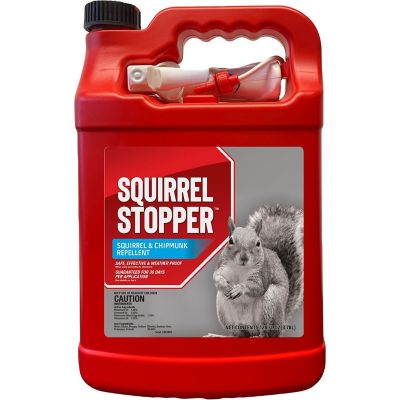
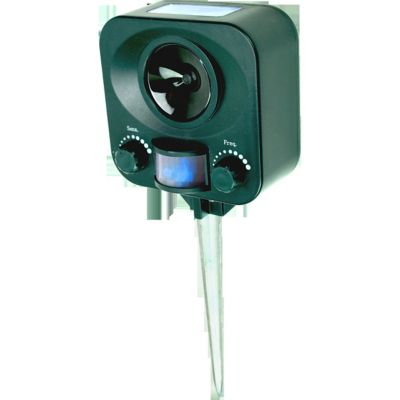
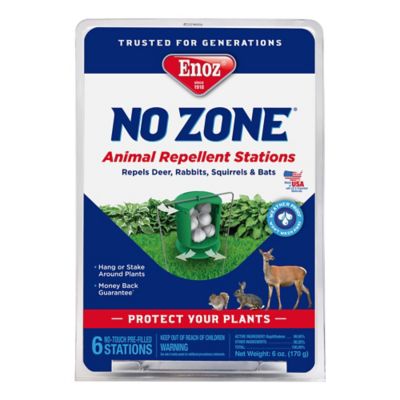
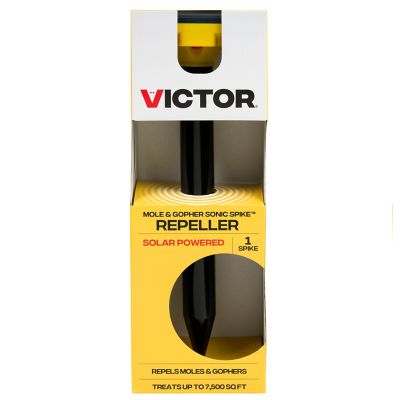
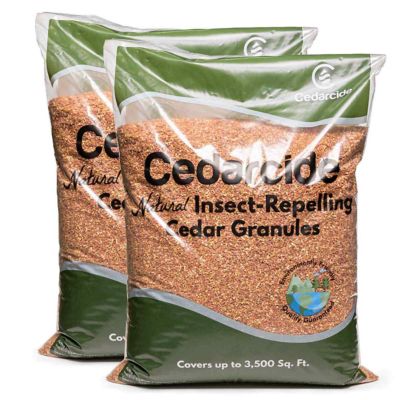
Rodent repellents are intended to discourage mice, rats, and other rodents from entering or spending time in a treated area. Many scent-based formulas contain peppermint oil, balsam fir oil, or other aromatic ingredients, but their performance depends on the formula, placement, target animal, and surroundings. These repellents are best considered an added deterrent, not a cure for an established infestation or a substitute for closing entry points. That distinction matters whether the concern is mice near a feed room, rats around an outbuilding, or nesting activity in a parked camper. Repellents come in several general forms, including sprays, scent pouches, granules, and electronic devices, with different requirements for where and how they belong. Sprays allow targeted application where the label permits, while pouches hold a scent-bearing material inside a breathable covering. Granules provide another application format, often intended for designated outdoor areas rather than living spaces. Electronic rodent repellents take a different approach, emitting sound rather than distributing a scent. Evidence for lasting control from ultrasonic devices is limited, and walls, stored belongings, and room layout can affect where sound reaches. No format should be expected to protect an entire property simply because it sits in one corner of a building. For homeowners, farmers, shop owners, and folks looking after sheds or equipment storage, the useful comparison starts with the animal named on the label and the space that needs attention. A formula labeled for mice inside an enclosed structure is not automatically suited to rats outdoors, and a repellent intended for an outdoor perimeter may not belong in a kitchen or feed storage area. Matching the intended use to the setting helps narrow the choices without leaning on broad promises. The amount of space involved matters, too: a small storage compartment and an open barn aisle present very different placement and coverage needs.
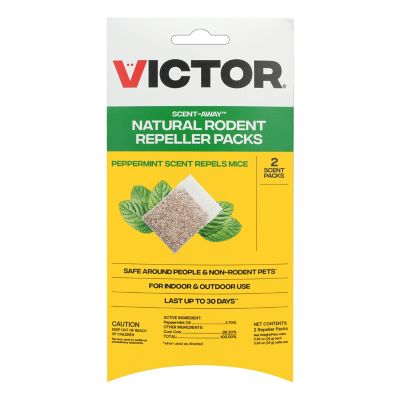
The application format makes a practical difference around the house and farm. A pouch can be convenient in an enclosed storage space when its label allows that placement, but it needs to remain out of reach of children and animals and away from anything the label says to avoid. Its covering holds the contents together while allowing scent to move into the surrounding air; tearing it open or transferring the filling changes that arrangement. Liquid repellents require closer attention to the surface receiving them. Unfinished wood, fabric, painted trim, plastic, and other materials may respond differently to a formula, so surface restrictions and any spot-testing directions deserve a look before application. Engine compartments, electrical equipment, and vehicle interiors call for particular care because not every repellent is labeled for those locations. Spray should never be assumed suitable for wiring, belts, hot components, or air intakes. Around animal housing, separate the intended treatment area from feed, drinking water, bedding, and surfaces animals lick or chew, following the label for each setting. Plant-derived ingredients still require careful handling; a familiar peppermint smell does not establish that a formula is safe for every pet, livestock species, or household member. Fragrance can also be a consideration in occupied rooms, especially where people are sensitive to strong scents. For electronic options, outlet location, power requirements, and clearance around the device are part of the fit. A unit tucked behind stacked feed bags or a solid cabinet cannot be assumed to cover the space beyond those barriers. For any format, labeled coverage is a starting point tied to application directions, not a guarantee that every nook of a building will receive the same effect. Package closure, storage conditions, replacement intervals, and reapplication directions also affect ongoing care. Keeping the original label with the container makes those details easier to check later, particularly when more than one person looks after a barn, workshop, or storage building.
Rodent repellents make the most sense alongside the everyday work of keeping a property less inviting to pests. A little spilled grain beneath a feed bin, birdseed scattered along a shed wall, or pet food left within reach can keep drawing rodents toward an area despite a nearby scent treatment. Tight-fitting lids on suitable storage containers, prompt spill cleanup, and fewer hiding places help address those attractions. Building condition matters just as much. Gaps around utility lines, damaged door sweeps, and openings near a foundation can give rodents a route inside that scent alone will not block. Materials intended for rodent exclusion, such as appropriate metal mesh or flashing, address access in a way repellents cannot; the right choice depends on the opening and the structure. In a tack room, for example, the concern may be protecting stored supplies while keeping treatment away from leather, fabric, and animal-contact gear. In a detached workshop, it may be discouraging activity near a storage wall without applying anything to tools or electrical parts. These are different jobs, even when both involve mice. Repeated sightings, fresh droppings, gnawing, or nesting material point to activity that warrants more than adding another pouch or increasing application beyond label directions. An established infestation may need trapping, exclusion work, or help from a pest management professional, with repellents serving only a supporting role if appropriate. Larger burrowing rodents bring another set of concerns around gardens, foundations, and outbuildings;
Groundhog Repellents are a separate category to consider, with the target species and permitted application sites checked carefully. Across these settings, sensible expectations matter more than scent strength or sweeping coverage claims. The best fit is a rodent repellent labeled for the animal and location involved, in a format that can be placed, maintained, and kept clear of people, animals, feed, and equipment as directed.