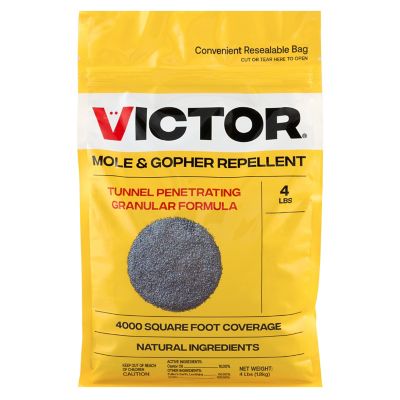
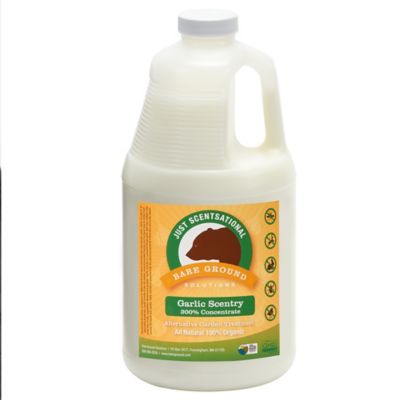
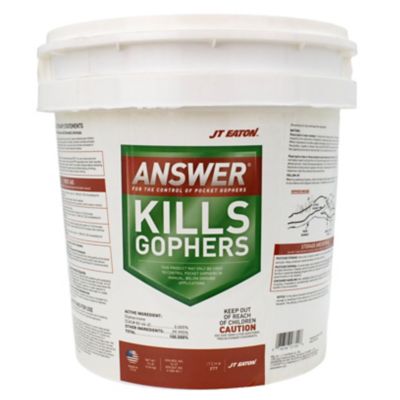
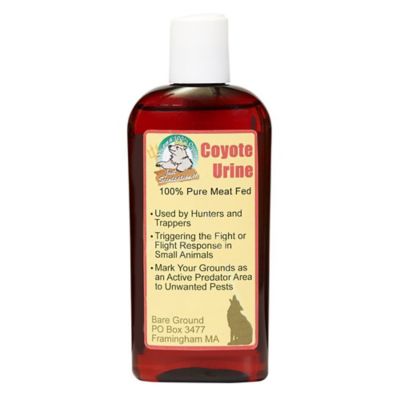
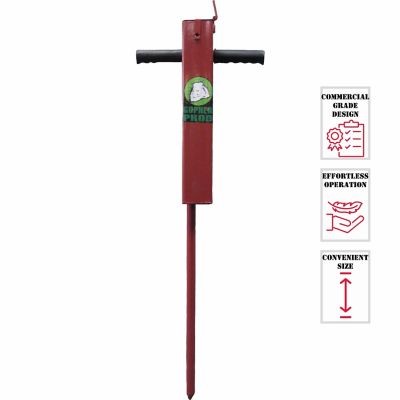
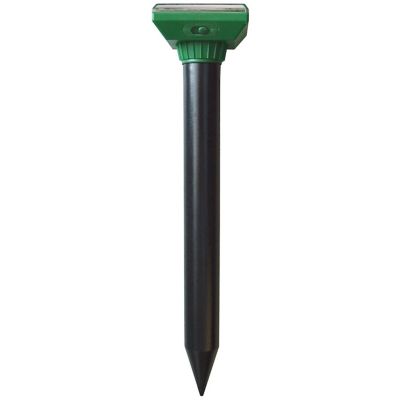
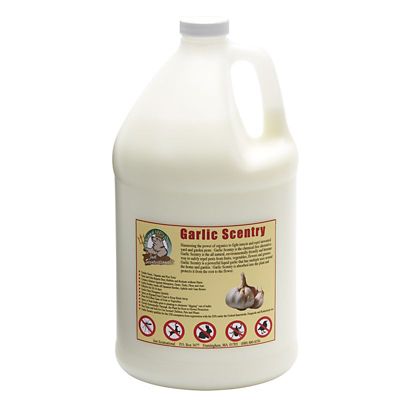
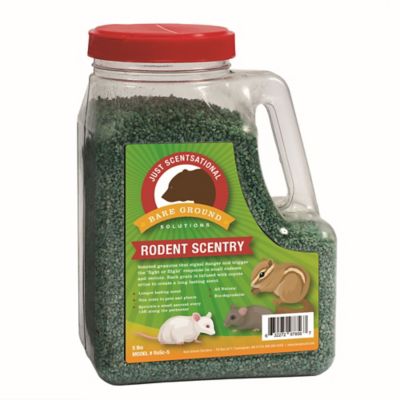
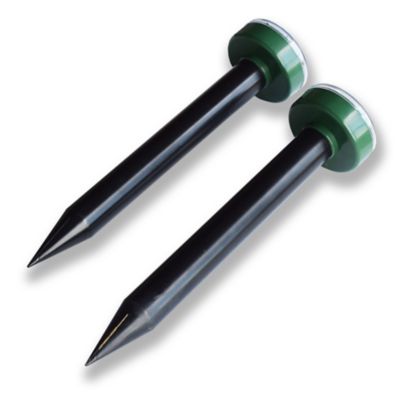
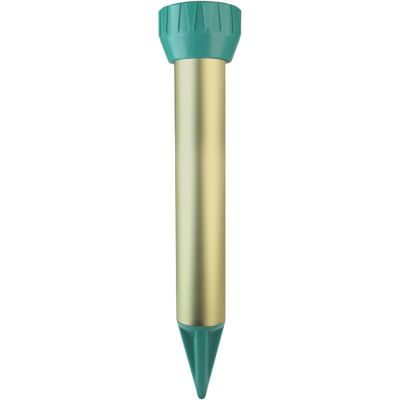
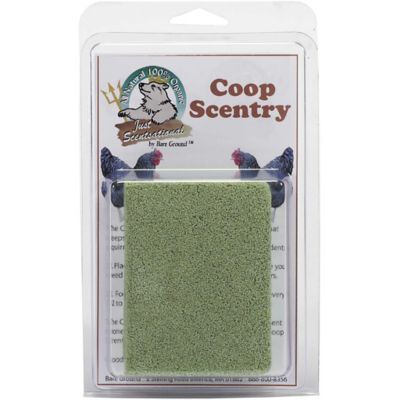
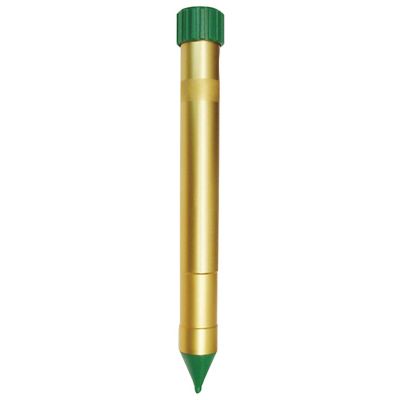
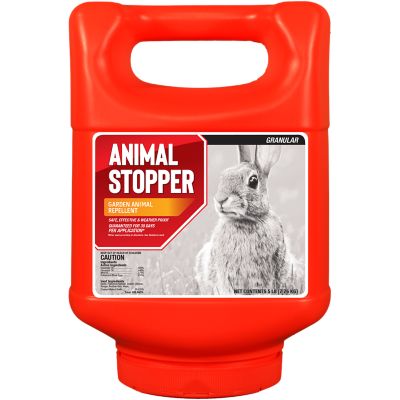
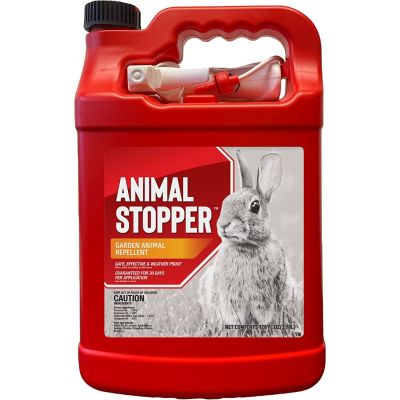
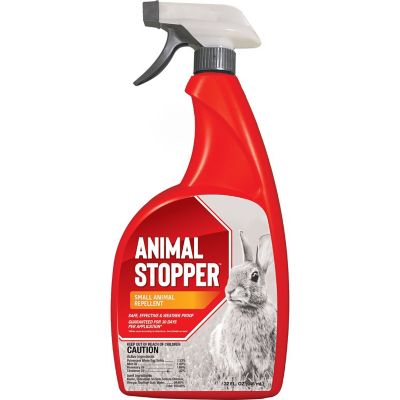
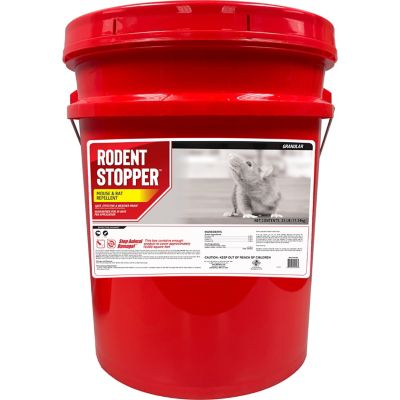
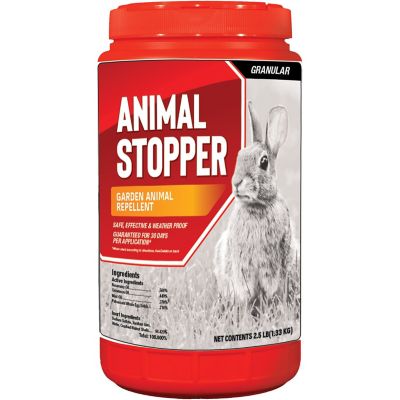
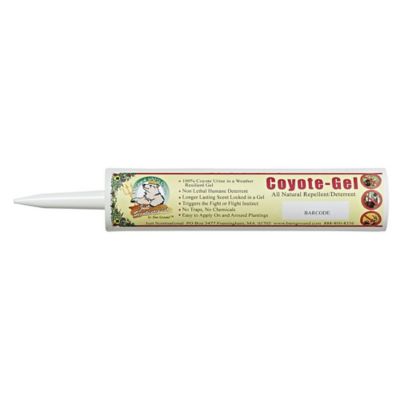
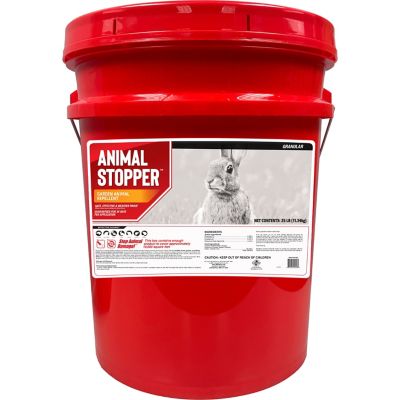
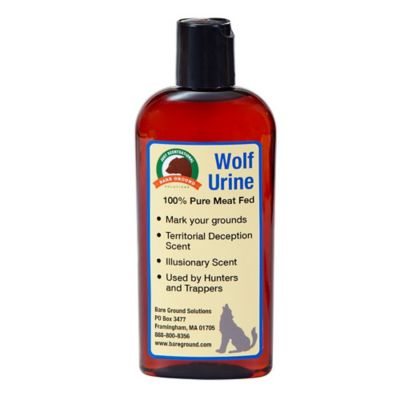
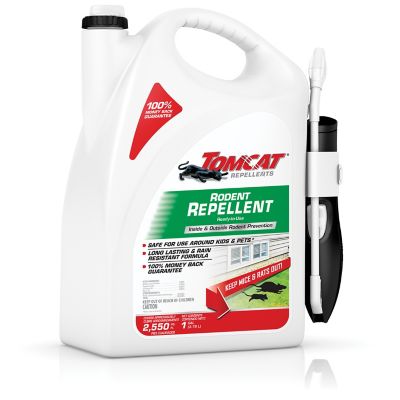
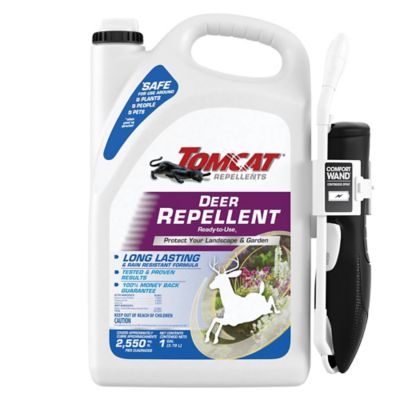
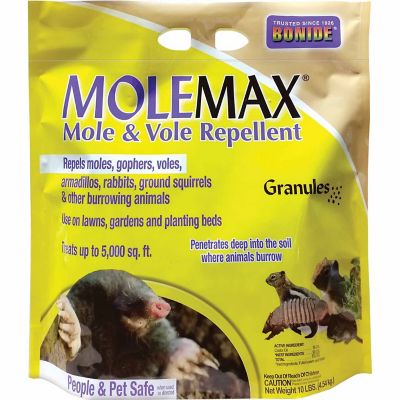
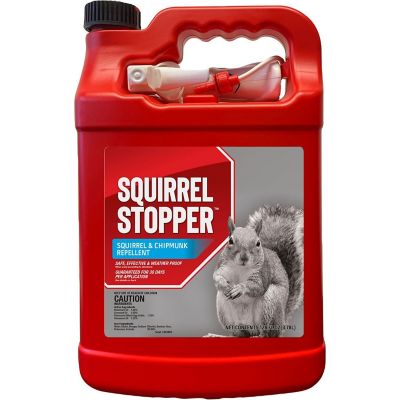
Gopher repellents can help make lawns, garden beds, pastures, and other outdoor spaces less inviting to burrowing pests. Gophers spend much of their time below ground, where they dig feeding tunnels, push up fresh soil, and may damage roots, bulbs, irrigation lines, and young plants along the way. Repellents are made to create an unpleasant smell or taste in and around the soil, encouraging gophers to move away from treated areas rather than relying on traps or other removal methods. Many formulas use castor oil, garlic oil, or other strong-smelling ingredients that travel through the soil after application. This makes them a practical choice for homeowners, gardeners, growers, and landowners who want to protect established planting areas or keep activity from spreading across a larger section of ground. They can also be useful alongside other control steps, such as repairing damaged borders, reducing heavy cover near garden edges, and using physical barriers where appropriate. When you shop gopher repellents, think about the size and layout of the area you need to cover, how easy the product is to apply, and whether the treatment is intended for lawns, ornamental beds, vegetable gardens, or other outdoor spaces. A granular formula may be a handy fit for an open yard or a defined perimeter, especially when you want to spread the material evenly with a handheld or broadcast spreader. Liquid formulas, including hose-end options, can help cover broad sections of turf and soil with less measuring and mixing. Repellent stakes or capsules may be suited to smaller areas or known tunnel openings, where the treatment can be placed close to active underground activity. Check the label for coverage rates, watering instructions, reapplication timing, and any restrictions around edible crops, pets, livestock, children, ponds, or treated areas. For more ways to discourage unwanted visitors around the home, garden, and outbuildings, browse
Rodent Repellents.
For the best results, start by looking for signs of fresh activity instead of treating every part of the property without a plan. New mounds usually have loose, clean-looking soil, while older mounds may settle, dry out, or become covered with grass and leaves. Marking the locations of recent mounds can help you decide whether a perimeter treatment, spot treatment, or full-area application makes the most sense. Granules are generally spread across the surface at the rate listed on the package, with extra attention given to garden borders, turf where mounds are appearing, and paths leading toward valuable plants. Some granular products work best when watered into the soil, allowing the scent to move below the surface and into nearby tunnels; a thorough soaking may be recommended, often for roughly 15 to 20 minutes, depending on the label and soil conditions. Liquid sprays should be applied evenly, with care around low spots where runoff could collect. Products intended for tunnel placement should be used only as directed, since forcing material into an occupied tunnel or disturbing a mound too much can change the pest’s movement pattern. Soil type, temperature, irrigation, and rainfall all affect how long a repellent remains noticeable. A stretch of heavy rain can dilute or move a treatment, and dry, compacted ground may need watering before or after application to help the formula reach the soil. Reapplication is commonly needed every few weeks or after substantial rainfall, but the package directions should always be the deciding guide. Keep treated products in their original containers, store them away from feed and water sources, and wash hands after handling. If you are treating a property where dogs, cats, horses, poultry, or other animals roam, choose a formula approved for that setting and follow the required wait time before allowing animals back into the area.
Gopher repellent supplies can be a thoughtful, practical gift for someone who takes pride in a neat lawn, keeps a vegetable patch, manages a small acreage, or spends weekends tending flower beds. They are especially useful for new homeowners and gardeners who may not yet have a routine for protecting fresh plantings from underground pests. A repellent can also make a sensible addition to a farm, homestead, or garden-care package with gloves, seed-starting supplies, soil amendments, or hand tools. During the cooler months, activity may be less noticeable above ground, but existing tunnels and damaged roots can still affect the condition of the soil and plants when the weather warms. Applying a product according to its label and keeping an eye on fresh mounds helps you stay ahead of recurring trouble without treating the property blindly. Gophers may shift their routes when a section of ground becomes unpleasant, so consistency matters, particularly along fence lines, garden edges, newly planted areas, and places where soft soil makes digging easy. Repellents are not a substitute for reading directions or understanding the conditions on your property, and no single approach works the same way in every yard. Look for clear coverage information, straightforward application instructions, ingredients that fit your intended use, and packaging that is easy to store between treatments. Whether you are protecting a patch of tomatoes, keeping a lawn looking smooth, or trying to preserve the roots around young trees and shrubs, the right gopher repellent can be a useful part of a broader outdoor pest-control routine.