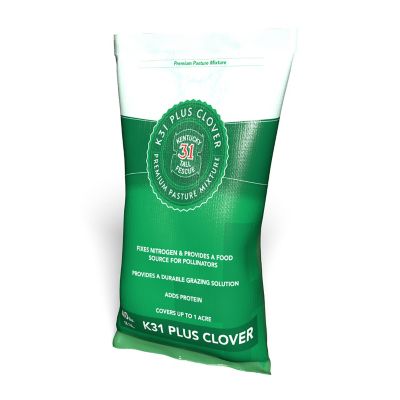
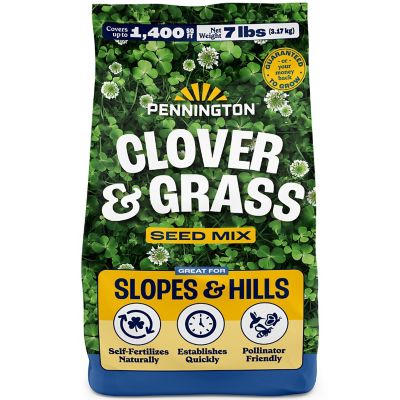
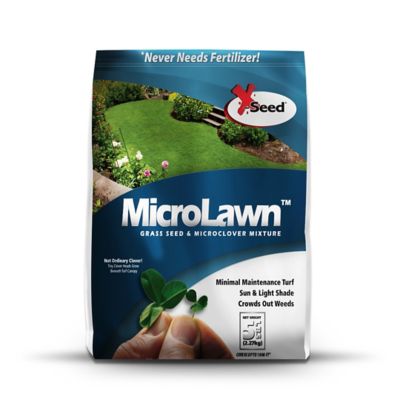
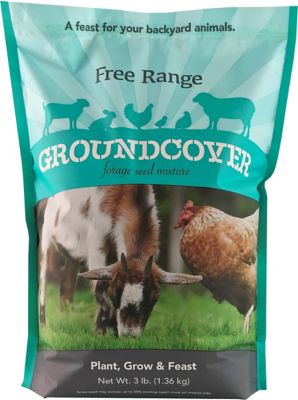
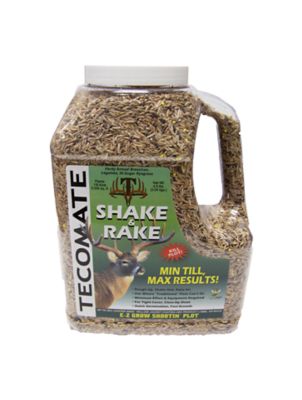
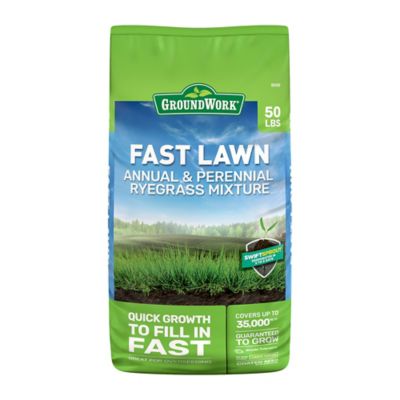
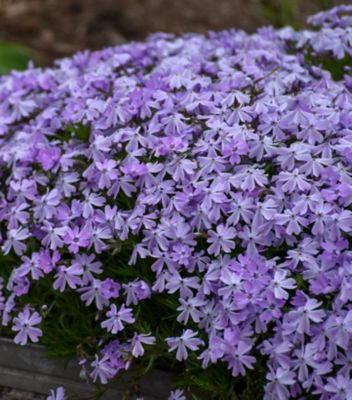
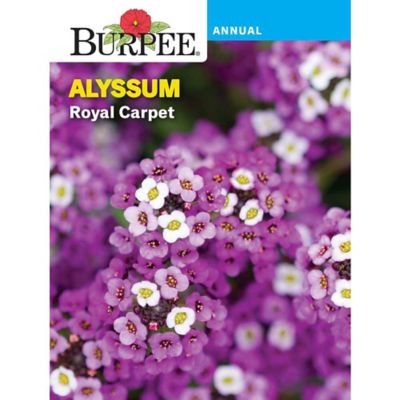
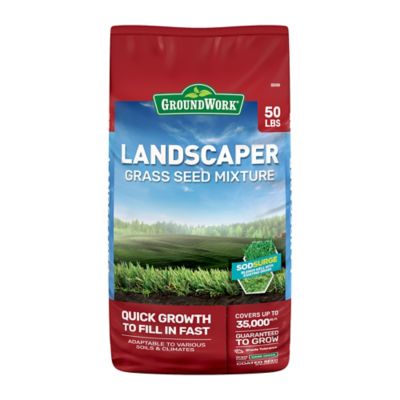
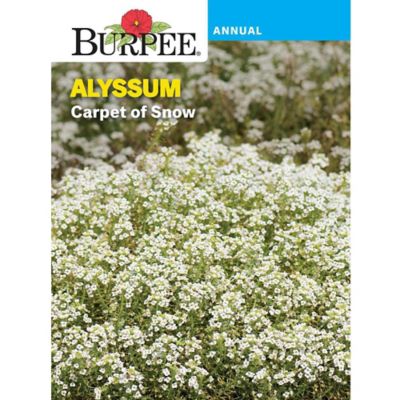
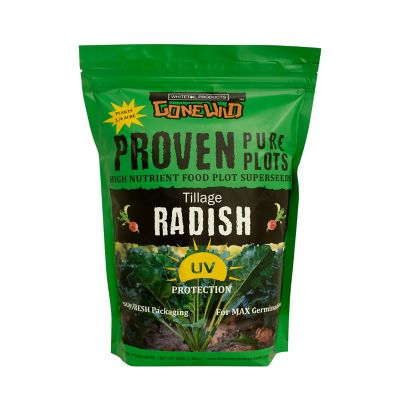
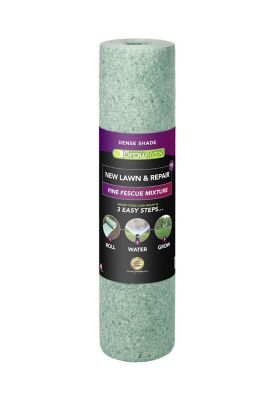
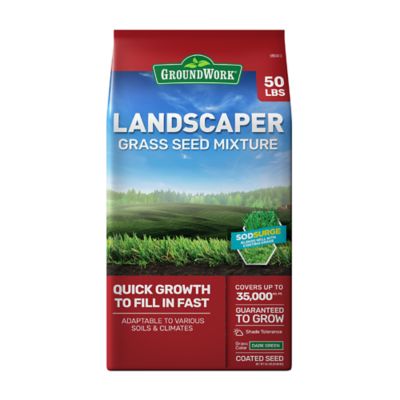
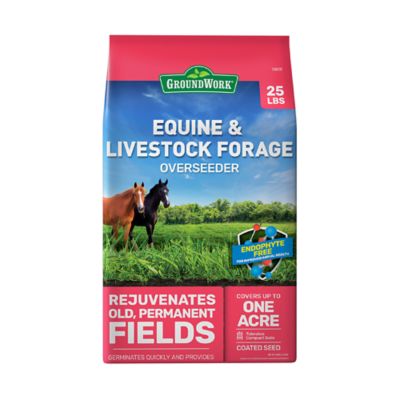
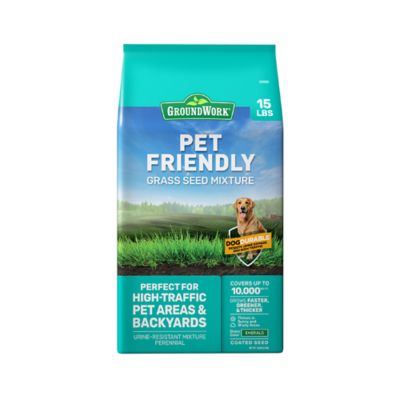
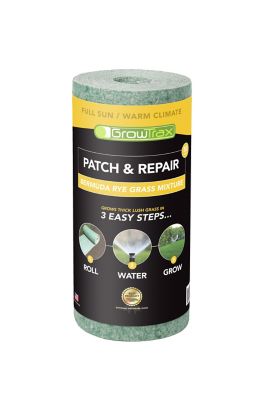
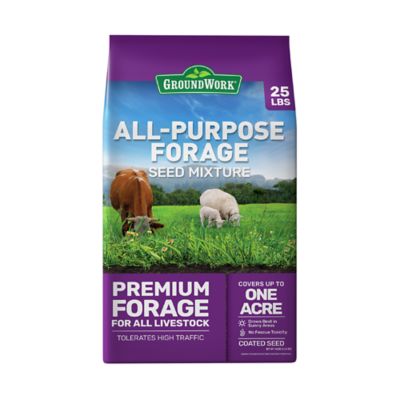
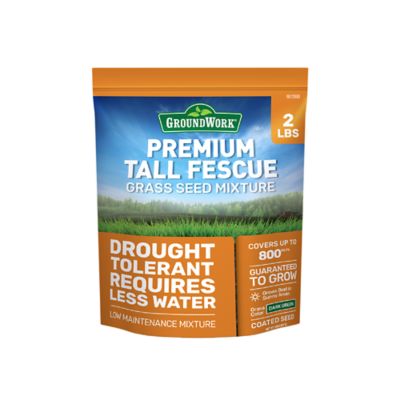
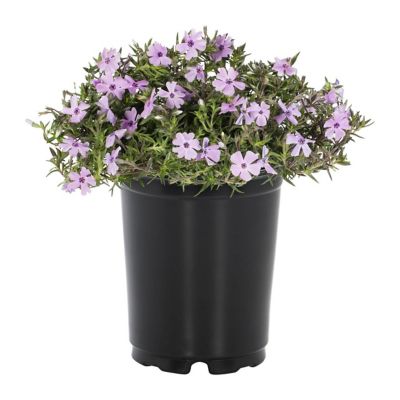
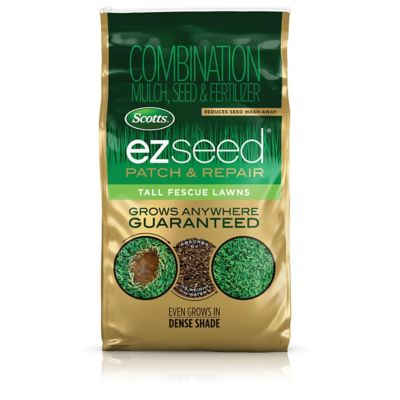
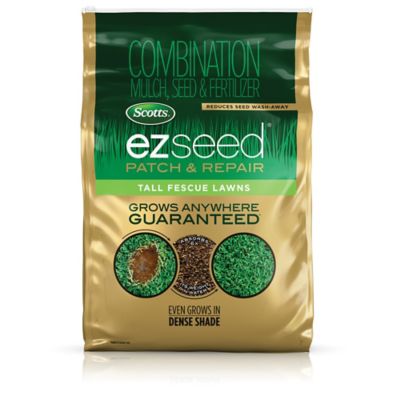
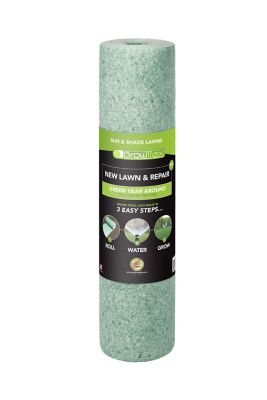
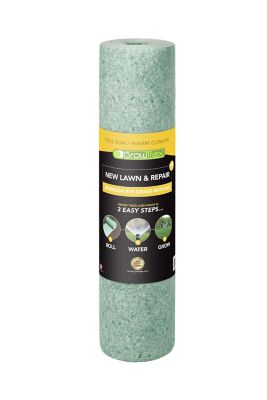
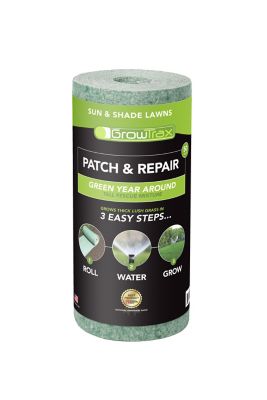
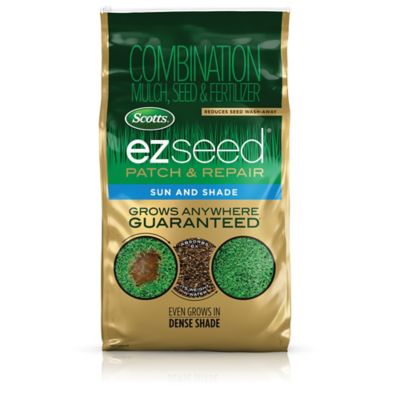
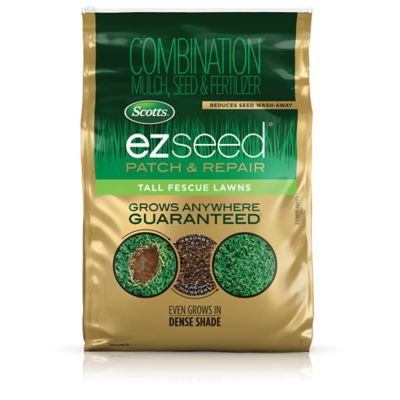
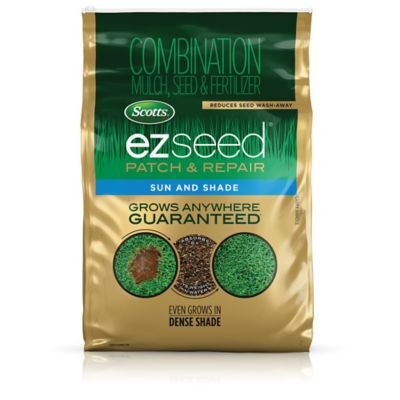
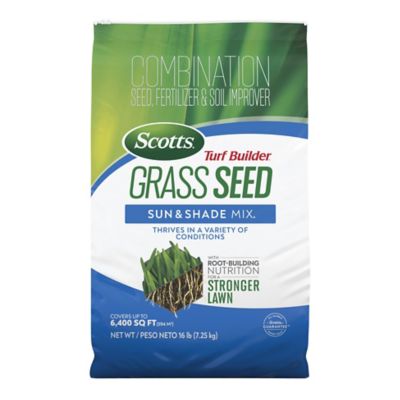
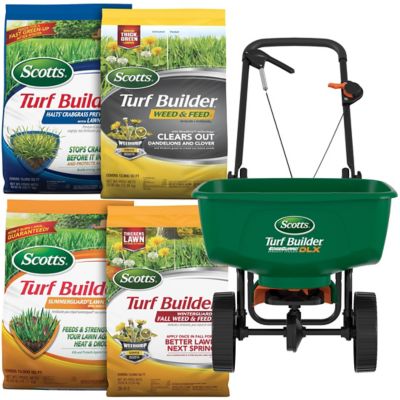
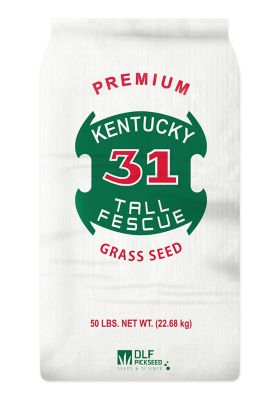
When it comes to establishing a healthy, low-maintenance landscape, ground cover seeds are a smart choice for just about any property—whether you’re managing a sprawling homestead, a small backyard, or even a few trouble spots around the barn. Folks who want to cut down on mowing, keep weeds at bay, or prevent soil from washing away after a heavy rain know the value of a good groundcover seed mix. These seeds offer a practical solution for filling in bare patches, stabilizing slopes, and creating pathways that can handle a little foot traffic from kids, pets, or livestock. As the weather warms up and you’re looking to get ahead of weed growth or erosion, ground cover seed is a practical investment. Some varieties, like buckwheat, are especially popular because they grow fast, crowd out weeds, and even attract pollinators to the garden. If you’re searching for buckwheat tractor supply or a buckwheat seed 50 lb bag near me, you’re likely looking to cover a larger area or maybe plant a quick summer cover crop that will improve your soil for next season’s veggies or flowers.
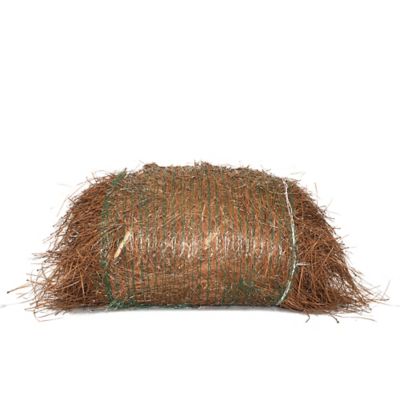
Ground cover seeds aren’t just for farmers or gardeners with acres to spare—they’re handy for anyone wanting a tidy, easy-care yard. Whether you’re patching up worn spots in the lawn, filling in along fence lines, or looking for a lush carpet under shade trees, there’s a ground cover seed mix out there that’ll suit your soil and sun conditions. These seed mixes can be a thoughtful gift for new homeowners, folks who love to tinker in the yard, or anyone who’d appreciate less yard work and more time enjoying the outdoors. With options ranging from drought-tolerant blends to shade-loving varieties, ground cover seeds near me are easy to find and even easier to plant. Just scatter, water, and let nature do the rest. And if you want to give your new ground cover a little extra help holding in moisture and keeping weeds down, consider pairing your seed with quality
Mulch Covers. This simple step can make a big difference, especially during those stretches of hot, dry weather or in spots where the wind likes to whip through. No matter your project, planting ground cover seed is a reliable way to protect your land, cut down on chores, and add a touch of green where you need it most.