Mulch covers help gardeners and lawn caretakers handle everyday outdoor work with a little less fuss. In garden beds, a mulch cover usually means a sheet or film laid over the soil around vegetables, flowers, herbs, shrubs, or young plants. It can help slow weed growth by limiting light at the soil surface, hold moisture in place between waterings, and moderate the temperature around plant roots. Some covers have planting openings, while others can be cut or secured to fit the layout of a bed. They may be useful in a backyard garden, raised bed, small farm plot, greenhouse area, or landscape planting where keeping the soil protected matters. During the cooler months, a dark side may help warm the soil when sunlight is limited. In warmer conditions, a light or reflective side may help reduce heat buildup near the roots. Always check the cover’s instructions before choosing which side should face up, since materials and intended uses can vary. A properly placed cover can also help keep soil from splashing onto leaves during watering or rain, which makes it handy for crops that grow close to the ground. Gardeners often pair a cover with stakes, pins, weights, or soil along the edges so wind cannot lift it and carry it across the yard. For a neat, steady fit, smooth the soil first, remove sharp stones and sticks, and leave enough room around stems so plants can grow without rubbing against the material. If you are planning the edges of a bed as well, browse
Mulch Borders for another way to keep loose material contained and planting areas looking orderly.
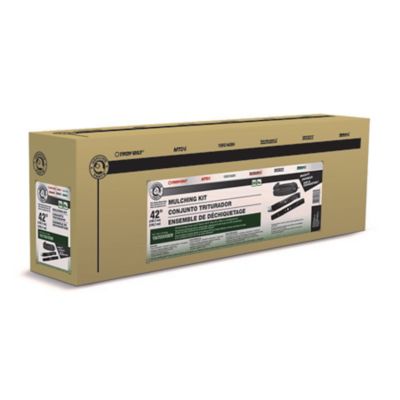
The phrase mulch cover can also refer to a lawn mower discharge chute cover, sometimes called a mulching plug. This attachment closes the side or rear discharge opening on a mower deck so grass clippings stay beneath the deck while the blades cut them into smaller pieces. The clippings can then fall back onto the lawn instead of being thrown into a windrow or spread onto a driveway, garden bed, or walkway. Before purchasing this type of cover, match it to the mower’s make, model, deck design, and cutting width. Even attachments that look alike may use different mounting points, clips, straps, pins, or wing nuts, so the right fit matters. Check the mower manual, the attachment listing, and the measurements of the opening before ordering. A cover made for one deck may not sit correctly on another, and a loose fit can interfere with operation. Installation generally involves turning off the mower, removing the key or disconnecting the spark plug where appropriate, lifting or securing the discharge flap, placing the cover over the opening, and fastening it as directed. Keep hands and tools away from the blades, and never install or remove a chute cover while the engine is running. Once fitted, inspect the fasteners before mowing and stop to check the cover if grass begins clumping beneath the deck. Mulching works best when the grass is dry and not overly tall; taking off only part of the grass blade at a time can help the clippings break down and return nutrients to the lawn. If the grass is wet, heavy, or growing quickly, side discharge or bagging may be a better choice for that mowing session.
Choosing between garden film and a mower chute cover starts with the job at hand, then comes down to size, material, fit, and storage. For garden use, measure the length and width of the bed, account for overlaps, and decide whether you need a solid sheet, a pre-cut cover, or material that can be trimmed around rows. Consider how much sun the area receives, how often you can water, and whether you want a cover for weed control, moisture retention, temperature management, or protection from soil splash. Plastic films are light and easy to roll up between uses, while paper-based or compostable options may suit gardeners who prefer a material intended to break down after the growing season; follow the disposal and installation directions for whichever material you select. For mowing, confirm the deck width and attachment style rather than relying on appearance alone. A cover may be useful for homeowners who like to return fine clippings to the lawn, caretakers tending a large rural yard, or anyone who wants to change mowing from side discharge to mulching when conditions allow. Garden covers can make a practical present for a new homeowner, a neighbor starting raised beds, or a family member who spends spring and summer tending vegetables, even though the gift may be tucked away when the ground rests. After use, brush off soil and grass, let the cover dry, and store it in a cool, protected spot away from sharp tools, fuel, and prolonged sunlight. With the right type and fit, a mulch cover can support cleaner garden beds or a tidier mowing routine as outdoor work shifts from the growing season into cooler weather.