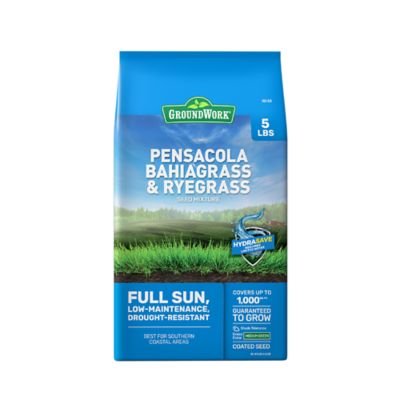
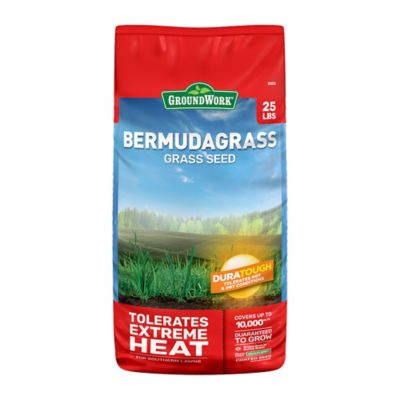
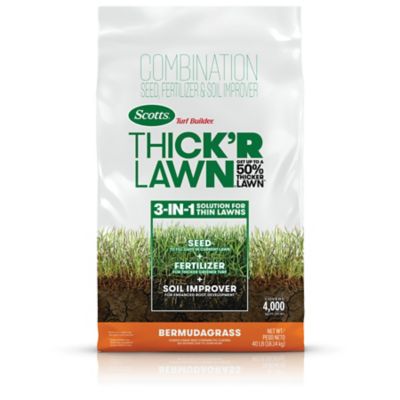
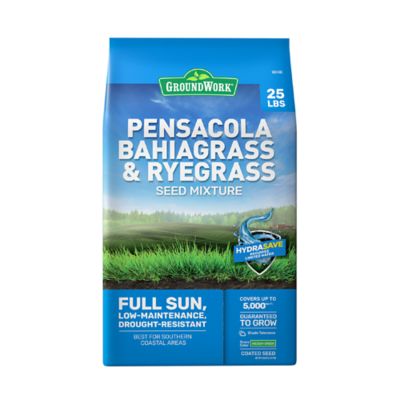
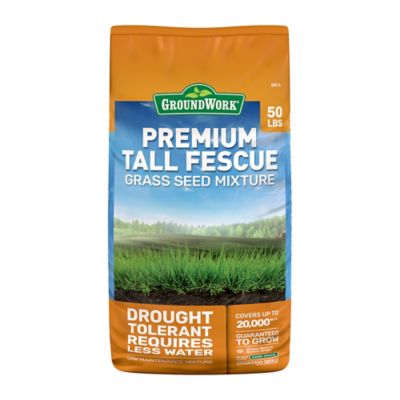
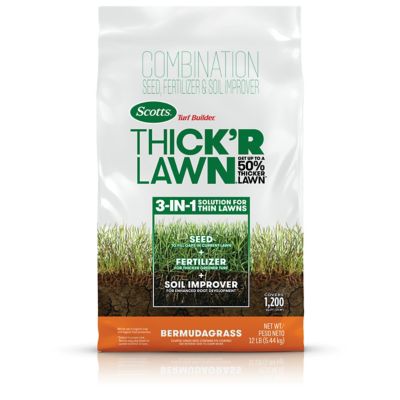
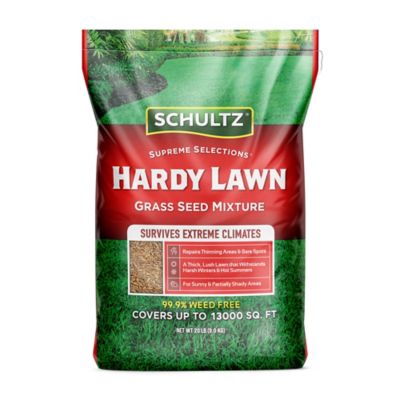
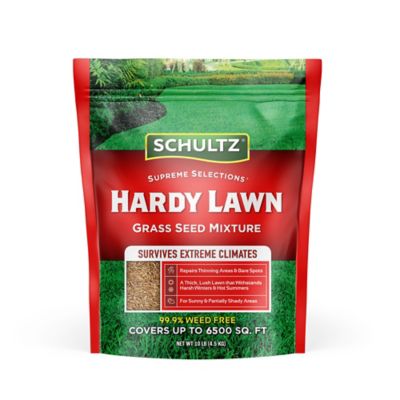
Grass seeds for Florida lawns need to match the part of the state, the sunlight reaching the ground, and the way the yard gets lived on. The best fit for an open yard in North Florida may be different from the right choice for a shaded lot in Central Florida or a sandy property farther south. Bahiagrass, bermudagrass, centipedegrass, and certain zoysiagrasses are among the lawn grasses that can be established from seed, but each brings different strengths and upkeep needs. Bahiagrass suits many sunny, sandy sites where a practical, lower-input lawn matters more than a tightly clipped appearance. Its deeper root system helps established turf handle stretches between waterings, though its open growth and tall seedheads give it a different look from finer-textured grasses. Bermudagrass fits sunny lawns that see plenty of activity, spreading readily once established and recovering from wear when growing conditions and care support it. That spreading habit also means keeping an eye on nearby flower beds and garden edges. Centipedegrass is a consideration for some North and Central Florida lawns with acidic soil and lighter foot traffic; alkaline ground and heavy use are less favorable matches. Seeded zoysiagrass options can form a dense lawn, but establishment is generally slower, and the characteristics of the particular variety matter. In South Florida, soil conditions, irrigation water, and possible salt exposure deserve close attention rather than assuming every grass suited to Florida will perform equally well. St. Augustinegrass, a familiar sight across the state, is established with sod or plugs rather than lawn seed. That distinction matters when matching a seed purchase to an existing yard. Sun exposure can narrow the choices just as much as location: bermudagrass and bahiagrass favor open sun, while shade tolerance varies among zoysiagrasses. Deep shade beneath a broad tree canopy can limit any seeded lawn, making a different ground cover more practical than repeated reseeding.
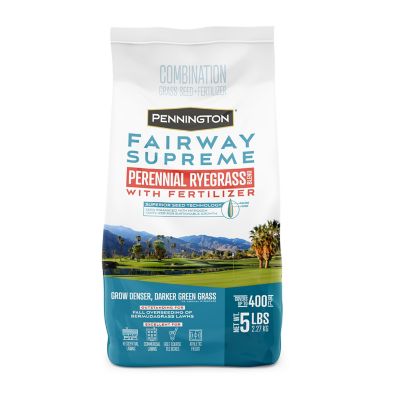
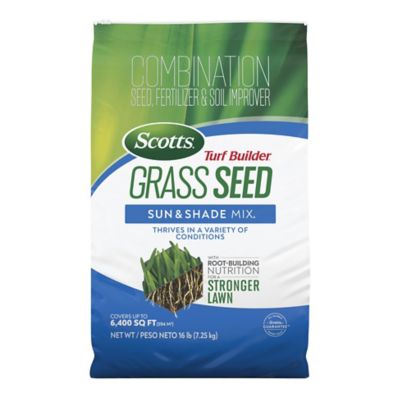
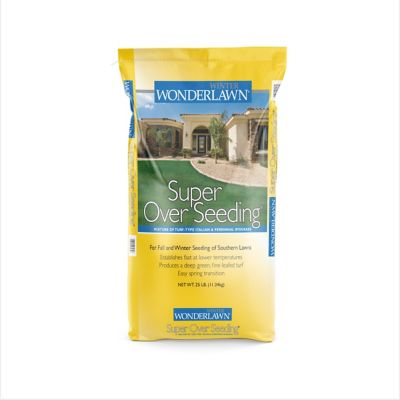
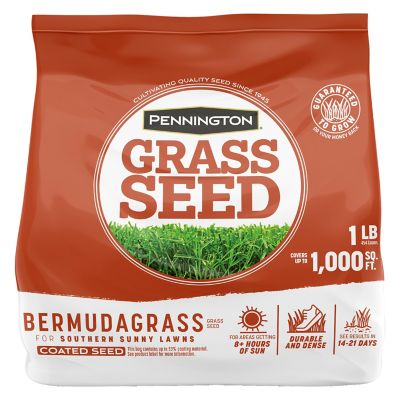
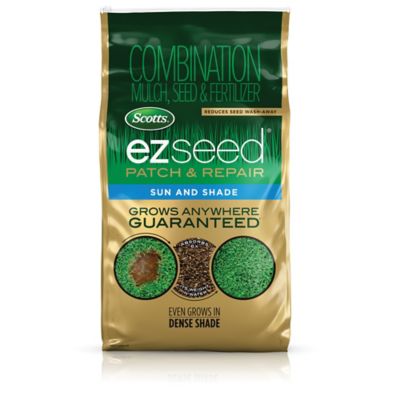
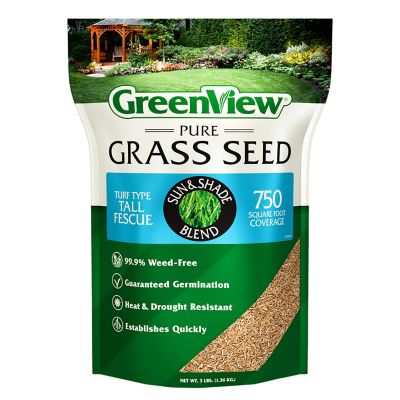
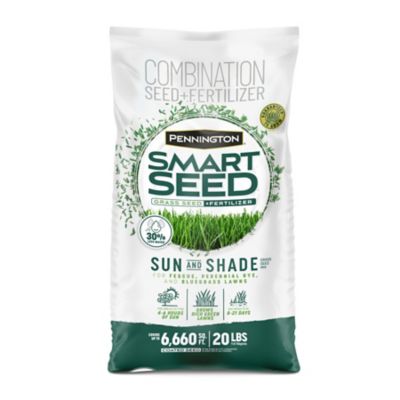
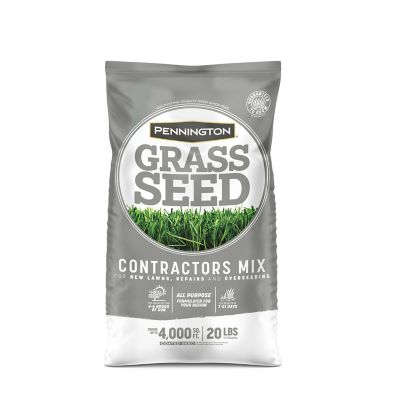
The contents of a grass seed bag matter as much as the grass name on the front. Seed labels identify the grass species or varieties, germination percentage, pure seed percentage, and other components, helping shoppers compare what will actually go into the soil. Germination percentage reflects performance under test conditions, not a promise that every seed will become a plant in the yard. Coated seed includes material surrounding the seed, so total bag weight alone does not tell the whole story. Some lawn seed preparations also contain fertilizer or a moisture-holding material; those ingredients change what is in the bag and should be considered alongside the needs of the planting area. Coverage information is especially useful because establishing bare ground generally calls for a different application rate than filling a thin stand of compatible grass. A small patch beside the driveway and a broad stretch around a new house may need the same grass type but very different amounts of seed. Blends combine varieties of one grass species, while mixtures contain more than one species, and neither description automatically means the contents suit every Florida yard. Matching the listed grasses to the site keeps appearance, growth habits, and mowing needs from working against one another. Soil texture and drainage are part of that fit, too. Loose sand, compacted ground near a gate, and a low spot that holds water present different challenges, even on the same property. A soil test can identify pH and nutrient needs before fertilizer becomes a guessing game. Lawn seed also benefits from careful storage before planting: a dry, sheltered spot helps protect the contents from moisture and damage. Label directions remain the best reference for handling, planting rates, and any added ingredients, especially when other lawn treatments are part of the plan.
A good lawn seed match also takes everyday routines into account. A family yard with children running between the porch and the fence needs a different balance of wear recovery and upkeep than a lightly traveled front lawn. Dogs following the same route along a fence can wear a path through almost any grass, so traffic patterns matter even when a grass has strong wear tolerance. Bermudagrass can suit an active, sunny space where regular mowing and feeding are part of the routine, while bahiagrass often appeals to property owners who prefer a less intensive approach and do not mind a coarser appearance. Fine texture, dense growth, mowing height, and the effort needed to keep edges tidy all affect how a lawn fits daily life. For a bare lot, an expanded yard, or ground left open after a project,
New Lawn Seeds offers a related starting point for considering whole-lawn establishment rather than spot repair alone. Existing lawns need a close match in grass type and appearance, since a patch of a different species can stand out in color, blade width, and growth rate. Seed-to-soil contact, consistent moisture during germination, and protection from heavy traffic are important to getting new grass rooted; scattering seed over thick thatch or hard-packed ground rarely gives it much of a foothold. Irrigation coverage matters beyond the nearest sprinkler, particularly around corners, slopes, and narrow strips beside pavement. Once established, the grass should be maintained at a mowing height suited to its species rather than clipped to match a neighbor’s yard. Fertilizer needs vary, and local Florida fertilizer rules may affect application plans. Keeping clippings and stray seed off pavement and out of storm drains helps keep lawn care where it belongs. The right seed supports a lawn that fits the property, whether that means room for backyard play, a tidy stretch along the front walk, or a broad, grassy yard around a country home.