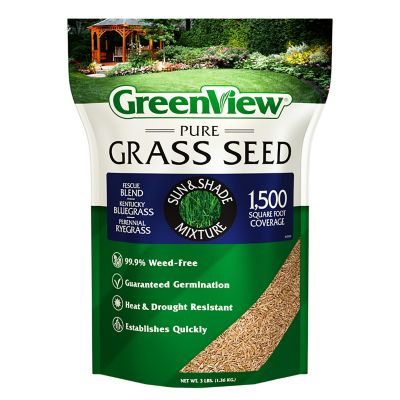
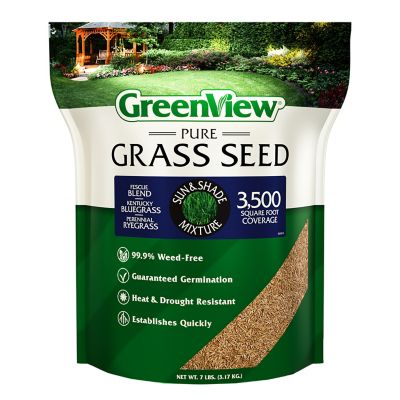
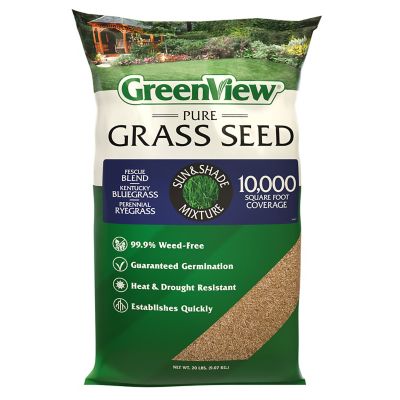
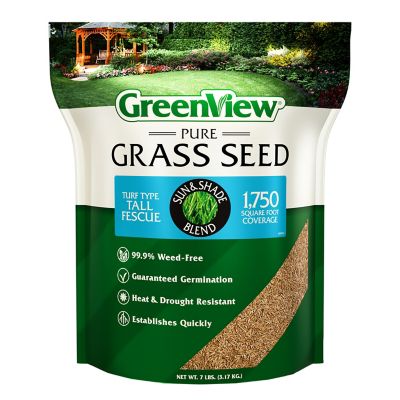
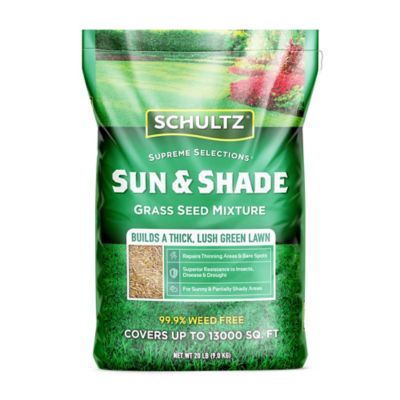
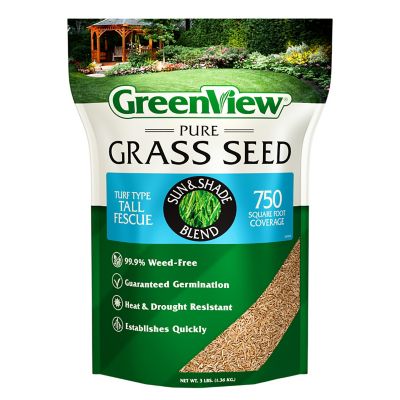
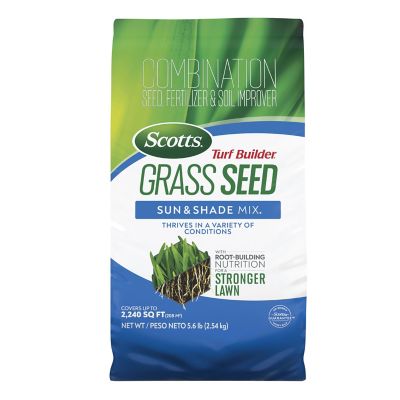
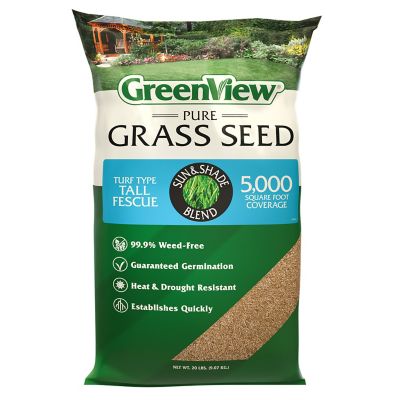
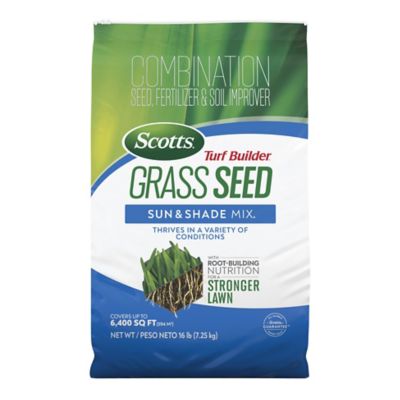
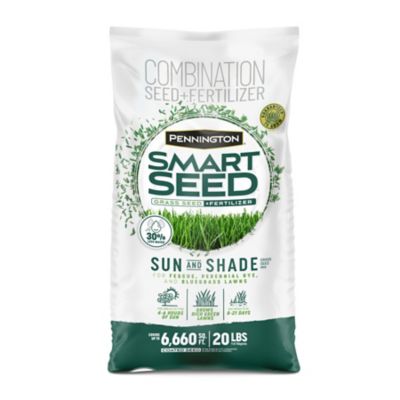
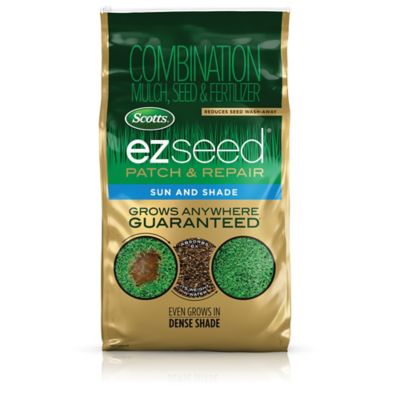
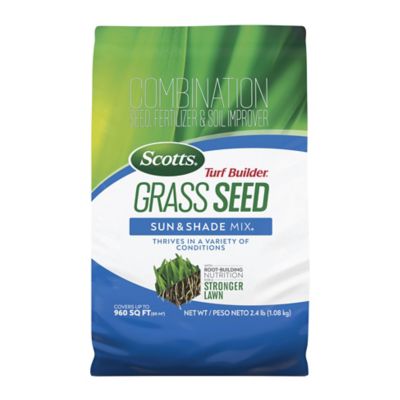
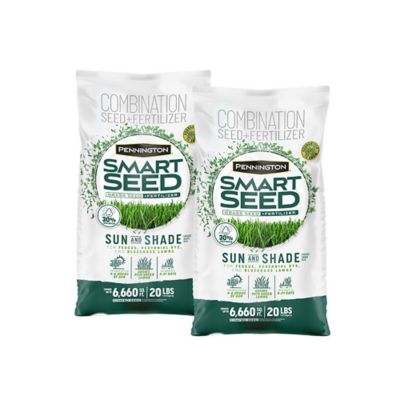
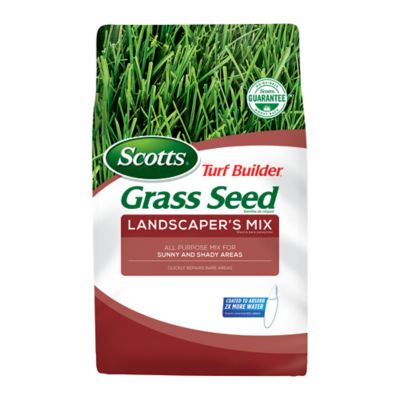
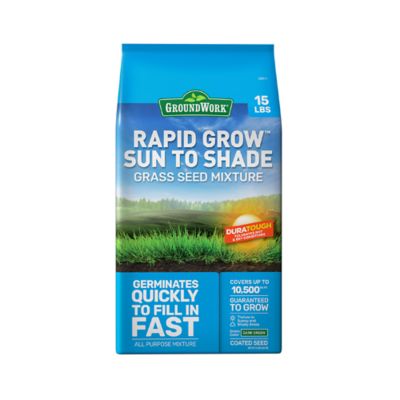
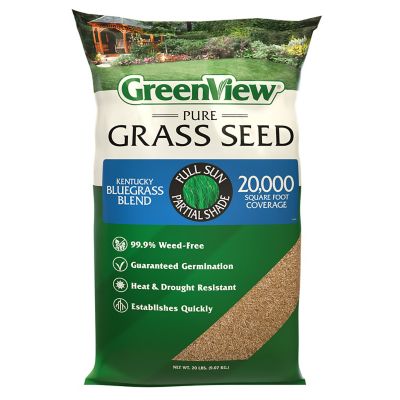
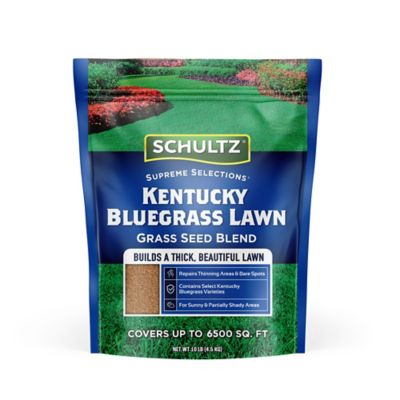
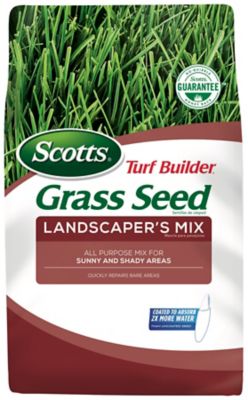
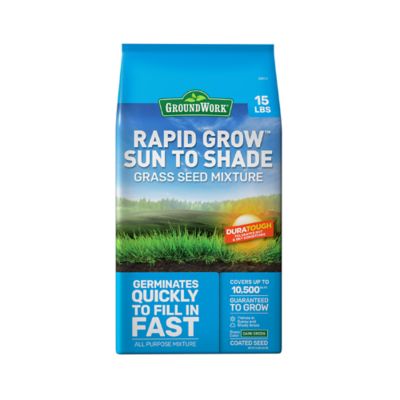
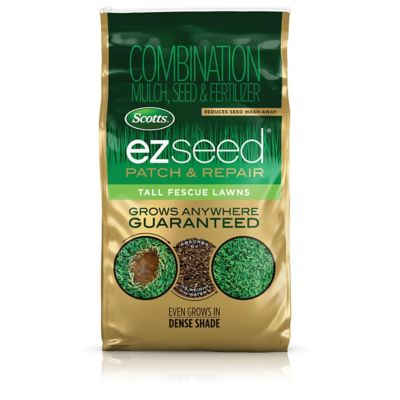
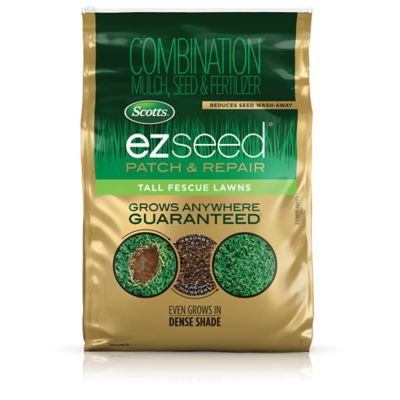
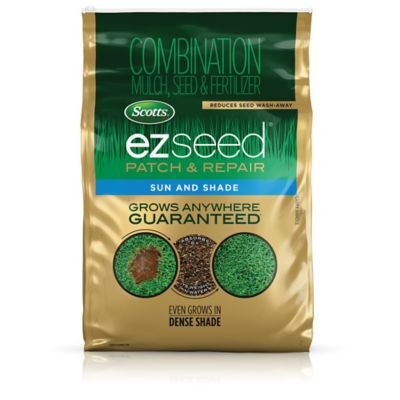
When it comes to picking out grass seed for areas that get a mix of sun and shade, folks around here know there’s no one-size-fits-all answer. Whether you’re working on a patchy backyard, a well-trodden front lawn, or even a pasture that gets dappled sunlight under old oak trees, sun and shade grass seed blends are a smart choice. These mixes are specially crafted to handle the ups and downs of rural yards—where one patch might bake in the sun all day while another sits cool and shady beneath a tree line or behind a barn. That’s why these blends often include a mix of cool-season grasses like fine fescues, tall fescues, perennial ryegrass, and Kentucky bluegrass. Each type brings something to the table: fine fescues thrive in those tough, shady corners; perennial ryegrass sprouts up quick to cover bare spots fast; tall fescue stands up to heavy foot traffic and dry spells; and Kentucky bluegrass thickens up sunny patches with a dense, self-healing turf. If you’ve ever watched your lawn struggle to fill in under a big maple or noticed the difference in grass color where the sun hits hardest, you’ll appreciate how these mixes adapt to both extremes. They’re a favorite for families with pets and kids, folks with livestock, or anyone who wants a yard that looks good and holds up to real life.
Planting grass seed in late summer through the cooler fall months is a tried-and-true approach, since the soil stays warm enough for seeds to sprout while the air cools down, reducing stress on new growth. If you’re seeding a new lawn, patching up bare spots, or thickening up what you’ve already got, it’s a good idea to start by clearing away any dead grass, sticks, or leaves, then loosen the top layer of soil with a rake. Spreading the seed evenly—using a broadcast or drop spreader—helps you avoid those lumpy, patchy spots that never seem to fill in right. After sowing, a light raking will work the seed down about an eighth to a quarter inch into the soil, just enough to keep birds from snacking and wind from blowing it away. Keeping the area moist is key, especially in those first few weeks; daily watering helps the seeds settle in and sprout strong roots. Once your grass hits about two to three inches tall, you can ease off the watering and start enjoying a thicker, more resilient lawn that handles both sun and shade. These sun and shade blends are also a thoughtful gift for new homeowners, folks with a new puppy, or anyone who’s looking to spruce up their property before holiday gatherings or fall cookouts. They’re practical, easy to use, and help bring a little more green to the places that need it most.
For those with wide-open yards that are mostly sunny, you might want to check out our selection of
Full Sun Grasses for options that really thrive in direct sunlight. But for most folks dealing with a mix of dappled shade and sunny spots, a sun and shade grass seed blend will give you the best shot at a healthy, good-looking lawn that stands up to changing seasons, busy feet, and the challenges of rural life. Whether you’re starting from scratch or just filling in a few worn-out patches, these blends are a reliable choice for keeping your property green and inviting all season long.