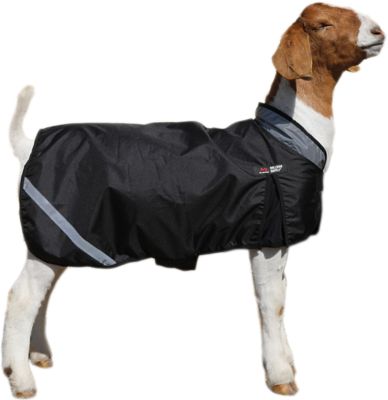
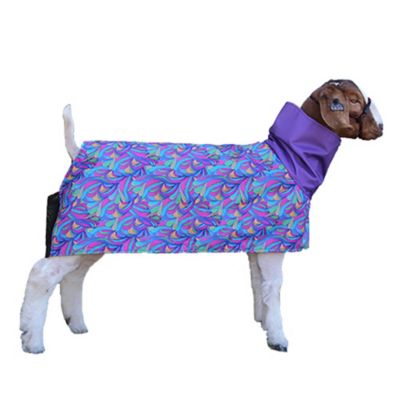
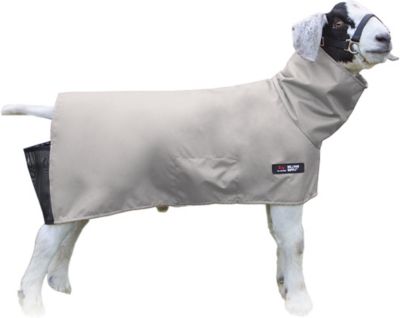
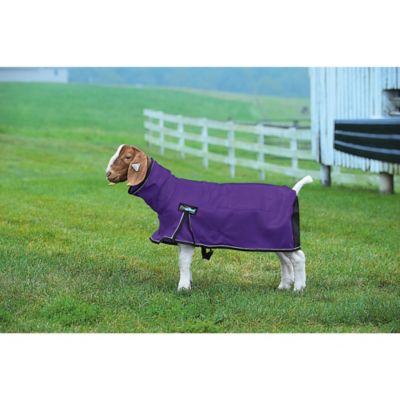
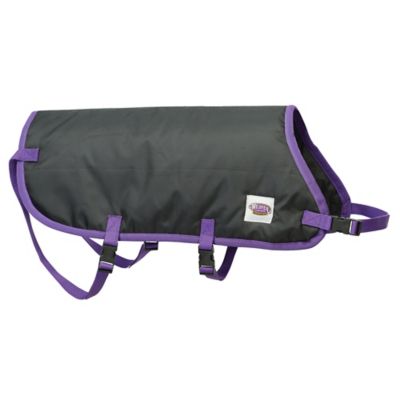
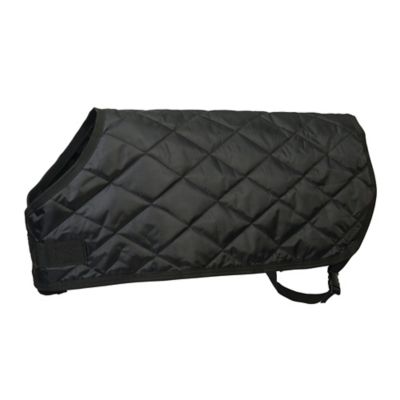
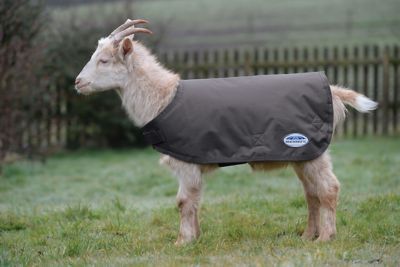
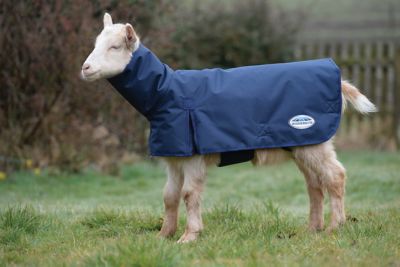
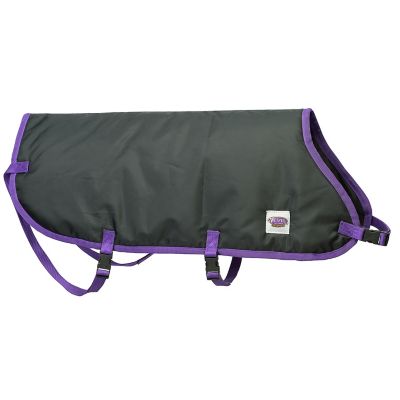
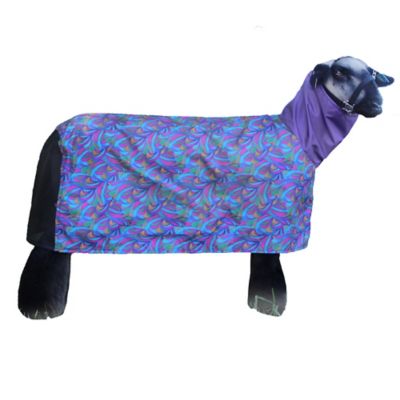
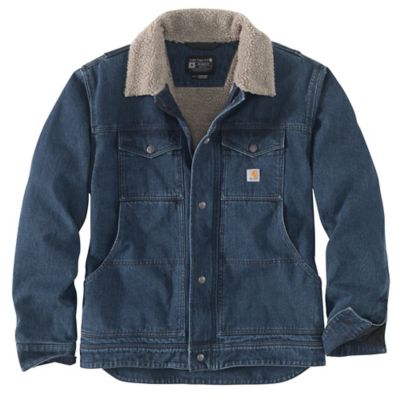
A goat coat can be a handy part of a well-prepared barn setup when cooler, wet, or windy weather puts extra strain on your herd. Goats are hardy animals, but hardiness does not mean every goat handles a sudden cold snap, steady rain, or biting wind in the same way. A healthy goat with a full winter coat and a dry shelter may do just fine, while a recently clipped show goat, young kid, senior goat, thin goat, or animal recovering from illness may need another layer of help staying comfortable. Goat coats are designed to provide an extra barrier against the elements, helping keep the animal’s body dry and reducing heat loss when conditions turn rough. They can be especially useful during the transition into cooler months, when temperatures swing from mild afternoons to chilly nights and a goat’s natural coat may not yet be at its thickest. When choosing a goat coat, look for a durable outer shell made to resist rain and wind, along with a lining or light insulation suited to the conditions where your goats live. Waterproof or water-resistant fabric helps keep drizzle and dampness from soaking through, while breathable materials allow some moisture and body heat to escape instead of trapping clamminess against the animal. A coat with moderate insulation can add warmth without becoming overly bulky, which is helpful for goats that move, graze, climb, and lie down throughout the day. Heavier insulation may be useful for a short-haired goat, a clipped goat, or a goat kept in especially cold conditions, but the right choice depends on the individual animal, the shelter available, and the weather. A roomy neck or collar can offer additional coverage in driving rain and wind, while a simple back-and-body design may work well for a goat that mostly needs protection across its torso. These garments can be useful on a small homestead, at a dairy or meat-goat operation, during show preparation, or anywhere goats need a little extra comfort outdoors.
Fit and construction matter just as much as warmth. A goat coat should sit close enough to stay in place but should never pinch at the shoulders, chest, neck, or belly. Adjustable belly bands, fasteners, or leg straps make it easier to accommodate different breeds and body shapes, especially when a coat is being used on more than one goat at different times. Look for smooth edges, secure closures, and straps that can be adjusted without leaving loose ends for curious herd mates to grab. Some goats will test a new coat by rubbing against a fence post, rolling in bedding, or squeezing through a gate, so sturdy stitching and durable fabric are worthwhile features. Ripstop or denier-rated outer materials are often chosen for their ability to stand up to everyday barn wear, though any coat should still be checked regularly for tears, wet lining, twisted straps, or signs of rubbing. A coat that fits well should allow a goat to walk, lie down, reach for hay, and move its neck naturally. Before turning an animal out for a long stretch, let it wear the coat for a short period in a safe area and watch how it moves. Check under the chest, behind the front legs, and along the belly for chafing or pressure points. It is also smart to remove the coat periodically and feel the goat’s body rather than guessing from the outside. A damp coat, sweating, shivering, unusual quietness, or reluctance to move can mean the setup needs attention. Goat coats are not a substitute for a clean, dry shelter, good nutrition, fresh water, and routine observation. Goats should have protection from drafts and precipitation, with bedding that stays reasonably dry and enough room to stand apart from the herd if needed. A coat can help preserve warmth, but it should be used as one part of overall cold-weather care. Keep the coat clean and fully dry between uses, follow its care instructions, and take extra care with animals receiving veterinary treatment or recovering from weight loss. When a goat has shaved areas, healing skin, or a condition that affects temperature regulation, follow the advice of a veterinarian before relying on a garment.
Goat coats can also be a thoughtful gift for a new livestock owner, a 4-H family, a show-goat exhibitor, or a friend who is adding goats to a small farm. They are practical for someone preparing a kidding area, getting ready for clipping season, or improving the comfort of an older animal during the cooler months. A coat may come in handy after a goat has been clipped for a show, when the natural insulating layer has been temporarily removed, or during recovery when maintaining body warmth is especially important. For a young kid, choose a size that allows normal growth while still fitting securely; an oversized coat can slide, catch, or collect mud, while one that is too small can restrict movement. For full-grown goats, measure carefully and compare those measurements with the sizing information provided for each garment rather than choosing by breed name alone. Body length, chest or girth, and overall build can vary widely, even among goats of the same type. In a busy herd, inspect fasteners often because one goat may learn how to undo another goat’s closures. Inward-facing or well-secured straps can help reduce that problem, though no design replaces regular checks. A goat coat should be removed when the weather is warm enough that the animal no longer needs it, and it should not be left on an unattended goat for days without inspection. Pairing a dependable coat with a dry resting area, quality hay, and easy access to supplies helps create a more comfortable routine. Keeping feed and water organized can make those daily checks simpler, too, and sturdy
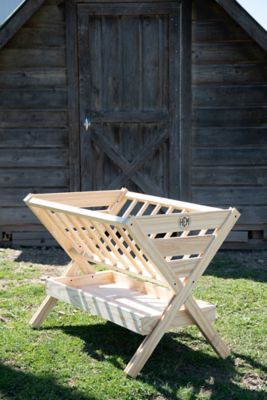
Goat Feeders can help keep feed off the ground and accessible around the barn. Whether you are preparing for a chilly evening, protecting a clipped goat from a damp breeze, or giving a senior goat a little added support, the right goat coat offers practical coverage without getting in the way of the active, curious nature that makes goats such entertaining members of the farm.