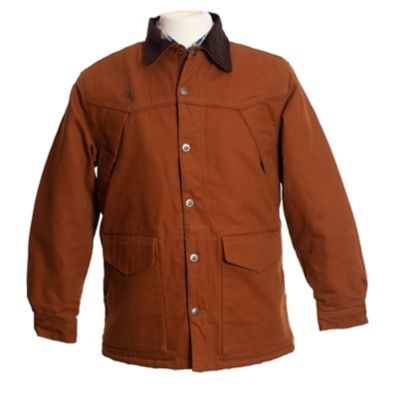
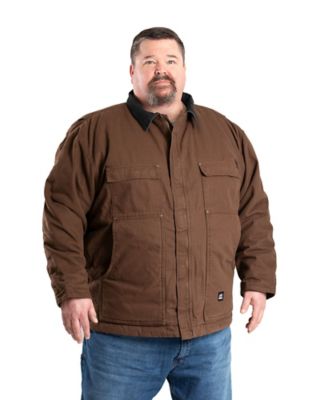
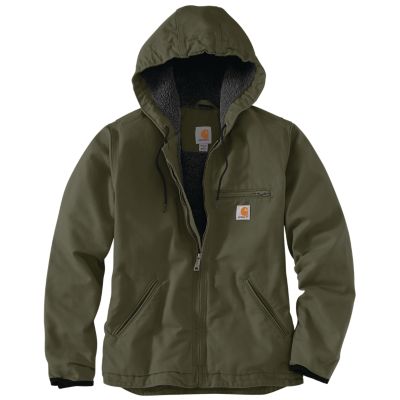
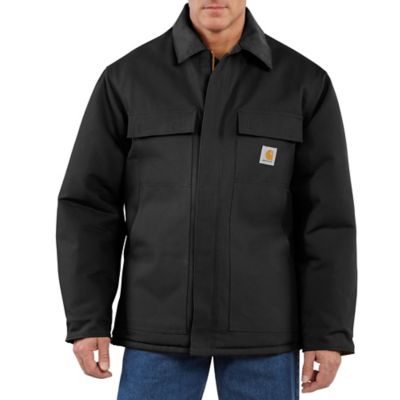
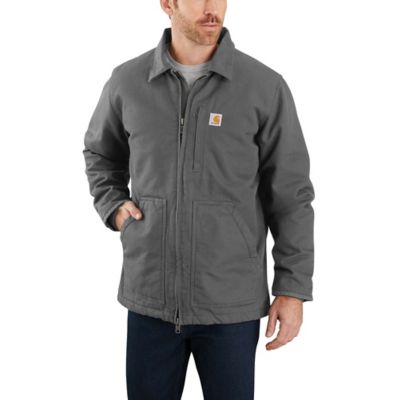
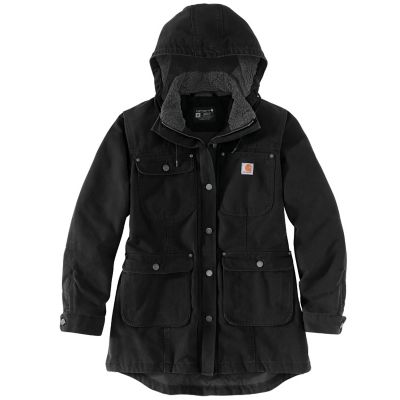
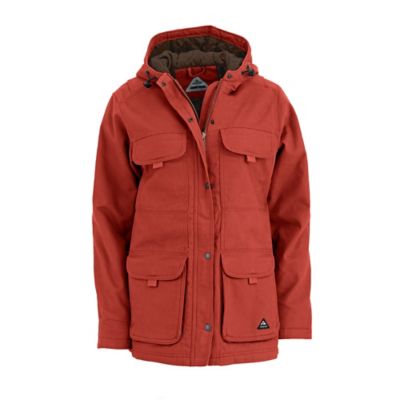
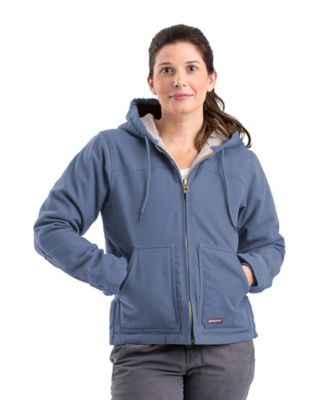
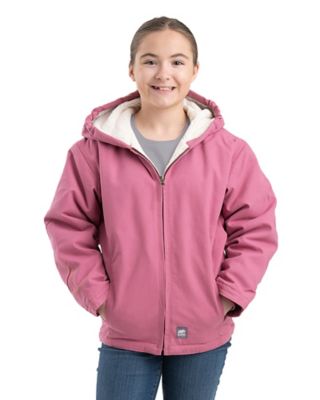
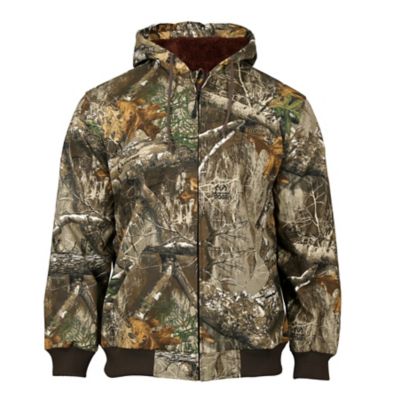
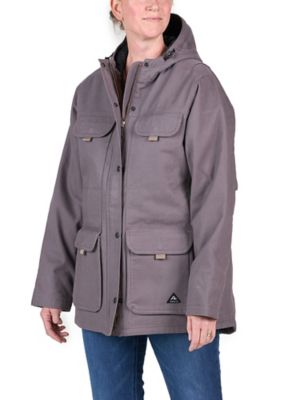
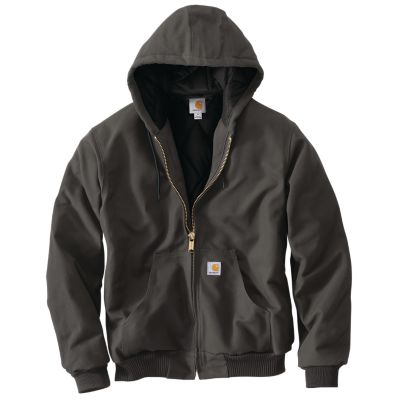
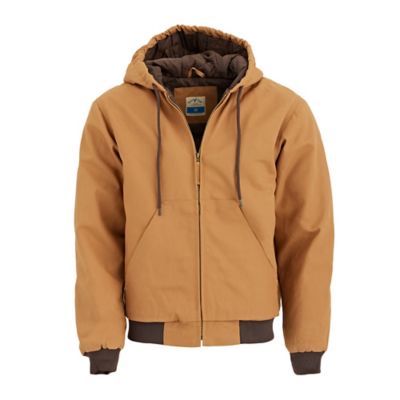
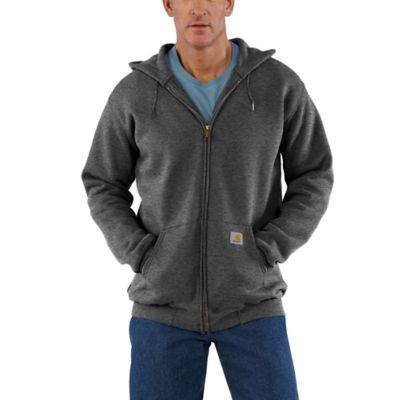
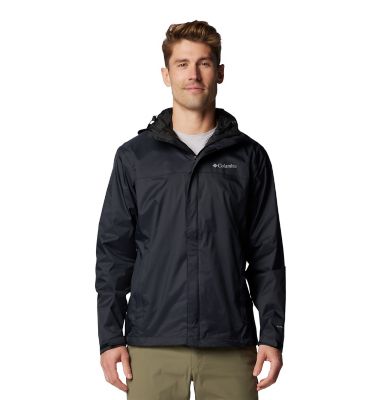
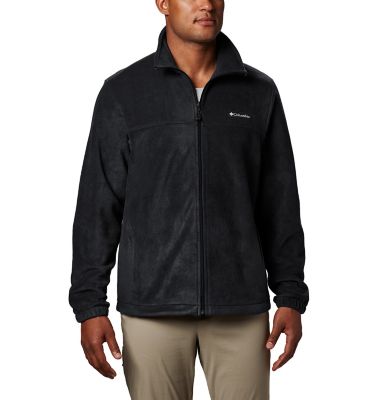
A large coat should give you room to get on with the day, whether that means carrying feed to the barn, walking the fence line, or heading into town after chores. Size large is a starting point, not a promise that every coat will fit the same way. Measurements vary between makers and cuts, and men’s, women’s, and unisex sizing can differ through the shoulders, chest, waist, and hips. A coat that fits well over a T-shirt may feel snug over a sweatshirt, especially across the upper back when you reach for a gate latch or lift something onto a truck bed. Chest and sleeve measurements help narrow the fit, while the coat’s length determines how much coverage you get when bending or sitting. Regular, tall, and big-and-tall proportions are not interchangeable; someone who needs a longer sleeve may not need extra width through the body. Likewise, a relaxed fit leaves more layering room without necessarily adding length. Shoulder seams that sit comfortably, sleeves that cover the wrists without swallowing the hands, and a front closure that lies flat all contribute to a coat that feels right beyond the fitting room. There should be enough space to move without so much loose fabric that it catches on hardware or bunches beneath a seat belt. Shorter cuts can make climbing into a cab and moving around equipment easier, while longer hems offer more coverage across the seat and upper legs. Side vents, shaped elbows, and back pleats may help with movement, depending on the design. For someone who spends part of the day driving and part of it on foot, that balance matters more than a roomy appearance alone. A large coat earns its place by matching the wearer’s proportions and daily routine, with enough room for the layers that actually go underneath it.
Fabric and construction shape how a coat handles those everyday demands. Cotton duck and canvas have a substantial feel that suits barn work, hauling supplies, and regular contact with rough surfaces, though untreated cotton can take time to dry after getting wet. Nylon and polyester shells are often lighter, and their resistance to wind and moisture depends on the weave, finish, and overall construction. Wool and wool-blend coats offer warmth with a different feel and drape, making them a good match for trips into town or days when heavy chore wear is not needed. A water-resistant finish can help shed light precipitation, but that is not the same as a waterproof coat with sealed seams and protected closures. Insulation deserves the same attention to detail. Down provides considerable warmth for its weight and compresses well, while synthetic fill generally maintains more insulating ability when damp. Neither fill type tells the whole story on its own; insulation amount, coverage, shell fabric, and fit all affect comfort. An insulated coat for standing beside a stock trailer has a different job from a lighter layer worn while stacking firewood. Hard work builds body heat, so a coat that opens easily or allows some ventilation can be more comfortable than the heaviest option. A smooth lining helps sleeves slide over flannel or fleece without pulling everything up toward the elbows. A lined collar can soften contact at the neck, and adjustable cuffs help close the gap above gloves. Hoods add coverage but should leave a clear view to either side, especially around animals and equipment. For a closer look at outerwear intended for cold conditions,
Winter Coats brings that purpose into focus. The best match comes down to the kind of exposure involved, how much time is spent outdoors, and whether the day calls for steady movement or long stretches of standing still.
Small details often decide which coat gets grabbed from the hook by the door. Pockets need to be placed where hands can reach them comfortably, with openings that work while wearing gloves and closures that keep keys from slipping out when you bend over. An inside pocket can keep a phone separate from dusty work gloves, while a chest pocket may be easier to reach than a lower pocket when seated. Pocket space should still suit the task; heavy tools can pull at the fabric and make a coat hang unevenly. A sturdy zipper with an easy-to-grip pull is handy when fingers are stiff, and a two-way zipper can ease pressure at the hem while sitting. Snaps and storm flaps add coverage at the front, though extra closures also mean more fastening before heading out. Reinforced stitching at pocket corners and other stress points can help a coat stand up to repeated wear, while a sound lining keeps the inside comfortable as the shell does its work. Care matters just as much as construction. The garment label sets the rules for washing, drying, and any special treatment, since a canvas work coat, a down-filled coat, and a wool blend may need very different handling. Too much heat can affect certain fabrics and finishes, and some waterproof or water-resistant materials need particular cleaning products to maintain performance. Brushing away dry dirt and attending to spills promptly can reduce the need for frequent full washes. Coats should be thoroughly dry before storage, with enough space to avoid crushing insulation for long periods. Checking loose buttons, worn cuffs, and strained seams early gives small repairs a chance before they become bigger problems. As a gift for a spouse, parent, or grown child, a large coat is most useful when its measurements and features match a coat they already enjoy wearing. Thoughtful fit, sensible pockets, and fabric suited to the wearer’s routine make it a practical layer for workdays, errands, and time outside.