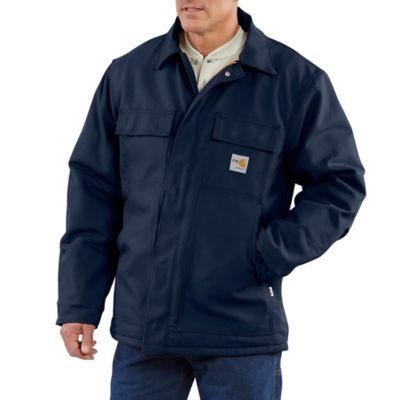
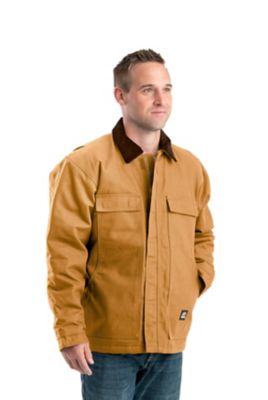
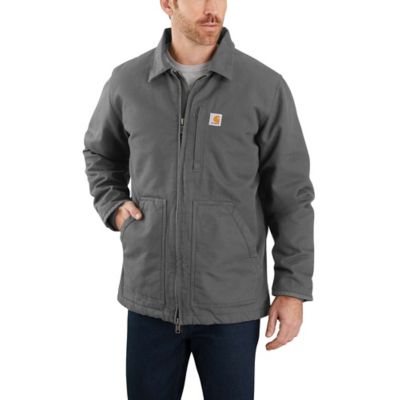
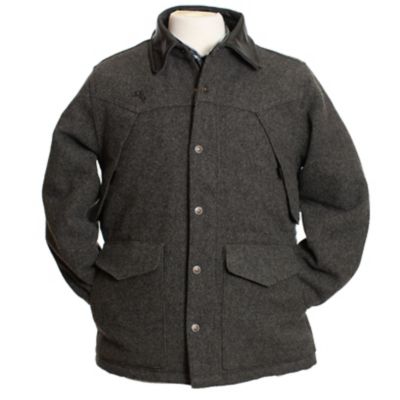
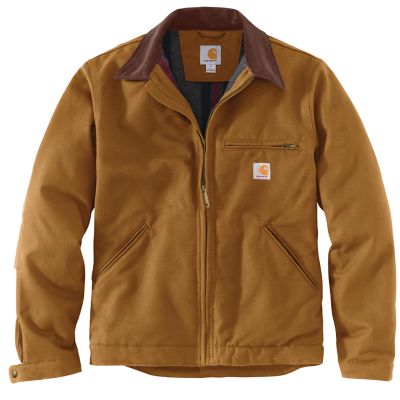
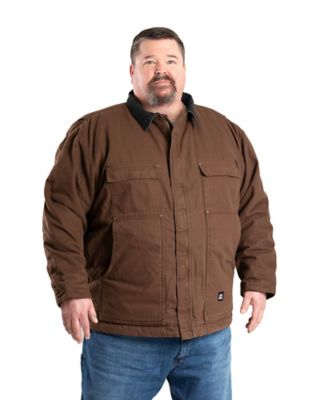
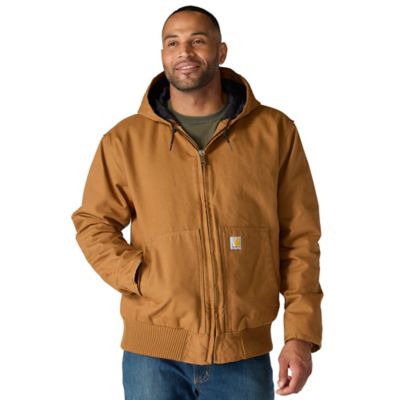
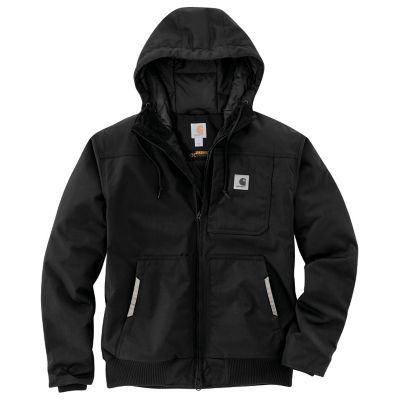
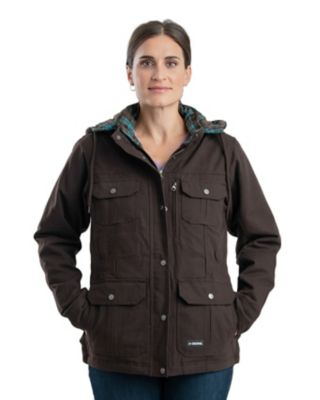
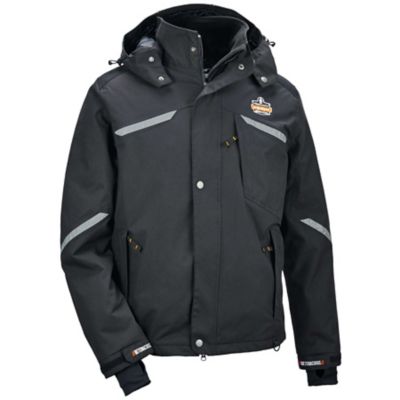
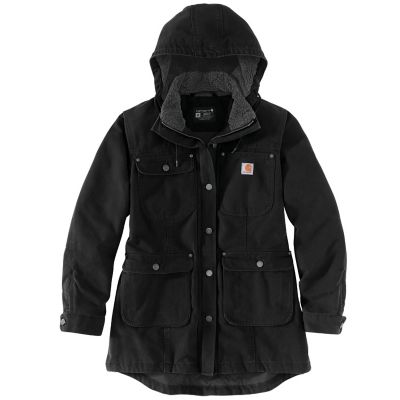
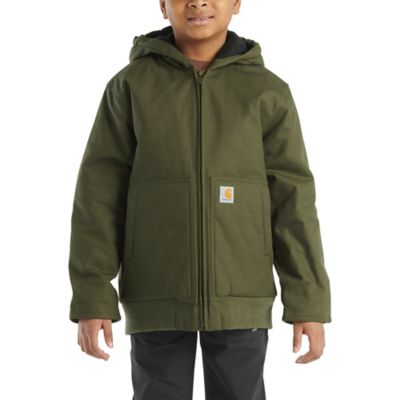
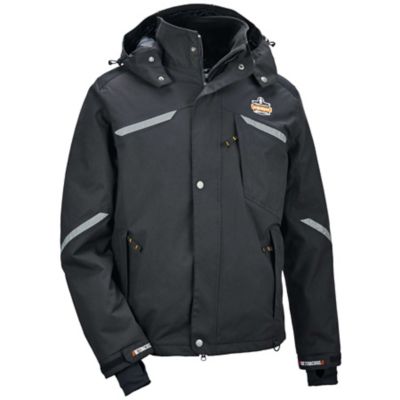
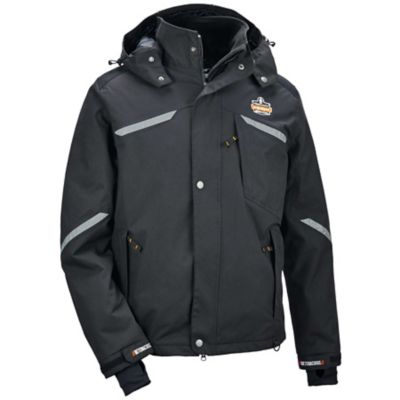
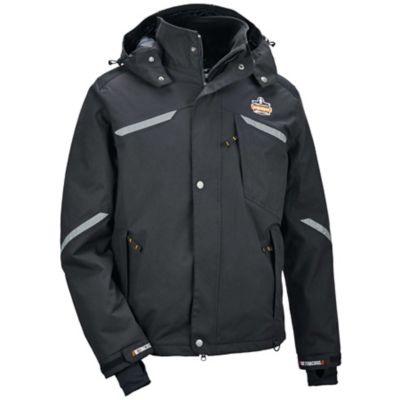
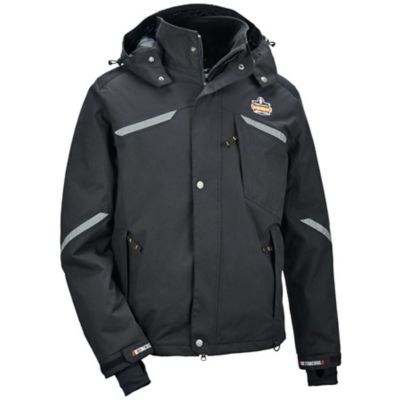
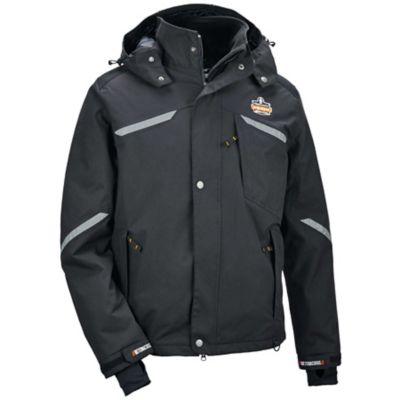
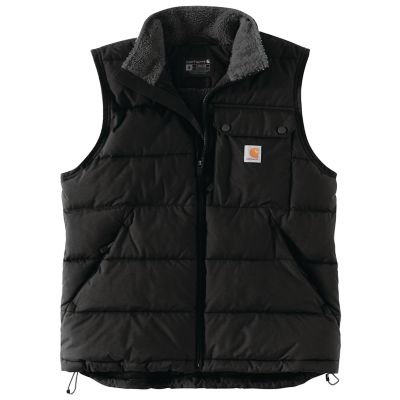
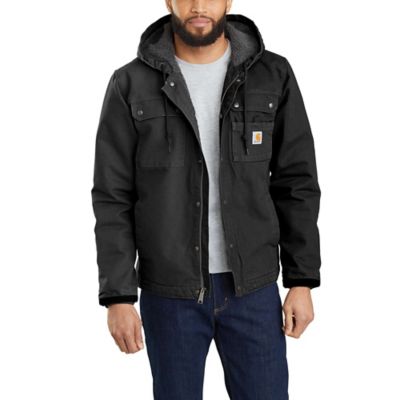
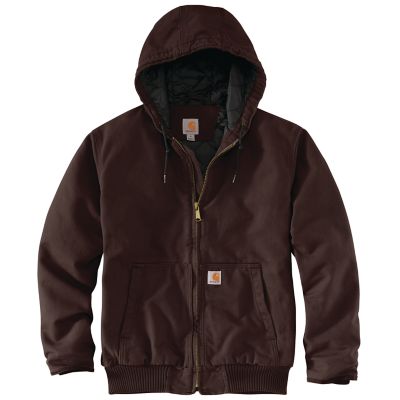
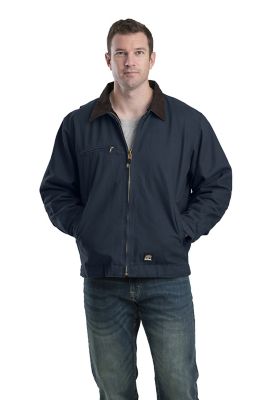
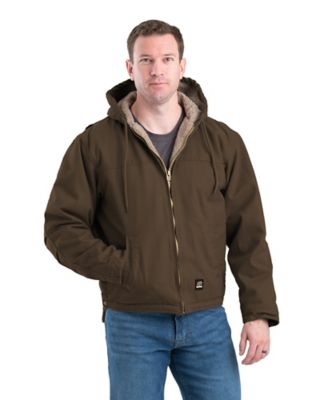
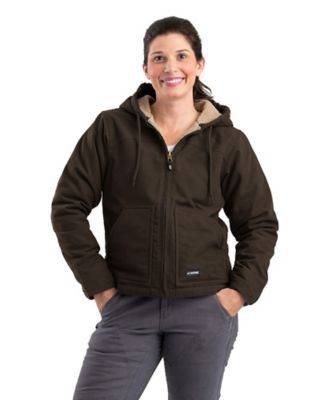
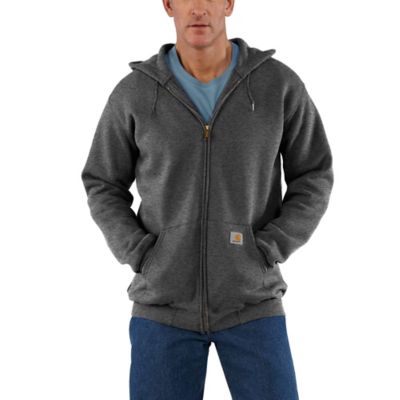
Winter coats help hold body heat close and shield against cold air, with different lengths, outer fabrics, and insulation suited to different kinds of weather and work. A coat for feeding livestock before daylight has a different job than one worn between the house, the truck, and a heated building. Time outdoors, wind exposure, moisture, and activity level all matter more than a coat’s thickness alone. Puffers have stitched compartments filled with down or synthetic insulation that trap warm air without the weight of a heavy, solid fabric. Down offers substantial warmth for its weight and packs down easily, though it loses much of its insulating ability when wet. Synthetic fill generally handles damp conditions better and tends to dry faster, making it a practical choice around wet snow and changeable weather. Parkas typically extend below the hips, adding coverage around the seat and upper thighs; a hood and a well-closing front help keep blowing snow from finding its way inside. Wool and wool-blend coats offer another feel, with a substantial drape that works well for trips into town, church, or everyday wear in cold, mostly dry conditions. For chores around gates, stacked firewood, and rough lumber, tightly woven canvas or duck cloth provides a tougher outer surface than many lightweight shell fabrics. Those heavier fabrics can feel stiff at first, and their warmth depends on the lining and insulation underneath. Water-resistant finishes help shed light moisture, while waterproof protection depends on the whole construction, including seams and closures. Wind resistance is a separate consideration: even a lofty coat can feel chilly if gusts pass through its shell or enter at the collar and cuffs. Across these styles, winter outerwear works best when its protection matches the setting, whether that means standing along a frosty fence line, walking a gravel lane, or spending a cold afternoon in the bleachers. No single fill or fabric tells the whole story, and temperature claims only make sense alongside the wearer’s layers, movement, and weather conditions.
Fit makes a real difference in how a winter coat feels through a full day. There needs to be room for a flannel shirt, sweatshirt, or insulating middle layer without pulling across the shoulders or squeezing the fill flat. Too much extra space can let warm air escape, especially around an open hem, while a close fit can restrict reaching and bending. A comfortable work fit leaves room to stretch toward a feed bin, carry an armload of split wood, and sit behind the steering wheel without the front riding up toward the chin. Shoulder shaping, articulated elbows, and underarm construction can provide that movement without making the entire coat oversized. Sleeve length matters with arms extended, not just hanging at the sides, and cuffs that meet the gloves help close the cold gap at the wrist. Shorter insulated jackets leave the hips freer for frequent climbing in and out of a cab, while longer winter coats offer more coverage during slower walks or stretches spent standing still. A two-way front zipper can ease the hem when sitting, and side openings may give longer styles more stride room. Hoods bring their own fit considerations: an adjustable opening can help keep the edge out of the eyes, and enough room for a knit cap adds flexibility as temperatures fall. A high collar, soft chin guard, and storm flap over the zipper can make a noticeable difference when the wind picks up across an open field. Pocket placement matters, too. Hand pockets should be easy to reach, secure closures help keep keys from disappearing into the snow, and inside pockets offer a sheltered place for small essentials. Glove-friendly zipper pulls are especially handy when bare fingers would sting. For men, women, and kids, size labels are only a starting point; chest, waist, hip, and sleeve measurements give a clearer picture of the fit. Layering a coat with
nice winter clothes can carry that same comfort from the morning chore round to an afternoon away from the farm.
Long wear depends on the coat’s construction, the demands placed on it, and the care it gets between outings. Reinforcement at high-friction areas, firmly attached pocket corners, sturdy zipper hardware, and even stitching are useful details for outerwear that will brush against fence posts or ride in a truck day after day. Lightweight shells suit walking and general cold-weather wear, but they need more care around sharp edges, briars, and sparks. An everyday winter coat is not a substitute for protective workwear where flame, electrical, or visibility hazards are present. Care also varies by material, so the sewn-in label matters more than a single cleaning routine. Some insulated coats can go through a home washer, while wool styles, special finishes, and certain trims may call for professional cleaning or a different approach. Down needs thorough drying according to its care directions so the clusters separate and regain their loft; packing it away damp can leave clumps and lingering odors. Synthetic insulation also benefits from complete drying, and excessive heat can harm shell fabrics, coatings, or trim. Mud and barn dust are part of rural life, but gentle spot cleaning, when permitted, can address small marks without putting the whole coat through another wash. Water-repellent finishes may need attention over time, with any treatment matched to the garment’s instructions. Between cold spells, a clean, fully dry coat belongs in a dry space rather than tightly compressed in a bag for months. Those habits help preserve its shape, insulation, and readiness for the next stretch of cold weather. Winter coats can also make thoughtful gifts for someone with a long outdoor commute, a youngster waiting for the school bus, or a family member who never misses an evening walk. The most useful gift reflects that person’s daily routine, preferred length, and layering needs, with enough attention to measurements to keep the fit comfortable. From chilly starts to days when the ground stays frozen, a well-matched coat brings warmth and coverage without getting in the way of the work, errands, and fresh air that still fill the day.