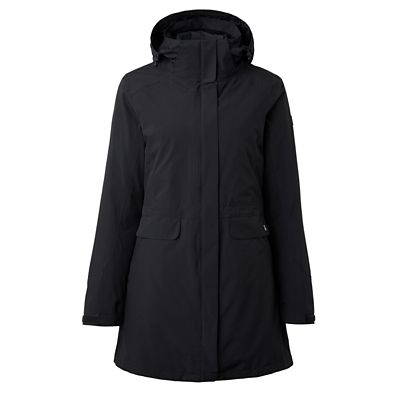
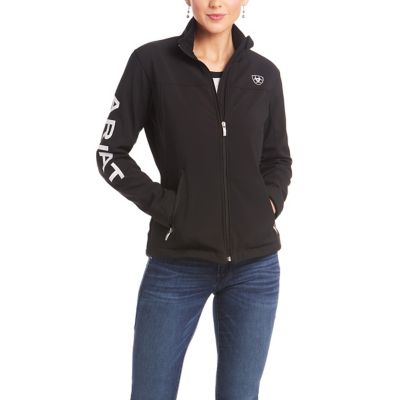
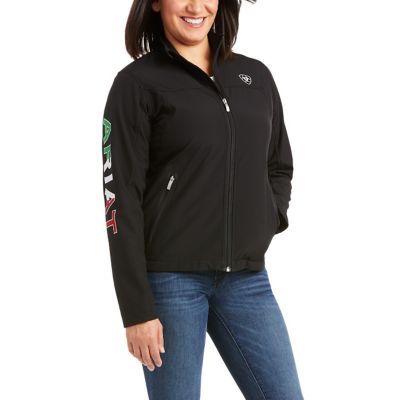
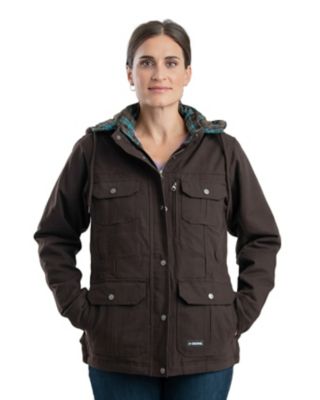
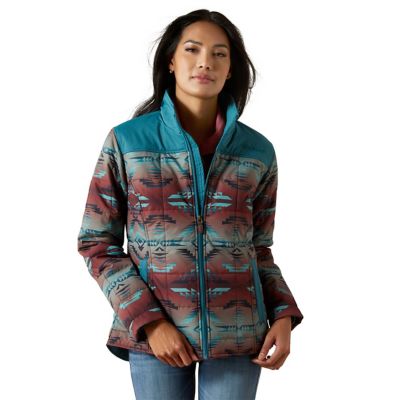
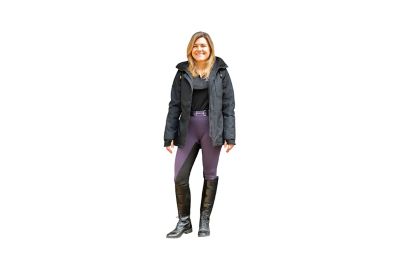
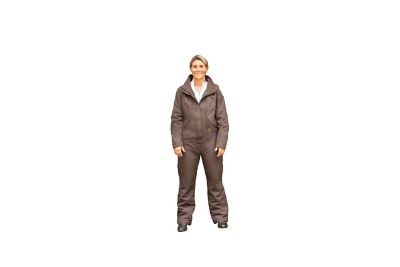
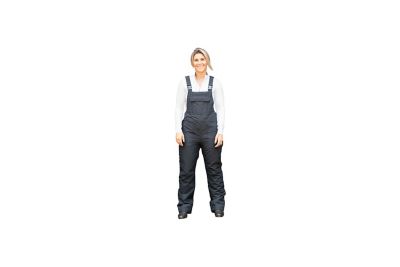
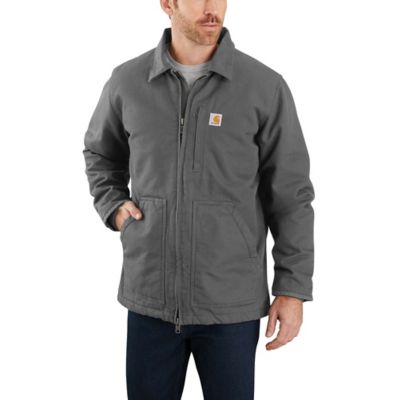
Equestrian coats are made for more than looking sharp in the saddle. They help riders stay comfortable while grooming, hauling hay, checking fences, schooling in the arena, or heading out for a long trail ride when the weather turns cool and unsettled. The right coat should work with your riding position instead of bunching at the waist, pulling across the shoulders, or getting in the way of your hands. Look for a cut that gives you room to move while still fitting close enough to avoid loose fabric catching on tack, branches, or stall hardware. Two-way zippers are especially handy because they let you open the coat from the bottom while seated in the saddle, and rear riding vents can add coverage across the hips without restricting your legs. Adjustable cuffs help keep wind and rain from creeping up your sleeves, while a removable or low-profile hood can provide useful coverage during stable chores without interfering with a helmet. Storage matters, too. Secure zippered pockets give you a place for gloves, keys, a phone, or a few treats without leaving items loose in a grooming tote. Riders who spend time outside in damp weather may want to compare fully waterproof construction with water-resistant fabrics. Waterproof coats are generally the better choice for steady rain or long periods outdoors, while
Water Resistant Coats can be a practical option for mist, light showers, wind, and everyday barn work. Breathability is just as important as weather protection, particularly when you are riding, leading a lively horse, or moving from one task to the next. A coat that sheds moisture from the outside but allows heat and sweat to escape from the inside can help you stay more comfortable through a full day around the barn.
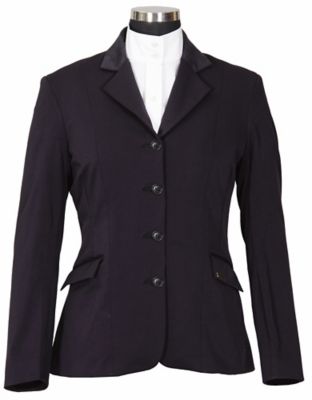
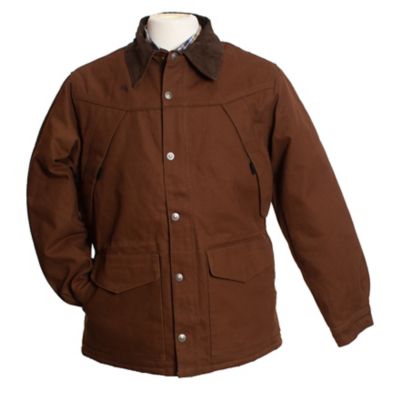
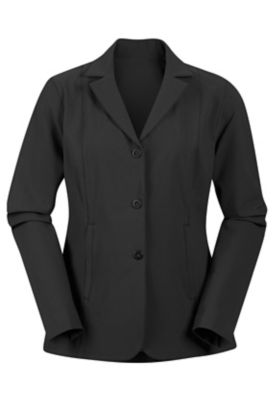
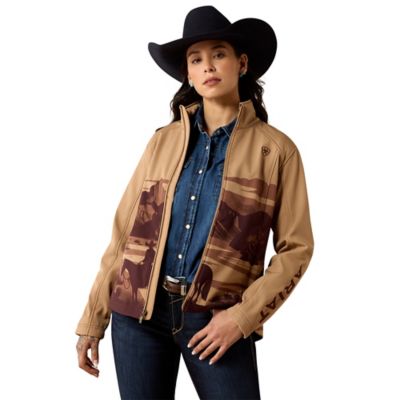
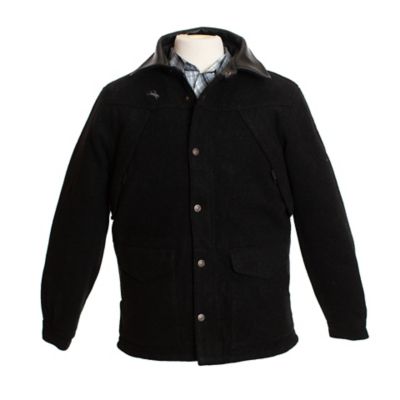
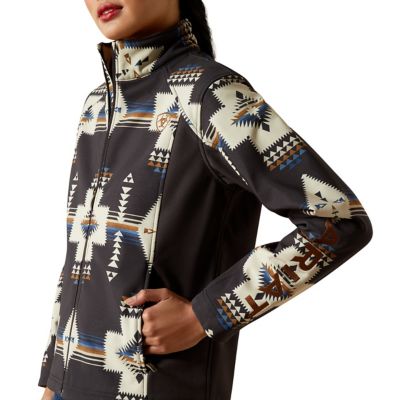
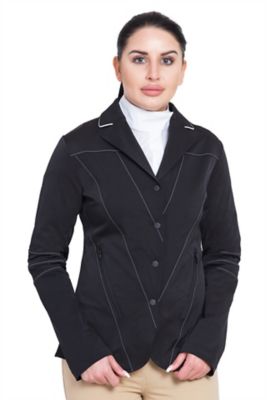
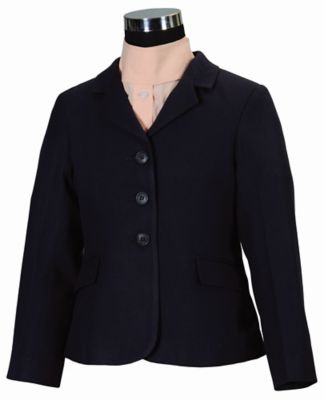
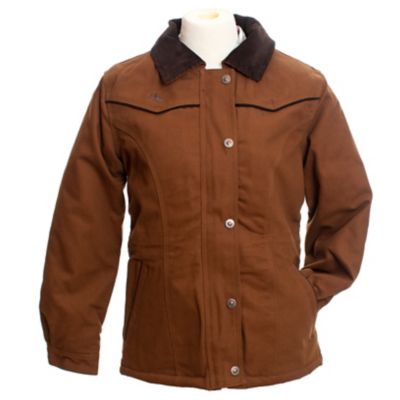
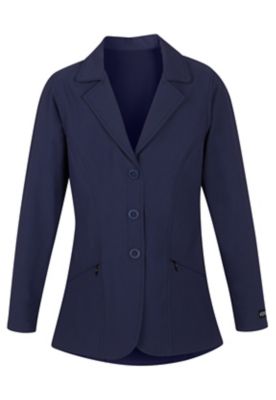
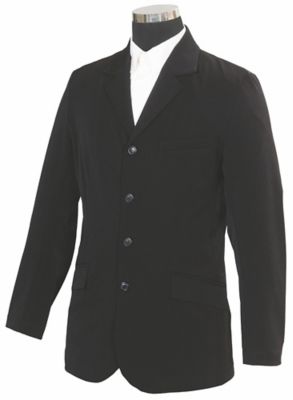
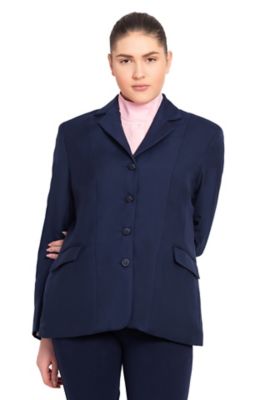
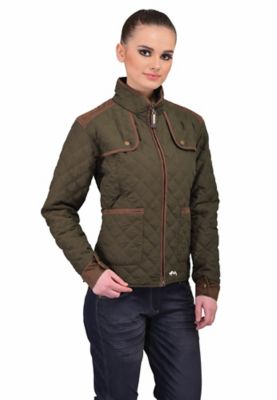
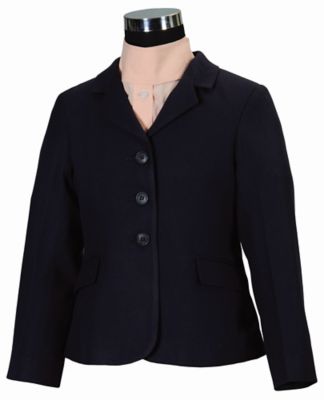
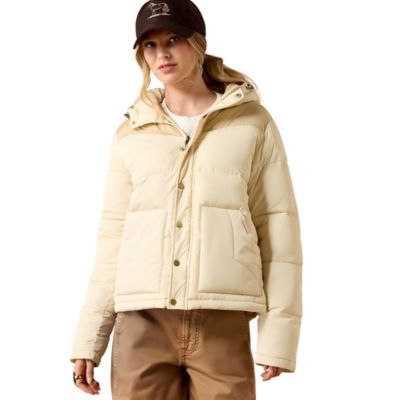
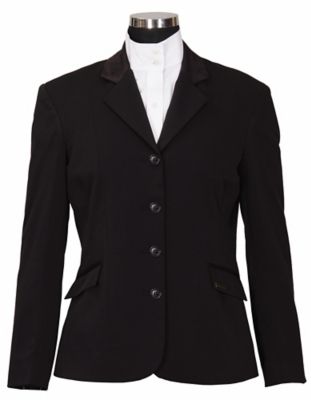
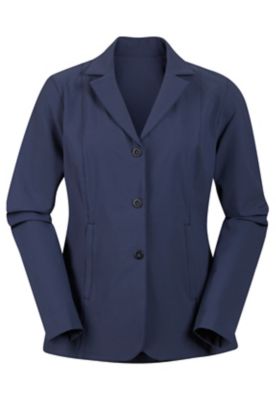
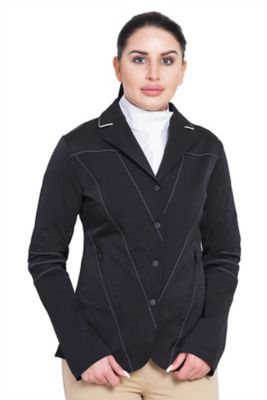
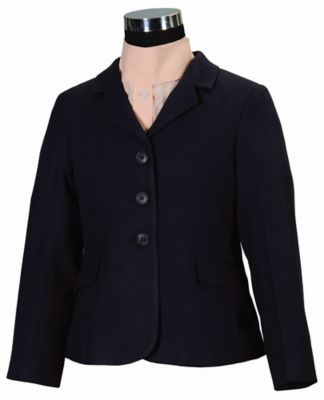
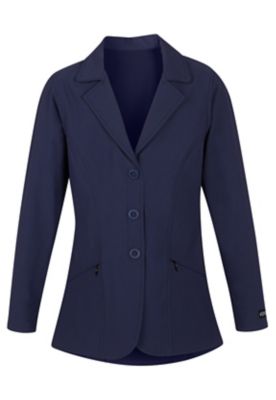
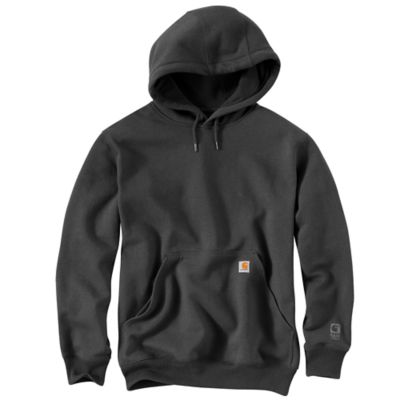
Different equestrian coats suit different kinds of riding and outdoor work. Lightweight softshell and training jackets are useful for mild, breezy conditions, warm-up rides, and active barn days when you need stretch through the shoulders and elbows. Their flexible feel makes them a natural match for schooling, lunging, groundwork, and trail riding, especially when temperatures can shift from cool at dawn to comfortable by afternoon. Longer waterproof riding coats offer extra coverage over the thighs and the back of the saddle, which can make a real difference when rain starts falling halfway through a ride or when you are standing outside during a lesson. For colder conditions, insulated winter parkas and lined coats provide warmth for early-morning chores, quiet trail rides, and time spent waiting at the rail. Look for lightweight insulation that adds warmth without making the coat bulky, along with a comfortable collar, storm flap, and cuffs that can be adjusted over gloves. Layering is often the most useful approach. A moisture-wicking base layer can help move sweat away from the skin, a fleece or other midlayer can add warmth, and an outer coat can block wind and precipitation. That combination gives you more flexibility than relying on one heavy garment for every condition. Riders who compete or attend clinics may prefer a tailored competition coat with a polished shape, light construction, and enough flexibility for a natural riding position. These coats are designed to look neat in the arena while still allowing the shoulder movement needed for rein contact, jumping, or other riding disciplines. For everyday use, durability and easy care may matter more than a formal finish. Reinforced seams, smooth zippers, sturdy snaps, and fabric that brushes clean easily are valuable features when coats are worn around shavings, dust, mud, and hay. A dark or practical color can help hide everyday barn marks, while reflective details may add visibility during low-light walks or roadside rides without changing the overall look.
When choosing an equestrian coat, consider the rider’s usual routine first, then match the features to the conditions they face. Someone who spends most of the day in the stable may appreciate a warm, hardworking coat with roomy pockets and a hood, while a rider focused on schooling may value stretch, breathability, and a close-fitting silhouette. Trail riders often benefit from extra length, weather protection, and secure storage, especially when rides take them away from the barn for several hours. A young rider may need room to layer as the weather changes, but an oversized coat can be cumbersome in the saddle, so a fit that allows movement without excess bulk is a better choice. Check sleeve length with arms extended forward, make sure the shoulders move freely, and try the coat over the layers you expect to wear underneath. For a gift, an equestrian coat is a thoughtful pick for a rider, barn manager, trainer, teenager, or horse-owning friend who spends plenty of time outside. It can be especially useful for someone starting lessons, preparing for cooler riding conditions, or replacing an old coat that has seen too many muddy mornings. If you are shopping for another rider, focus on versatile colors, adjustable details, and a style suited to the recipient’s routine rather than choosing based only on appearance. A well-fitting coat becomes part of the daily barn kit: pulled on over a sweatshirt for feeding time, zipped up before a windy arena session, or kept by the door for those surprise showers that roll across the pasture. Before storing it, follow the care instructions, close zippers and fasteners, and let damp outerwear dry fully rather than leaving it crumpled in a tack room or truck. With the right balance of fit, warmth, weather protection, breathability, and riding-friendly design, an equestrian coat can help make cooler months more comfortable from the first morning chores to the last ride of the day.