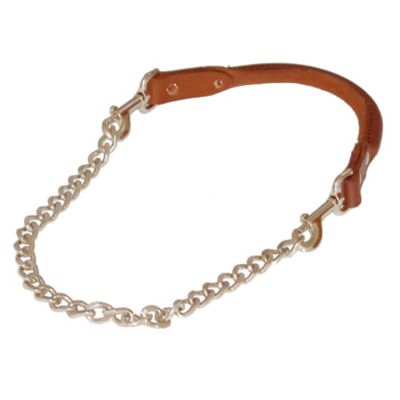
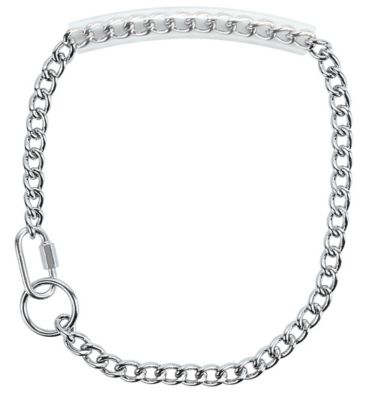
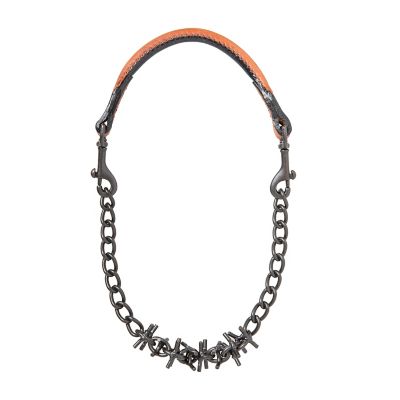
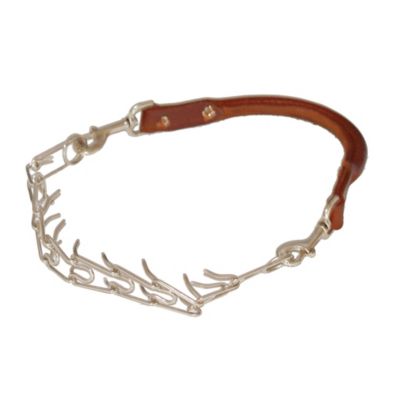
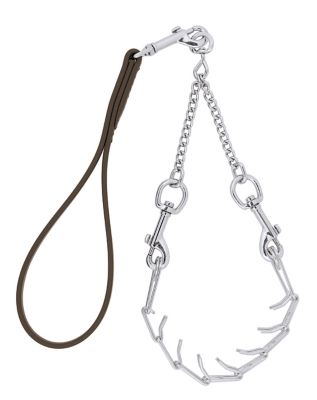
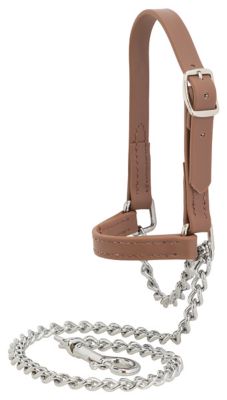
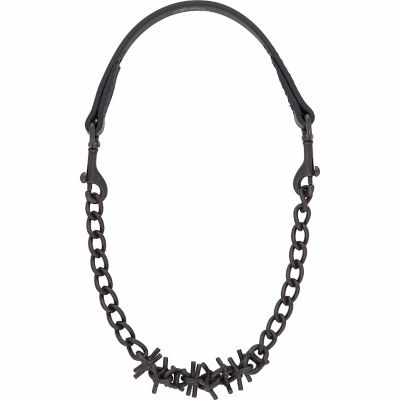
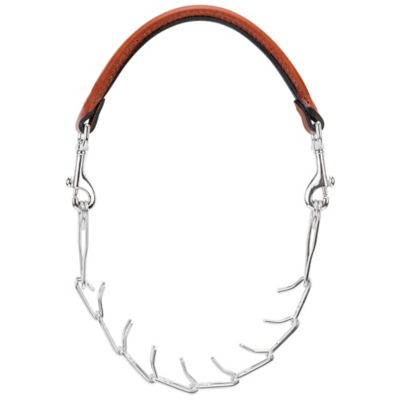
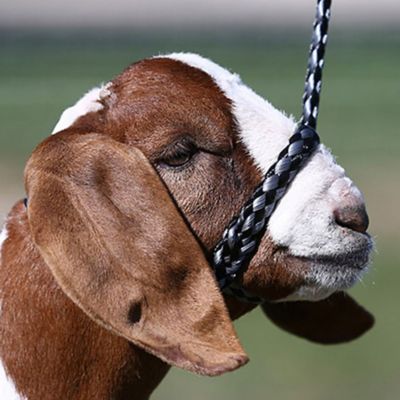
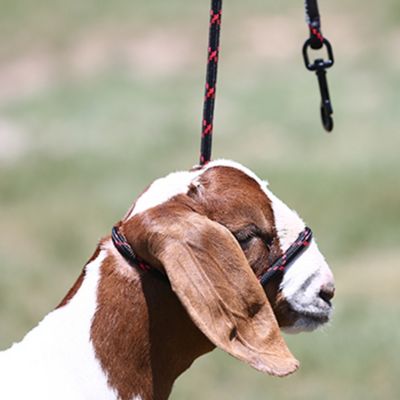
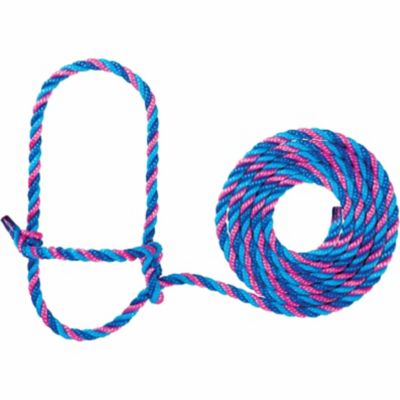
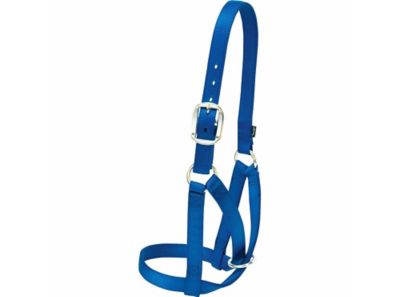
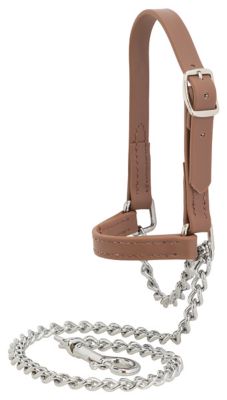
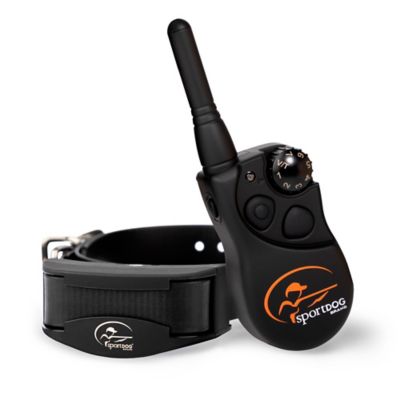
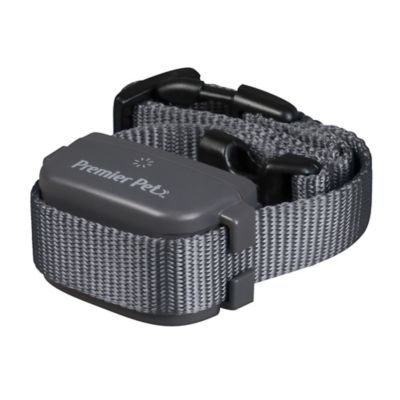
Goat collars are handy tools for farm, homestead, 4-H, and small-farm life, whether you’re leading a kid to the milking stand, keeping a friendly doe close during hoof trimming, or getting a market goat ready for the show ring. The right collar can make everyday handling smoother while giving you a dependable place to hold a lead, identify an animal, or guide a goat through a gate without grabbing at its horns. Adjustable nylon collars are a practical choice for routine barn and farm use because they are lightweight, easy to clean, and available in sizes that can grow with a young goat. Many goat owners use them for brief, supervised handling, halter training, weighing, hoof care, and veterinary visits. Chain show collars and other livestock show styles offer a neat appearance and more precise control in the ring, making them popular for dairy goats, market goats, and young handlers preparing for fairs. Leather and combination styles may suit larger, stronger, or more experienced animals when a sturdy collar is needed for controlled leading. Some modern livestock operations also use smart tracking systems or specialized grazing equipment to monitor animals across larger pastures, though these options require careful attention to compatibility, battery life, signal coverage, and the manufacturer’s safety instructions. When choosing among goat collars, start with the animal’s age, breed, neck size, temperament, and intended use. A collar for a gentle dairy kid spending a few minutes at the wash rack may be quite different from equipment used to lead a mature buck or present a market animal in competition. Color can also be useful around a busy barn, helping family members quickly tell animals apart, while a simple name or identification tag may be helpful when several goats share a pen.
Fit matters just as much as material. A goat collar should sit securely around the upper or middle part of the neck without pressing into the throat, rubbing behind the jaw, or sliding over the head when the lead is attached. A commonly used fit check is to leave room for about two fingers between the collar and the goat’s neck. That space should be checked again after the goat moves, eats, lies down, or grows, since a collar that fits well in the feed room can become too tight after a season of steady growth. Young goats change quickly, and collars should be inspected often for chafing, broken stitching, stretched holes, rust, sharp edges, or damaged hardware. Smooth edges and strong, easy-to-use buckles are especially important when children are helping with chores. For goats that wear a collar only during supervised handling, remove it when the job is finished and store it where it will stay clean and dry. Loose or heavy chain collars should not be left on goats unattended in a pasture, pen, or wooded lot because they can catch on fencing, brush, feeders, or other equipment. If a goat needs to wear a collar for longer periods, look for a suitable breakaway or pasture-safe option designed to reduce the risk of entanglement, and still inspect the animal and the enclosure regularly. No collar can replace sound fencing, attentive supervision, or a proper lead-handling routine. Lead from the side with steady, gentle pressure rather than pulling hard, and take extra care around horns, hooves, gates, and excited animals. During warmer weather, check beneath the collar for sweat, dust, and hair buildup; through cooler months, continue checking for dampness, packed mud, or winter coat changes that can affect the fit.
Goat collars can make thoughtful gifts for a new homesteader, a young 4-H member, a dairy-goat family, or anyone getting ready for a first fair season. They are small enough to tuck into a barn-supply basket, yet useful for the chores that fill a farm day: catching a kid at feeding time, bringing a doe from the back pasture, or practicing a calm walk before a show. If you’re buying for someone else, it helps to know whether the collar is meant for everyday handling, supervised pasture work, identification, or the show ring, along with the goat’s approximate neck size and age. An adjustable style gives the recipient more room to fit a growing animal, while a show-focused collar may be better suited to someone already working with dairy or market goats. A collar is also a practical companion to a lead, grooming supplies, hoof-care tools, feed pans, and other livestock essentials, but each piece should match the animal’s size and the handler’s experience. Keep goat collars separate from equipment made for other animals; even though the basic idea may look familiar, goats have different body shapes, habits, and escape skills than dogs or other livestock. For canine equipment, shoppers can browse
Dog Walking Collars. Whether your goats live beside the barn, browse a brushy hillside, or spend the season preparing for the ring, a well-chosen collar should be comfortable, durable, easy to adjust, and appropriate for supervised use. With regular fit checks and a little common sense around fences and gates, it can become one of those simple tools you reach for day after day.