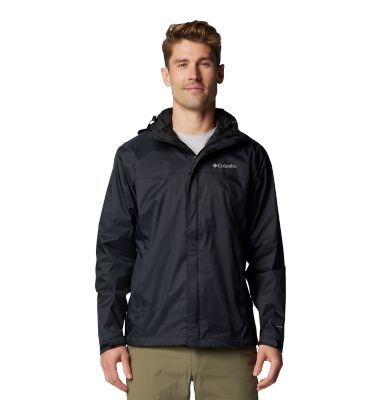
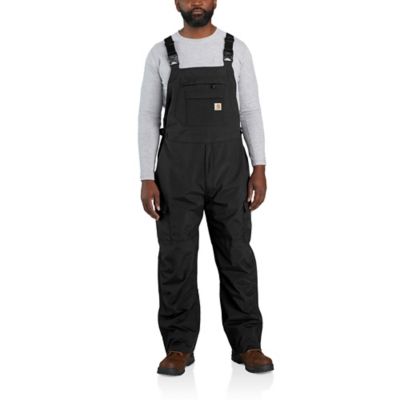
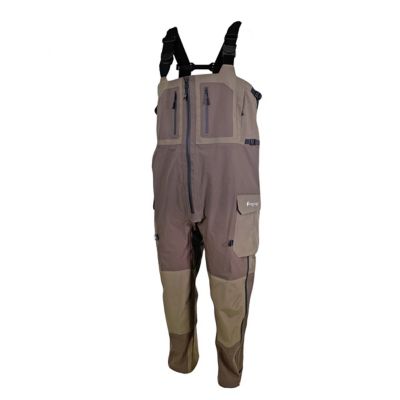
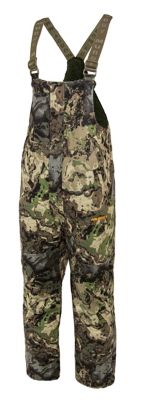
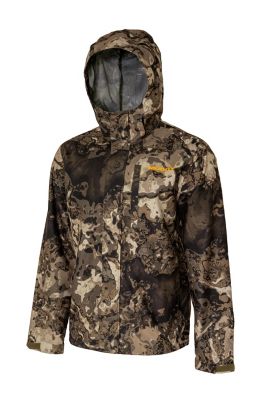
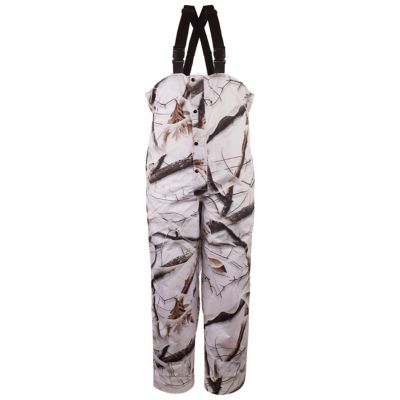
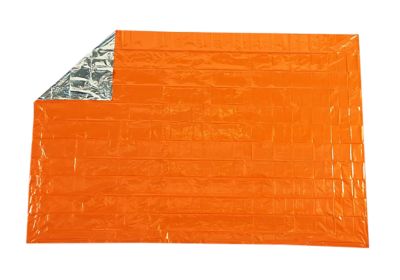
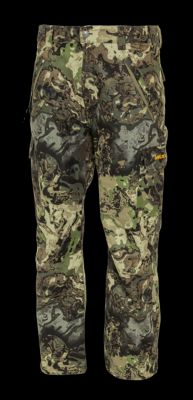
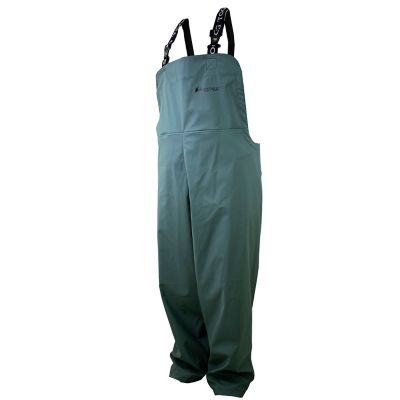
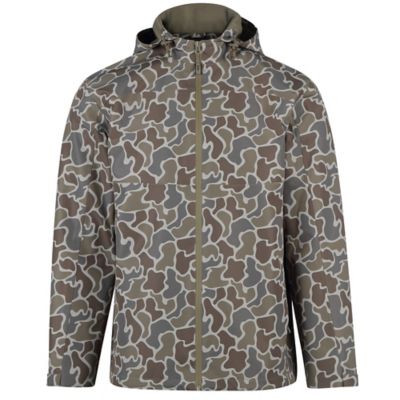
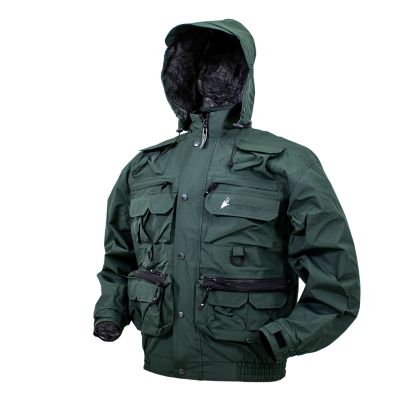
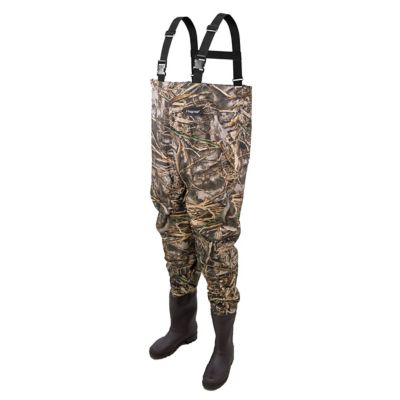
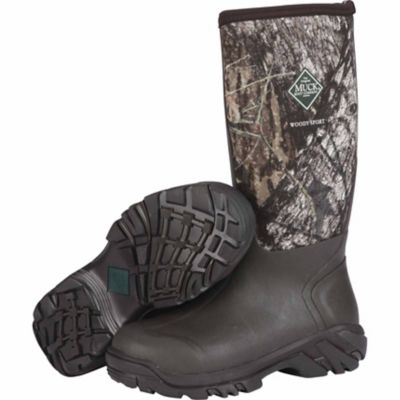
When you’re camping during the cooler, wetter stretch of the year, dependable waterproof gear can make the difference between a memorable night outdoors and a soggy scramble back to the truck. Rain can move in fast over a ridge, settle into a steady drizzle around the campsite, or arrive as wind-driven showers that find every gap in a jacket or tent. Waterproof camping gear helps keep clothing, bedding, food, electronics, and other essentials protected so you can stay comfortable and focused on the trip. A good starting point is a waterproof or highly water-resistant rain jacket with a hood, adjustable cuffs, and enough room for a warm layer underneath. Look for breathable materials when possible, especially if you’ll be hiking, gathering firewood, or setting up camp, since trapped heat and sweat can leave you damp even when rain stays outside. Waterproof pants are useful for wet grass, muddy trails, canoe launches, and long periods spent around camp. Pull-on styles are handy over everyday pants, while full-zip or side-zip designs can be easier to put on over boots. Waterproof boots or shoes with sturdy traction help keep feet dry on slick ground, and gaiters can add another layer of protection where wet brush, mud, or shallow water is part of the route. A poncho can be a convenient choice for casual campers, festivalgoers, and anyone who wants broad coverage over clothing and a daypack. For a full outer layer, check the construction as closely as the material. Taped or sealed seams, a storm flap over the zipper, a drawcord hood, and reinforced areas can help prevent water from working its way in during a hard shower. “Waterproof” and “water resistant” are not always the same thing: water-resistant fabric may handle light rain or a quick sprinkle, while waterproof construction is better suited to prolonged or heavy precipitation. Consider the forecast, the length of your trip, and how hard you’ll be working outdoors before choosing the level of protection you need.
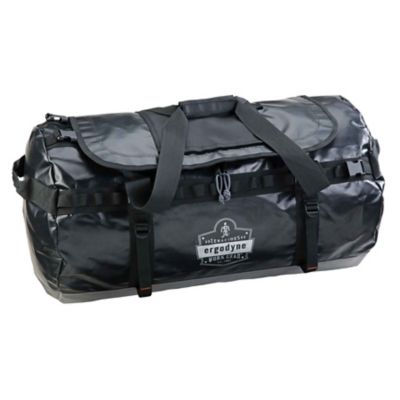
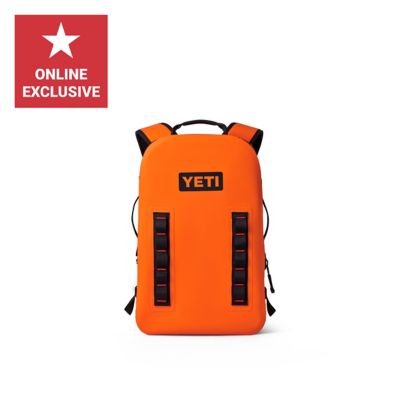
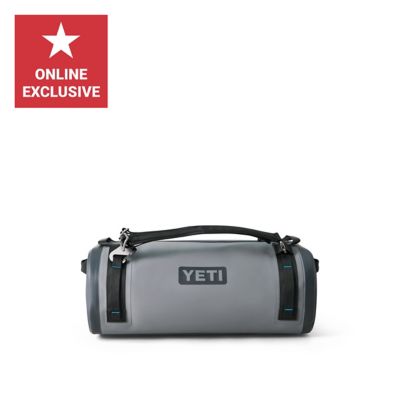
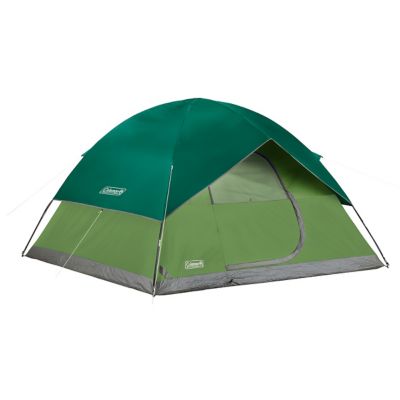
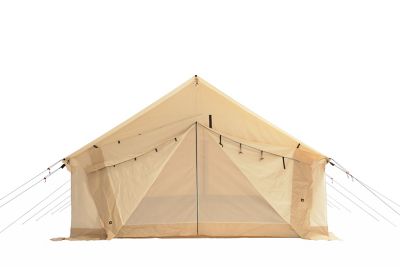
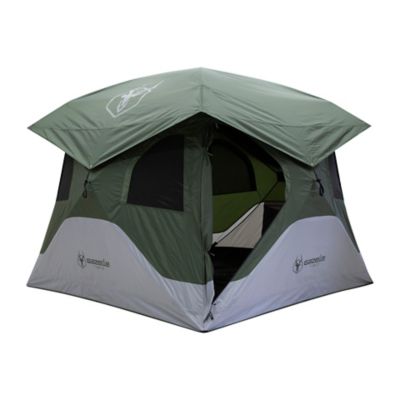
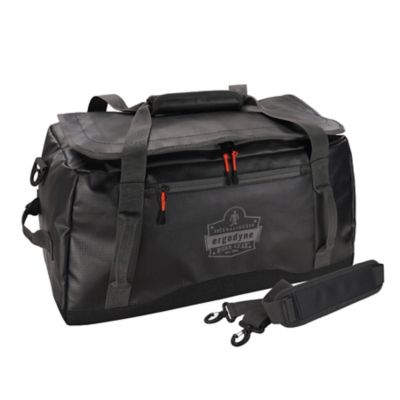
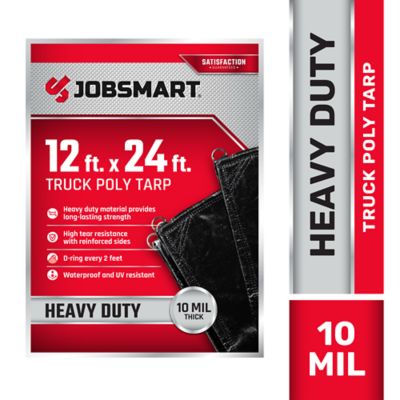
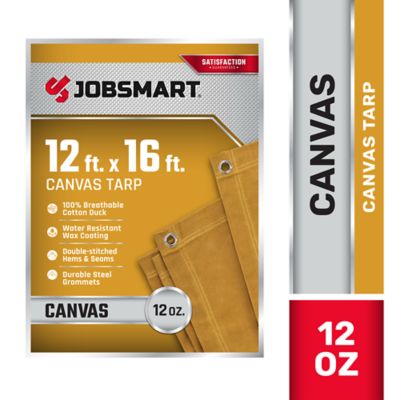
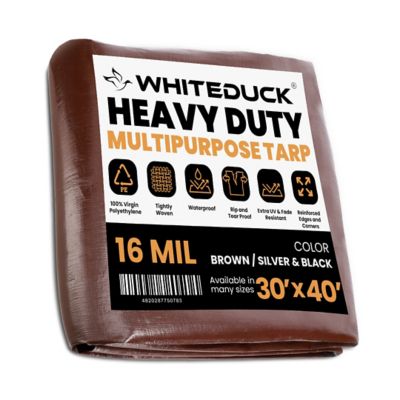
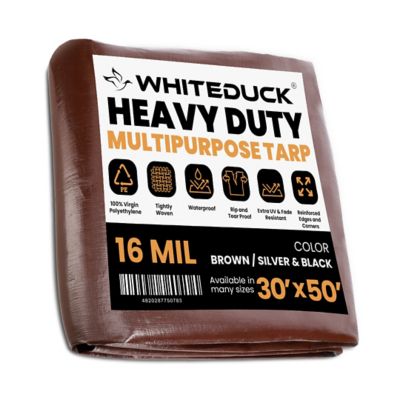
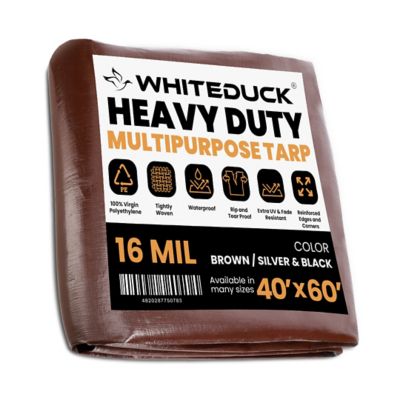
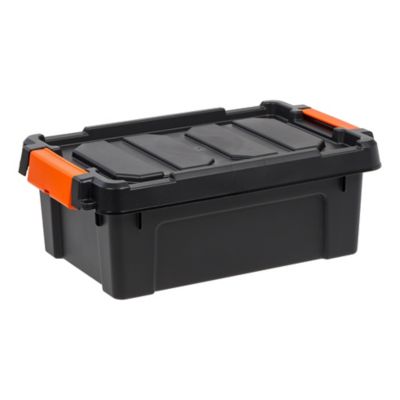
Keeping gear dry inside the tent is just as important as keeping yourself dry outside it. Dry bags, waterproof stuff sacks, and roll-top storage bags give sleeping clothes, maps, first-aid supplies, camera equipment, and other small essentials a second line of defense. They are especially useful for canoe trips, fishing camps, beachside outings, and backpacking routes where gear may be exposed to spray, wet ground, or a sudden downpour. Choose a size that matches what you plan to carry, and leave enough room to close the top properly; overfilling a roll-top bag can weaken the seal and make it harder to secure. Smaller waterproof pouches work well for phones, keys, matches, and licenses, while larger bags can protect a sleeping bag or spare layers. A waterproof pack cover may help during rain, though a liner or dry bag inside the pack offers extra security because water can still enter around zippers and openings. For shelter, pay attention to the tent’s rainfly coverage, bathtub-style floor, seam construction, ventilation, and overall weather rating. A rainfly that reaches close to the ground offers more protection than a small canopy that leaves the lower walls exposed. A bathtub floor, with waterproof material rising several inches around the edges, helps keep runoff from flowing across the tent floor. Set the tent on high ground rather than in a low spot where water naturally collects, and use a footprint or ground cloth that does not extend beyond the tent floor, since exposed edges can catch rain and direct it underneath. A hydrostatic head rating above 3,000mm is often considered a useful benchmark for wet-weather tent fabric, but the rating is only part of the picture; seams, zippers, floor design, rainfly shape, and proper setup all matter. Stretch the rainfly tight, stake out the corners, and keep vents open enough to reduce condensation. A tarp strung over the cooking or sitting area can provide a dry place for muddy boots, camp chairs, and meal preparation, while waterproof ground mats help manage mud at the tent entrance. These details may seem small when the sky is clear, but they become mighty handy when rain taps on the fly through the night.
Waterproof camping gear suits a wide range of outdoor folks, from families spending a weekend near the lake to hunters, anglers, hikers, scout groups, and workers who need to stay outside when the weather turns. Car campers can usually bring a few extra layers, a larger shelter, and multiple storage bags, while backpackers may want lightweight clothing and compact dry storage that earns its place in the pack. For children, simple rain jackets, waterproof pants, and easy-to-use footwear can make puddles and damp trails part of the fun instead of a reason to cut an outing short. A well-chosen rain layer or dry bag also makes a practical gift for someone who enjoys state parks, tailgate camping, fishing trips, or working around the homestead. When buying for another camper, think about fit, packability, durability, and the type of trips they take. Someone who hikes long distances may appreciate lightweight, breathable protection, while a family camper may value roomy coverage, rugged fabric, and easy cleanup. Neutral sizing options, adjustable hoods, elastic waists, and flexible closures can make gifts easier to choose. Before heading out, check that waterproof layers fit over the clothing they’ll be worn with, test zippers and closures, and inspect older gear for cracked coatings, worn seams, or leaking corners. Clean and dry items fully before storing them, and follow care instructions so waterproof finishes last through more than one season. For additional ways to round out a camp setup, browse
Camping Gear Ideas. With a reliable outer layer, dry storage, weather-ready shelter, and a plan for wet ground, a rainy forecast becomes something to prepare for rather than a reason to stay home.