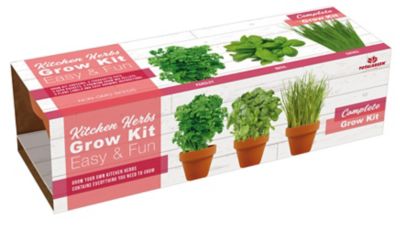
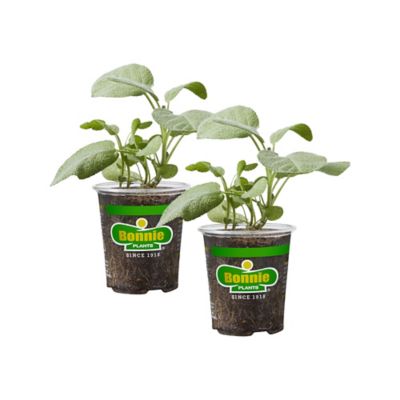
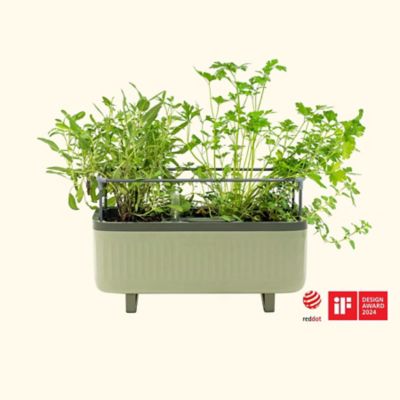
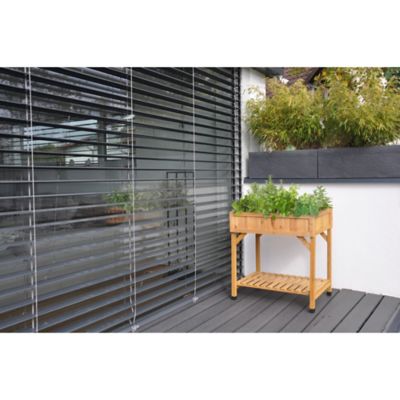
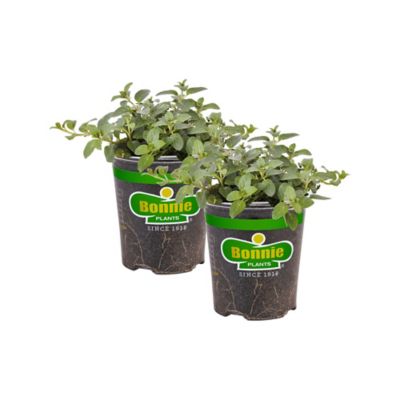
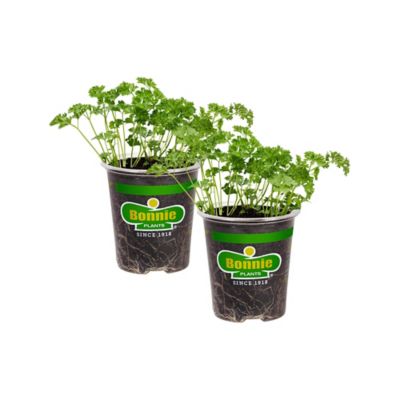
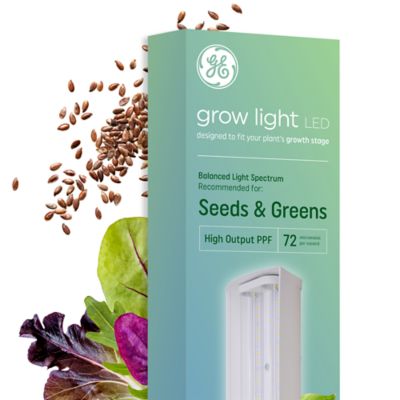
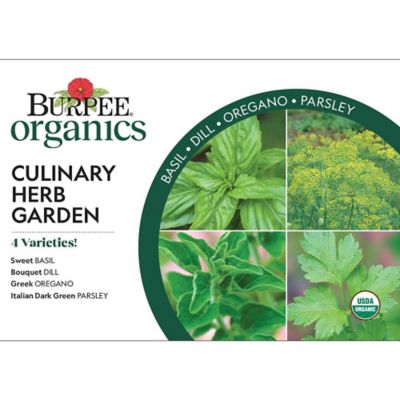
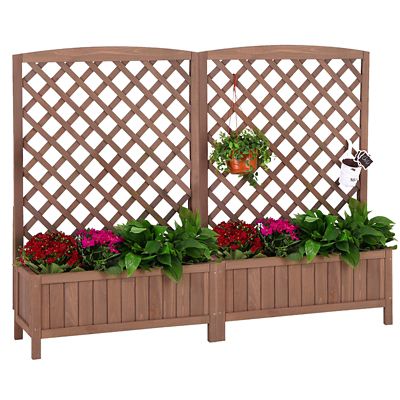
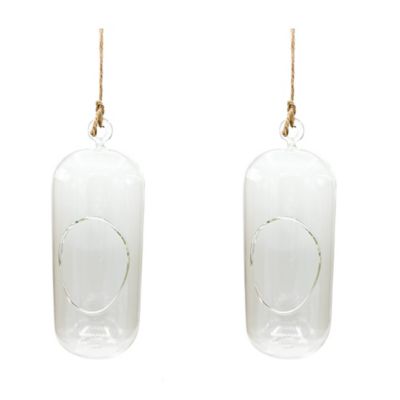
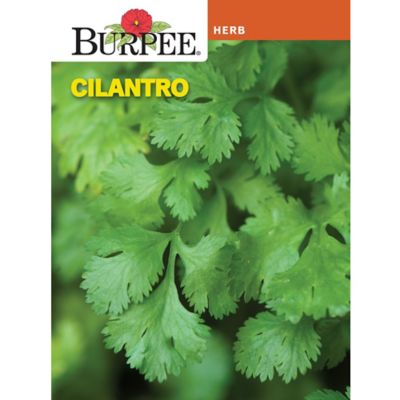
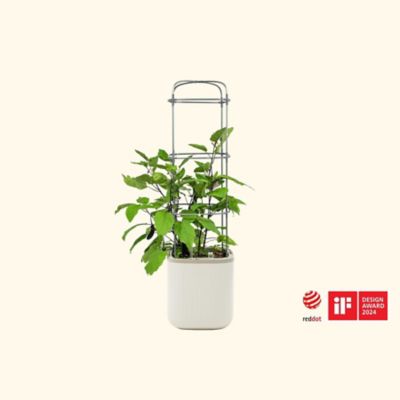
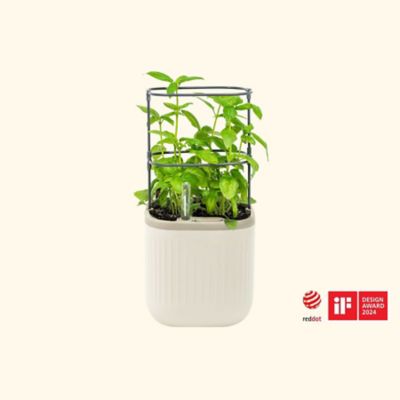
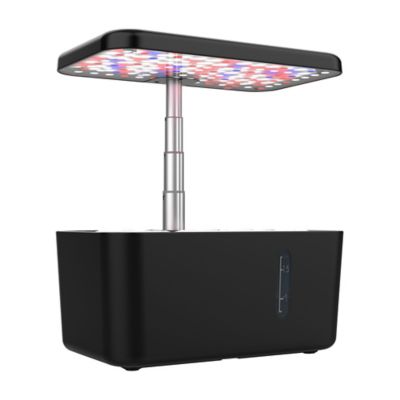
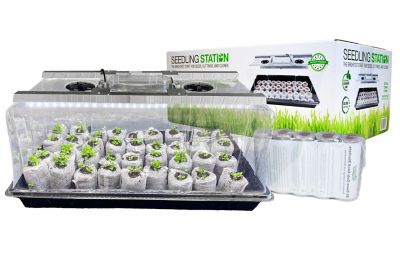
An indoor herb garden brings a little patch of growing-season goodness into the kitchen, even when cooler weather keeps the garden gate closed. These products can include growing containers, countertop systems, seed-starting supplies, potting mix, plant lights, pruning tools and other handy pieces that make it easier to keep fresh herbs within reach. A sunny windowsill may be all that’s needed for a small collection of basil, chives or thyme, while a darker kitchen, apartment or office may call for a full-spectrum LED grow light. Aim for about six to eight hours of bright light each day, either from a south-facing window or from an appropriate indoor grow light. A bright window can cast a warm square of sunlight across the counter, but remember that glass can filter some light and shorter days can slow growth. Keep plants close enough to the light to grow sturdy and leafy without letting foliage touch a hot bulb. Good air movement also matters indoors. Gentle circulation helps leaves dry after watering and can discourage mold and fungus gnats, especially in rooms where warm air and damp soil tend to linger. Indoor herb garden products are useful for seasoned gardeners who want fresh flavor during the cooler months, but they’re just as fitting for a first-time grower, a home cook, a student, or anyone who enjoys tending something green. They can also make a thoughtful housewarming, birthday or holiday gift, particularly when paired with a favorite recipe, a sunny windowsill and a little time to watch new leaves unfurl.
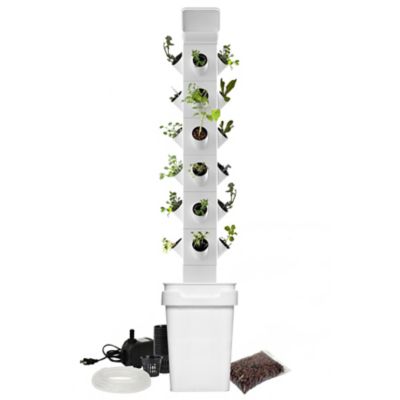
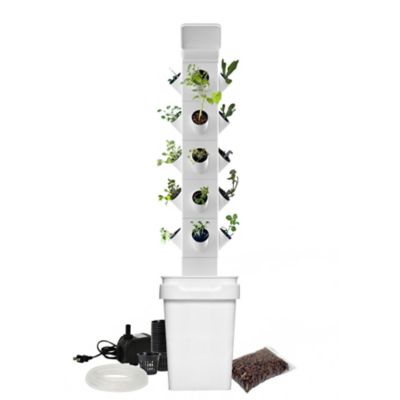
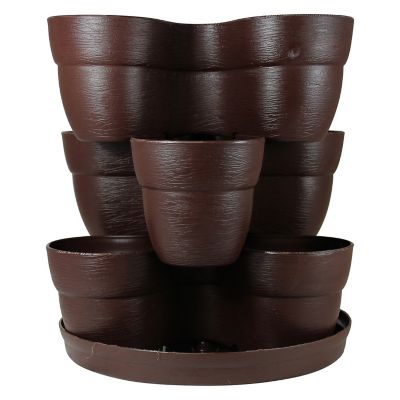
When comparing indoor herb garden supplies, start with the space available and the amount of light it receives. A compact container can sit beside the sink or on a narrow sill, while a tiered setup makes use of vertical space in a small kitchen. If you need more room without taking over the counter,
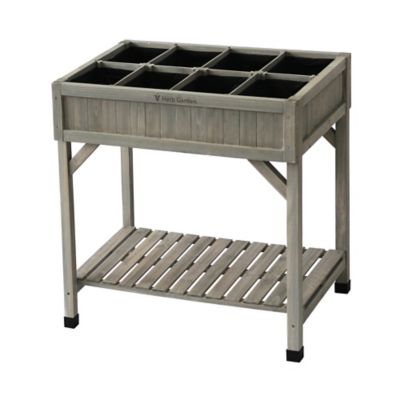
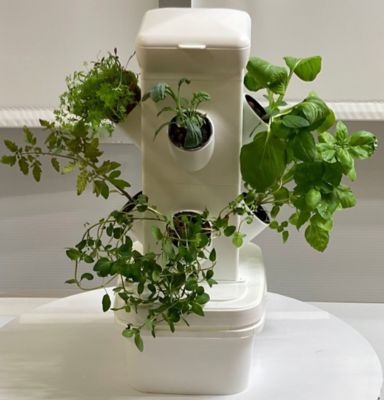
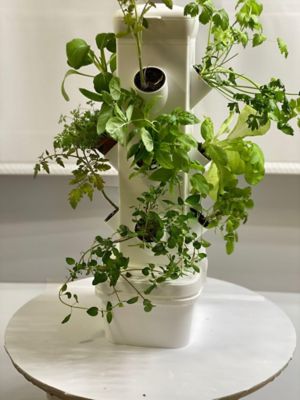
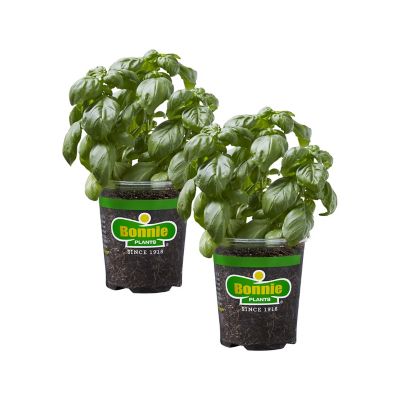
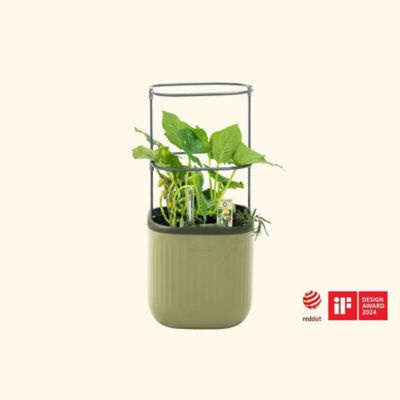
Vertical Herb Garden Planters can help organize several herbs in a neat footprint. Whatever style you choose, containers should have dependable drainage holes and a tray or basin to catch excess water. Herbs generally do better in a fast-draining indoor potting mix than in heavy garden soil, which can stay wet around the roots and become hard in a container. A hydroponic growing system is another option for people who prefer a tidy, soil-free setup with a water reservoir and built-in light; these systems can be especially useful in a kitchen with little natural sunshine. Soil-grown herbs offer a more familiar gardening feel and let you check moisture by touch, while hydroponic systems may appeal to busy households that appreciate reminders, controlled lighting or a streamlined countertop design. Consider the height and spread of mature plants, the location of cords and the ease of refilling water or moving containers before making a choice. Basil appreciates warmth, bright light and regular pinching at the top stems to encourage a bushier plant instead of one tall, sparse stalk. Chives are forgiving and can handle somewhat modest light, making them a friendly choice for beginners. Mint grows with enthusiasm and is best kept in its own container so its spreading roots don’t crowd other herbs. Rosemary and thyme enjoy plenty of direct sun and prefer the soil to dry somewhat between waterings. These differences are worth keeping in mind when choosing containers, light coverage and the number of plants for a single growing area.
A simple watering routine can make a big difference in the life of an indoor herb garden. Feel the top inch of soil with a clean finger and water when it feels dry rather than following a rigid schedule. Add water slowly until a little drains from the bottom, then empty the tray so roots aren’t left sitting in a puddle. Overwatering is one of the most common indoor gardening problems and may lead to yellow leaves, soft stems or root rot. On the other hand, a plant that wilts repeatedly in a warm, bright window may need more frequent attention or a slightly larger container. Trim herbs with clean snips, harvest a few stems at a time and avoid removing more than about one-third of a plant as it gets established. Regular harvesting often keeps plants productive, and the clippings can go straight into soups, eggs, roasted vegetables, marinades or a jar of iced tea. Look for supplies that are easy to clean, simple to refill and sturdy enough for everyday use, especially when the garden will live near food preparation areas. Families may enjoy giving children a small role, such as checking the soil or snipping chives for dinner, while older gardeners may appreciate a raised, well-lit setup that reduces bending and makes plants easier to see. A renter can add fresh greenery without digging up a yard, and a rural household can keep favorite flavors close at hand when the outdoor beds are resting. With the right combination of light, drainage, air circulation and sensible watering, an indoor herb garden can turn an unused corner into a useful little growing space that keeps the kitchen lively through changing seasons.