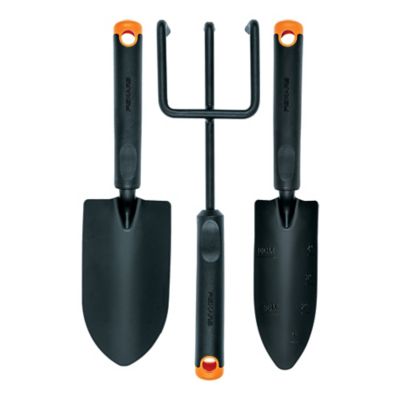
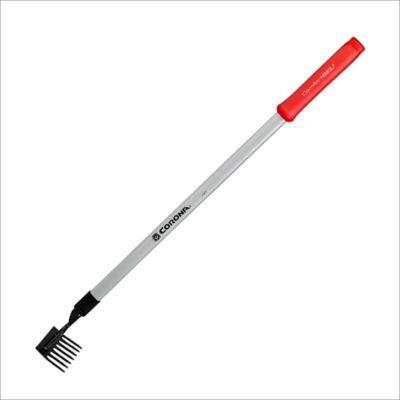
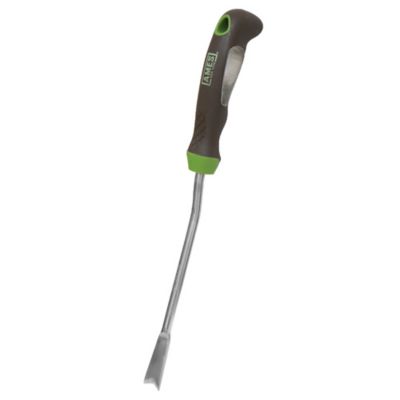
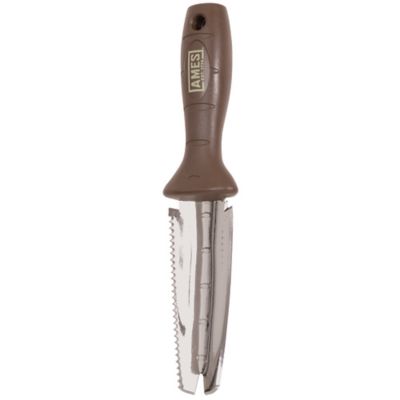
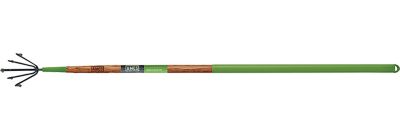
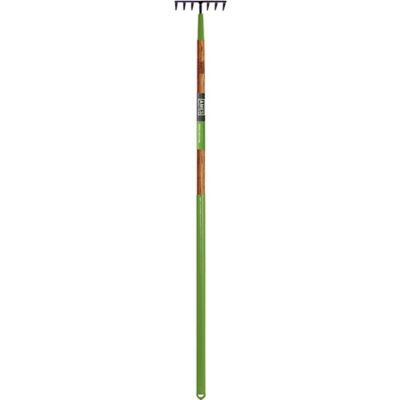
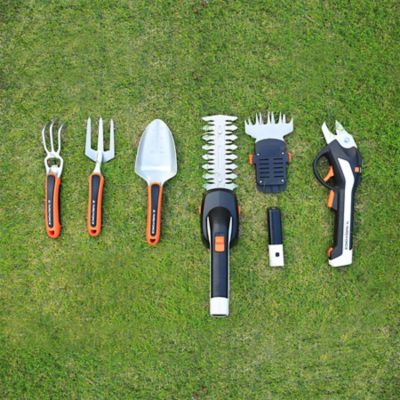
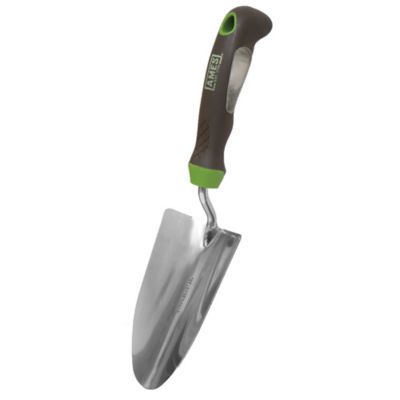
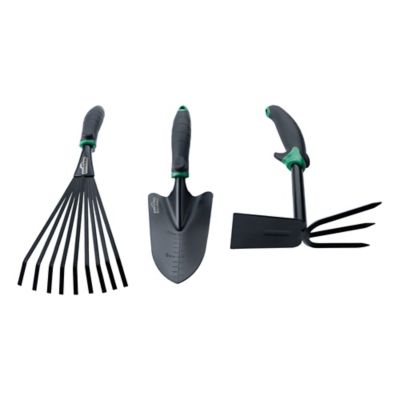
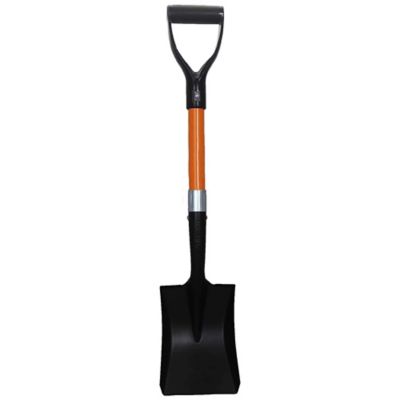
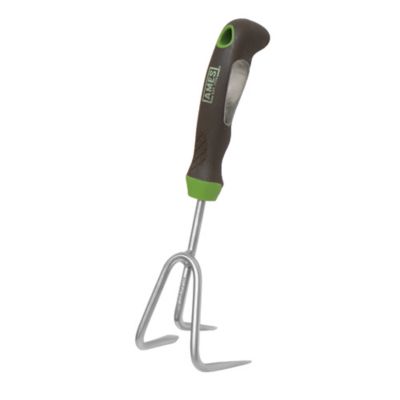
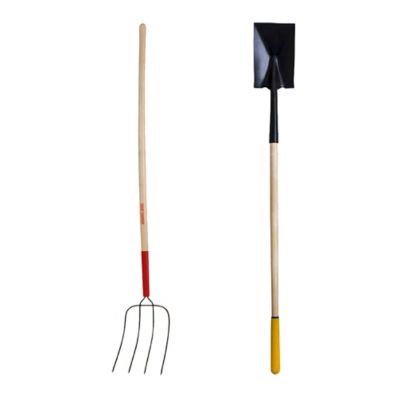
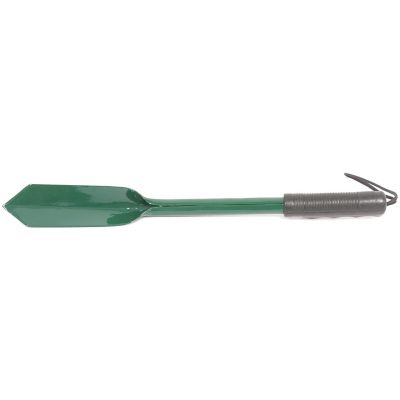
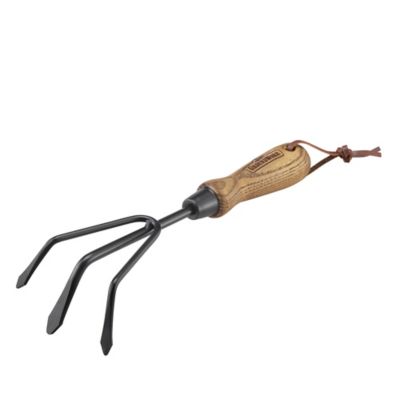
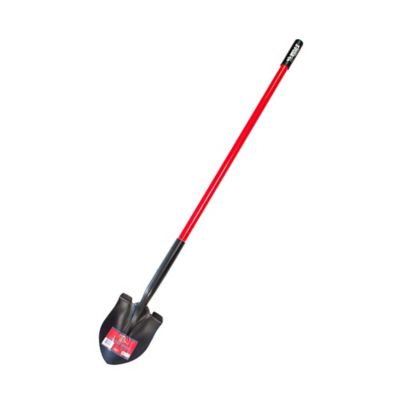
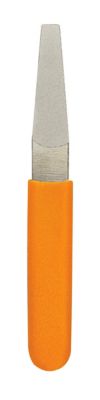
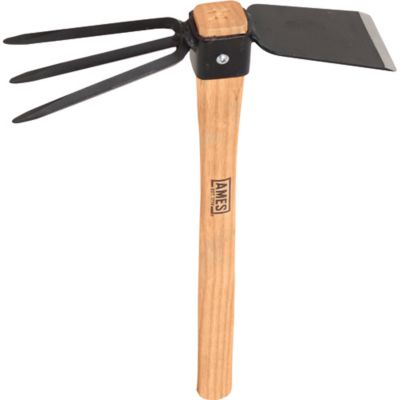
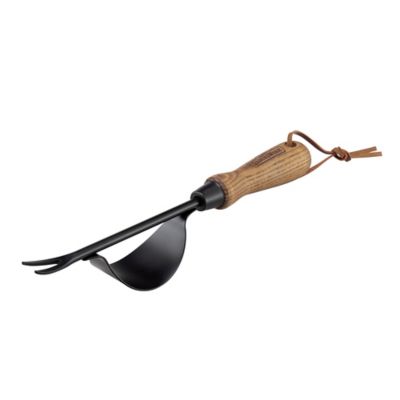
Flower garden tools cover the everyday jobs that keep planting beds, borders and containers in shape: digging, loosening soil, pulling weeds, trimming stems and watering at the roots. Common tools include hand trowels, pruning shears, hand cultivators, weeders, garden hoes and hand rakes, along with watering equipment and gloves. Each has a different place in the work, from opening a planting hole beside a porch to reaching weeds along a fence-line flower bed. A hand trowel gives you control in close quarters, with a narrow blade fitting between established plants and a broader blade moving more soil when filling containers. Depth markings can help with planting bulbs, though the planting depth still depends on the flower. Stainless steel blades resist rust, while carbon steel blades offer strength and benefit from cleaning, drying and occasional oiling. Blade thickness, handle attachment and the shape of the grip all matter when the soil takes some effort to work. A hand cultivator loosens the surface and blends in compost without moving as much earth as a shovel, making it a practical choice around plants with enough room between them. Close to shallow roots, a light touch matters more than muscle. Weed forks and narrow weeders reach into tight gaps, while long-handled hoes suit open stretches between flower rows. A hoe can slice off small weeds near the surface; deeper-rooted weeds call for a tool that reaches farther into the soil. Garden knives combine a digging blade, cutting edge and, on some designs, depth markings for several small planting jobs. Hand rakes gather loose plant debris and smooth small patches without the reach of a full-size rake. The best fit depends on the space: compact heads suit crowded beds and pots, while longer handles reduce the amount of bending along broad borders. Flower gardeners also turn to
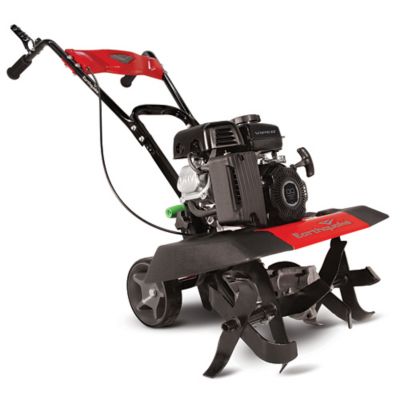
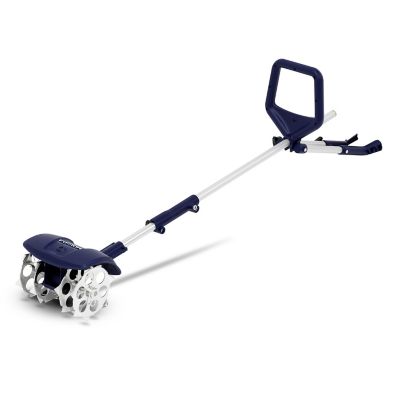
Garden Cultivation Tools for preparing planting spaces and keeping the ground workable around established plants.
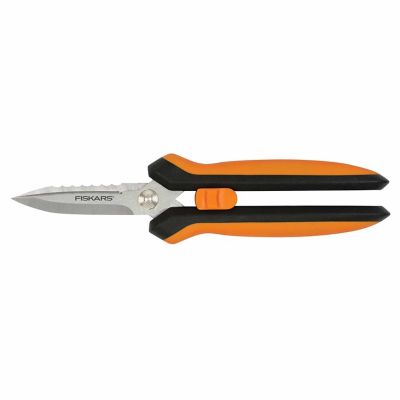
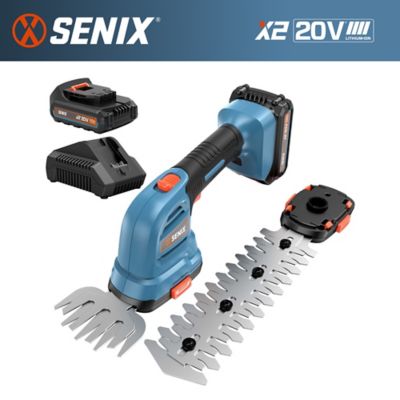
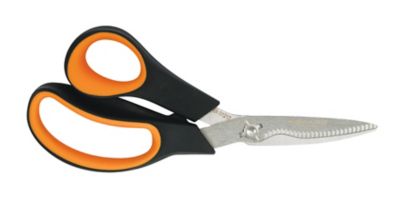
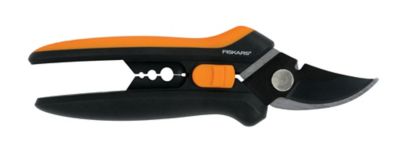
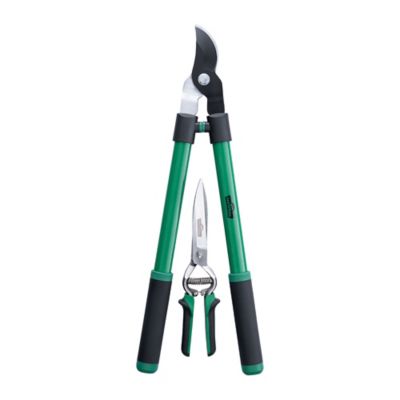
Cutting and watering tools handle another side of flower care, where control can make a real difference to the plants. Bypass pruning shears have blades that pass each other, making them well suited to clean cuts on living stems. Their cutting capacity should match the stem thickness rather than relying on extra squeezing force. Small snips offer finer control for clipping spent blooms, trimming thin stems and gathering flowers for a vase on the kitchen table. A comfortable grip matters just as much as the cutting edge, especially when there is a whole row of flowers to tend. Handle spacing, spring resistance and a latch that is easy to operate all affect how the tool feels in the hand. Gloves add another consideration: the handle needs to feel secure with gloves on, not just during a bare-handed grip check. Close-fitting fingertips help with tying stems and handling small plants, while reinforced palms give more protection during digging and pulling. Leather gloves offer protection against scrapes and some thorns, though thorny plants may call for heavier gloves and longer cuffs. Breathable fabric gloves with coated palms can suit lighter planting work where flexibility matters. A kneeling pad cushions hard ground, and a garden kneeler with side supports can help with getting down to bed level and standing back up. Watering cans, hose nozzles and watering wands serve different spaces. A manageable can is handy for porch pots and small beds, while a wand extends reach into a border without stepping among the flowers. A gentle spray helps limit soil disturbance around fresh plantings, and an adjustable flow gives more control near delicate stems. Can weight matters once it is full, so handle placement and balance deserve a look alongside capacity. Long hoses can reach distant beds, but hose weight and the path around gates, walkways and plantings influence how easy watering feels from start to finish.
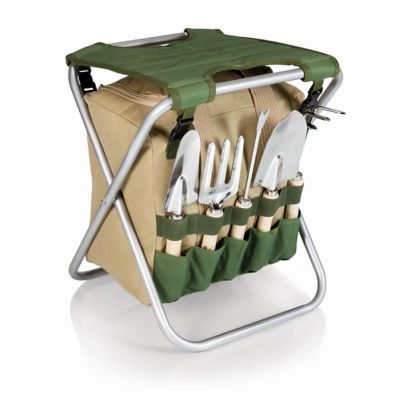
Flower garden tools should fit both the gardener and the work, rather than simply filling a shed with more handles. Someone tending a few containers may get plenty of use from a trowel, snips, gloves and a watering can. A gardener caring for long beds may lean more on a hoe, rake, digging fork and long-handled weeder, with smaller tools close by for work around individual plants. Handle length can change posture, and a tool that is too heavy may become tiring well before the job is finished. Wood handles offer a familiar feel and can be checked for splinters or looseness at the head. Fiberglass handles resist moisture and avoid wood splinters, while metal handles bring strength but may need a cushioned grip for comfort. A secure connection between the head and handle helps the tool hold steady when lifting soil or working out a stubborn root. Care also affects service life. Soil left packed against a blade can hold moisture, and plant sap can gum up cutting tools. Cleaning off dirt, wiping away sap and drying tools before storage help keep moving parts and metal surfaces in better shape. Pruning tools benefit from blade care and sharpening suited to their design; cleaning between plants is especially important when disease is suspected. Moving parts may need lubrication according to the tool’s care directions. Hanging long-handled tools keeps heads off the floor, while a tote or caddy gives small tools a place to land instead of disappearing under foliage. Covered blades and closed pruning latches make storage safer. For a gift, familiar tasks are a useful starting point: compact hand tools suit a container gardener, comfortable gloves suit someone who spends hours tending beds, and a carrying tote helps a gardener moving between several planting areas. A few tools that feel right in the hand can earn their place through plenty of digging, clipping and tending.