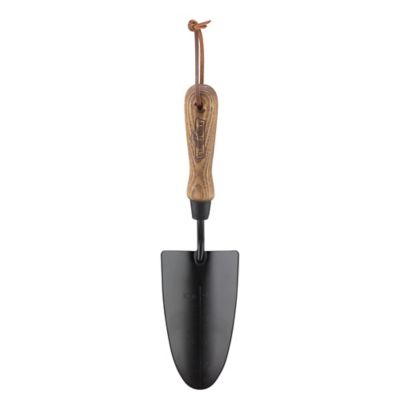
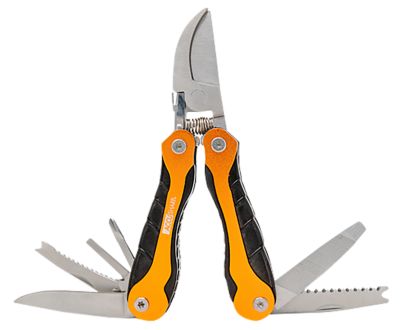
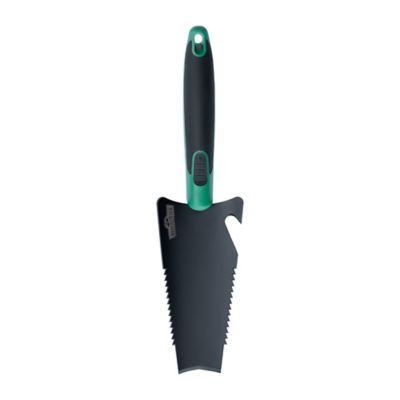
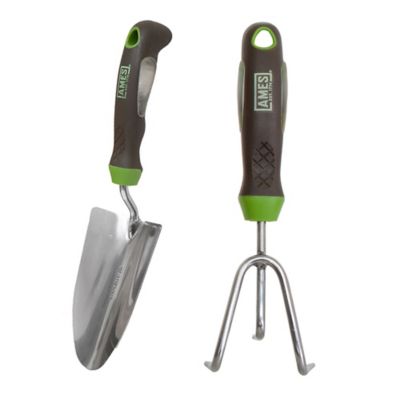
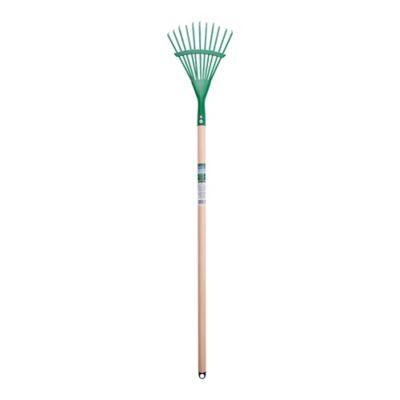
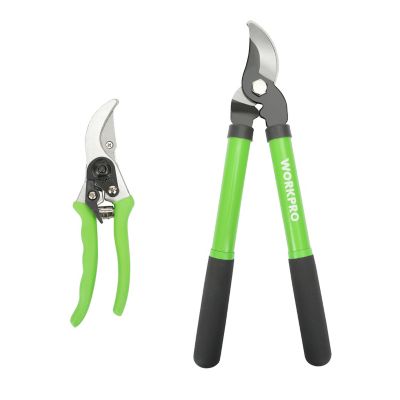
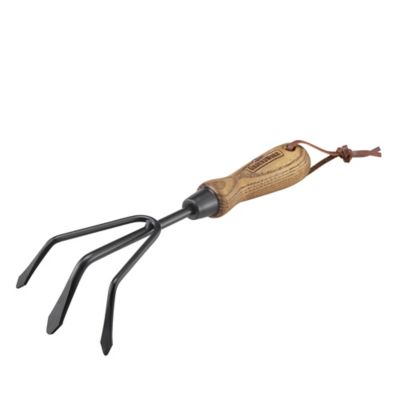
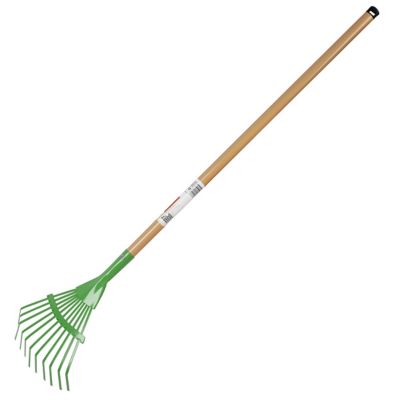
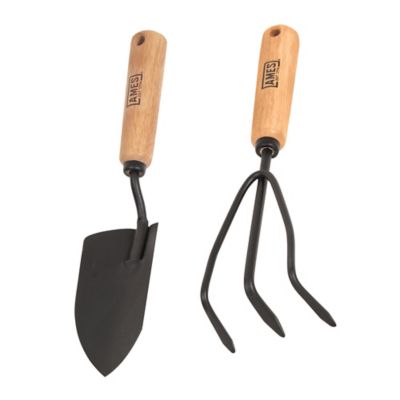
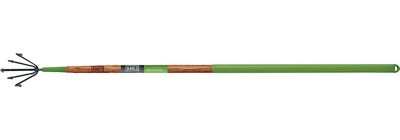
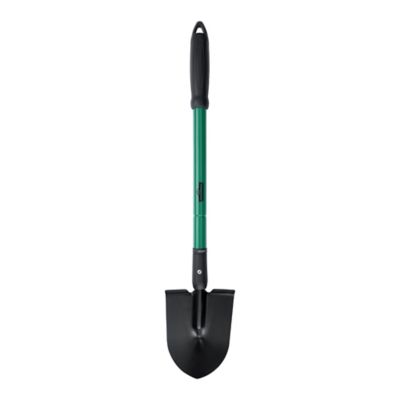
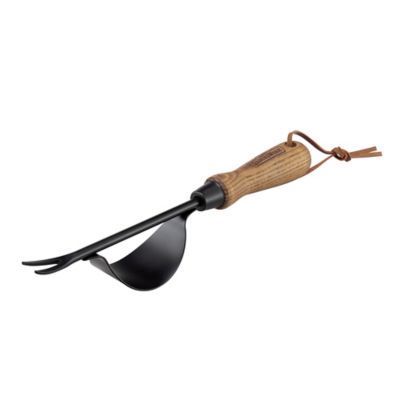
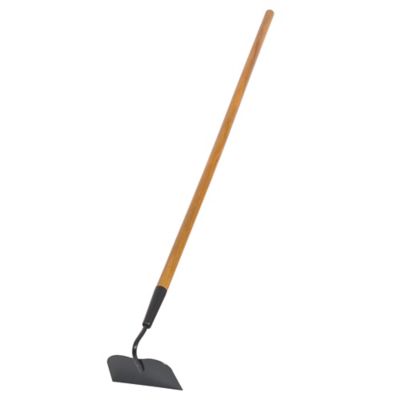
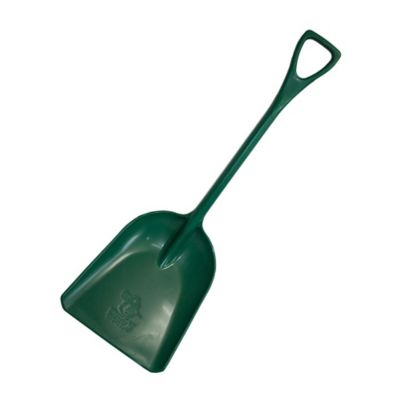
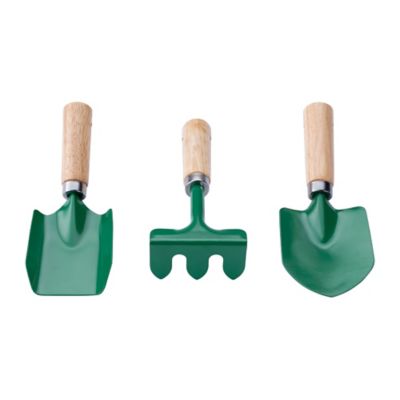
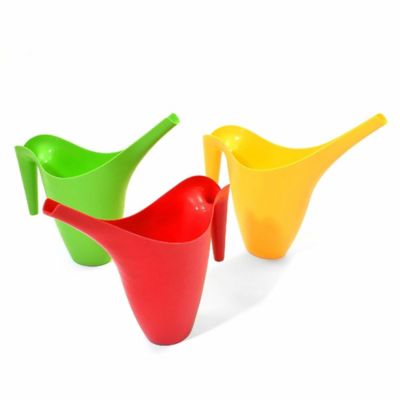
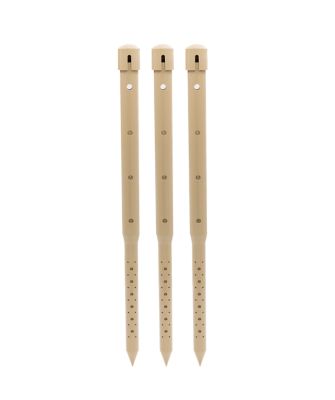
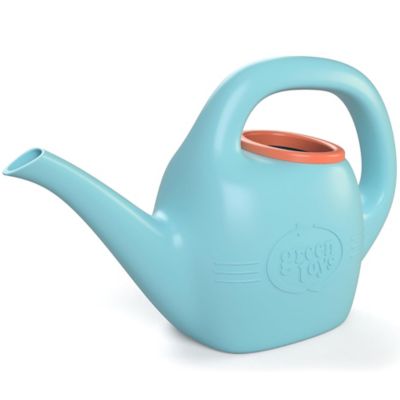
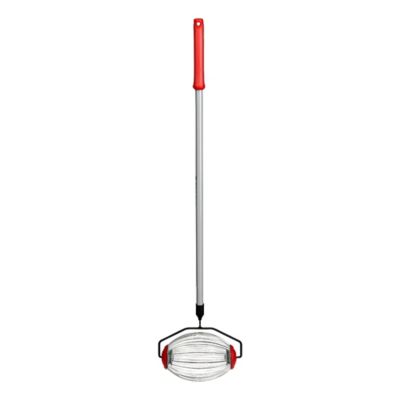
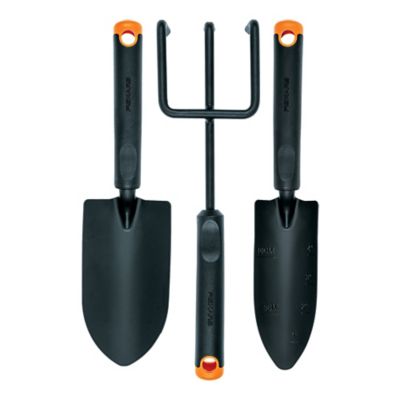
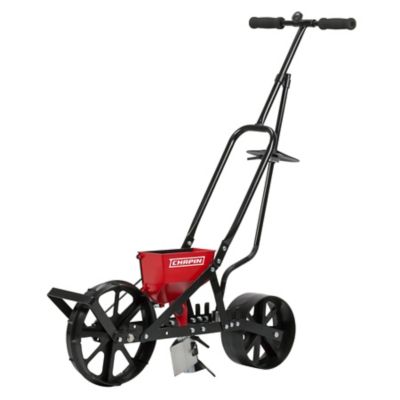
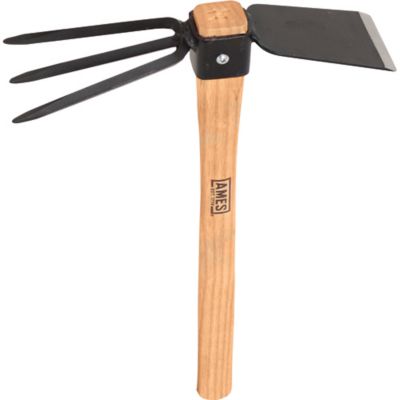
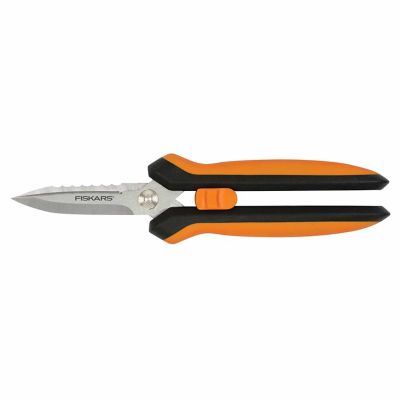
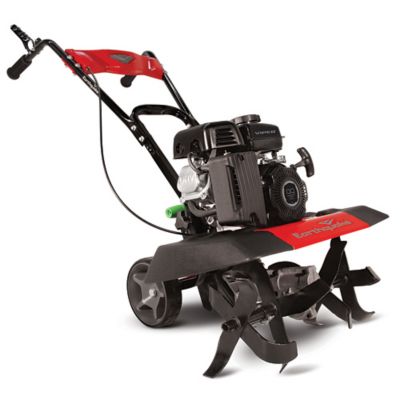
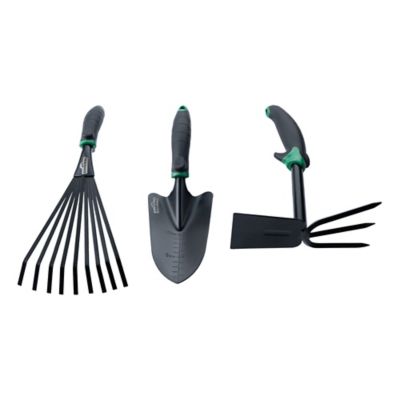
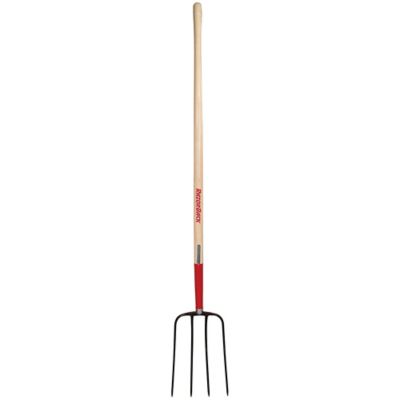
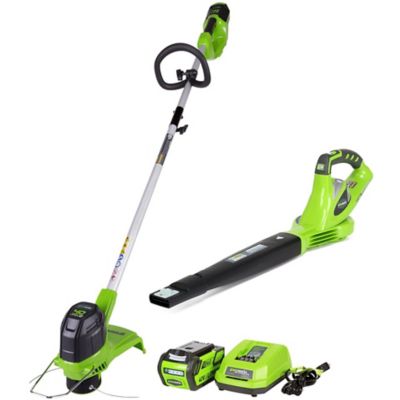
Green gardening tools bring a coordinated look to the practical equipment that keeps garden beds, planting rows and containers in good shape. Green handles, coated metal heads and painted frames can appear across hand tools, long-handled digging tools, pruning equipment and garden carts. The color ties a collection together, but the right match still comes down to the work ahead. Small hand tools suit close quarters around pepper plants, flower borders and pots beside the back steps, where there is little room for a full-size shovel. Longer handles offer reach across a bed and leverage for digging or moving loose material. A narrow working end can fit between established plants, while a broader head moves more soil with each pass. Cutting tools serve a different purpose, with blade shape and cutting capacity helping determine whether they suit soft stems or woody growth. For someone tending a few porch containers, a manageable assortment of hand tools may cover most jobs. A larger vegetable patch or a garden shared by several family members often calls for a mix of sizes and functions. Green tool sets can also help keep a matching collection together on a shed rack, though deeper green shades may blend into grass or foliage if a tool gets set down. A lighter grip accent or a designated carrying spot can make tools easier to keep track of. Color alone does not tell the whole story about construction or environmental impact; materials, replaceable parts and care requirements deserve attention, too. For gardeners choosing tools as a gift, a matching finish adds a thoughtful touch without taking the place of a comfortable fit. Someone who enjoys tending herbs near the kitchen door will likely have different needs than someone turning soil along a fence line, and that difference matters more than having every tool look exactly alike.
Materials make a noticeable difference in how green gardening tools feel in the hand and hold up to repeated work. Steel working ends generally offer strength for digging and loosening soil, while stainless steel adds resistance to rust and can be easier to wipe clean. Carbon steel can hold a keen cutting edge, but exposed surfaces benefit from cleaning, drying and the care recommended by the manufacturer. Aluminum often reduces carrying weight, which can be welcome when moving between several beds, although a lightweight tool is not necessarily meant for prying against buried rock. Wood handles offer a familiar feel and may need occasional attention to keep the surface smooth. Fiberglass and molded handles have different balances of weight, rigidity and grip texture, so the best choice depends on the task and the person holding the tool. A green painted or powder-coated surface can help protect the metal beneath it, but scratches and chipped areas still need attention. Handle shape matters just as much as material. A grip that feels comfortable barehanded may feel crowded with work gloves, and a thick handle can be awkward for smaller hands. Longer shafts can reduce the amount of bending some jobs require, provided the overall length suits the gardener’s height and working position. For pruning equipment, handle spacing, spring tension and latch placement affect how easily the tool opens, closes and rests between cuts. Someone working through a long row of plants may appreciate a balanced tool more than a heavier one that feels substantial at first lift. Secure head-to-handle connections, smooth grip surfaces and clear care information are useful details to consider across the category. Tools intended for light cultivation should not be expected to take on every root or compacted patch in the yard. Matching the working end to the soil, plant size and available space helps protect both the tool and the planting area, especially where tender roots sit close to the surface.
Green garden carts and carrying equipment add another practical side to a coordinated tool collection. Hauling potting mix, gathered weeds and hand tools in one trip can cut down on back-and-forth walking between the shed and garden. Cart size, load rating, wheel design and handle height all influence how that trip feels. A broad bed offers room for loose material, while raised sides help contain smaller tools and supplies. Pneumatic tires can cushion travel over uneven ground, but they require air-pressure checks; solid tires avoid that task and have a different feel on rough paths. Gate openings, storage space and the width between garden beds matter, too. A cart that rolls comfortably along an open lane may be awkward in a narrow passage beside raised beds. Across both wheeled equipment and hand tools, straightforward care supports a longer service life. Soil left around joints can interfere with movement, plant residue can collect on blades, and moisture on bare metal can encourage rust. Tools with accessible fasteners, replaceable blades or serviceable wheels may be easier to keep working when parts wear. Storage deserves a little thought as well: a wall rack keeps long handles from becoming a tangled pile, while a tote gives smaller tools a regular place between jobs. For more equipment centered on bed preparation and planting, the
Spring Gardening Tools page offers a related collection to explore. Green gardening tools can make a practical gift for a new homeowner, a longtime vegetable grower or a family member who spends quiet hours tending flowers. A comfortable grip, sensible weight and working end suited to familiar tasks are the details that make the gift feel well chosen. Whether the work happens in a few containers or across a roomy backyard plot, tools that fit the gardener and the job are the ones most likely to earn a regular spot by the shed door.