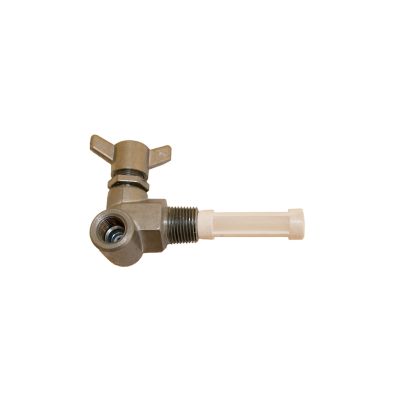
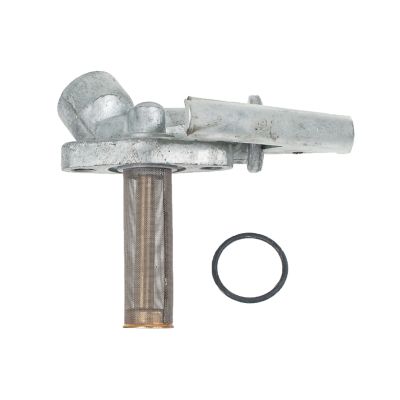
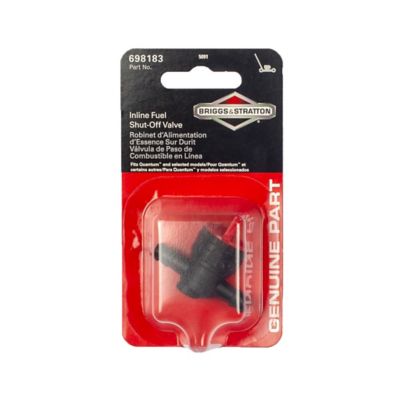
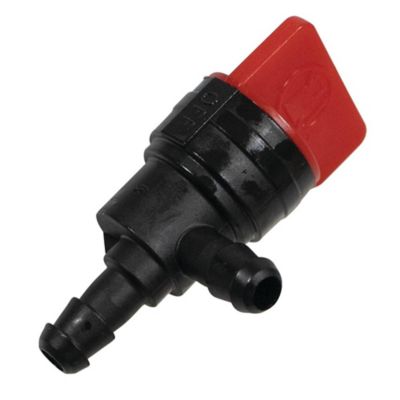
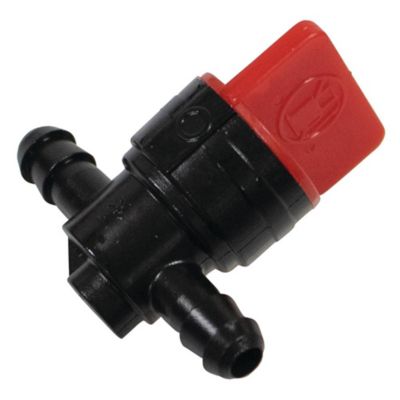
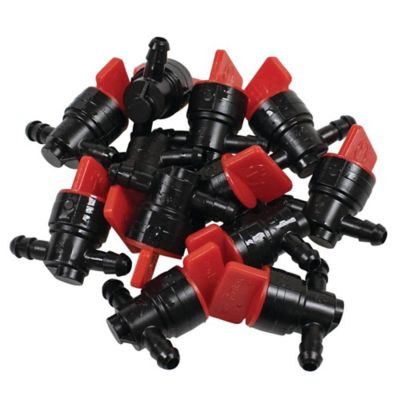
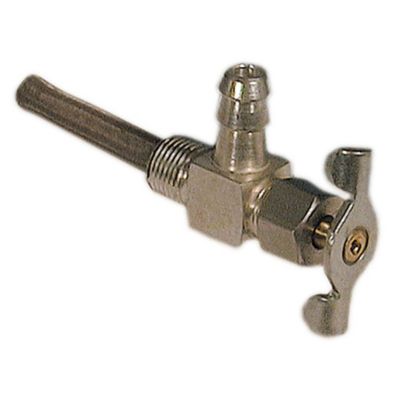
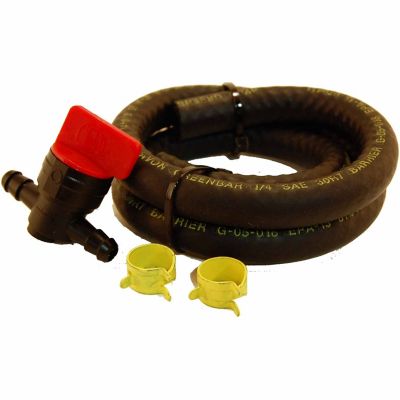
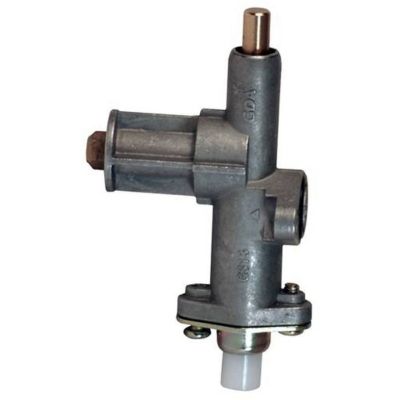
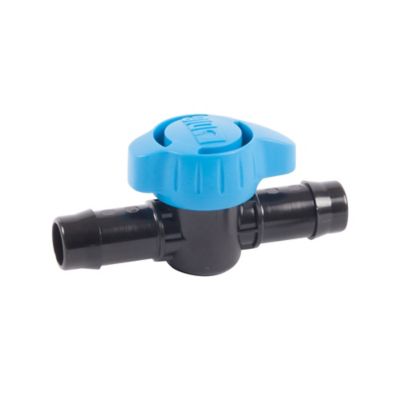
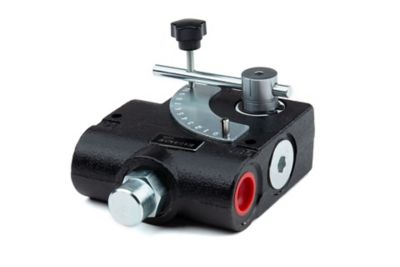
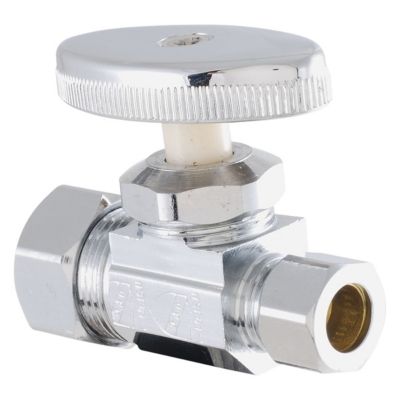
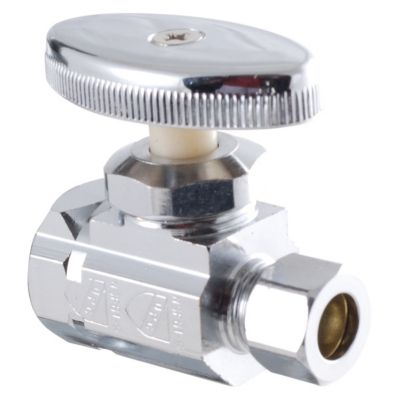
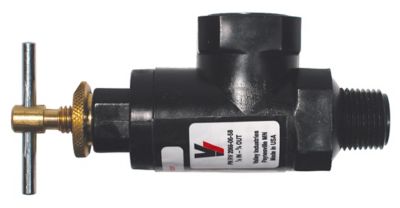
Fuel shut off valves are simple mechanical controls that stop the flow of gasoline or diesel through a fuel line. They are commonly used on lawn mowers, riding mowers, generators, pressure washers, tractors, tillers, snow blowers, utility engines, boats and other equipment that relies on a small engine or fuel-fed system. A valve may be installed between the fuel tank and carburetor, near a fuel filter or at another accessible point in the line. With the handle turned to the open position, fuel can travel to the engine for normal operation. Turning the handle to the closed position cuts off the supply, which can help limit leaks, make service work less messy and keep fuel from slowly seeping into the carburetor while equipment sits unused. That extra control comes in handy around a farm or rural property, where one machine may be used hard for a few weeks and then parked until the next chore comes around. Shutting off the fuel before storage can also help reduce flooding, varnish buildup and carburetor trouble, especially when a mower, generator or pressure washer is put away during the cooler months. For equipment that runs on natural gas rather than liquid fuel, a dedicated
Natural Gas Shut Off Valves category is the better place to look, since natural gas systems use different fittings, pressure requirements and installation practices.
Choosing the right fuel shut off valve starts with identifying the equipment, fuel type and existing fuel line. A valve made for a small gasoline engine may not be suitable for diesel, marine use, automotive systems or a high-temperature application. Check the inside diameter of the fuel hose and match it to the valve’s barb size; a mismatch can lead to a loose connection, restricted flow or a line that is difficult to secure. Threaded valves require the correct thread type and size, and pipe threads should not be confused with hose-barb connections. It also helps to compare the valve’s fuel-flow direction, pressure rating, temperature rating and material. Plastic valves are often a practical choice for many standard small-engine applications, while metal construction may be preferred where the valve will see more heat, vibration, rough handling or frequent use. Some valves have a straight-through design, while others are angled to make routing a fuel line easier in a cramped engine compartment. A compact valve can be useful where space is tight, but the handle still needs to be easy to reach and clear of belts, pulleys, mufflers and other moving or hot parts. Look over the original setup before ordering, and compare the old valve, hose size, mounting location and connection style with the specifications listed for the replacement. If the equipment has a manufacturer-recommended part number, using that information can help narrow the choices. For older equipment with a brittle hose or rusty clamps, replacing those related pieces at the same time may provide a more dependable repair than installing a new valve into a worn fuel line.
Fuel shut off valves are useful for people who maintain their own yard equipment, farm machinery, generators and recreational equipment, whether they are replacing a leaking valve or adding a convenient shutoff to an older setup. They can also make a practical gift for a neighbor, small-engine hobbyist, acreage owner or handy family member who keeps a mower, tractor or generator in regular rotation. Before working on a fuel system, park the equipment on a level surface in a well-ventilated area, let hot parts cool and keep cigarettes, flames, sparks and other ignition sources away from gasoline and vapors. Turn the engine off, close the valve and follow the equipment manufacturer’s service instructions; never rely on the valve alone if the tank, line or carburetor still contains fuel. After installation, secure the hose with suitable clamps, make sure the line is not kinked and check for seepage before putting the equipment back to work. The handle should move cleanly between open and closed positions without rubbing against nearby components. During seasonal storage, close the valve as part of the normal shutdown routine, then use the fuel treatment, draining or storage steps recommended for that particular engine and fuel. When equipment returns to service as the weather warms, inspect the valve and hose for cracking, stiffness or damage before opening the fuel supply. A properly matched shutoff valve is a small part, but it can bring welcome peace of mind when a generator is kept ready for an outage, a mower is parked beside the barn or a hard-working engine needs routine maintenance.