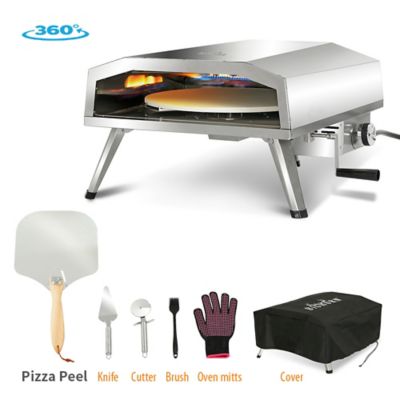
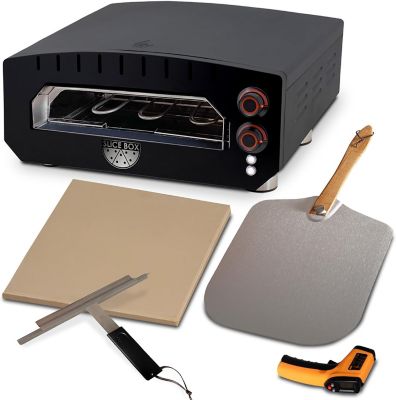
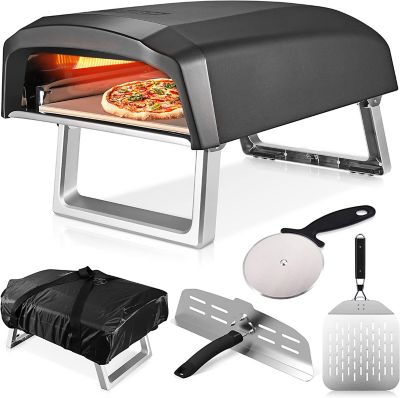
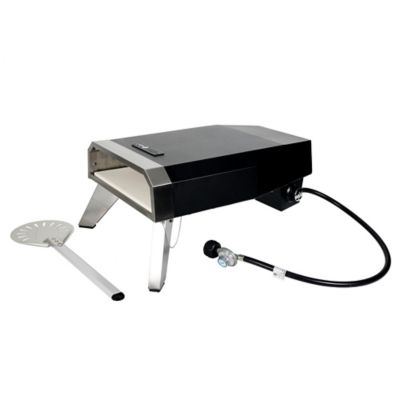
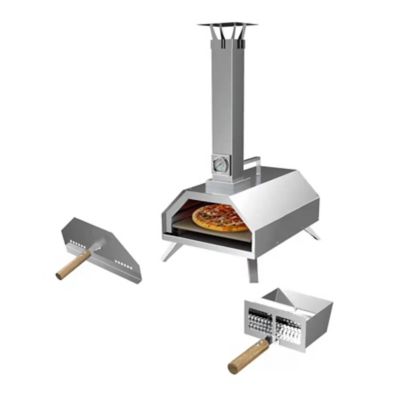
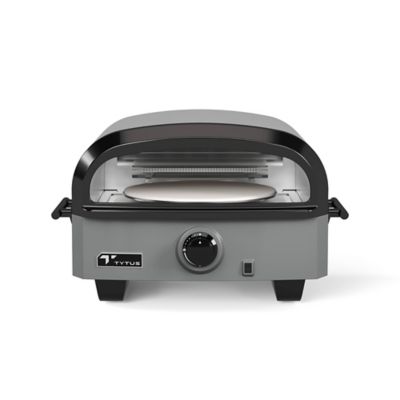
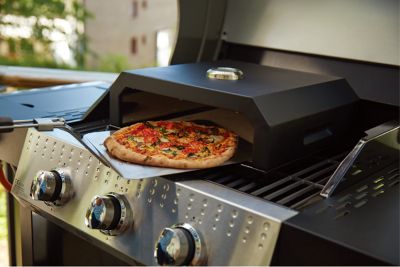
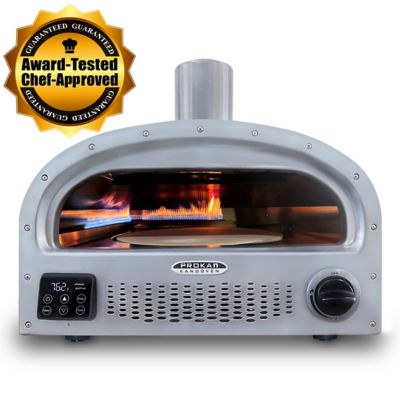
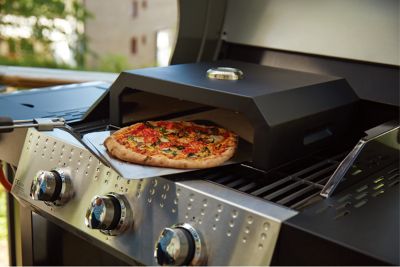
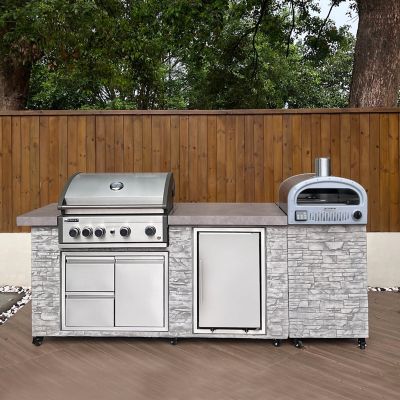
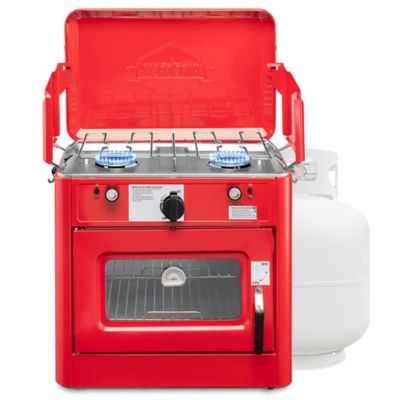
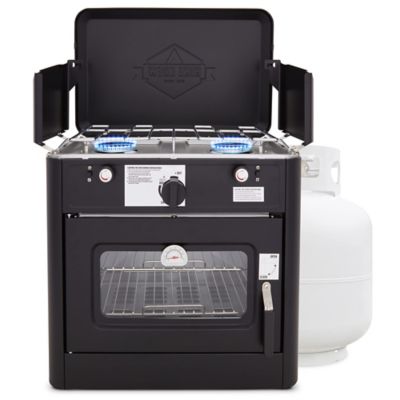
Pizza ovens for outdoor kitchens bring high-heat baking to the same space as the grill, prep counter and outdoor dining table. They give backyard cooks a place to turn dough, sauce and a handful of toppings into pizza with a browned crust, a tender center and bubbling cheese. Depending on the design, an outdoor pizza oven can sit on a suitable countertop, stand on its own base or fit into a built-in cooking area. Those differences matter as much as the look of the oven. A countertop model needs a level, heat-safe surface with enough strength to support its full weight, while a freestanding setup needs a stable base and room for the cook to work. Built-in installations require an oven approved for that application, along with the clearances and ventilation specified by its manufacturer. An oven’s outside dimensions tell only part of the story: the opening, cooking surface and space needed to handle a pizza peel all affect how comfortably it fits into an outdoor kitchen. A deep counter can leave the oven mouth too far away, while a narrow walkway can put foot traffic right behind the person handling hot food. Nearby landing space makes a difference when a pizza comes off the stone and needs somewhere safe to rest. Materials also shape the setup. Stainless steel, coated steel, refractory materials and ceramic components serve different purposes, from supporting the outer shell to holding heat near the food. Insulation helps limit heat loss, though exterior surfaces can still become hot. Substantial masonry-style construction may suit a permanent cooking area, while a lighter oven may make sense where the layout needs more flexibility. Neither appearance nor weight alone tells the whole story about performance or service life. Construction, surface care and the intended installation all count. Clearances from siding, fencing, cabinets and overhead structures remain essential, even when the oven sits on a noncombustible counter.
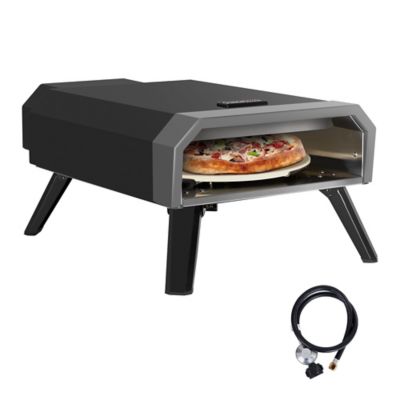
Fuel type influences the cooking routine, from lighting the oven to tending it between pizzas. Wood-fired pizza ovens appeal to cooks who enjoy building a fire, managing the flame and working with the character that live-fire cooking brings to a meal. They also need space for the approved fuel and a plan for handling ash after everything has cooled. Propane pizza ovens offer burner controls without the same fire-tending routine, making them a practical fit for cooks who want to spend more time stretching dough and serving food. Natural gas models require a suitable gas supply and proper installation; fuel types and connections are not interchangeable unless the manufacturer specifically allows a conversion. For a gas-fired setup, explore
Propane Pizza Oven Outdoor options with the cooking area, fuel connection and placement requirements in mind. Across fuel types, strong pizza results depend on more than the highest heat setting. The cooking floor needs time to absorb heat, and the balance between heat below the crust and heat above the toppings affects how evenly a pizza bakes. An oven that fits one pizza comfortably may work well for a couple sharing supper, while feeding a full table means thinking about baking space, turning room and heat recovery between batches. A wider cooking floor does not always mean several pizzas will fit without crowding the flame or limiting movement. Opening height matters, too, especially for cookware the manufacturer permits. Some ovens can handle bread, vegetables or skillet dishes at suitable settings, adding flexibility beyond pizza night. For a family gathering, a clear stretch of counter for dough and toppings keeps preparation separate from the hot oven mouth. Smaller pizzas can give each person a say in supper, while a steady baking rhythm lets the cook send food to the table without rushing the next crust.
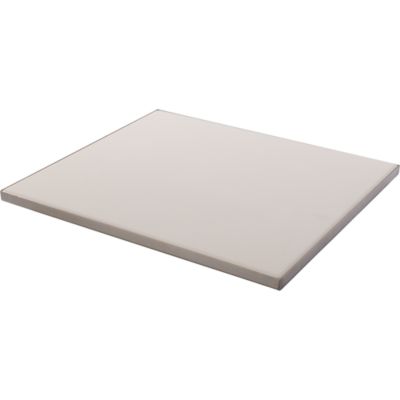
Care and everyday handling have a lot to do with how well an outdoor pizza oven holds up over time. Food-contact surfaces, cooking stones, burners and exterior panels each have their own cleaning needs, so the oven’s care directions matter more than a one-size-fits-all scrubbing routine. Many pizza stones are porous and should not be soaked or washed with soap; sudden contact with water while hot can also cause cracking. Once the oven has cooled fully, a suitable scraper or brush can help clear loose flour and baked-on crumbs where the manufacturer permits. Exterior finishes call for compatible cleaners rather than harsh abrasives that can scratch surfaces or damage coatings. On wood-fired models, fully cooled ash belongs in a metal container with a lid, kept away from combustible materials. Gas models need attention to burner openings, hoses and fittings, with inspection and leak checks performed according to the manufacturer’s directions. A fitted cover can help keep the oven clean between meals, but it belongs on only after the unit has cooled and dried. Covers are not a substitute for any required sheltered storage. Accessories also affect how smoothly the cooking space works. A peel should fit the oven opening and leave enough handle length for safe handling, while heat-resistant gloves and an appropriate landing surface support the trip from oven to table. Storage for those tools helps keep a small outdoor kitchen from feeling crowded. For someone who already enjoys grilling, baking bread or feeding a porch full of family, an outdoor pizza oven can make a thoughtful gift when the space and fuel requirements are settled beforehand. The right fit is an oven that matches the cook’s habits, the kitchen’s layout and the amount of hands-on tending that feels enjoyable. That leaves more attention for stretching the next dough ball, watching the crust rise and getting supper to the table.