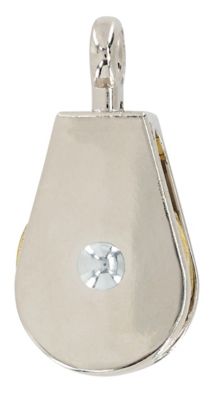
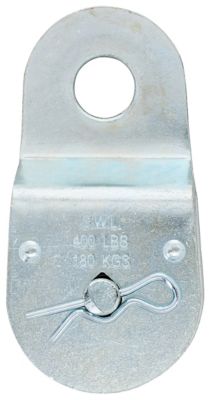
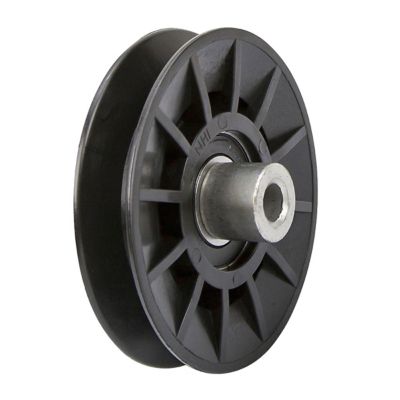
Fixed pulleys are simple machines that change the direction of a pulling force while keeping the wheel’s axle in one place. The wheel, also called a sheave, turns as rope or compatible cable travels through its groove, but the pulley stays attached to a secure support. In a basic overhead arrangement, pulling down on one end of the rope raises a load on the other end. A single fixed pulley has an ideal mechanical advantage of 1, so it does not multiply force or reduce the theoretical effort needed to lift a given weight. Friction adds some resistance in an actual setup. The benefit is a more convenient pulling direction: instead of reaching up to lift something directly, a person can pull downward from a suitable position. That straightforward function makes fixed pulleys useful around barns, workshops, sheds, and other places where a line needs to turn a corner or run overhead. Familiar applications include flagpole halyards, certain curtain arrangements, and properly designed lifting systems. On a rural property, a pulley might help route a line for a lightweight barn curtain or form part of a rated assembly for raising equipment. The intended application matters more than the pulley’s appearance, since hardware meant for guiding a light cord is not interchangeable with equipment rated for lifting loads. Fixed pulleys also differ from movable pulleys, which travel with the load and can provide force multiplication in the right arrangement. Systems combining fixed and movable pulleys can trade a longer pulling distance for less pulling force, but a fixed pulley alone does not offer that tradeoff. For shoppers sorting through pulley hardware, that distinction keeps the focus on what the job actually needs: a change in direction, additional mechanical advantage, or both. Farm owners, maintenance crews, and folks keeping a home shop running can all benefit from matching the pulley’s function to the task before considering its size or mounting style.
Materials, wheel design, and line compatibility all affect how a fixed pulley handles everyday work. Steel housings can suit demanding shop and farm applications, while zinc coatings help protect suitable steel components against corrosion. Stainless steel may be worth considering in damp locations, though its performance still depends on the grade, environment, and care. Some designs feature polymer wheels that offer low weight and corrosion resistance at the wheel itself; their suitability depends on the manufacturer’s load and exposure limits. No material alone establishes how much a pulley can carry. The stated working load limit, intended service, and condition of the complete assembly matter far more than a hefty-looking frame. Rope diameter should fall within the pulley manufacturer’s specified range, with a groove shaped for that type of line. A rope that crowds the housing can rub, while one that does not seat properly may track poorly. Wire rope requires a sheave designed for its construction and minimum bending requirements, rather than a wheel selected only because the cable fits inside the groove. Wheel diameter also matters because a tight bend can shorten line life and increase resistance. A bushing or bearing supports wheel rotation, and the best fit depends on load, operating frequency, and exposure to dust or moisture. For a barn curtain that moves a short distance a few times a day, the demands differ from those of a frequently operated lifting assembly. Mounting details deserve the same attention as the wheel. An eye, bracket, or other attachment must match the support and maintain the intended line alignment without forcing the rope against the side plates. A fixed pulley’s axle stays in place during operation, even if its mounting hardware allows it to swivel into alignment. The support also carries forces from both rope segments, not simply the hanging load. With two rope legs pulling downward, the force at the attachment can approach twice the rope tension, before allowing for movement or other effects. Properly rated anchors, connectors, and structural supports are essential parts of the system, especially overhead; the strength of a barn beam or shed rafter should never be assumed from looks alone.
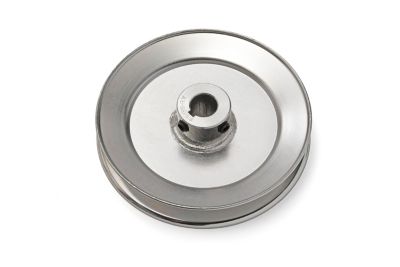
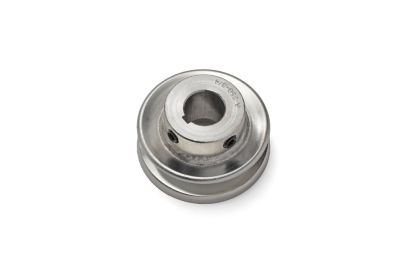
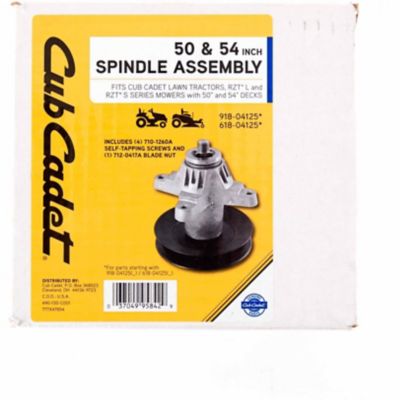
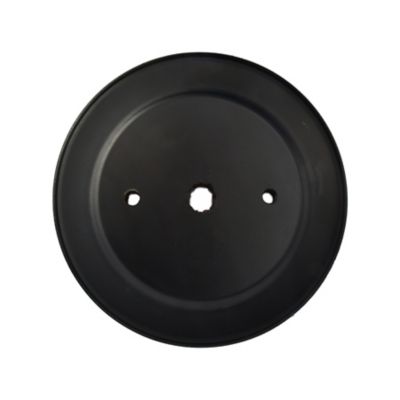
Good fit also means choosing fixed pulleys for the surroundings they will face. An open-sided shed brings windblown grit, a feed room can be dusty, and an outdoor mounting point may stay damp long after the rain passes. During the cooler months, frost and ice can interfere with wheel movement and rope travel, making sheltered placement helpful where the application allows it. Care requirements vary by design, but regular attention to the groove, axle, housing, mounting points, and line helps catch trouble before it interrupts a job. Frayed fibers, flattened cable strands, rough wheel edges, loose fasteners, and a wheel that binds or wobbles are reasons to stop operation and assess the affected components. Lubrication should follow the manufacturer’s directions; some bearings are sealed, and excess lubricant can collect grit or reach a line material that should stay free of oil. Smooth, controlled pulling helps limit sudden loading, while a clear rope path keeps the line away from sharp edges and places where hands could get pinched. A pulley redirects a line; it does not serve as a brake or hold a raised load on its own. Any lifting arrangement needs an appropriate means of controlling and securing the load, and people should stay clear of suspended loads. General-purpose pulley hardware is not a substitute for equipment specifically designed and rated for supporting people. It also helps to distinguish rope-routing hardware from power-transmission parts when shopping for a repair. For belt-driven spindle assemblies,
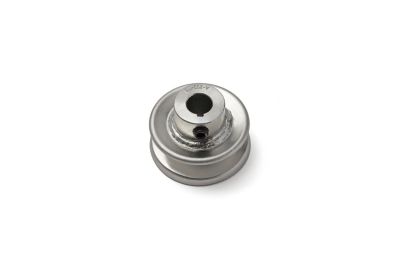
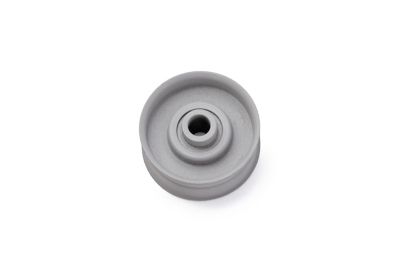
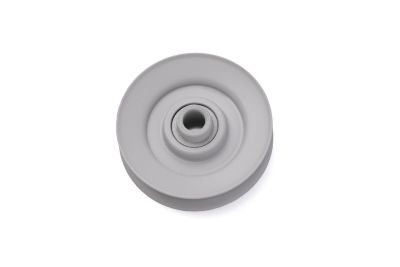
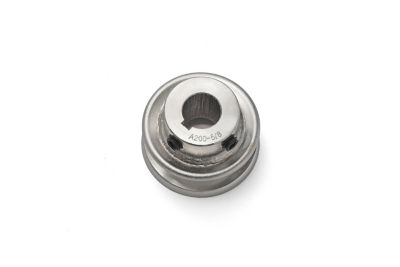
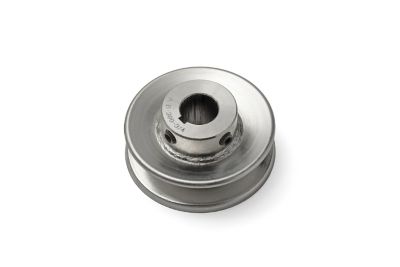
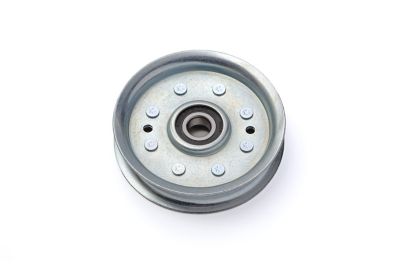
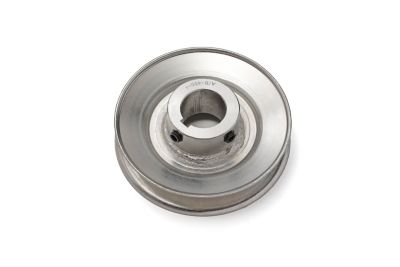
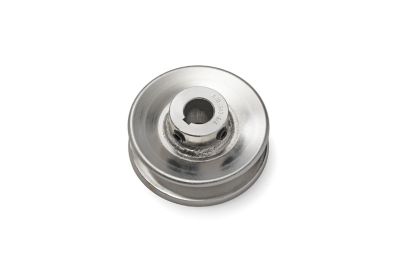
Spindle Pulleys belong to a different category: they transfer rotation through a belt rather than simply redirecting a pulling line. Keeping those functions separate makes it easier to match hardware to the equipment in the shop or the task out by the barn. With the right line fit, mounting arrangement, material, and load rating, fixed pulleys offer a straightforward way to put a pull in a more practical direction without mistaking convenience for added lifting power.