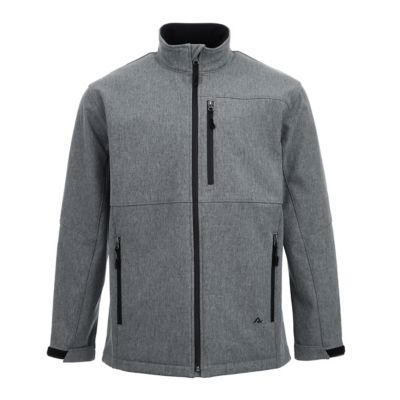
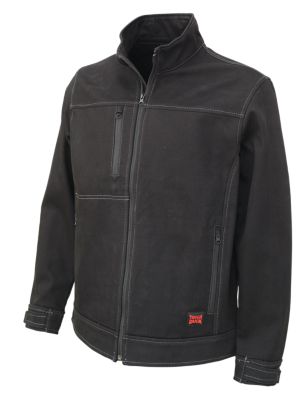
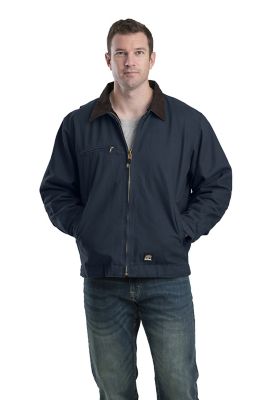
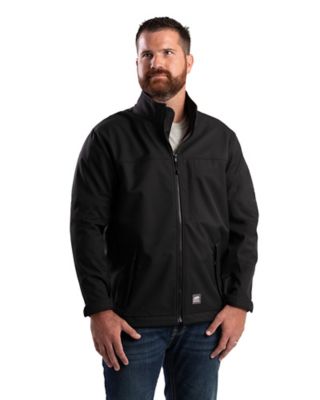
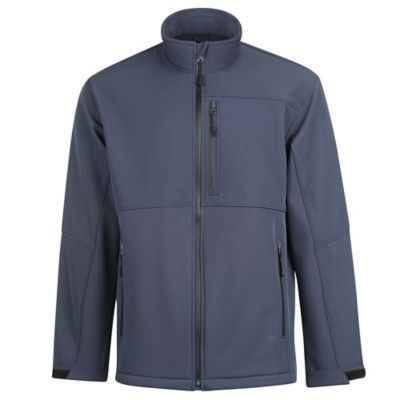
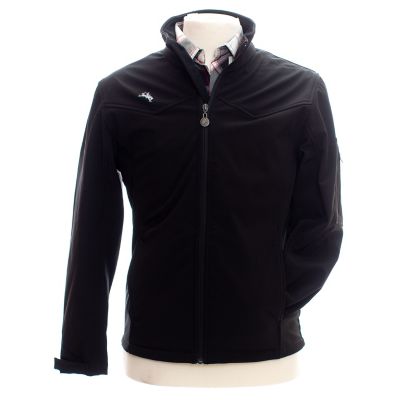
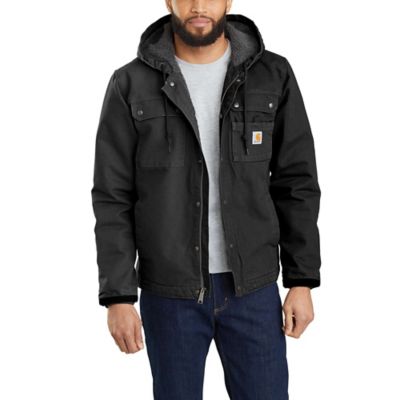
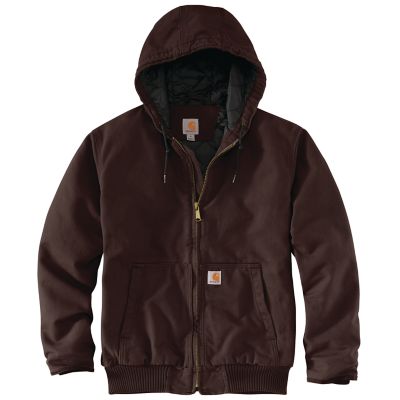
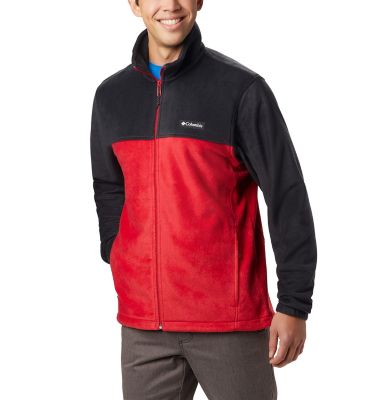
A men’s fleece jacket earns its place by the door when the day calls for a little warmth without the weight of a heavy coat. It’s an easy layer for walking out to the barn, heading into town for supplies or taking the long way around the property with the dog. The soft feel is part of the appeal, but fleece also offers practical comfort for days that mix sitting, walking and hands-on work. Many fleece fabrics are made from polyester, with a raised surface that traps air close to the body. That construction helps hold warmth while keeping the jacket relatively light and easy to pack behind a truck seat or in a day bag. Fabric weight, pile height and construction all affect how a jacket feels: a low-profile fleece can slide beneath an outer shell, while a thicker, loftier fabric adds warmth and a fuller feel. Smooth-faced fleece has a different look and hand than fuzzy pile, and sweater-knit fleece brings a textured outer surface that fits in just as well at a family gathering as it does around the farm. Some fabrics include stretch for easier movement, while others get their roominess from the cut of the jacket. Breathability matters when a morning walk turns into a brisk climb or a quick chore takes longer than expected. A full-length zipper makes it simple to let out heat without taking the whole layer off. Fleece alone generally lets more air through than a tightly woven shell, so an open pasture or a breezy ridge may call for another layer on top. It also isn’t a substitute for rainwear. For everyday outings, though, its combination of softness, warmth and easy layering makes a men’s fleece jacket a practical choice for folks who move between the house, the truck and the outdoors throughout the day.
The right fit leaves room for the clothes underneath without extra fabric bunching at the waist or elbows. A jacket worn over a T-shirt can sit closer to the body than one meant to cover a flannel shirt or sweatshirt. Shoulder seams and sleeve shape deserve attention, especially for anyone who spends time reaching across a workbench, carrying feed buckets or holding a steering wheel. Sleeves should cover the wrists comfortably without slipping over the hands, and the hem should stay put when reaching forward. A longer back hem can help maintain coverage while bending, while an adjustable bottom opening can reduce gaps around the waist. Cuffs have a similar job at the wrists: elastic binding offers a close finish, and adjustable closures let the wearer change the opening around gloves or other layers. Collar and hood styles bring their own trade-offs. A stand collar adds coverage at the neck without the extra fabric of a hood, while a hood offers more coverage for the head and ears. A soft zipper guard at the chin can make a fully zipped collar more comfortable, particularly on longer walks. Pockets are worth considering beyond how many a jacket has. Zippered pockets help keep keys from slipping out when climbing into a truck, and an interior pocket can keep small belongings tucked away. Hand pockets should be easy to reach, though their placement may affect access beneath a backpack’s waist belt. For those comparing thicker layers,
Mens Heavyweight Fleece Jackets offer a closer look at that part of the category. Heavier fleece can suit less active stretches outdoors, while a lighter construction may be more comfortable for steady movement or beneath a coat. The best match depends on the whole outfit and the work or recreation ahead, rather than thickness alone. A comfortable jacket should let the wearer reach, bend and sit without needing constant adjustments.
Everyday wear puts fleece through more than a stroll down the driveway, so fabric construction and finishing details matter over time. Repeated rubbing from backpack straps, seat belts and work surfaces can flatten the pile or lead to pilling, and an anti-pill finish may help limit those small surface balls. Reinforced panels in high-contact areas can add resistance to abrasion, though fleece still calls for some care around rough lumber, sharp wire and thorny brush. Dense stitching, neatly finished seams and a zipper that moves smoothly are useful details to look for in a jacket meant for frequent wear. Fleece can also pick up hay, lint and pet hair, especially when the surface has a longer pile. Keeping hook-and-loop fasteners closed in the wash helps prevent them from catching on the fabric. The care label is the starting point for cleaning, since fabric blends, trims and finishes can have different needs. Many polyester fleece jackets allow machine washing with mild detergent, but wash temperature and drying directions vary. High heat can damage synthetic fibers, and fabric softener may interfere with moisture-managing finishes, so neither should be assumed suitable. Closing zippers before washing and separating fleece from lint-shedding towels can help keep the surface looking tidy. Letting the jacket dry fully before putting it away also helps keep it fresh between outings. Around welding sparks, open flames or other heat hazards, ordinary synthetic fleece is not protective workwear; those jobs call for clothing rated for the hazard. Away from that kind of work, a fleece jacket fits plenty of routines, from checking fence lines on foot to watching a ballgame from the stands. It can also make a practical gift for a dad, brother, husband or friend who appreciates clothing with an everyday purpose. Knowing the recipient’s usual size, preferred fit and layering habits helps narrow the choice. Straightforward colors, comfortable pocket placement and a familiar collar style often matter more than extra features on a jacket that will get regular wear.