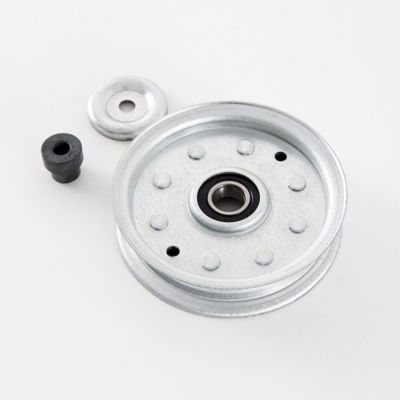
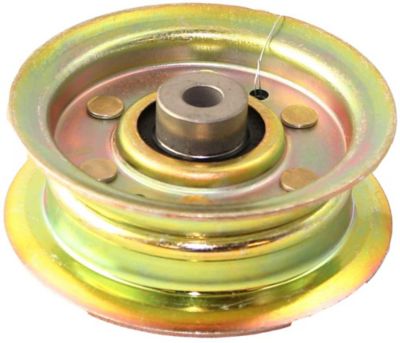
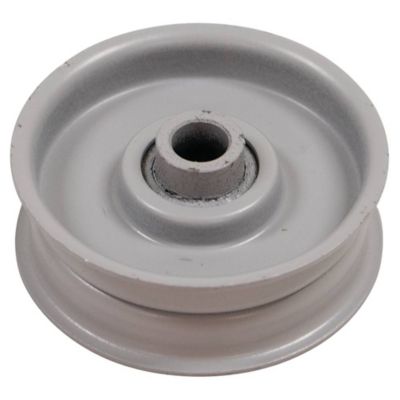
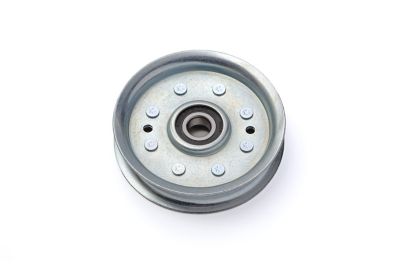
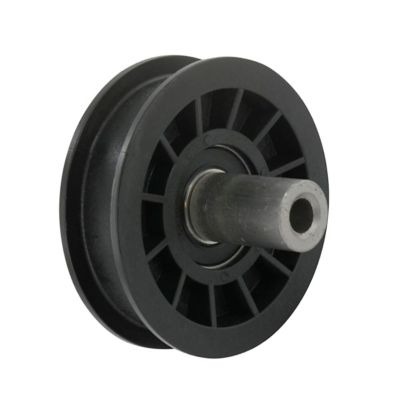
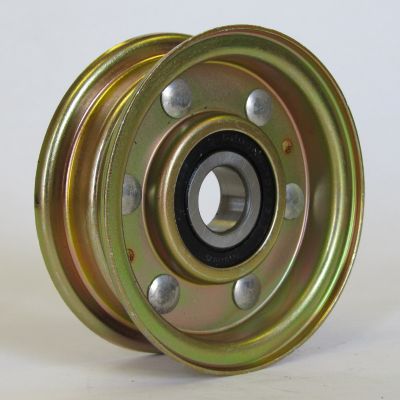
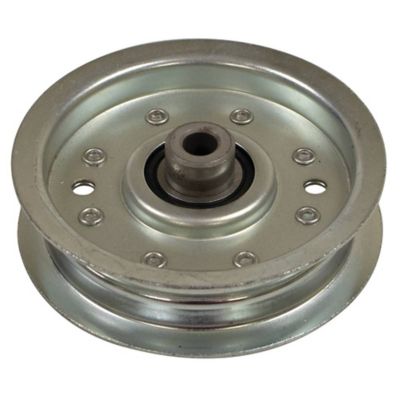
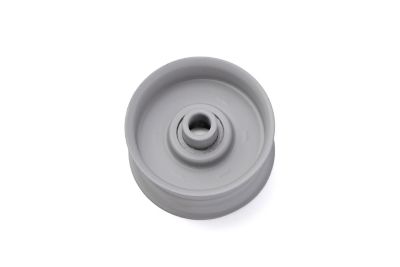
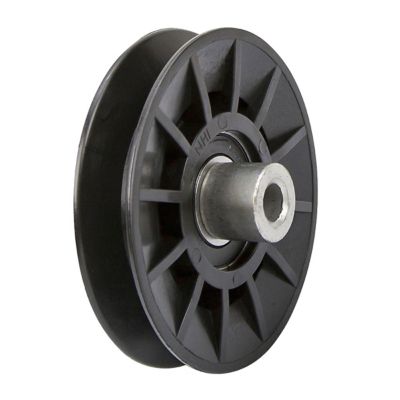
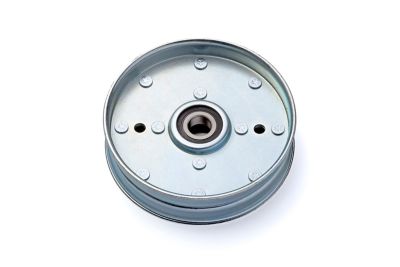
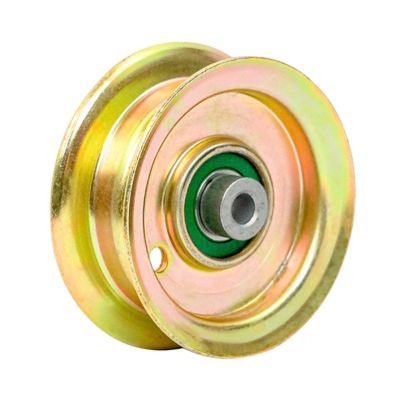
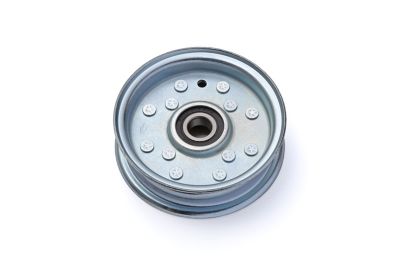
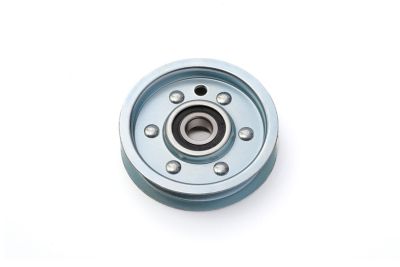
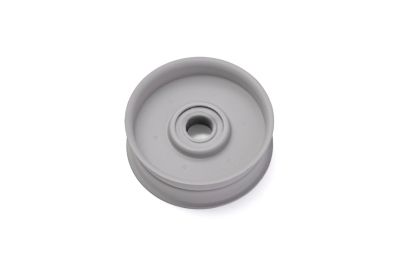
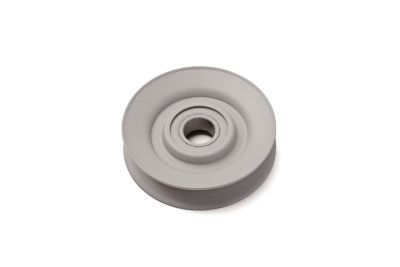
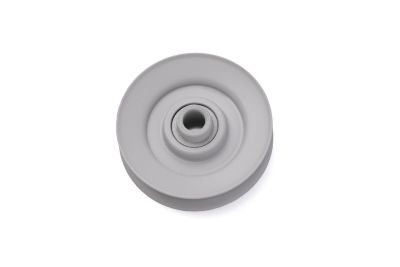
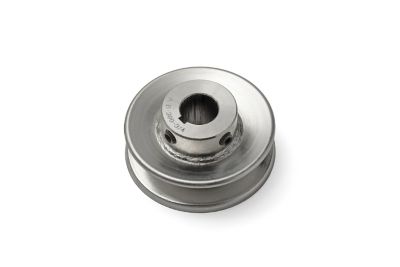
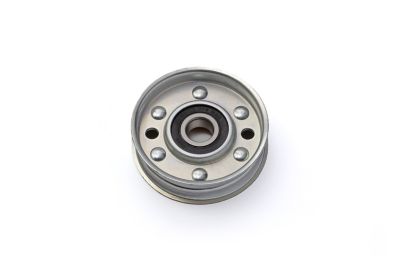
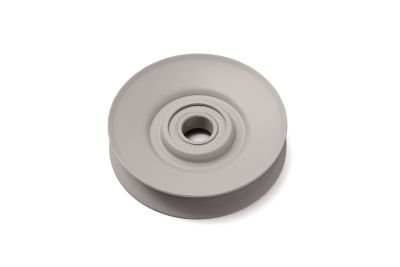
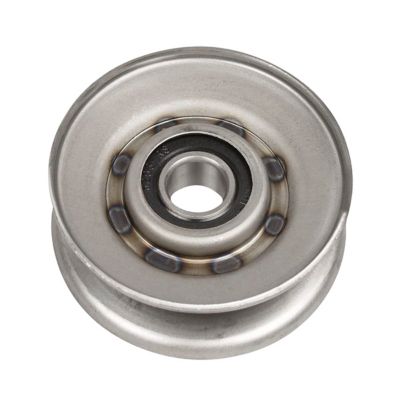
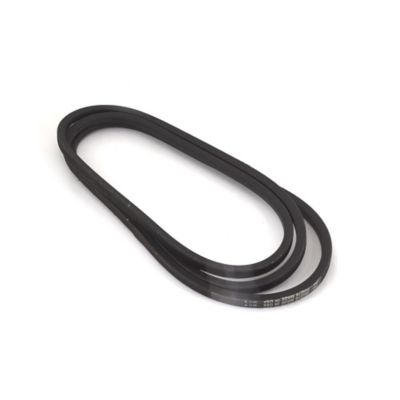
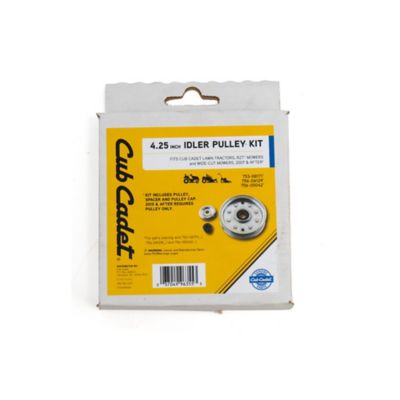
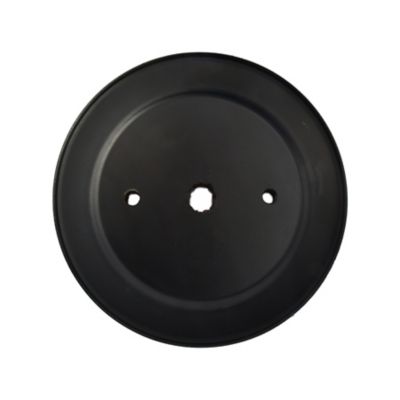
Flat idler pulleys help keep belt-driven equipment running smoothly by guiding a belt, maintaining steady tension and helping the belt follow the correct route around the engine, deck or other moving parts. Unlike a drive pulley, an idler pulley does not transfer engine power to the belt. It spins freely on a bearing while applying pressure to the belt or supporting its backside as the belt travels through the system. Depending on the equipment, a flat idler pulley may work with a flat belt, the flat back of a V-belt or a serpentine-style belt. These small parts are common in lawn tractors, riding mowers, mower decks, utility equipment, vehicles and other machinery that depends on a belt drive. A properly working pulley helps reduce belt slipping, vibration and uneven wear, which can make a noticeable difference when you are mowing a large field, clearing brush or keeping up with chores around the property. When an idler pulley begins to fail, you may hear a sharp squeal or squeak during operation, especially after the equipment warms up. A dry or worn bearing can make a grinding sound, while a damaged pulley may wobble, drag or refuse to turn. A seized pulley can create enough heat and friction to burn through a belt, and a pulley that shifts from side to side may fray the belt or cause it to run off track. Replacing a worn flat idler pulley before the belt breaks can help prevent a small repair from turning into a longer equipment shutdown during busy outdoor work.
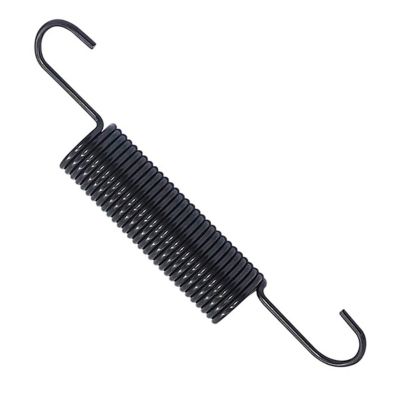
Choosing the right flat idler pulley starts with matching the part to the equipment and belt system, rather than relying on appearance alone. Check the original equipment manufacturer part number when one is available, then compare the pulley’s outside diameter, inner bore or bearing size, width, mounting style and overall shape. The belt’s route and contact surface matter, too. Some systems use the pulley against the smooth backside of a belt, while others place the belt on a grooved pulley elsewhere in the drive. Make sure the replacement pulley is intended for the same type of belt contact and can handle the speed and working conditions of the machine. Take note of whether the pulley includes a bearing, spacer, washer, dust shield or other mounting hardware, and compare the stack-up with the part being removed. A pulley that is only slightly different in width or bore can sit out of line, creating extra wear even if it appears to fit at first. Before ordering, inspect the belt for glazing, cracks, frayed edges, missing chunks or a stretched appearance. A worn belt can damage a new pulley, and a damaged pulley can quickly ruin a fresh belt, so replacing both may be the sensible choice when wear is obvious. It also helps to inspect nearby tension springs, brackets and mounting bolts for rust, bending or looseness. Equipment that spends long stretches outside may collect dust, grass clippings and moisture around the belt drive, while machines stored through cooler weather can develop surface rust or stiff bearings. Cleaning away packed debris and checking the belt path as part of regular maintenance can help the new pulley last longer. For setups that do not need to move or tension a belt,
Fixed Pulleys may be a better fit for the job.
Replacing a flat idler pulley is a manageable repair for many experienced equipment owners, but the belt drive must be treated with care. Park the machine on a level surface, shut off the engine, remove the key and allow hot components to cool before starting. Disconnect the spark plug wire on applicable small engines or follow the equipment manufacturer’s lockout instructions so the engine cannot start unexpectedly. Belt tension is often held by a spring-loaded arm or another tensioning mechanism. Relieve that tension according to the equipment’s service instructions before removing the pulley, and keep hands clear of pinch points as the arm moves. Take a quick photo of the belt routing and lay out each washer, spacer and dust shield in the order it comes off. That simple step is especially helpful when working in a dim shed or returning to the repair after other chores. Once installed, the replacement pulley should turn freely without grinding, excessive side play or a rough spot. The belt should sit squarely in its intended path and remain aligned with the surrounding pulleys. After reinstalling the guard, run the equipment briefly at low speed in a clear area and watch for wobbling, belt flutter, smoke or unusual noise. Stop immediately if anything looks out of line, then recheck the mounting hardware and belt routing. Flat idler pulleys are useful replacement parts to keep on hand for people who maintain lawn equipment, farm machines, work vehicles or shop machinery, especially when a breakdown during mowing or property work would be a real hassle. They are practical additions to a repair shelf rather than a typical gift, but a homeowner, groundskeeper or hands-on relative may appreciate having the correctly sized pulley ready when a bearing starts to sing or a belt begins to wander. As the weather warms and outdoor work picks up, and again during the cooler months when equipment gets inspected and stored, a careful belt-drive check can help keep everyday machines ready for the next job.