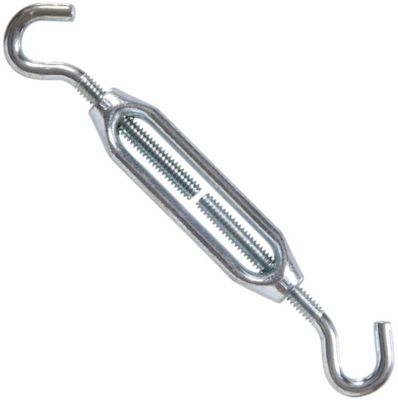
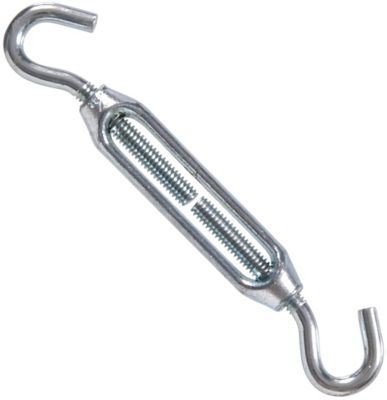
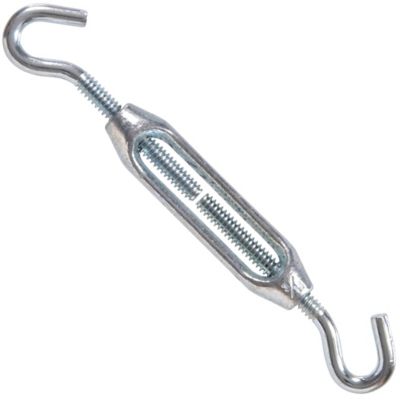
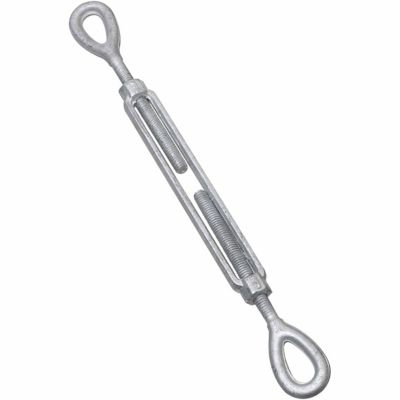
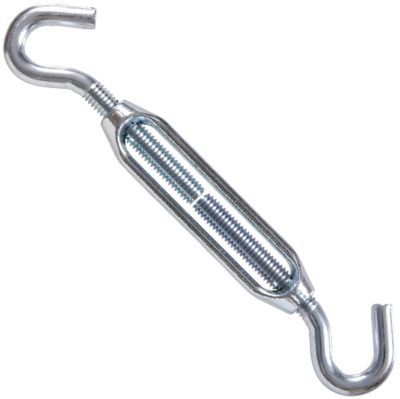
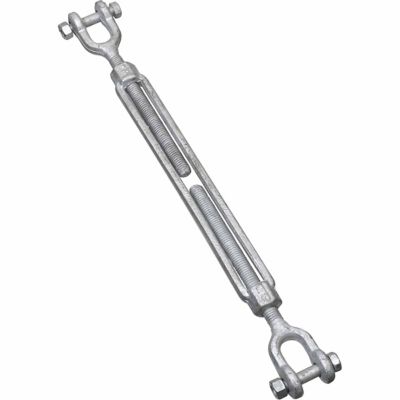
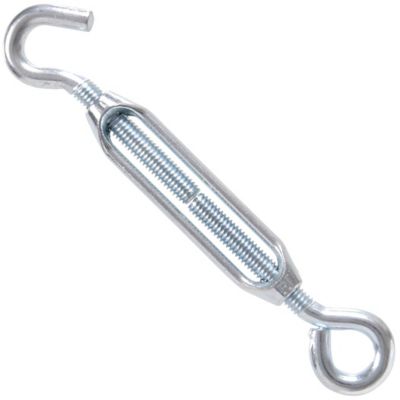
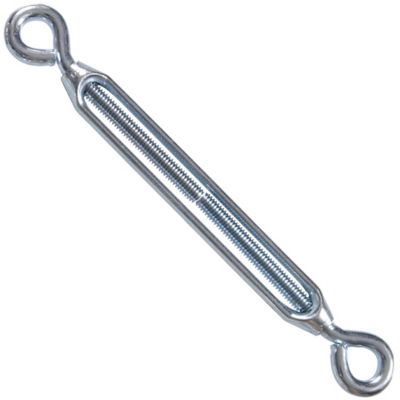
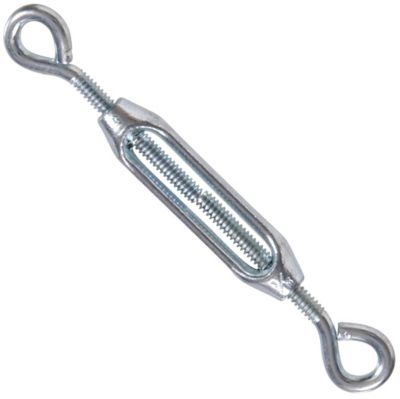
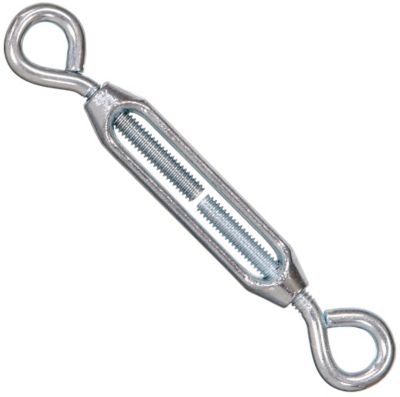
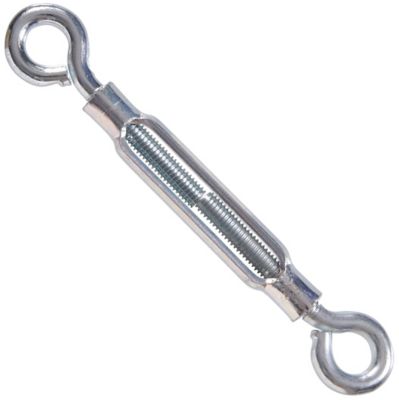
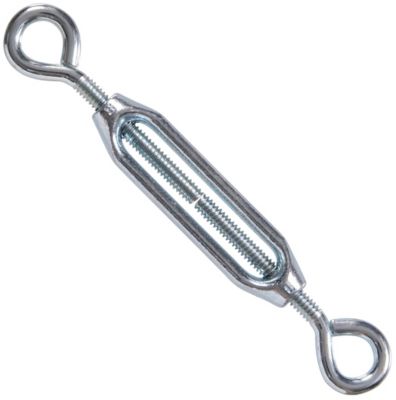
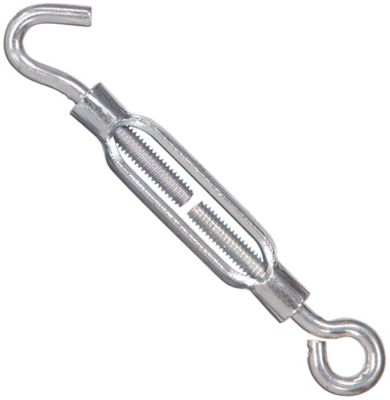
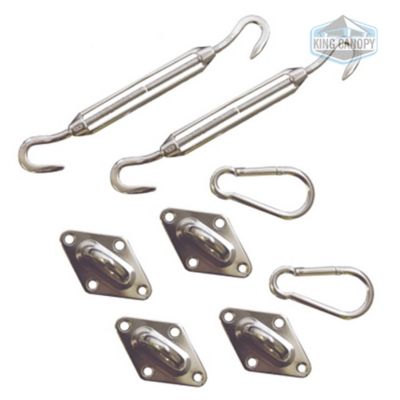
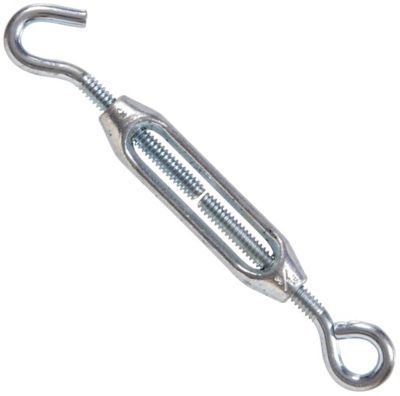
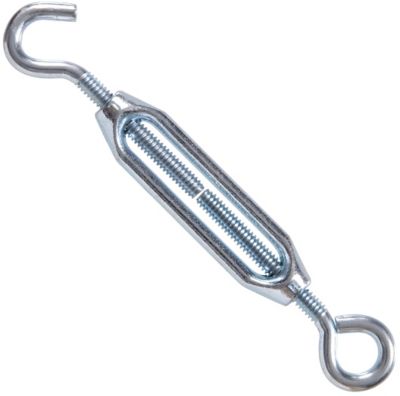
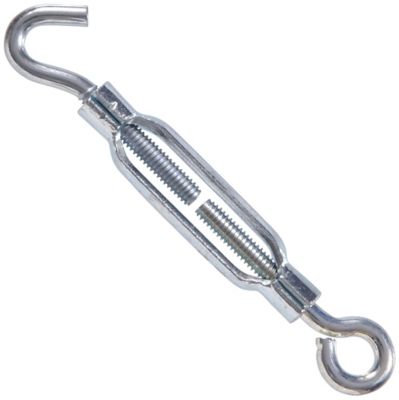
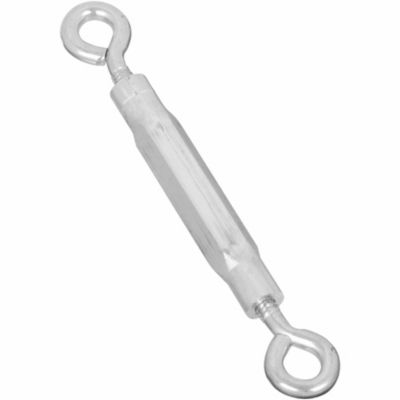
Adjustable turnbuckles are handy mechanical fasteners for bringing cables, wire rope, ropes, and tie rods to the right amount of tension. They are often used when a project needs more than a simple connection—there also needs to be a way to fine-tune slack, alignment, or support after everything is in place. A typical turnbuckle has a center body with threaded ends that move in opposite directions as the body is turned. Because one end generally uses right-hand threads and the other uses left-hand threads, rotating the center frame draws both fittings inward or pushes them outward at the same time. That makes it possible to tighten a run without disconnecting the cable or starting over. Turnbuckles are useful around the farm, ranch, workshop, garden, and jobsite for applications such as bracing fence corners, supporting trellises, tensioning shade structures, securing wire panels, and aligning light structural components. They can also be used with guy wires, equipment supports, gates, and outdoor fabric installations where seasonal changes or regular use may create a little slack. Someone building a sturdy garden trellis might use a turnbuckle to keep support wire taut as climbing vines become heavier, while a landowner repairing a long fence run may use one to help maintain a straight, dependable brace. During the cooler months, turnbuckles can also be useful for checking outdoor structures before wind, rain, or changing temperatures put extra strain on loose cables and supports. Their straightforward design makes them a practical addition to a farm repair kit, fencing toolbox, or general hardware drawer, and they can be a thoughtful gift for a do-it-yourselfer, gardener, homesteader, boat owner, or hands-on homeowner who likes keeping useful hardware close by.
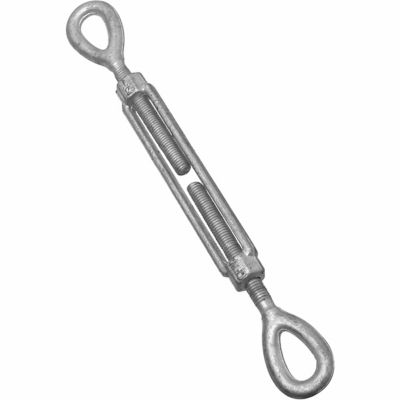
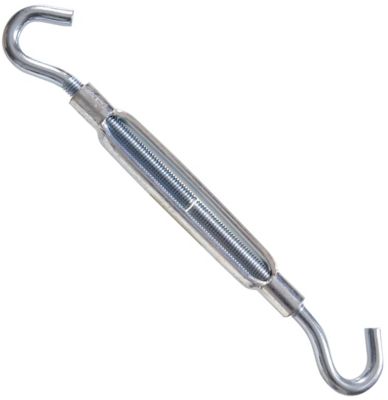
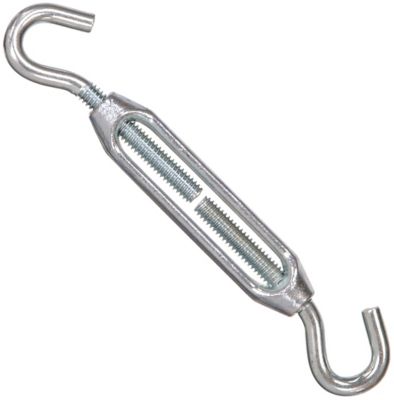
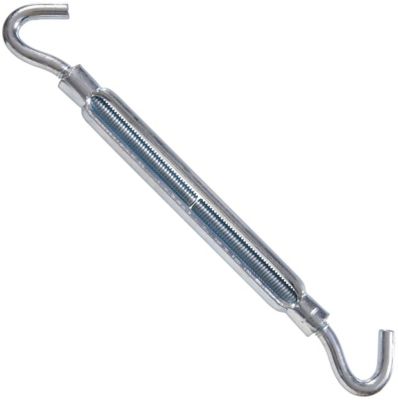
Choosing the right adjustable turnbuckle starts with matching the hardware to the way it will be used. Look at the material, thread diameter, overall size, end fittings, adjustment range, and working load limit before making a selection. Stainless steel is often chosen for outdoor, damp, or coastal conditions because it offers strong corrosion resistance, while galvanized or other coated steel options may be well suited to many general farm and property-maintenance jobs. The end fitting determines how the turnbuckle connects to the rest of the setup. Eye ends work with hooks, shackles, bolts, or other compatible connectors; hook ends can make temporary or accessible connections convenient; and jaw ends are often used where a cable or fitting needs to sit securely between side plates. Combination ends can provide flexibility when the two attachment points are different. Measure the available space carefully, including the distance between connection points, and check the turnbuckle’s take-up—the amount of slack it can absorb through adjustment. A turnbuckle that is too short may not provide enough range to tighten the assembly, while one that is too large can be awkward to install or leave insufficient room for proper adjustment. The stated working load limit is just as important as physical size. Ratings vary widely, from lighter-duty hardware for garden supports and small bracing jobs to heavy-duty turnbuckles intended for substantial tensioning work. Always base the choice on the full setup, including cable, rope, anchors, brackets, and connection points, since the weakest component controls the overall strength. Working load limits should not be confused with breaking strength, and extra capacity is a sensible choice when loads may shift, wind may catch a structure, or the hardware will see repeated movement.
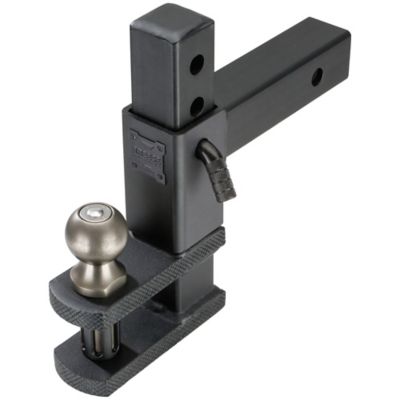
Use adjustable turnbuckles for tensioning, alignment, and bracing—not as a substitute for equipment designed for overhead lifting. They should not be used to lift people, suspend loads over workers, or support anything where a failure could cause serious injury. Before installation, inspect the threads, body, hooks, eyes, jaws, and surrounding hardware for bends, cracks, damaged threads, heavy rust, or other signs of wear. The connection points need to be properly sized and anchored, with the load pulling in line rather than at a sharp side angle. Thread the fittings evenly, leave adequate thread engagement, and avoid running the adjustment all the way to the end of its travel. After tension is set, secure any cable ends and use suitable locking methods where needed so vibration or repeated movement does not allow the assembly to loosen. It is also wise to recheck a new installation after the cable, fence, canopy, or brace has had time to settle. A quick inspection after strong wind, heavy rain, livestock contact, or seasonal temperature swings can help catch slack before it turns into a larger repair. Keep the center body accessible so future adjustments can be made with the proper tool, and protect exposed hardware from unnecessary contact with soil, feed, chemicals, and standing water. For projects involving trailers or towing equipment, turnbuckles are separate from
Adjustable Hitches, which are made to change hitch height or towing position. Selecting hardware by its intended job helps keep each connection working as designed. Whether the goal is a straight fence line, a firm garden support, a neatly tensioned shade cover, or a better-aligned brace, the right adjustable turnbuckle provides controlled take-up and dependable fine adjustment without making the whole project complicated.